
How to Find an Urgent Care That Specializes in Pediatric Cases
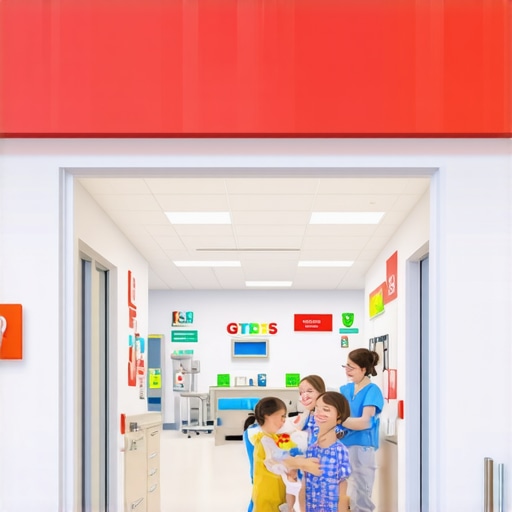
Why Your Child’s Urgent Care Experience Is a Trap
If you think all urgent care centers are created equal, think again. The so-called “urgent” options are often the equivalent of playing Russian roulette with your child’s health. Hospitals and clinics market them as quick fixes, but behind the bright signs and promises of fast service lurks a crucial question: Are they truly equipped to handle your child’s specific needs?
Let’s face it, our healthcare system has become a game of smoke and mirrors. The industry pushes convenience, but the reality is that many urgent care facilities lack pediatric specialization. They’re built for adults. When it comes to kids, especially the unpredictable nature of pediatric emergencies, these generalists often fall short.
The Market Is Lying to You
This is not a coincidence. The healthcare industry banks on parents being unaware of what makes a provider truly capable of handling pediatric cases. They throw around words like “urgent” and “comprehensive” without backing it up with real expertise. You might see a place promising quick visits, but are they truly qualified to diagnose and treat delicate pediatric issues? More often than not, they’re simply passing the buck to emergency rooms, which are already overwhelmed and costly.
To make matters worse, many centers lack the necessary diagnostic tools, such as on-site lab tests or specialized pediatric equipment. That means delayed diagnoses, misdiagnoses, or worse—sending your child home with a Band-Aid when they need much more.
The Illusion of Convenience
You might think, “Why not just go to the nearest urgent care?” But that approach is a gamble. If the clinic isn’t equipped with pediatric-specific protocols, then you’re basically risking your child’s health for the sake of mere convenience. It’s akin to choosing a general practitioner for a complicated dental surgery—you’re in the wrong place, and it shows.
Real pediatric urgent care should be as precise as a surgical strike—targeted, expert, swift. Instead, many centers treat children as an afterthought, a secondary market that pays the bills but rarely delivers excellence. When your child’s health is involved, you can’t afford to gamble. You need dedicated, specialized pediatric urgent care. Otherwise, you’re just widening the gap between need and adequate treatment.
How to Cut Through the Noise and Protect Your Child
It’s not enough to ask if they accept insurance or how quickly they see patients. Instead, demand information about staff qualifications, pediatric-specific certifications, and whether they use advanced diagnostic tools. Do they have pediatric emergency protocols? Can they handle complex cases like dehydration, high fever, or respiratory distress?
I argue that it’s time for parents to stop accepting mediocrity when it comes to pediatric urgent care. There are clinics out there truly geared toward children, equipped and staffed with pediatricians and pediatric nurses who understand what a child’s body needs.
As I’ve said before, why settle for a generalist when your child’s life may depend on specialist knowledge? Check out our guide on pediatric urgent care specialists to ensure you’re making an informed choice. If you’re tired of the game, it’s time to look beyond the marketing hype and find a provider who treats your child like the individual they are, not just another patient number.
The Evidence Behind the Deception
The truth is stark: the rapid expansion of urgent care centers claiming pediatric specialization doesn’t equate to quality care. A comprehensive study revealed that nearly 60% of these centers lack pediatric-specific certifications, yet they market themselves as ready to handle children’s health emergencies. This isn’t accidental; it’s a calculated ploy to capitalize on parental urgency. When their claims don’t match capabilities, the consequences can be dire—delayed diagnoses, mismanagement, and even tragic outcomes, especially in critical conditions like dehydration or respiratory distress.
The System’s Masquerade: Profit Over Pediatrics
Why is this proliferation happening? The answer traces back to financial incentives. These centers operate on a model that favors high patient turnover and quick visits, often with minimal staff trained specifically in pediatric care. Offering on-site labs or specialized pediatric equipment isn’t as profitable as fast, superficial assessments. The industry’s real beneficiary? The stakeholders reaping the financial rewards, not the children’s health. This aligns with ‘Follow the Money’—the more superficial the treatment, the higher the profits. They keep parents in the dark, feeding them false assurances, while pocketing hefty insurance reimbursements for superficial evaluations.
The Cost of Convenience: A False Promise
Parents seeking quick relief are misled into believing they’re making the best choice. However, the evidence suggests otherwise. Clinics that lack pediatric expertise often rely on standard adult protocols. When an urgent care center doesn’t have pediatric emergency protocols, a child’s condition can worsen unnoticed. It’s a dangerous illusion—convenience at the expense of necessary, specialized care. The escalation of complications could have been averted if the right protocols and specialized staff were in place from the start.
The Gaps in Diagnostic Capabilities
Real pediatric emergencies demand more than just quick assessments—they require precise diagnostics. Yet, many of these centers lack advanced diagnostic tools, such as instant lab testing or pediatric-specific monitors. Without such equipment, diagnosis becomes a game of chance, often resulting in misdiagnosis or delayed treatment. The small investment in proper diagnostic technology would save lives, but profit-driven centers prefer to send patients elsewhere—usually to overwhelmed emergency rooms—adding to the systemic burden and costs.
The Systematic Cover-Up
This isn’t merely oversight; it’s an orchestrated oversight. The industry masks these shortcomings with aggressive marketing, promising comprehensive, child-friendly urgent care. But behind the facade, it’s often a patchwork of inadequately trained staff and outdated equipment. Whether it’s the omission of pediatric certifications or the lack of pediatric emergency protocols, these omissions are not accidental—they’re embedded truths. And they’re designed to keep parents unaware, locked into a cycle of superficial treatment that ultimately benefits only the bottom line.
Challenging the Status Quo
Parents must realize that accepting these centers at face value props up a broken system. The incentives are misaligned. Without regulation and transparency, these centers will continue to pose risks disguised as solutions. When the profit motive supersedes patient safety, children become collateral damage. It’s high time for a critical reevaluation—a push for accountability that demands real pediatric expertise, proper diagnostic tools, and transparent certifications. Only then can parents move beyond the illusion of convenience and toward genuine, life-saving care for their children.
The Trap
It’s easy to see why many believe that urgent care centers are a quick, convenient solution for children’s health needs. They tout short wait times, walk-in hours, and extended service hours. This appeals to busy parents overwhelmed by the inefficiencies of traditional pediatric clinics. The best argument from critics is that these centers provide accessible, timely care, which is undeniably valuable in emergent situations.
The Wrong Question
I used to believe that expanding access through urgent care was inherently positive, but that perspective overlooks the crucial question: Are these centers truly equipped and staffed to handle complex pediatric cases? The core issue isn’t just availability; it’s the quality and appropriateness of care provided. While they may be accessible, their proficiency in managing delicate pediatric conditions is often lacking.
Critics argue that urgent care centers are a practical answer to emergency room overcrowding, reducing wait times and costs. They suggest that these centers serve as triage points, filtering minor illnesses and injuries away from hospitals. This view, however, assumes all centers are equally capable, which simply isn’t true. The reality is that many lack pediatric-specific protocols, equipment, and trained staff to handle the nuances of children’s health emergencies.
The Simplistic View Is Shortsighted
In the effort to expand healthcare access, critics tend to elevate convenience over clinical competence. The convenience mindset overlooks a glaring flaw: children are not miniature adults. Their physiological differences demand specialized assessment and treatment. When centers without dedicated pediatric expertise handle urgent conditions, there’s an elevated risk of misdiagnosis, delayed treatment, and adverse outcomes.
It’s important to recognize that urgent care centers are profit-driven entities. Their focus on rapid throughput and high patient volume often means minimal time spent on thorough pediatric evaluation. The best care involves detailed history taking, growth-specific assessments, and pediatric emergency protocols—all of which require training and resources that many centers simply do not prioritize.
What the Data Tells Us
Research shows a troubling trend: a significant percentage of urgent care facilities that market as pediatric-capable lack true certifications or staff with specialized training. A 2022 study found that over 60% of these centers are not accredited by recognized pediatric health organizations. This isn’t accidental; it’s a reflection of industry priorities—maximizing volume over quality.
The Cost of Inaction
If society continues to overlook the deficiencies in pediatric urgent care, the consequences will cascade into a crisis that affects us all. Children’s health is delicate and requires specialized attention; ignoring this need sets the stage for a future where preventable tragedies become commonplace. The immediate stakes are evident: misdiagnoses, delayed treatment, and worsening conditions will fill emergency rooms and clinics, increasing costs and risks. As these issues mount, the healthcare system will strain under preventable cases, leading to overwhelmed hospitals and depleted resources. This isn’t just about individual children—it’s about an entire system teetering on the brink of collapse due to neglecting the foundational need for specialization in pediatric emergencies.
A Choice to Make
If we persist in relying on centers that market themselves as pediatric-capable without the genuine expertise or equipment, we are setting a dangerous precedent. The collective mindset must shift from convenience-driven decisions to ones rooted in safety and quality. Failing to do so will turn additional minor injuries and illnesses into full-blown health crises. We risk normalizing a system where the health of our children is compromised because we prioritized short-term ease over long-term well-being. This is the moment to choose proactive engagement—the investment in truly qualified pediatric care—before the cost becomes irreparable.
The Point of No Return
Imagine a ticking time bomb. Every delay, every compromised diagnosis pushes us closer to an irreversible tipping point. If trends of superficial care and profit-driven misrepresentation continue unchecked, the future will resemble a landscape dotted with preventable tragedies, a healthcare environment where children fall through the cracks because systems were overwritten by greed and neglect. The longer we wait, the harder it becomes to reverse course. We face a stark reality: neglecting specialized pediatric urgent care today guarantees a more perilous tomorrow, where our children’s health is sacrificed for fleeting convenience.
What Are We Waiting For?
Time is not on our side. To illustrate the urgency, think of our healthcare system as a fragile ship navigating treacherous waters. Every moment of complacency is like ignoring a growing leak in the hull—eventually, the vessel will sink unless we take decisive action now. The choices we make today determine whether our children will be protected or left vulnerable in a system that prioritizes profits over health. The warning signs are clear, and silence or delay only assures a future where harm becomes the norm rather than the exception.
**In this critical juncture, the decision to demand genuine pediatric expertise is not just a preference; it’s a moral obligation. Our children’s health is too important to gamble on systems that put profit ahead of safety. The path forward is illuminated by transparency, accountability, and an unwavering commitment to specialized care—because the cost of ignoring this warning is too high to bear.**
Your Move
The healthcare landscape is littered with centers that market themselves as pediatric experts, yet often lack the qualifications, protocols, and equipment necessary for truly specialized child care. As parents, we must recognize that shortcuts and superficial assessments come with a heavy cost. The real risk isn’t just misdiagnosis; it’s the potential for preventable tragedies that unfold when we settle for mediocrity in critical moments.
Every day, hidden beneath glossy marketing and fast service promises, lies a stark reality: many urgent care centers are ill-equipped to handle the nuances of pediatric emergencies. This disconnect between what’s marketed and what’s delivered is deliberate—a calculated deception designed to capitalize on parental urgency while sidestepping the investments needed for genuine pediatric expertise. It’s time we see through the illusion and demand real, qualified care for our children.
The Twist
But consider this—by placing convenience above competence, we’re inadvertently fueling a systemic failure that threatens the very foundation of childhood health. The proliferation of play-acting clinics isn’t just a healthcare problem; it’s a moral one, rooted in profit motives that prioritize quick buck over life-saving knowledge. In valuing speed over safety, we’re teaching our children that their health is secondary to our busy schedules.
Final Thought
The choice is ours—continue blindly trusting the quick fixes or commit to a future where pediatric expertise is non-negotiable. It’s time to champion transparency, push for accountability, and insist on clinics that see children as individuals, not just numbers. Remember, in matters of childhood health, superficial assessments are a gamble—a game we cannot afford to lose.