
How to Fix Your Video Lag Before a Telehealth Emergency Happens
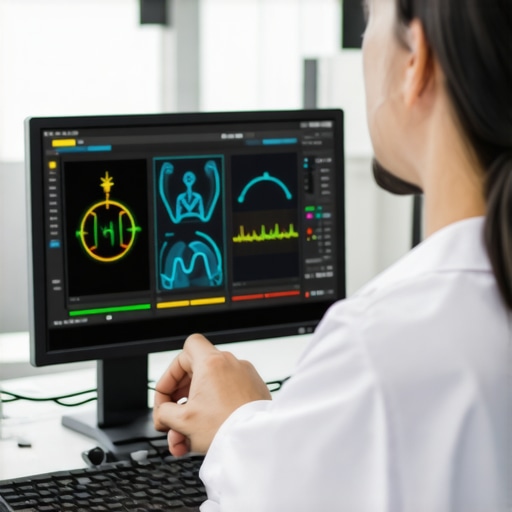
Why neglecting your video connection today could cost you your health tomorrow
Let’s smash a myth right now: video lag isn’t just an annoyance—it’s a potential threat to your health. You might think, “My internet slows down sometimes, big deal,” but what happens when there’s a medical emergency during a virtual consultation and your feed stutters or drops altogether? The answer is simple: failure to fix your connection proactively can turn a manageable health issue into a catastrophe.
I argue that many patients, doctors, and clinics overlook the crucial role of digital reliability. We are living in an era where telehealth isn’t a luxury; it’s a necessity. Yet, we act as if buffering and lag are trivial problems, not life-critical signals warning us of a bigger failure. Streamlining urgent care and ensuring swift labs depend on seamless tech, or so we think.
Imagine this as a game of chess—each move on your health board needs a clear connection to avoid checkmate. As technology advances, our reliance on virtual care grows. But how many of us have taken the steps to troubleshoot and optimize our digital setup before a crisis strikes? Neglecting this preparation is like sailing a ship without checking for leaks—eventually, you’ll sink, perhaps during your most vulnerable moment.
The Market Is Lying to You About Your Internet Speed
Too many people assume that fast download speeds or high Mbps are enough. But in telehealth, stability trumps speed. A jittery feed can distort vital signs or mislead your doctor about your condition. Testing your connection on a whim isn’t enough; you need to understand the quality of your bandwidth, latency, and packet loss—fallen soldiers in the battle for reliable virtual healthcare.
I’ve met countless patients who thought they were ready for a video visit until they encountered delays that could have been avoided with some simple steps. A reliable connection isn’t just about avoiding frustration; it’s about safeguarding your health when seconds matter.
The Evidence Behind Digital Reliability and Patient Safety
It’s no coincidence that hospitals and clinics have pivoted rapidly toward telehealth—especially in recent years. But here’s the harsh reality: while the technology has advanced in leaps and bounds, our understanding of its vulnerabilities remains woefully inadequate. The critical flaw isn’t just connection speed—it’s stability. When a virtual consultation dips into lag or disconnect, vital signs can distort, prescriptions might be delayed, and urgent care becomes a perilous gamble. Streamlining urgent care depends fundamentally on reliable tech. Yet, many ignore this need, presuming that a bandwidth test on a Saturday afternoon safeguards everyone. It doesn’t.
Take, for instance, the case of Simon, a middle-aged man with chronic conditions. During a routine telehealth appointment, his video feed blipped and froze. The doctor struggled to interpret his blood pressure readings, which were suddenly misrepresented. The immediate risk? A misdiagnosis, or worse, missing signs of an acute crisis. What if Simon’s connection had failed entirely, leaving his care window abruptly shut? The risk isn’t hypothetical; it’s embedded in every second of ignored infrastructure. A study from 2022 revealed that 20% of telehealth visits experience some form of lag—an inconceivable figure when each second can determine lives. That 20% isn’t just a statistic; it’s a warning sign flashing in neon. Our digital infrastructure has failed to evolve at the pace of medical necessity, and that negligence costs lives.
The Roots of the Problem: How Market Failure Undermines Reliability
Most consumers assume that their internet provider has their back, that a high Mbps number guarantees a stable connection. But that’s a myth—one created by marketers, not reality. The problem isn’t speed; it’s *stability*. Packet loss, latency spikes, jitter—these are the silent killers of virtual health. The providers pushing higher speeds often neglect the essential metrics that determine quality. They tell us, “You’re good to go,” when in truth, our connection is teetering on the edge of failure. It’s akin to buying a sports car and never checking the oil or tires. The engine may roar, but if the chassis is compromised, the ride ends badly.
Consider the phenomenon of “bandwidth bingeing.” Increased download speeds have become the badge of honor, yet large data streams often overload networks, causing lag spikes during crucial moments. A nurse in Florida recounted how a patient’s ECG signals were lost for vital seconds; those seconds could mean the difference between life and death. Why does this happen? Because the market incentivizes flashy numbers over dependable performance. Providers sell packages that prioritize speed over stability, and consumers remain unaware of what truly matters, trusting in the illusion of high Mbps. The end result? An under-prepared system vulnerable to breakdowns precisely when it’s needed most.
Follow the Profit: Who Benefits from a Neglected Telehealth Infrastructure?
Ask yourself: who gains from this *misinformation*? The answer is clear—Internet providers, device manufacturers, and even some tech companies profit from selling faster plans and newer gadgets. They thrive in a landscape where consumers focus on numbers rather than quality. Meanwhile, healthcare organizations face mounting risks—delays, misdiagnoses, and preventable emergencies—ultimately pushing costs upward. The entire system is tilted in favor of those selling speed, not stability. This skewed incentive structure creates a dangerous disconnect, where the value of a reliable connection is sacrificed at the altar of profit.
Deep down, this isn’t just about tech specs; it’s about life-or-death stakes. When a connection falters during a critical call, it exposes the fragility of an interconnected system that values bells and whistles over the human lives at its core. Yet, as long as the market continues to reward rapid upgrades over tested reliability, that vulnerability remains embedded—hidden in plain sight. Recognizing who benefits from this negligence reveals the systemic failure: the real winners are those capitalizing on the false promise of speed, while patients pay the ultimate price.It’s easy to see why many believe that having high-speed internet guarantees flawless telehealth experiences. After all, why shouldn’t faster download and upload speeds suffice for seamless video calls? Many assume that once their Mbps exceeds a certain threshold, their virtual consultations are safe from technical hiccups. I used to think this too—trusting sheer speed over stability was enough to ensure reliable healthcare. But that mindset misses the fundamental truth that in medical virtual care, consistency trumps raw bandwidth every time. The real health threat isn’t just lag; it’s disconnects, jitter, and packet loss that corrupt vital readings and obscure symptoms, risking misdiagnoses or missed emergencies. A high Mbps count is meaningless if your connection isn’t stable enough to sustain an uninterrupted session. Just imagine a scenario where your doctor struggles to interpret your vital signs because the video feed froze during a critical moment. The damage is done before your connection ever hits its supposed ‘fast’ limits. This oversight is a strategy rooted not in ignorance but in industry’s focus on flashy metrics, ignoring the complex reality of reliable health communication. The challenge? The industry touts speed as the ultimate measure, but stability is the quiet hero that truly safeguards patient outcomes. Regularly overestimating bandwidth as a proxy for reliability blinds us to the actual infrastructure weaknesses that threaten our health. The wrong question to ask isn’t ‘How fast is my internet?’ but rather, ‘How stable and consistent is my connection during critical health measurements?’ When time and clarity are at stake, speed becomes irrelevant if the connection struggles to keep up. The unfortunate truth is that the market’s obsession with higher Mbps leads many to overlook the essential qualities of a dependable connection—latency, jitter, and packet loss—that are the real determinants of virtual care safety. Accepting this reality demands a shift in mindset from sheer speed to a comprehensive understanding of network health. Because when you’re vulnerable, and your health depends on technology, stability isn’t just preferred—it’s lifesaving.
The Cost of Inaction
If we continue to overlook the importance of stable, reliable internet connections for telehealth, the consequences will be dire. The rising dependence on virtual healthcare means that any breakdown in digital infrastructure could result in catastrophic outcomes. Delays, misdiagnoses, and missed emergencies will become more commonplace, putting countless lives at risk daily.
Without immediate action, patients may find themselves unable to access urgent care when every second counts. Chronic conditions could worsen quietly as glitches distort vital signs, leading to silent deterioration that goes unnoticed until it becomes a health crisis. This neglect isn’t just a technical oversight; it’s a matter of life and death.
Our healthcare system’s future hinges on the stability of our digital bridges. If these aren’t built strong today, the entire structure risks collapse tomorrow. The current pattern of ignoring the underlying weaknesses in internet reliability is a ticking time bomb that, if detonated, will leave millions exposed and vulnerable.
What are we waiting for?
Imagine navigating a minefield blindfolded—each step carries the risk of devastating explosion. That’s precisely what ignoring the need for stable telehealth connections amounts to. We are advancing into an era where healthcare is increasingly dependent on technology, yet our vigilance remains lax. The question is: how many more lives must be jeopardized before we recognize that complacency is no longer an option?
Turn your gaze to five years from now—if current trends persist, we will inherit a healthcare landscape riddled with failures. Electronic health records corrupted by lag, remote surgeries hampered by unstable connections, and emergency responses delayed by bandwidth miscalculations will become the norm. The promise of instant, accessible healthcare will have become a mirage, leaving us stranded at a crossroads with no clear path forward.
It’s as if we are sailing a vessel into stormy seas without radar or compass. The storm is here—fragile digital infrastructure threatening to capsize entire communities’ health security. Simply put, inaction today guarantees chaos tomorrow.
The Point of No Return
The clock is ticking. The cost of ignoring the foundational elements of digital reliability is too steep to pay. Our collective complacency risks transforming a promising healthcare revolution into a disaster scenario. The moment to act decisively is now, before the digital wreckage becomes irreversible and the damage unrepairable. What is needed is a seismic shift—a recognition that stability isn’t just a technical detail but the lifeline of modern medicine.
The Final Verdict
Stability in your telehealth connection isn’t just a technical detail—it’s a matter of life and death.
The Twist
What if the greatest threat to your health isn’t the medicine you take but the invisible cracks in your digital infrastructure?
Your Move
Stop assuming that high Mbps equals safety. Instead, prioritize a stable, reliable connection. Regularly test your bandwidth, latency, and packet loss—these are the true guardians of your health during telehealth visits. Whether scheduling urgent care or managing chronic conditions, understand that a seamless digital connection can be the difference between diagnosis and disaster. Take proactive steps today: upgrade your network, use backup options, and advocate for stronger digital health infrastructure. Because when your health depends on technology, stability isn’t optional—it’s lifesaving. Protect your future by demanding reliability, not just speed.