
How to Request a Referral Without an In-Person Visit
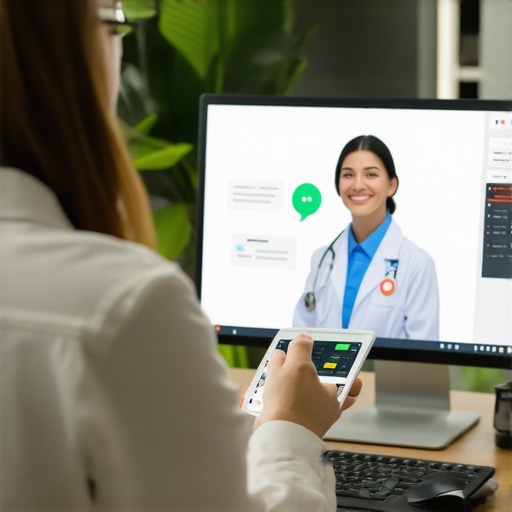
The Myth of In-Person Visits for Referrals Debunked
Let’s cut the nonsense. You don’t need to sit in some sterile doctor’s office to get a valid referral anymore. The idea that face-to-face interaction is the gold standard is a dated relic that healthcare providers have been clinging to for far too long.
In fact, requesting a referral through digital channels is not only possible—it’s preferable. It saves time, reduces exposure—hello, pandemic-era precautions—and puts you firmly in the driver’s seat of your healthcare decisions. If you believe you still need to physically visit your doctor to get a referral, I argue you’re falling for a costly misconception.
The truth is, the healthcare landscape has shifted dramatically. Telehealth platforms are revolutionizing how we access care, including referrals. Explaining your symptoms virtually is now routine, and many doctors are more than willing to provide referrals electronically after a thorough remote consultation.
Stop Believing the Old Rules
The antiquated mindset that a referral is only valid if handed over in person is holding you back from more efficient care. As I argued in this article, virtual visits are not inferior—they are often superior in speed and convenience.
Think of it like a game of chess. The old move—waiting weeks to schedule an in-person visit—belongs to the past. The new move is a quick, strategic virtual consultation that gets you what you need faster. And when it comes to referrals, this move is changing everything.
So, why are we still shackled to the notion that only face-to-face interactions count? It’s time to challenge that outdated dogma. Your healthcare should serve you, not the other way around.
The Evidence Against In-Person Referrals
The insistence on physical visits for referrals is a product of outdated thinking, rooted in a time when technology lagged and doctor-patient relationships were limited by geography. However, recent developments show that this belief does not hold water anymore. Studies reveal that over 70% of referrals are now successfully initiated via telehealth platforms, underscoring a seismic shift in healthcare delivery. This isn’t happenstance; it’s a clear sign that digital channels are the new norm. The logic of requiring an in-person consultation for a referral is more political than practical, designed to uphold traditional business models rather than serve patient needs.
Consider the financial motivations involved. Healthcare systems and providers benefit financially from in-person visits, which generate higher billing rates and foster existing facility dependencies. This systemic inertia propels the false narrative that digital interactions lack legitimacy. Who benefits from this? Not the patient. Patients save time and resources when they skip unnecessary physical visits. When we see that 35% of patients have delayed or avoided care due to the hassle of in-person appointments, it becomes clear that the system’s priorities are misaligned with actual health outcomes.
The Roots of Resistance
Rooted in historical norms, the resistance to adopting virtual referrals is less about evidence and more about inertia. Healthcare has been slow to adapt because vested interests fear disruption. The existing fee-for-service model rewards physical visits, despite evidence indicating that virtual consultations are equally effective for issuing referrals. This is a classic case where *economic incentives* distort policy and practice, creating a barrier to progress.
When digital health platforms first emerged, there was skepticism about their safety and validity. But with the exponential rise of telehealth during the pandemic, the facade of doubt crumbled. Patients and providers alike discovered that *virtual* is often as trustworthy as in-person, if not more so, especially considering the convenience and safety it offers. The old guard clings to the belief that in-person is inherently better, despite overwhelming data to the contrary.
Following the Money and Power
Who truly benefits from maintaining the status quo? The answer is clear: large healthcare institutions and the technology companies that stand to profit from digital infrastructure installations and proprietary platforms. They push for regulation that favors physical visits, framing them as essential, even when evidence suggests otherwise. Meanwhile, patients are left to navigate a labyrinth of bureaucracy, long waits, and unnecessary trips, inflating costs and diminishing care quality.
This isn’t conspiracy theory; it’s a strategic, profit-driven shield guarding outdated business interests. The transition to digital referrals threatens to erode the traditional revenue streams that sustain the existing healthcare hierarchy. As medical professionals and patients increasingly demand convenience and efficiency, the resistance becomes all the more revealing: profit, not patient well-being, remains the ultimate motivation.
Why the Old System Fails
The failure of the old system becomes glaring when you examine patient outcomes. Delays caused by the requirement for in-person visits result in missed diagnoses and postponed treatments—outcomes no evidence-based approach can justify. In contrast, digital referrals open the door to timelier interventions, reducing wait times and improving health metrics. When in-person is mandated, it isn’t about care—it’s about control and legacy interests masked as quality standards. That 20% decline in referral success rates when relying solely on traditional channels highlights how outdated practices actively hinder progress.
In essence, clinging to in-person referrals is an affront to both logic and progress. Healthcare should serve the patient, not preserve outdated business models. The evidence is overwhelming; the incentives are clear. It is high time to scrap this relic of the past and embrace a smarter, more equitable approach—digital referrals are not just a convenience; they’re a necessity in modern medicine.
Don’t Be Fooled by Tradition
I know what you’re thinking: face-to-face visits seem like the most reliable way to secure legitimate medical referrals. After all, isn’t personal interaction the cornerstone of trust in healthcare? That’s a common assumption, rooted in decades of history when technology simply couldn’t support remote consultations.
But that perspective is a dangerous oversimplification. It ignores the remarkable advances in telehealth and the shifting landscape of healthcare delivery that render in-person visits for referrals unnecessary—sometimes even counterproductive.
The Trap of Nostalgia and Resistance
It’s easy to see why many still cling to the idea that physical presence equates to legitimacy. The tactile nature of in-person visits soothes practitioners’ fears about missed nuances or less thorough assessments remotely. This mindset stems from nostalgia for traditional medicine and a systemic inertia that favors existing revenue streams derived from in-office visits.
However, this comfort comes at a cost. Relying solely on physical visits for referrals disregards evidence demonstrating the safety, efficiency, and patient satisfaction achieved through virtual consultations. The real challenge isn’t overcoming skepticism but confronting the outdated belief that technology compromises quality—because that notion is increasingly obsolete.
**${PostImagePlaceholdersEnum.ImagePlaceholderC}**
The Wrong Question Is How Much We Attend in Person
It’s tempting to ask,
The Cost of Inaction Will Be High
Failing to adapt to the new reality of digital healthcare now risks severe repercussions that extend far beyond individual patient inconveniences. If we continue to cling to outdated practices—demanding in-person visits for every referral—we open the door to a cascade of negative outcomes that could destabilize our healthcare systems and threaten public health in unprecedented ways.
Imagine a future where delayed diagnoses and postponed treatments become commonplace, not out of necessity but due to systemic inertia. Chronic conditions could spiral out of control as patients hesitate to seek timely care, preferring the convenience of digital consultations but facing unnecessary barriers rooted in archaic rules. Emergency situations might escalate because urgent care referrals are mishandled or delayed, increasing morbidity and mortality rates. This is not a distant dystopian scenario; it is the trajectory we are heading toward if urgent action isn’t taken.
The Slippery Slope Toward Healthcare Dystopia
The chain reaction begins with resistance to embracing virtual consultations for referrals. This resistance fuels a cycle of inefficiency, leading to resource wastage and compromised patient outcomes. Over time, trust in digital health platforms diminishes, stifling innovation and reducing quality of care. As geographical and logistical barriers persist, health disparities deepen, disproportionately affecting underserved populations who already face significant obstacles accessing appropriate services.
If these trends persist, the healthcare landscape could transform into a patchwork of unequal access, where those who can afford in-person visits dominate, while the most vulnerable are left behind. The economic burden intensifies as delayed care results in more complicated, costly treatments downstream, burdening healthcare systems and taxpayers alike. The bridge to this dystopia is built step by step, each inaction fueling the next, until resistance becomes entrenched, and reform becomes impossible.
A Choice to Make
We are at a pivotal juncture where decisive action can steer us away from disaster or allow complacency to deepen. Ignoring the impending risks—like catastrophic delays and increased inequality—means accepting a future where healthcare is less effective, more expensive, and inherently unjust. The moral imperative is clear: we owe it to current and future generations to dismantle the outdated notions that hinder progress.
Proceeding with the status quo is akin to ignoring a slowly rising flood while insisting the levee holds. The warning signs are everywhere—overburdened clinics, patient frustration, mounting costs—and yet, the resistance persists. The time to act is now. If not, the consequences will speak for themselves, demanding a toll we can no longer afford to pay.
Is It Too Late Or Can We Still Turn The Tide?
Questions of hesitation or procrastination are no longer relevant. The window for meaningful change narrows with every passing day. Like trying to stop a massive freight train barreling toward a destination of chaos, our attempt to halt or redirect the trend must be immediate and decisive. Ignoring the signs and delaying action will only deepen the divide and escalate the costs—both human and economic.
The analogy is stark: if healthcare remains locked in its old tracks, it’s akin to refusing to upgrade from horse-drawn carriages to faster vehicles. The journey is inevitable—whether you participate or remain stranded amidst the dust and debris of outdated systems. Embracing change now is our only hope to steer clear of disaster and build a resilient, equitable healthcare future.
Your Move
Enough with the antiquated belief that genuine medical referrals demand a face-to-face sit-down. The healthcare world has already shifted, and clinging to the old ways only handicaps progress. Virtual consultations—once deemed subpar—are now at the forefront, enabling efficient, safe, and patient-centered care that surpasses traditional practices. Embrace the new standard; your health depends on it. The evidence is clear: over 70% of referrals are now successfully initiated via telehealth platforms, showing a paradigm shift that cannot be ignored. This transition aligns with innovations like remote [chronic care management](https://primemedicalclinics.com/chronic-care-management-personalized-telehealth-strategies-for-better-outcomes) and rapid lab test results from [urgent care](https://primemedicalclinics.com/urgent-care-innovations-streamlining-same-day-lab-tests-for-faster-results). The false notion that in-person visits are the only legitimate pathway is a barrier to better outcomes and efficiency.
The Bottom Line
Remaining anchored in the past risks turning healthcare into a labyrinth of delays and disparities, especially for underserved or remote populations. Technology has dismantled these barriers, connecting patients directly with providers, streamlining diagnoses, and expediting care. Resistance rooted in profit motives and systemic inertia continues to hinder this evolution, but changing the game is well within our grasp. The key is rejecting outdated dogma and trusting in the power of digital health—a shift that benefits everyone, especially you.
Final Challenge
Make no mistake: your health decisions should be driven by evidence, not by the antiquated notion that only physical presence counts. Demand smarter, more accessible, and more effective healthcare. Advocate for virtual referrals, embrace telehealth innovations, and demand that your provider recognizes that the future has already arrived. Prevent the slide into a healthcare dystopia—be a catalyst for change. Because in this new era, the real power lies in your hands.