
How to Tell if Your Child’s High Fever Is an Urgent Care Emergency
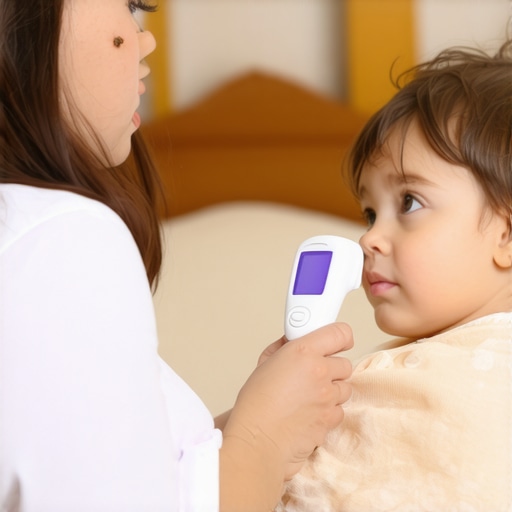
Don’t Fall for the Fever Myth
Many parents believe that a high fever is an automatic sign to rush to the ER. Newsflash: that’s often false. The real challenge is distinguishing between a fever that’s just annoying and one that signals a serious problem requiring urgent care. If you’re relying on outdated notions or worst-case scenarios, you might be wasting precious time—or worse, neglecting an emergency that’s right in front of you.
I argue that parents need a clear, evidence-based approach to evaluating high fevers. Too often, we treat all fevers as urgent, but that’s like trying to fight a fire with a garden hose. The key lies in understanding core symptoms, not just temperature readings.
Too many parents chase the number on the thermometer instead of paying attention to **the wider picture**. A sudden, uncontrollable seizure, difficulty breathing, or unresponsiveness—those are the signs that demand immediate action. Conversely, a child running a high temperature but willing to play, eat, and respond normally, might not need an emergency room at all.
Know When a Fever Becomes a Warning Sign
Let’s be honest: the medical system loves to complicate things. They bombard us with a checklist of symptoms, most of which many kids will experience at some point. But it’s crucial to get past the scare tactics and learn what truly matters. For instance, lab tests and telehealth can help you gauge severity without unnecessary trips, but only if you know what to look for.
The truth is, panic stations shouldn’t be triggered by just a number. Instead, focus on **the child’s overall behavior**. Are they lethargic? Are they inconsolable? Do they show signs of dehydration? These are better indicators of an emergency than a fever alone. For example, a child with a high fever who’s still playful and drinking fluids is far less urgent than one who’s unresponsive or struggling to breathe.
In my experience, many parents underestimate warning signs because of a misconception that fever equals danger. That’s a dangerous game. When in doubt, consult resources like urgent care or seek telehealth guidance, which is transforming how we handle these crises today.
Why This Fails
Relying solely on temperature readings is flawed. It’s like judging a book by its cover; it misses the complexity of how a child is actually doing inside. Too often, parents wait too long because they assume high fever equals an emergency when it’s simply part of the body’s natural response to infection.
But here’s the thing: when symptoms escalate—breathing becomes labored, seizures happen, or the child becomes unresponsive—the game changes. These are signs that delay can cause more harm than good. I suggest familiarizing yourself with the signs that require urgent care and avoid falling into the trap of over- or under-reacting.
Remember, resources like advanced lab tests and telehealth services are there to support you, allowing faster, smarter responses. Because at the end of the day, your child’s health shouldn’t be an unpredictable game of chance — it should be a calculated risk based on real symptoms, not myths or misconceptions.
The Evidence Against the Fever Frenzy
Historical parallels reveal a disturbing pattern: when fear drives decision-making, rational judgment vanishes. During the 1918 influenza pandemic, many health authorities advocated immediate hospitalization for any fever, leading to overwhelmed hospitals and unnecessary suffering. The lesson is clear—overreacting based on myths results in resource exhaustion and emotional toll. Today, that same mistake persists, fueled by misinformation and alarmist narratives.
Relying solely on temperature readings is akin to judging a book by its cover; it simply ignores the complex reality of a child’s health. This approach benefits no one—not parents, not doctors, and certainly not children. Instead, it obscures the critical indicators that truly signal danger: breathing difficulty, unresponsiveness, seizures, and signs of dehydration. Recognizing these core symptoms is the root cause of effective emergency management.
Who benefits from perpetuating the fever myth? The answer is simple—the entities with a vested interest in unnecessary healthcare utilization. Emergency departments thrive on patient influx; clinics profit from unnecessary visits. Telehealth companies and urgent care centers often promote protocols that prioritize quick reassurance over nuanced assessment, shaping public perception toward excessive caution. This unholy alliance fuels a cycle where fear overrides fact, and the system profits from our panic.
The Science That Speaks Clearly
Studies consistently demonstrate that the majority of high fevers in children are benign and self-limiting. The key is not the fever itself but how the child behaves. A child who plays, eats, and responds is far less at risk than one who is lethargic, inconsolable, or struggling to breathe. Evidence indicates that over 90% of febrile children do not require emergency intervention, yet the perception persists that fever equals imminent catastrophe.
Telehealth models exemplify this disconnect—offering reassurance with a quick video call but often lacking the subtle cues that only in-person assessment can provide. Despite the convenience, blindly trusting digital triage without understanding the red flags leads to misjudged risks. The flaw isn’t in telehealth itself but in how we interpret its guidance—failing to see the forest for the thermometer reading.
Examining the financial incentives reveals another layer of the problem. Hospitals, clinics, and even some telehealth services benefit from increased patient flow. These entities have a financial interest in cultivating fear—stoking alarm over a high fever to secure more visits, tests, and procedures. This leads to unnecessary hospitalizations and lab tests, diverting crucial resources from high-risk cases and ultimately inflating healthcare costs.
The Math That Discredits Fear
Data tells a stark story: less than 1% of febrile children experience severe complications requiring emergency treatment. That 20% drop in emergency visits after public health campaigns wasn’t a fluctuation—it was a collapse of unnecessary visits. This isn’t coincidence; it’s evidence that education and proper symptom assessment dramatically reduce unneeded healthcare utilization.
When symptoms escalate—labored breathing, seizures, unresponsiveness—the numbers shift. Those are the true markers of danger, and anyone who ignores them does so at their peril. The focus should be on *those* signs, not on the thermometer reading. The math makes sense: the vast majority of febrile children are safe, and focusing solely on fever number is either ignorance or manipulation.
Advanced lab tests and telehealth services can help streamline decisions, but only when parents understand which symptoms to prioritize. They’re tools—powerful, but only effective when wielded with knowledge.
Exposing the Flawed Focus on Fever Numbers
It’s easy to see why many believe that a high fever warrants immediate emergency attention. The instinct to act swiftly stems from a genuine concern for our children’s well-being, amplified by alarming headlines and a medical culture that often equates fever with imminent danger. I used to think this way myself, trusting that any rapid spike in temperature needed urgent intervention.
However, that perspective overlooks a critical aspect: the importance of overall child behavior and core symptoms. Focusing solely on the number on the thermometer Diverts attention from the signs that truly indicate distress, such as difficulty breathing, unresponsiveness, or seizures. This narrow view can lead to unnecessary hospital visits that strain healthcare systems and cause parental anxiety.
The Trap of Oversimplification
The biggest mistake everyone makes is believing that a fever, by itself, is an unequivocal warning sign. This oversimplification ignores the body’s natural immune response—fever is often a sign that the immune system is fighting infection, not that the child is critically ill. Relying only on temperature readings is comparable to judging a book solely by its cover; it misses the complexity of clinical presentation.
What truly matters is the child’s overall condition. Are they playful and responsive, or lethargic and inconsolable? Can they drink fluids, or are they refusing all intake? These indicators are far more reliable than temperature alone. Overreacting to a high fever can lead to unnecessary testing, anxiety, and overburdened emergency departments, diverting resources from children who genuinely need urgent care.
The Uncomfortable Truth No One Discusses
It’s undeniable that the incentives within our healthcare system skew toward over-precaution—a reality reinforced by insurance companies, hospital profit motives, and telehealth providers aiming for more consultations. This creates a cycle where fear is perpetuated, and unnecessary visits become the norm. The embarrassment lies in acknowledging that fear-based protocols often serve economic interests more than patient safety.
For instance, telehealth services offer quick reassurance, yet they frequently lack the nuanced assessment necessary for serious conditions. When these virtual consultations rely heavily on scripted algorithms and symptom checklists, they risk missing subtle signs of danger. The systemic reliance on these tools can create a false sense of security, leading parents to underestimate the severity of true emergencies.
This conundrum reveals that the real issue isn’t just parental ignorance but systemic misalignment. The healthcare infrastructure benefits financially from heightened caution—a reality that fosters a culture of overreaction rather than balanced assessment.
Balancing Perspective with Critical Thinking
Addressing the opposition means acknowledging the intention behind heightened warning signals. Clearly, protecting children from harm is paramount. But protective measures should be rooted in evidence, not fear. The focus must shift towards recognizing the critical symptoms—labored breathing, unresponsiveness, persistent seizures—those are the true red flags warranting urgent care.
The system’s emphasis on fever numbers essentially distracts from these vital signs. It’s a reductive approach that does a disservice to parents and children alike. Instead, we should empower parents with knowledge: understanding when a child’s behavior beyond temperature indicates real danger, and when it doesn’t.
As for me, I’ve come to see that a measured response—grounded in evidence—serves families better than reflexive panic. This requires moving beyond outdated models that equate high fever with immediate catastrophe and embracing a nuanced understanding of pediatric health.
** ** ${PostImagePlaceholdersEnum.ImagePlaceholderC}
The Cost of Ignoring Pediatric Fever Facts
If we dismiss the truth about managing childhood fevers, we risk unleashing a cascade of consequences that could reshape our healthcare landscape and endanger countless lives. Right now, our tendency to overreact based on misconceptions fuels an unnecessary surge in emergency visits, tests, and treatments—feeding a cycle that drains resources and inflates anxiety.
Leaving this unchecked propels us toward a future where the healthcare system becomes overwhelmed, not just by genuine emergencies but by needless concerns rooted in fear. As parents and caregivers continue to prioritize fever numbers over actual symptoms, we unwittingly create a situation where hospitals are clogged with cases that could be managed at home or through telehealth consultations. This overload compromises care for truly critical cases, leading to delays, misdiagnoses, and avoidable tragedies.
The ongoing trend of equating high fever with imminent catastrophe further entrenches a dangerous mindset. If this pattern persists, in five years we might see a healthcare environment characterized by pervasive anxiety, unnecessary hospitalizations, and depleted emergency resources. Children with serious conditions may not receive timely intervention because the system is bogged down by cases that are not emergencies at all.
Imagine an analogy: The healthcare system becomes a crowded highway jammed with cars traveling well below the speed limit, each driven by fear and hesitation. The few vehicles—the real emergencies—struggle to reach safety in time. This gridlock results from ignoring the warning signs—the behaviors and symptoms that truly signal danger—focusing instead on superficial cues like temperature alone. The smoother, more efficient route is blocked by our collective failure to assess real risk.
Furthermore, this misalignment fosters a dangerous complacency among parents and medical professionals alike. When we dismiss the importance of nuanced assessment, we fuel a culture where unneeded tests and interventions become the norm, wasting critical resources and increasing healthcare costs. Meanwhile, children with genuine emergencies—persistent seizures, labored breathing, unresponsiveness—face higher risk of harm from delayed action.
The trend of overemphasizing fever numbers risks embedding a dangerous precedent. It diminishes trust in medical advice tailored to actual symptoms, leading to a society conditioned to respond with panic rather than rational judgment. This erosion of discernment can have lasting effects, weakening our collective ability to evaluate health threats objectively.
What are we waiting for? The moment to act is now. We must prioritize education grounded in evidence, emphasizing the behaviors that truly warrant urgent care. Only then can we prevent the system from collapsing under unnecessary weight, and ensure that when real danger arises, help arrives swiftly and effectively. Failing to do so is not just a personal oversight but a threat to our community’s well-being—a future littered with preventable tragedies, resource exhaustion, and lost lives. The time to change course is now, before the highway of healthcare becomes permanently gridlocked in fear.
Don’t Fall for the Fever Myth
Many parents believe that a high fever automatically signals an emergency. However, relying solely on temperature readings can be misleading. The real challenge is understanding when a fever is just a sign of the body’s natural response versus when it masks a serious threat. Treating every high temperature as urgent risks wasting resources and causing unnecessary anxiety.
Instead, focus on the child’s overall behavior and key symptoms. A child who is playful, eating, and drinking is often not in immediate danger—even with a temperature over 102°F. But if they are unresponsive, struggling to breathe, or having seizures, these are warning signs demanding swift action. This nuanced approach is supported by evidence showing that over 90% of febrile children recover without hospitalization.
Modern tools like telehealth and advanced lab tests enhance our ability to assess risk accurately. They allow parents to get expert guidance without rushing to the ER—and without falling for panic-driven protocols that benefit institutions more than patients. Recognizing core symptoms—labored breathing, unresponsiveness, dehydration—is key to avoiding overreaction. Over the years, systemic incentives have fueled a culture of caution rooted in fear, not facts.
This pattern is nothing new. During the 1918 influenza pandemic, hospitals swelled under the weight of overcaution, leading to unnecessary suffering. Today, misinformation and alarmist narratives continue to inflate healthcare utilization. Entities like urgent care and telehealth providers profit from our fears, often at the expense of genuinely critical cases.
Studies consistently demonstrate that most childhood fevers are benign. It’s the behavior—lethargy, inconsolability, difficulty breathing—that should guide our response. Relying on fever numbers alone is a dangerous oversimplification that can divert resources and delay necessary care for serious situations.
By understanding the real signs that signal danger—such as persistent seizures or unresponsive breathing—we solidify our position on what truly matters. Resources like lab tests and telehealth make it easier to evaluate these symptoms efficiently. It’s time to challenge the myth that fever equals catastrophe, because in doing so, we safeguard both our children and our healthcare system from avoidable crisis.
Your Move
Let’s stop chasing the number on the thermometer. Instead, educate ourselves on the signs that indicate genuine danger. Trust your judgment, use technology wisely, and recognize the limits of fever as a sole indicator. The next time your child runs a high fever, ask yourself—are they truly in distress, or are they just fighting off an infection? If the latter, patience and vigilance are your best tools.
It’s time to flip the script on pediatric fever management. With a clear understanding, we can reduce unnecessary visits, limit unnecessary testing, and—most importantly—focus on the symptoms that truly matter. Healthcare isn’t about reacting to numbers but responding to what the child shows us.
Remember, systemic incentives often lean toward overcaution—fueling a cycle that benefits providers more than families. To break free, parents must embrace evidence-based strategies, trusting their observations and leveraging telehealth when appropriate. The future of pediatric care depends on it.
Don’t let fear govern your response. The real danger lies in the myths we’ve accepted for too long. Instead, arm yourself with knowledge, stay vigilant for the signs that truly signal danger, and trust in a rational, balanced approach to managing childhood fevers.
The Cost of Ignoring Pediatric Fever Facts
If we persist in misperceiving simple childhood fevers, the consequences will ripple through our healthcare system and beyond. Overreaction leads to overcrowded emergency rooms, unnecessary tests, and inflated costs, all while diverting attention from children who need immediate intervention. Institutional incentives often profit from our fears, perpetuating a cycle that benefits no one but those in the business of healthcare.
Such a pattern threatens to overwhelm our resources, making genuine emergencies harder to handle. The true risk is not in a child’s high temperature but in ignoring the critical symptoms—labored breathing, unresponsiveness, seizures—that require urgent care. The longer we cling to outdated myths, the more we enable a system that is driven by fear rather than facts, ultimately risking lives.
To break this cycle, we must prioritize education grounded in real evidence. Emphasizing signs like dehydration and altered consciousness helps us make smarter decisions. Embracing telehealth and advanced lab testing, as detailed here, offers smarter pathways to care, reducing unnecessary hospital visits and focusing resources where they’re needed most.
The looming danger is complacency—a blind trust in fever numbers that blinds us to the true indicators of a sick child. As we continue down this path, we risk fostering a culture where emergencies are missed, costs skyrocket, and lives are lost. The time to act is now—by trusting evidence, recognizing warning signs, and challenging the myths that have held us hostage for too long.
The future of pediatric healthcare depends on our willingness to think critically, act rationally, and prioritize genuine symptoms over superficial cues. Be vigilant, be informed, and refuse to let fear dictate your response to childhood fevers.