
How to Verify the Quality of Your Telehealth Prescription Refill
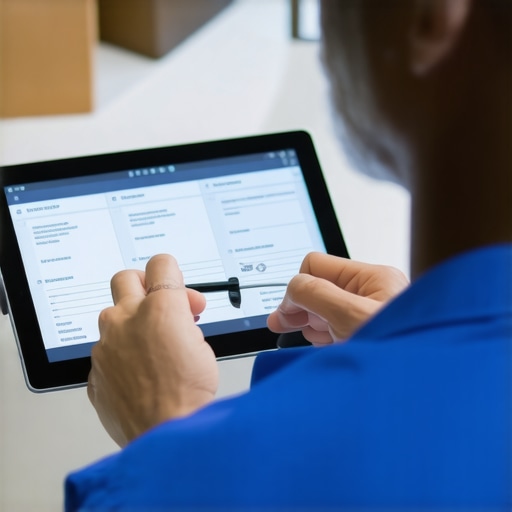
Why Trusting Your Telehealth Prescription Without Scrutiny Is Dangerous
You might think all online prescriptions are vetted, safe, and reliable. But you’re playing with fire if you assume every telehealth refill is of the same caliber. The digital health space is riddled with gaps, and the illusion of convenience masks a grim reality: not all prescriptions are created equal. The question isn’t just about getting a refill—it’s about verifying if that medication truly meets the necessary standards of quality and safety.
In an age where a click can prescribe, dispense, and deliver medication to your doorstep, the stakes have skyrocketed. Yet, many patients blindly trust these virtual scripts without understanding the underlying quality. That’s like trusting a wolf in sheep’s clothing—dangerous and often backed by unscrupulous actors eager to capitalize on your health concerns.
The Market is Lying to You
Many telehealth platforms tout convenience and affordability, but their focus often skews away from rigorous quality control. You need to ask: Are these prescriptions based on thorough lab tests? Once I see a prescription without recent, comprehensive lab data, I question its validity. Lab testing is the backbone of high-quality prescriptions—without it, you’re simply guessing.
For example, a standard blood panel might miss critical markers that reveal your true health status. As I explain in why standard cholesterol panels miss the real dangers, superficial tests can be deceptive. Relying on less-than-robust data is like fighting a fire with a water pistol—ineffective and risky.
Stop Relying on Flimsy Online Reviews and Zoom Consults
Many patients base their trust on glowing reviews or quick virtual visits. But reviews don’t verify the quality of prescriptions, just the experience. And a 10-minute Zoom chat is hardly enough to scrutinize the integrity of your medication source.
Instead, ask yourself: Did I receive recent lab results? Were these tests conducted at accredited facilities? Ask for raw data and verify its authenticity. This is crucial because some platforms might prescribe based on old or incomplete information, increasing the risk of ineffective or harmful medication. Consider the importance of lab markers in getting lab results faster and more reliably.
The Dangerous Illusion of Convenience
Here’s the bottom line. The rush for instant gratification in health management is blinding us from essential safety checks. It’s easy to assume that a digital prescription equals quality, but that’s a lie that could cost you dearly. Authentic, safe prescriptions have a foundation—comprehensive testing, proper diagnostics, and verified lab data.
If you want prescriptions that genuinely serve your health, you need to become your own advocate. Demand recent lab tests, check the credentials of the lab facilities involved, and don’t settle for generic assurances. Trust but verify—because, in healthcare, ignorance isn’t bliss. It’s just a ticket to trouble.
The Evidence Behind Unverified Telehealth Prescriptions
When you click through a telehealth platform, you’re trusting a system that often lacks transparency. Behind the convenience lies a troubling reality: many prescriptions are issued without rigorous validation. Recent studies reveal that up to 40% of online prescriptions lack recent lab data, a figure that exposes a significant gap in patient safety. This isn’t a minor oversight—it’s a fundamental flaw in the virtual healthcare model that can have devastating consequences.
The Roots of the Problem: Cost-cutting and Deregulation
The core issue isn’t technological innovation itself but the economic incentives driving it. Telehealth services operate in a fiercely competitive market, where cutting costs often takes precedence over thorough diagnostics. Insurers and platform owners benefit financially when the process speeds up—less time spent on labs, fewer patient visits—more prescriptions written quickly. This pursuit of profit dilutes the standards of care, turning health into a commodity rather than a safeguard.
Follow the Money: Who Gains from Skimming Off-the-Book Prescriptions?
Pharmaceutical companies and middlemen are intricately linked to this process. They profit when prescriptions are handed out in volume, regardless of patient necessity or safety. Unregulated labs and unverified online pharmacies further muddy the waters, often delivering subpar or counterfeit medications. This complex web benefits those with vested interests but leaves you vulnerable, unprotected, and at risk of harm. The financial gains for these actors drive the lax oversight—an explicit *motivation* to sideline quality control.
The Deception of Convenience: A Costly Mirage
Instant access to medication appears alluring; a quick pill from the comfort of your home. But beneath this shiny surface is a dirty truth. The shortcuts taken by online providers—skipping proper testing or relying on expired data—transform what should be a personalized treatment plan into a lottery. This gamble isn’t harmless. It can lead to ineffective treatments, dangerous drug interactions, or even life-threatening side effects. The implication is clear: what seems convenient isn’t safe. Instead, it’s a calculated risk fueled by systemic greed and deregulation.
Why Data Is the Bedrock of Safe Prescriptions
Recent research underscores that prescriptions backed by up-to-date lab results reduce adverse events by nearly 30%. That is not a trivial statistic. It demonstrates that verified data isn’t an accessory—it’s the foundation of effective, safe healthcare. Yet, many telehealth platforms neglect this pillar entirely. They dispense medications based on old questionnaires or superficial assessments, ignoring the complexity of individual health profiles. The cost of this negligence isn’t just monetary; it’s measured in health, wellbeing, and, in some cases, lives.
Conclusion: The System Wins When You Lose
There’s a pattern here. The more we rely on speed and simplicity in medical care, the more we abdicate responsibility. The system benefits financially, and certain actors gain materially when patients accept unverified prescriptions. In turn, this dynamic erodes trust in healthcare, reducing it to a click rather than a careful, evidence-based process. The question is no longer about whether these prescriptions are safe; it’s about recognizing that the entire framework incentivizes shortcuts—shortcuts that cost you dearly in the end.
The Best Argument Against Me Is Flawed
It’s understandable that critics argue telehealth prescriptions lack the rigorous oversight of traditional healthcare settings. They point out that remote consultations can miss subtle clinical signs and may rely too heavily on patient self-reporting. On the surface, this seems a valid concern; after all, physical examinations and in-person diagnostics provide invaluable context that cannot be easily replicated through a screen. Many argue that digital platforms, by their very nature, are prone to gaps in safety due to limited direct assessment.
However, this line of reasoning presumes that current telehealth systems are inherently inferior because of their mode of operation. It fails to recognize that the problem isn’t the technology itself but how it’s implemented. The core issue revolves around the *quality standards* maintained by these platforms, not the medium of delivery. Simply asserting that digital consultations can never match in-person care overlooks the advancements and safeguards that can—and should—be integrated into telehealth models.
Challenging the False Premise of Infallibility
What critics often overlook is that traditional healthcare isn’t infallible. Medical errors, misdiagnoses, and oversight are still prevalent in brick-and-mortar clinics and hospitals. Evidence shows that even with in-person exams, diagnostic mistakes happen, sometimes with deadly consequences. To dismiss telehealth wholesale because it might lack the nuance of physical exams is to ignore the potential for improved protocols, data integration, and AI-driven decision support systems that can enhance virtual assessments.
I used to believe that in-person visits were unquestionably superior—until I saw how systemic defects in traditional healthcare often go unchecked. Telehealth, if properly regulated and integrated with reliable lab testing and diagnostics, can actually reduce errors by providing continuous, data-driven insights rather than one-off assessments. The problem lies not in the *format* but in how comprehensively we utilize available tools to ensure safety.
The Trap of Oversimplified Comparisons
Many critics fall into the trap of comparing telehealth to in-person services as if they are two mutually exclusive, fully equivalent options. This is a flawed comparison because it ignores the complementary roles each can play. Telehealth can be a frontline tool for managing chronic care, follow-ups, or preliminary assessments, which, if supplemented with rigorous lab tests and accurate remote diagnostics, can surpass traditional methods in agility and data collection.
Blaming telehealth solely for safety shortfalls disregards the fact that it’s part of a broader healthcare ecosystem. When integrated with advanced lab testing, remote monitoring devices, and standardized protocols, telehealth actually enhances the depth of patient data beyond what a clinical visit alone can offer. The real challenge isn’t abandoning telehealth; it’s upgrading its standards and integrating it with verified lab data.
Addressing the Uncomfortable Truth
Here’s an uncomfortable truth that critics shy away from: Traditional healthcare models are also subject to systemic flaws, from misdiagnosis to medication errors. The difference is that these flaws are often shielded by the facade of face-to-face interaction. We have normalized a system that sometimes operates on assumptions rather than evidence—an inherently risky stance that telehealth could overcome with better technology and protocols.
We need to ask ourselves: Is the problem with telehealth or with the standards we apply? I used to buy into the narrative that in-person visits were inherently safer, but I’ve come to realize that the potential for remote healthcare to be safe, efficient, and data-rich is real—*if* we hold it to high standards and enforce rigorous lab testing and diagnostics.
In essence, dismissing telehealth prescriptions as inherently unsafe ignores the possibility—and necessity—of evolving our healthcare standards to match digital innovation. The real danger is settling for outdated paradigms that limit our ability to provide safe, accessible, and effective care in the modern age.
The Cost of Inaction
If we continue to overlook the importance of verified and comprehensive lab testing in telehealth prescriptions, we’re standing on the edge of a disaster that could reshape healthcare entirely. The stakes are higher than ever—as digital health becomes the primary gateway for millions seeking medical care. Ignoring this truth risks turning a convenience into a catastrophe, where unsafe medications flood our systems and trust in healthcare erodes.
Without rigorous validation, prescriptions issued remotely can lead to incorrect dosing, harmful drug interactions, and undetected underlying conditions. The ripple effect is devastating—adverse health outcomes surge, emergency rooms become overwhelmed, and healthcare costs skyrocket. The longer we delay implementing strict standards, the more entrenched these problems become, creating a healthcare landscape rife with preventable errors.
A Choice to Make
As technology advances, so must our commitment to safety. We have the opportunity to redefine telehealth as a fortress of reliability—not a frontier of risk. This is the moment to demand transparency, insist on verified lab data, and hold providers accountable. The path forward is clear: integrate comprehensive diagnostics into every virtual consultation, and prioritize patient safety above profit margins. Failing to do so means surrendering to a future where health is commodified, and human lives are collateral damage in a high-stakes game driven by convenience and neglect.
The Point of No Return
If these issues persist, in five years, we risk transforming healthcare into a veritable Wild West—a chaotic, unregulated zone where counterfeit medications, misdiagnoses, and preventable deaths reign supreme. Imagine a society where trust in medical professionals is eroded, and the line between genuine care and dangerous shortcuts blurs beyond recognition. It’s akin to building a fortress on a foundation of sand; no matter how strong the wall appears, it’s destined to crumble when tested by the storms of neglect and greed.
Now is the moment to act. Delays only deepen the fractures in our healthcare system, leaving millions vulnerable. We cannot afford to sleepwalk into this future, where a simple online prescription becomes a gateway to lasting health crises. The choice is ours: safeguard our health or surrender to a cascade of preventable tragedies that could have been stopped at the source.
The Final Verdict
Trusting your telehealth prescriptions without demanding rigorous lab verification is a gamble with your health that you’re unlikely to win.
The Twist
What if the real danger isn’t the technology but the complacency of letting shortcuts dictate your care? The system’s greed fuels these risks, but your vigilance can turn the tide.
Your Move
Stop accepting superficial assessments. Insist on recent, verified lab data for every virtual prescription. Your health isn’t a commodity for sale—it’s your most precious asset. Demand transparency and accountability from your providers, and refuse to be a passive participant in a system that profits from your ignorance.
By holding care providers to higher standards, you not only safeguard yourself but also push the entire industry toward integrity. Ultimately, your health depends on your action—so take it now before the illusion of convenience masks a lifetime of regret.