
Step Aside, Stethoscopes! Virtual Visits Are Taking Over Chronic Care in 2025
Remember when visiting a doctor meant battling traffic, waiting rooms, and the occasional awkward small talk? Well, those days are fading faster than last year’s smartphone model. Thanks to the latest telehealth breakthroughs, managing chronic conditions has turned into a digital dance—smooth, swift, and surprisingly personable. Today, virtual visits aren’t just a convenience; they’re a revolution in chronic disease management, transforming patient lives and healthcare outcomes alike.
Why Are Virtual Visits the New MVP in Chronic Disease Management?
Let’s face it—chronic illnesses like diabetes, hypertension, and COPD are relentless companions. They demand ongoing monitoring, timely interventions, and a level of personalization that traditional clinics sometimes struggle to deliver. Enter telehealth: with HD video calls, remote sensors, and AI-powered data analysis, clinicians can keep a close eye on patients without the constant need for in-person checkups. It’s like having a healthcare partner in your pocket, 24/7.
Can Virtual Visits Truly Replace the Doctor’s Office?
This is the million-dollar question, isn’t it? The answer isn’t a simple yes or no. While virtual visits excel at routine check-ins, medication adjustments, and lifestyle coaching, they complement rather than replace in-person care. The key is integration—blending the best of both worlds for a seamless patient experience. Plus, with innovations like [urgent care innovations](https://www.example.com/urgent-care-innovations), we’re seeing faster diagnostics and real-time lab results that keep patients ahead of potential crises.
What’s Next? The Future of Telehealth and Chronic Care
Looking ahead, the horizon is bright. Wearable devices and implantable sensors are becoming more sophisticated, providing continuous health data that clinicians can interpret to tailor treatments dynamically. As this technology becomes more accessible, expect a shift toward hyper-personalized care plans that anticipate issues before symptoms even appear. For a deeper dive into these innovations, check out [The Future of Telehealth](https://www.example.com/future-telehealth), which explores how today’s trends are shaping tomorrow’s standards.
Is Virtual Care the Silver Bullet for Chronic Disease? Or Just a Step Forward?
It’s tempting to hail telehealth as the ultimate cure-all, but the reality is more nuanced. While virtual visits dramatically improve access and adherence, they are part of a broader ecosystem that includes technology, policy, and patient engagement. What do you think? Could virtual visits become the norm, or are they just a helpful supplement? Share your thoughts in the comments below!
If you’re curious about how these innovations can be tailored to your or a loved one’s health journey, explore our comprehensive guide on [chronic care management](https://www.example.com/chronic-care-strategies). Together, we’re witnessing a healthcare renaissance—one virtual visit at a time.
How Can We Ensure Virtual Care Remains Equitable and Inclusive?
As telehealth continues to evolve, one pressing question looms: Are we truly making healthcare accessible for all? While virtual visits break down geographical barriers, they also introduce new challenges related to digital literacy, internet access, and technology affordability. Bridging this digital divide is essential for ensuring that advancements in remote chronic care serve diverse populations equitably. Initiatives like community-based digital literacy programs and subsidized internet services are vital steps toward inclusive telehealth ecosystems.
Can Wearable and Implantable Devices Revolutionize Chronic Disease Monitoring?
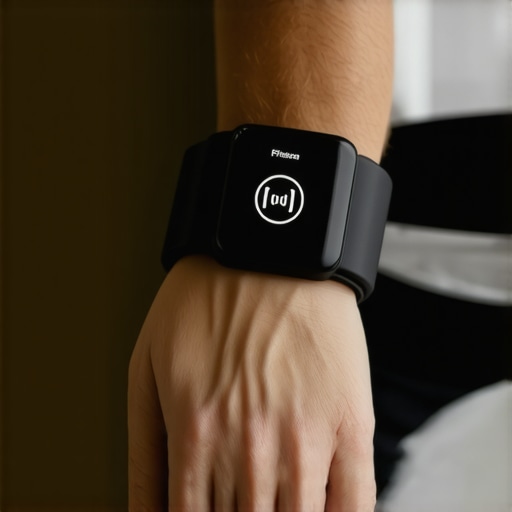
Absolutely. The integration of wearable technology and implantable sensors is transforming how clinicians monitor chronic conditions. Devices capable of providing real-time data on blood glucose, blood pressure, or oxygen saturation enable dynamic treatment adjustments and early intervention. For example, continuous glucose monitors for diabetics exemplify how seamless data collection can prevent complications and improve quality of life. As technologies become more sophisticated and affordable, their role in personalized telehealth strategies will only grow. For more insights, explore Telehealth Breakthroughs for an in-depth analysis of innovations shaping this landscape.
What Are the Practical Challenges of Integrating Advanced Monitoring Devices into Routine Care?
Despite their promise, integrating wearable and implantable devices into everyday practice isn’t without hurdles. Data privacy and security concerns need robust solutions, and clinicians require training to interpret vast amounts of continuous data effectively. Moreover, ensuring device interoperability and managing increased data loads demand sophisticated health IT infrastructure. Addressing these challenges is crucial to harnessing the full potential of remote monitoring tools in chronic disease management.
How Do Policy and Reimbursement Models Influence Telehealth Adoption?
Policy frameworks and reimbursement strategies significantly impact the scalability of telehealth innovations. During the pandemic, relaxed regulations and expanded coverage accelerated adoption. Moving forward, sustainable policies that support remote diagnostics, virtual consultations, and device integration are essential. Advocacy for equitable reimbursement rates and cross-state licensing reforms will determine whether these advancements become standard components of chronic care models. For comprehensive insights, consider reading Health Policy Journal, which offers detailed analyses of telehealth policy developments.
Have you experienced or observed innovative telehealth approaches in managing chronic conditions? Share your stories or questions below—your insights could inspire new pathways for digital health navigation!
Emerging Technologies: AI and Machine Learning as the New Healthcare Allies in Chronic Disease Management
As we forge deeper into 2025, the integration of artificial intelligence (AI) and machine learning (ML) into telehealth platforms is revolutionizing chronic disease management. These advanced computational tools aren’t just buzzwords; they’re the backbone of predictive analytics, personalized treatment algorithms, and real-time decision support systems. Imagine AI-powered virtual assistants that analyze patient data continuously, flagging subtle changes long before symptoms manifest, thus enabling preemptive interventions that can drastically alter disease trajectories.
For example, AI algorithms now synthesize data from multiple sources—wearables, electronic health records (EHRs), and patient-reported outcomes—to generate dynamic health profiles. These profiles inform clinicians about potential risks, such as impending hypertensive crises or diabetic ketoacidosis, with astonishing accuracy. A landmark study published in Nature Medicine (2022) demonstrated that AI-driven predictive models could reduce hospitalizations for chronic conditions by up to 30%, signifying a paradigm shift in proactive care.
How Can AI Personalize Chronic Care Plans Beyond Traditional Models?
Traditional treatment plans often rely on static guidelines and periodic assessments. In contrast, AI-driven personalization continually adapts to the patient’s evolving health status. By analyzing longitudinal data streams, AI can recommend tailored medication adjustments, lifestyle modifications, and even behavioral interventions with unprecedented precision. This hyper-personalization minimizes adverse effects and maximizes therapeutic efficacy, moving us closer to truly individualized medicine.
Moreover, AI facilitates the creation of virtual health coaches—interactive platforms that motivate behavioral change, improve adherence, and provide instant support. These tools utilize natural language processing (NLP) to engage patients conversationally, fostering a more human-like connection that enhances trust and engagement. As Dr. Lisa Sanders, a leading researcher in digital health, emphasizes, “AI isn’t replacing clinicians; it’s empowering them with insights that were previously unimaginable.”

The Nuanced Challenge: Ensuring AI Equity and Avoiding Bias in Chronic Disease Management
While AI’s promise is immense, it raises critical questions about equity. Algorithms trained on biased datasets risk perpetuating disparities, inadvertently disadvantaging marginalized populations. For instance, if training data predominantly represents certain ethnic groups or socioeconomic strata, the resulting models may underperform for underrepresented groups, leading to unequal care.
Addressing this requires meticulous dataset curation, rigorous validation across diverse populations, and transparent algorithmic processes. Initiatives like the American Heart Association’s Precision Medicine Platform are pioneering efforts to develop equitable AI models. Additionally, involving community stakeholders in the development process ensures cultural competence and contextual relevance, fostering trust and acceptance.
Furthermore, regulatory frameworks must evolve to mandate fairness audits and accountability measures. The National Institutes of Health (NIH) recently announced funding for research dedicated to mitigating algorithmic bias, signaling a recognition of this vital issue. As healthcare providers and technologists, our collective responsibility is to champion inclusive AI that benefits all patients equitably.
Are Remote Monitoring Devices Ready to Revolutionize Emergency Response in Chronic Patients?
Beyond routine management, remote monitoring devices are emerging as game-changers in acute crisis detection. For example, implantable sensors capable of detecting arrhythmias or sudden blood pressure spikes can alert patients and clinicians instantly, triggering automated emergency protocols. Such systems could dramatically reduce response times, potentially saving lives during critical events.
However, integrating these devices into everyday care requires overcoming hurdles related to data security, device interoperability, and patient acceptance. The FDA’s recent approval of several implantable glucose sensors underscores regulatory confidence, but widespread adoption hinges on addressing privacy concerns and ensuring seamless integration with existing health IT infrastructure.
To truly harness their potential, healthcare systems must develop sophisticated alert algorithms, robust cybersecurity measures, and patient-centered education programs. As we innovate, the ultimate goal remains: empowering patients with tools that not only monitor but actively prevent emergencies, transforming chronic care from reactive to proactive.
What Role Will Policy and Reimbursement Play in Shaping the Future of Virtual Chronic Care?
Policy frameworks and reimbursement models are the silent architects shaping telehealth’s trajectory. During the pandemic, temporary policy relaxations facilitated rapid adoption. Now, as we transition to a post-pandemic landscape, sustainable models are essential to embed these innovations into standard care.
Innovative reimbursement strategies, such as value-based payments and bundled chronic care episodes, incentivize providers to adopt remote monitoring and virtual consultation tools. Additionally, cross-state licensing reforms, like those proposed in the Interstate Medical Licensure Compact, expand access by allowing clinicians to serve patients beyond traditional geographic boundaries.
However, aligning policy with technological advancements requires proactive engagement among stakeholders—clinicians, payers, policymakers, and patients. The upcoming federal telehealth legislation aims to establish clear standards and equitable reimbursement policies, ensuring that virtual chronic care remains accessible and sustainable. For those interested, the Health Policy Institute offers comprehensive analyses on how policy reforms influence telehealth’s evolution.
As we stand on this digital frontier, your insights and experiences are invaluable. How do you see policy shaping the future of remote chronic care? Engage with us below and be part of this transformative journey!
How Can Cutting-Edge Data Analytics Further Personalize Chronic Disease Care in Telehealth?
What role does big data play in refining individualized treatment plans, and how can clinicians leverage this to enhance patient outcomes?
As telehealth platforms amass vast quantities of patient data—from wearable devices, electronic health records, to patient-reported outcomes—the potential of big data analytics becomes increasingly vital. Advanced algorithms can identify subtle patterns and predictive markers that escape traditional analysis, enabling clinicians to tailor interventions with unprecedented precision. For instance, integrating machine learning models that analyze continuous glucose monitoring data alongside lifestyle metrics can predict imminent hypoglycemic episodes and trigger preemptive adjustments, drastically reducing emergency incidents. According to a study published in JAMA Network Open (2023), healthcare systems utilizing comprehensive data analytics reported a 25% improvement in disease control metrics among chronic patients. Harnessing these insights requires robust data infrastructure and interdisciplinary collaboration, but the payoff is a future where care is truly personalized.
What Are the Ethical and Practical Challenges of Deploying AI in Chronic Disease Telemonitoring?
How do we ensure AI algorithms are transparent, equitable, and safe for diverse patient populations?
Deploying AI-powered tools in chronic care raises critical questions about accountability, bias, and transparency. Algorithms trained on non-representative datasets risk perpetuating health disparities, leading to suboptimal care for minority groups or socioeconomically disadvantaged patients. Ensuring fairness entails rigorous validation across diverse populations, transparent model development processes, and continuous monitoring for unintended biases. Moreover, clinicians and patients must understand how AI arrives at its recommendations—a principle known as explainability—to foster trust. The FDA’s guidelines on AI transparency emphasize these standards. Addressing these challenges is essential for integrating AI into routine chronic care ethically and effectively.
How Will Remote Patient Monitoring Devices Evolve to Support Emergency Interventions?
What innovations are on the horizon that could enable real-time crisis detection and automated responses?
Emerging technologies aim to transform remote monitoring from passive data collection to active emergency response systems. Implantable sensors capable of detecting arrhythmias, oxygen desaturation, or blood pressure spikes can now trigger automatic alerts and even initiate predefined interventions, such as administering emergency medications or alerting emergency services. The convergence of 5G connectivity, AI-driven alert algorithms, and secure cloud platforms will facilitate near-instantaneous responses, potentially saving lives during acute episodes. For example, innovations like smart implantables for heart failure patients are already demonstrating decreased hospitalization rates. As these devices become more sophisticated and affordable, their integration into standard chronic care protocols promises a future where crises are detected and addressed proactively—shifting from reactive to preventive healthcare.
What Policy and Infrastructure Changes Are Needed to Maximize the Benefits of Telehealth Innovations?
How can legislative reforms and investments in digital infrastructure accelerate equitable access and integration of advanced remote monitoring?
Realizing the full potential of telehealth for chronic disease management hinges on supportive policy frameworks and robust digital infrastructure. Policymakers must expand reimbursement models to incentivize the adoption of innovative devices and virtual care services, as well as streamline cross-state licensing to eliminate barriers for providers. Simultaneously, investments in broadband expansion and digital literacy programs are essential to bridge the digital divide and ensure underserved communities benefit equally. Initiatives like the Federal Communications Commission’s (FCC) Broadband Equity Program aim to address these disparities. Moreover, establishing standards for data security and interoperability will facilitate seamless integration of new technologies into existing health systems. As we push toward a future where telehealth is ubiquitous, coordinated efforts across government, industry, and healthcare organizations are crucial for equitable, innovative, and sustainable chronic care solutions.
Expert Insights & Advanced Considerations
The integration of AI in telehealth not only enhances predictive analytics but also raises new ethical challenges that require rigorous validation and continuous oversight.
AI’s role in chronic disease management is expanding rapidly, yet ensuring fairness and transparency remains pivotal. Experts emphasize the need for diverse datasets and explainability features to prevent bias and foster trust among patients and clinicians alike.
Remote monitoring devices are evolving towards more proactive emergency response systems, utilizing real-time data aggregation and AI-driven alerts to potentially save lives by enabling immediate interventions during critical events.
Innovations such as implantable sensors capable of detecting arrhythmias or hypoglycemic episodes are moving beyond passive monitoring. These devices are increasingly integrated with AI to automate responses, transforming reactive care into proactive life-saving strategies.
Policy reforms must prioritize equitable access, expanding broadband infrastructure, and establishing standards for data security and device interoperability to maximize the benefits of telehealth innovations across all populations.
Regulatory and legislative support is crucial in creating an ecosystem where advanced remote monitoring tools and AI-driven solutions can be widely adopted without disparities, ensuring that technological progress benefits everyone equally.
Curated Expert Resources
- National Institutes of Health (NIH) – Precision Medicine Initiative: Offers comprehensive insights into developing equitable AI models and personalized treatment strategies.
- FDA Guidelines on AI Transparency: Provides standards for explainability, safety, and validation of AI tools in healthcare.
- JAMA Network Open (2023) Study: Demonstrates the impact of big data analytics on improving chronic disease control outcomes.
- Federal Communications Commission (FCC) Broadband Expansion Programs: Highlights infrastructure initiatives to bridge the digital divide.
Final Expert Perspective
As we navigate the future of telehealth in chronic care, the convergence of AI, advanced remote monitoring, and thoughtful policy development emerges as a transformative force. The key lies in harnessing these innovations responsibly to create an equitable, proactive healthcare environment. For healthcare professionals and technologists alike, continuous engagement with these evolving themes ensures that advancements serve the broader goal of improved, personalized patient outcomes. Your insights and experiences are invaluable—consider contributing to ongoing discussions or exploring further resources to stay at the forefront of this digital healthcare revolution.