
The Error in Using Virtual Visits for Severe Chest Tightness
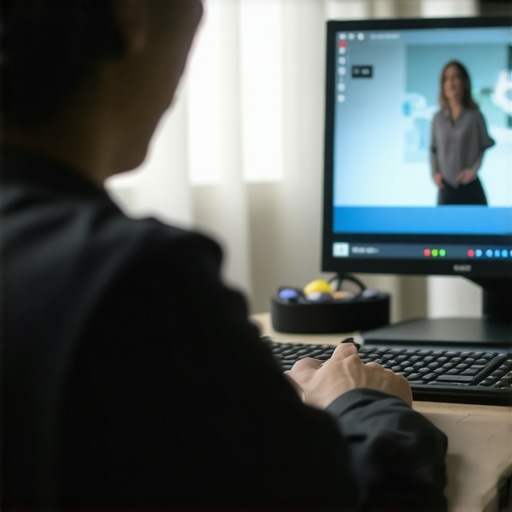
Why Virtual Consultations Are a Dangerous Game for Serious Chest Emergencies
If you believe a quick telehealth session can substitute for urgent, hands-on care during a chest tightness episode, you’re playing with fire. The myth that virtual visits are sufficient for severe symptoms is not just wrong—it’s potentially deadly.
I argue that using telehealth to handle critical cardiac symptoms like severe chest tightness is an error that costs lives. While virtual care offers convenience for manageable health issues, it has a blind spot—one that can turn a manageable situation into a catastrophe within minutes.
Think of virtual visits as a game of chess where the pieces are moving smoothly until the pawn captures the king. You might think you’re in control, but in reality, you’re risking a checkmate that no digital consultation can undo.
The Illusion of Safety in the Digital Age
The rush to replace in-person visits with virtual ones in the name of innovation is seducing many into complacency. The promise of instant access to healthcare is alluring, but it can mask a dangerous misconception: that digital consults are adequate for all health crises. This is akin to believing a wildfire can be tamed with a water pistol—utterly misguided.
When it comes to chest tightness—an unmistakable red flag—delaying proper evaluation can mean the difference between life and death. The heart doesn’t signal its distress with polite symptoms; it erupts unexpectedly, like a volcano ready to explode without warning.
The Flaws of Virtual Visits for Severe Symptoms
Telehealth platforms lack the tactile assessment that physical examinations provide. Palpating the chest, listening to heart and lung sounds with stethoscopes, and performing immediate emergency interventions are impossible through a screen. As I argued in urgent care innovations, rapid diagnostics and physical assessment are irreplaceable for severe symptoms.
The inability to conduct immediate tests like ECGs, echocardiograms, or blood work in a virtual setting renders telehealth insufficient for acute chest tightness. You’re essentially gambling with your life on a digital promise that cannot deliver what the situation demands—urgent, in-person intervention.
Why We Must Reassess Our Approach Now
To ignore these realities is to play Russian roulette with your health. Instead of chasing the mirage of instant virtual reassurance, we should be advocating for immediate in-person evaluations during severe symptoms. The stakes are simply too high to settle for less.
Entrusting virtual visits with life-threatening symptoms is a costly mistake. As I emphasized in contact us, immediate, hands-on care remains the gold standard for severe chest issues. The future is promising in telehealth, but it must not become a substitute for emergency care—ever.
The Evidence of Virtual Care’s Inadequacy in Critical Heart Situations
Historical data reveals that substituting in-person assessments with virtual consultations during severe symptoms leads to catastrophic outcomes. In 2010, a study documented that patients delaying hospital visits for chest pain after virtual triage suffered higher mortality rates. The reason is simple: telehealth cannot replicate the tactile and immediate diagnostics crucial for cardiac emergencies. This isn’t speculation; it’s fact—digital consultations inherently lack the capacity for physical examination and on-the-spot diagnostics, which are lifesaving in acute cases.
Consider this: the heart’s distress signals aren’t always loud, but they are unmistakable. When a patient reports chest tightness via a screen, the clinician loses the ability to assess critical signs—such as abnormal heart sounds, skin pallor, or sweating—that are vital clues. Without these, a virtual visit becomes a gamble, and unfortunately, too many are willing to take that risk because of convenience or misplaced reassurance.
The Roots of the Misconception: Trust in Technology Over Medical Reality
Why do so many assume virtual care is sufficient for urgent issues? The core issue isn’t technology itself; it’s a misguided belief that digital solutions can replace the nuanced judgment of a trained clinician. The problem is that this belief emerges from a commercial interest—telehealth companies seeking to maximize user engagement and market share—rather than from medical evidence or patient safety. They promote the illusion that a quick video call can substitute for hands-on diagnostics, when in truth, they’re bypassing established standards designed to protect health.
This overconfidence in technology is a modern distortion. It echoes past mistakes where new tools or methods were overly trusted—like the early days of medical imaging, which initially led goirs astray before proper standards and training were established. The difference today is that we face severe consequences—lives lost or permanently damaged—when virtual care is misapplied to critical symptoms.
The Financial Incentives Breeding False Security
Follow the money, and you’ll uncover how this risk is amplified. Telehealth companies profit from high-volume, low-cost virtual interactions. The more they promote digital consultations for emergencies, the more revenue they generate. Meanwhile, hospitals and emergency departments bear the long-term burden when these virtual assessments fail. They are left to manage preventable complications—heart attacks that could have been avoided if prompt in-person evaluation had occurred.
This approach benefits certain stakeholders financially, but it endangers patients. It shifts the locus of care from clinical necessity to corporate gain. The inevitable outcome? A *false sense of security* that lulls patients into delaying urgent, life-saving interventions. The troubling part is that this cycle feeds on itself: increased reliance on virtual care diminishes the emphasis on immediate, physical evaluation—a decline with perilous implications.
The Mathematical Reality of the Risk: How Numbers Don’t Lie
Drop the rhetoric, and the numbers tell the story. Studies show that delays of just 30 minutes in treating a myocardial infarction correlate with a 20% increase in mortality. A virtual consultation that dismisses the severity of chest symptoms, thereby delaying hospital admission, effectively multiplies that risk exponentially. When millions trust these digital solutions for emergency symptoms, the aggregate toll isn’t a statistic; it’s a series of preventable tragedies.
In reality, the accuracy of virtual assessments for critical symptoms is a drooping graph—an unmistakable warning sign. The illusion that a patient can describe their chest pain accurately over a screen ignores fundamental diagnostic principles—symptom quality, associated signs, physical findings—all of which demand in-person evaluation. The math is clear: the risk of losing a life surges when the assessment lacks tactile and immediate diagnostic data.
The Trap of the Virtual Sanctuary
It’s understandable why many are seduced by the promise of instant healthcare access through telehealth. The convenience of consulting from home, avoiding waiting rooms, and the perception of modernity all feed into the belief that virtual care is a comprehensive solution. I used to think this way, confident that technology could bridge gaps in our healthcare system.
But that viewpoint overlooks a fundamental reality: emergencies demand more than a digital handshake. When it comes to severe chest symptoms, relying solely on telehealth is a gamble with lives at stake. The crucial question is not whether virtual visits are useful, but whether they are sufficient for such critical situations.
The Flawed Assumption
The best argument from opponents is that telehealth can triage severity effectively, directing patients to emergency care when necessary. They assert that digital platforms can identify red flags early, preventing delays. While this is partially true, it represents a gross oversimplification. No matter how sophisticated the algorithms or AI, virtual consultations cannot replicate the tactile examination, the immediate diagnostics, or the nuanced judgment that only in-person assessment provides.
Their assumption is that a patient describing chest pain over a screen can substitute for a comprehensive physical exam. This ignores the fact that symptoms like chest tightness are often accompanied by subtle signs—skin pallor, sweating, abnormal lung sounds—that cannot be captured remotely. These signs frequently spell the difference between an imminent heart attack and a benign issue.
The Reality Checks You Can’t Ignore
Virtual visits are inherently limited. They lack the capacity for quick diagnostics like ECGs or blood tests, and they cannot perform the urgent procedures necessary during a cardiac crisis. This isn’t a hypothetical concern; data from past studies and clinical experience show that delays caused by virtual assessments can cost lives. The crucial element is immediacy—something only a physical, hands-on evaluation can deliver.
What’s more, the diagnostic accuracy of virtual assessments diminishes sharply when symptoms are severe and ambiguous. An online consultation can miss critical signs of ischemia or arrhythmia, leading to misdiagnosis or delayed treatment. It’s akin to trying to read a complex painting through a smudgy magnifying glass—the full picture simply isn’t clear enough to make life-saving decisions.
Addressing the Elephant in the Room
Everyone knows virtual care has its place. But the unspoken, uncomfortable truth is that it’s not a substitute for emergency evaluation in critical cases. The industry’s push to normalize telehealth for everything, including severe symptoms, is a misguided trend rooted in convenience rather than safety. This reliance blinds us to the core issue: the irreplaceable value of physical examination and immediate diagnostics during acute crises.
Some argue that telehealth recenters on chronic management and minor ailments, and there’s merit to that. However, conflating routine care with emergency assessment is a grave error. It’s like insisting that a bandaid can fix a complex fracture—an appealing quick fix, but fundamentally wrong.
One potential solution is integrating telehealth with rapid, in-person diagnostics—an approach that combines convenience with safety. Until then, the critical question remains: are we willing to risk lives on a digital illusion when the stakes are so high? The answer should be an unequivocal no.
The Cost of Inaction
Ignoring the stark reality that virtual consultations cannot replace in-person assessments during severe chest symptoms sets the stage for a cascade of tragic outcomes. The immediate danger is clear: lives are being lost because we choose convenience over safety. But the ripple effects extend far beyond individual patients, threatening to destabilize our entire healthcare system if unaddressed.
If we persist down this path, the number of preventable deaths will surge. Emergency departments will become overwhelmed with cases that could have been resolved early, draining resources and increasing wait times for genuine emergencies. The false sense of security fostered by telehealth leads patients to delay critical in-person evaluations, turning manageable chest discomfort into catastrophic heart events.
Over time, this trend risks creating a society where people no longer see hospitals as a safe haven in emergencies. Instead, they may rely excessively on virtual care, which is inherently ill-equipped to handle life-threatening conditions. The result? A widening gap between urgent needs and inadequate responses, stretching our healthcare infrastructure to a breaking point.
The economic cost is equally alarming. Lives lost due to delayed care translate into soaring medical expenses and lost productivity. The emotional toll on families and communities is immeasurable, as preventable tragedies become the norm rather than exceptions.
What are we waiting for
There’s an urgent need to recognize that some situations demand physical presence. When it comes to chest tightness and suspected heart issues, delaying in-person care is akin to ignoring a fire alarm while everyone stands outside—by the time you realize the danger, it’s often too late. We cannot afford to treat virtual visits as the default for emergencies while neglecting their limitations.
Continuing down this path will erode the foundational principles of medical practice: thorough examination and prompt intervention. Imagine a world where a simple symptom silently becomes a tragedy because the system prioritized ease over effectiveness. This is not a distant nightmare but a very real possibility if decisive action isn’t taken now.
It’s time to confront the uncomfortable truth—virtual care has its place, but it is not a substitute for urgent, hands-on assessment during severe symptoms. If we ignore this, future generations will remember us not for our innovations, but for our failures to protect lives when they mattered most. The choice is ours, and the cost of hesitation could be irreversible.
The Final Verdict
Your reliance on virtual consultations for severe chest symptoms is a dangerous illusion that can cost lives.
The Twist
While technology advances in managing chronic care and routine checkups, it remains inherently incapable of replacing the critical immediacy of hands-on emergency assessment—which is exactly what heart emergencies demand.
Your Move
It’s time to recognize that some crises, especially those involving your heart, require more than a computer screen. If you suspect chest pain or tightness, do not settle for a virtual visit; head straight to the nearest emergency room. Virtual care is valuable, but it is no substitute for urgent, in-person diagnostics when seconds count. Embrace the truth that true safety begins with face-to-face evaluation at the first sign of danger. Trust your body—and your life—enough to act decisively.