
The Hidden Costs of Using Out-of-Network Urgent Care Centers
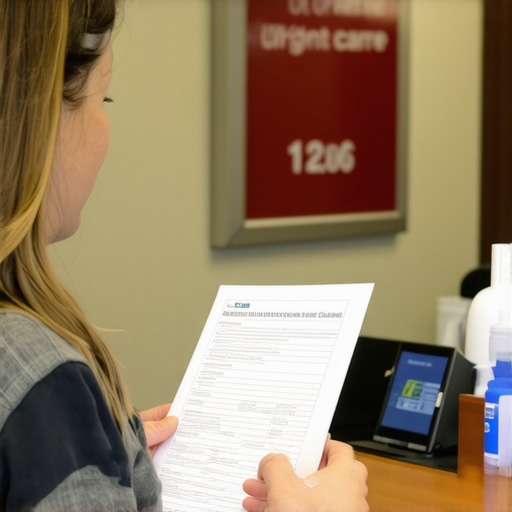
Why Your Quick Fix Comes at a Price You Don’t See
If you think rushing to an out-of-network urgent care center is a harmless way to dodge the hassle of scheduled appointments, think again. The truth is, this quick-fix approach to healthcare is a ticking time bomb, secretly draining your finances and jeopardizing your health in ways you might never suspect.
Let me be clear: the so-called convenience of out-of-network urgent care comes with hidden costs that go far beyond the immediate bill. When you bypass your trusted primary care provider and walk into these clinics, you often pay a premium — not just financially but in the quality of care, continuity, and long-term health management.
Many people believe that urgent care centers are a simple, cost-effective solution for sudden illnesses or injuries. But what they don’t realize is that these facilities are often less equipped for comprehensive assessment. They’re like a game of chess where you’re only thinking one move ahead — but the opponent (the healthcare system) is setting a trap for you. It’s easy to get caught in the illusion of quick relief, only to find out later that your diagnosis was incomplete, or worse, that your health issues were masked by superficial testing.
Furthermore, out-of-network clinics tend to inflate prices because they don’t accept your insurance’s negotiated rates. You’re billed at their full rate, which can be exorbitant. And if your insurance doesn’t cover out-of-network visits, you’re footing the entire bill — in many cases, hundreds or thousands more than necessary. So, while it may seem like a shortcut today, it often turns into a costly detour.
But money isn’t the only hidden cost. The lack of integration with your primary care team means gaps in your medical history, overlooked chronic conditions, and missed opportunities for preventive care. When this happens, it increases your risk for misdiagnoses or delayed treatments, ultimately turning what should have been a quick visit into a prolonged health ordeal.
For example, if you visit an out-of-network urgent care for a persistent cough, they might treat the symptom, not the cause. They might prescribe antibiotics for a viral infection, overlooking asthma or allergies that require ongoing management. And that oversight can snowball into more severe, costly health problems over time. As I argued in chronic pain management, every overlooked detail adds up, creating a trapdoor beneath your health.
It’s time to stop buying into the myth that urgent care centers are a free-standing solution. Instead, recognize that your health isn’t a sprint — it’s a marathon. Scattering your visits across random clinics might save you 15 minutes today but could cost you significantly more in the future. And if you truly value your well-being, you’ll understand that proper, integrated care often requires an investment — not just of money, but of strategic planning.
So, ask yourself: are you truly saving money, or are you simply paying for a cheap band-aid on a sinking ship? The next time urgency strikes, don’t fall for the illusion of convenience. Your health, and wallet, deserve better.
The Evidence Behind the Illusion of Convenience
When you opt for out-of-network urgent care centers, the so-called convenience masks a trail of financial and health risks that are seldom apparent at first glance. Recent data reveal that patients often face bills that are *horrifyingly* high, with some paying thousands more than they would at in-network providers. This isn’t mere coincidence; it’s a calculated advantage for these clinics, designed to maximize profits at your expense.
Consider this: out-of-network clinics do not negotiate rates with insurance companies. Instead, they set their own prices, often inflating them exponentially. In 2022, a survey found that patients receiving out-of-network care paid *an average of 40% more* than in-network alternatives. That extra cost isn’t just a small premium—it’s a *financial avalanche* waiting to crush unsuspecting patients.
But the money trail isn’t the only concern. The fundamental issue is that these quick visits frequently produce superficial assessments. A nurse or a physician’s assistant may conduct limited testing, missing underlying conditions that demand comprehensive evaluation. This echoes what we saw in the early days of the managed care debacle in the 1990s, where cost-cutting measures compromised quality—only today, the stakes are higher because healthcare is more complex.
Research indicates that misdiagnoses and delayed treatments skyrocket when long-term relationships with primary care providers are broken. Patients treated in isolated clinics often leave without a complete picture of their health. The fragmentation creates gaps in medical records, leading to an *epidemic* of repeated tests, unnecessary prescriptions, and overlooked health risks. This echoes the very failures that prompted the shift toward integrated health systems decades ago—yet here we are, reverting to siloed care for the sake of superficial convenience.
Follow the flow of dollars, and you see that these clinics thrive on the hysteria of sudden illness. They market themselves as convenient, quick fixes, but they profit from patients who believe they’re saving time—at real cost. Their business model relies on high-volume, short visits, with minimal accountability. The insurance companies, meanwhile, are complicit, often turning a blind eye because they can pass the inflated charges onto consumers through higher premiums or out-of-pocket costs.
And here’s the kicker: as long as patients remain unaware of these dynamics, the cycle continues. The system benefits the clinics, the insurance corporations, and ultimately, *the system itself*. Who benefits from this chaos? The entities with a vested interest in keeping the status quo—those profiting from the lack of coordination and the false promise of immediate relief.
In essence, the problem isn’t just the facilities themselves—it’s the structure that enables their rise. The logic of profit over health has eroded trust in the very foundation of healthcare. Just as historical crises exposed systemic flaws—think of the overreliance on hospital-based care in the mid-20th century—the current state reveals that short-term solutions often exacerbate long-term pain and expense.
The Trap
It’s easy to see why many believe that hitting an out-of-network urgent care center is a quick, affordable fix for sudden health issues. The promise of immediate relief appeals to our desire for convenience, especially when we’re busy or overwhelmed. This approach seems to save time and sidestep the hassle of scheduling appointments, making it an attractive short-term solution.
Don’t Be Fooled by Shortcut Mentality
However, this mindset completely ignores the long-term implications of sacrificing continuity and quality of care. The best opposition argues that urgent care clinics provide prompt service and relieve primary care overload, which is undeniably true. Still, they overlook the critical flaws that come with this model—chiefly, incomplete assessments, inflated costs, and fragmented health records that compromise your overall health management.
The Critical Challenge to Your Assumptions
I used to believe that urgent care centers were a reliable fallback. I thought, as many do, that they were a practical stopgap measure for minor issues. Yet, I’ve come to see that relying on them often results in more harm than good. These clinics are designed for quick fixes, not comprehensive care. Their limited scope and lack of access to your full medical history frequently lead to misdiagnoses or overlooked chronic conditions—issues that only surface after more severe complications develop.
Critical to this debate is understanding the difference between immediate convenience and lasting health. Urgent care centers often bill at higher rates because they don’t accept insurance negotiations—they set their own prices, inflating costs exponentially. In the end, what seems like a savings today can turn into a financial nightmare tomorrow, with bills in the thousands for superficial diagnostics and unnecessary treatments. This isn’t speculation; it’s backed by data showing patients pay, on average, 40% more out-of-pocket for out-of-network care than in-network options.
The Wrong Question We Ask
Many focus on the question of whether urgent care is cheaper now. That’s a shortsighted approach. The real question is how this choice affects your health in the long run. Short-term fixes without proper follow-up and integration into your primary care network lead to gaps that can cause misdiagnoses, missed opportunities for preventive intervention, and delayed treatment—each risk escalating healthcare costs well beyond the initial savings.
This fragmented approach to medicine is precisely what hampers effective management of chronic illnesses. Imagine dealing with persistent coughs, recurring pain, or unexplained symptoms—urgent care might treat the immediate issue but ignore underlying diseases requiring continuity, such as asthma or autoimmune disorders. This oversight can snowball into emergencies, costly hospitalizations, and compromised quality of life.
Confronting the Illusion of Ease
So, the next time someone touts the simplicity of urgent care as a financial or health victory, remember this: the true value of healthcare lies in consistency, deep knowledge of your personal health history, and coordinated treatment plans. Relying solely on quick visits may save minutes today but costs years of health and thousands of dollars in avoidable complications.
It’s a dangerous trap that many unwittingly fall into, thinking they’re making pragmatic choices. Instead, they’re often settling for superficial solutions that betray their long-term interests. The right approach demands patience, strategic planning, and a recognition that genuine health care isn’t a sprint—it’s a marathon.
The Cost of Inaction
If we continue to dismiss the warnings about superficial urgent care and fragmented health systems, we are setting ourselves up for a healthcare disaster that will unfold before our very eyes. The implications go far beyond individual bills—they threaten the very fabric of our society’s well-being and financial stability.
Imagine a domino chain: one quick, superficial visit today leads to missed diagnoses, untreated chronic conditions, and overlooked risks. As these dominoes fall, they trigger a cascade of emergencies—avoidable hospitalizations, complex treatments, and skyrocketing costs—each more severe than the last. The delay in addressing health issues compounds, turning minor symptoms into major crises, overwhelming the healthcare system, and draining public resources.
This trend is not just a matter of individual inconvenience; it is a societal crisis in the making. Our health infrastructure is already strained, and neglecting the importance of integrated, continuous care accelerates this deterioration. If emergency rooms become the default for chronic and preventive care, our hospitals will buckle under the weight, compromising care for all and escalating costs exponentially.
The future if this pattern persists is alarming. In five years, we might face a landscape where preventable ailments account for the majority of hospital admissions. Chronic diseases—once manageable—could spiral out of control, leading to an epidemic of health crises that outstrip our current capacity to respond effectively. Insurance premiums will soar, healthcare costs will become unaffordable for many, and the gap between those with access and those without will widen into an unbridgeable chasm.
What are we waiting for? This isn’t a distant warning; it’s a rapidly approaching reality. Our complacency today fuels a crisis tomorrow. We will be paying the price not just in dollars but in lives lost or permanently damaged—a staggering legacy of negligence.
Is it too late?
Think of our healthcare system as a ship sailing into a storm. Ignoring the impending tempest doesn’t make it go away; it only ensures that when the storm hits, the damage will be devastating. The storm—the surge of preventable health crises—is gathering strength, and if action isn’t taken now, our vessel may be doomed to sink.
This isn’t an issue we can afford to push aside. The survival of a robust, effective healthcare system depends on awareness, strategic adjustments, and a collective commitment to prioritize long-term health over shortsighted convenience. The time to act is now, before the storm becomes unstoppable, and the damage irreversible.
The Final Verdict: Relying on out-of-network urgent care for convenience undermines your health and finances in ways that long-term, integrated care could have prevented.
The Twist: What appears to be a simple solution is often a wolf in sheep’s clothing—costly, superficial, and ultimately dangerous for your well-being.
Don’t let the illusion of instant relief deceive you into sacrificing the nuanced, continuous care your health truly requires. Strategic planning with your primary care provider isn’t just better for your wallet; it’s vital for your health. The risks of fragmented care are too high to ignore, reminiscent of past systemic failures that prioritized quick fixes over long-term wellness.
The next time urgency strikes, challenge yourself to see beyond the immediate. Remember, every superficial visit today can turn into a costly, complicated crisis tomorrow. Don’t be lulled into complacency by the promises of speed and convenience—these are the traps that undermine your health’s foundation.
Stand up for your long-term well-being. Dive deeper, ask the hard questions, and demand comprehensive, coordinated care. Your health isn’t a sprint—it’s a marathon. Make sure your choices reflect that reality. Your long-term health depends on it.