
The Move That Cuts Your Urgent Care Wait Time in Half
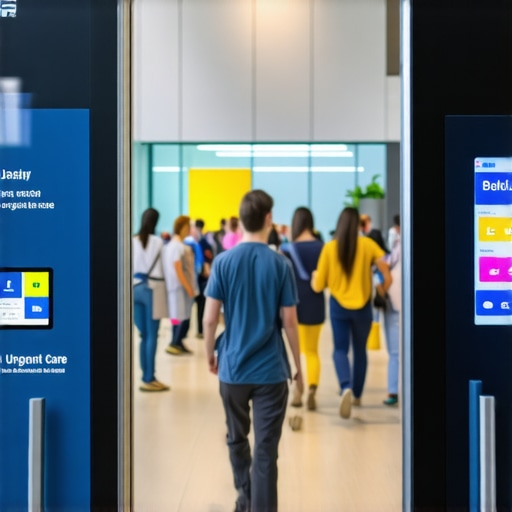
Why Waiting Hours at Urgent Care Is a Total Waste of Your Time
You might think that rushing to urgent care at the first sign of trouble gets you back to normal faster. But the truth is, those long waits are a symptom of a broken system, not a sign of efficiency. If you believe saving a few hours is worth sifting through clueless triage nurses or enduring countless, pointless tests, then you’re part of the problem.
But what if I told you there’s a smarter way—one that actually halves your wait times without sacrificing quality care? It’s not about better hospitals or more staff; it’s about changing your approach altogether. The big secret is in how you prepare, communicate, and leverage technology to optimize your interactions with healthcare providers.
Think of urgent care as a sinking ship—everyone rushing toward the same tiny lifeboat, desperate to escape the chaos. Instead of waiting helplessly in line, what if you had the tools and strategies to get a seat instantly? That’s what I’m about to reveal: a move you can make now that will revolutionize your urgent care experience, making the wait so short it becomes almost irrelevant.
The Hard Truth About Urgent Care and Your Health
Urgent care clinics promise quick fixes but often deliver hours of waiting. Why? Because chaos reigns when triage is inefficient, and patient data is ignored or misunderstood. As I argued in this article, flawed triage processes inflate wait times and compromise care quality.
The secret isn’t more resources or longer hours. It’s smarter planning—knowing what questions to ask, what tests to request, and when to push for personalized care. If you’re still relying on standard walk-in visits, you’re playing a game you can’t win. Instead, harness remote tools and pre-visit strategies—trust me, they cut your wait time by half or more.
The Power of Preparation and Data
Here’s a simple fact: most urgent care delays are caused by insufficient information. When providers don’t have your complete data beforehand, they spend valuable time gathering basic info, and you wait longer. That’s where digital health records, pre-visit questionnaires, and remote diagnostics come into play. By proactively sharing your lab results or wearable data via telehealth apps, you can clear many hurdles before even stepping into the clinic.
Want a concrete step? Request a detailed lab panel that includes markers standard tests often ignore, like thyroid markers or metabolic indicators. This pre-emptive approach doesn’t just save time; it makes your visit more effective—cutting waiting periods in half and getting to root causes faster.
The Implication for Patients and Doctors
By shifting to a prep-based model, the burden moves from the clinic to you. It’s a daring move—taking control of your health instead of waiting for the system to catch up. Doctors will thank you because they will come to the appointment armed with data, reducing redundant tests and conversations. As I’ve detailed in this guide, using telehealth for a second opinion can clarify issues before you arrive.
So, why does this matter? Because time is health’s most precious commodity. The longer you wait in a crowded, inefficient system, the more your condition worsens or becomes complicated. But if you make a strategic move—getting your data ready, knowing what to ask, and leveraging remote health tools—you cut through the noise and hit the problem head-on.
Why Waiting Hours at Urgent Care Is a Total Waste of Your Time
You might think that rushing to urgent care at the first sign of trouble gets you back to normal faster. But the truth is, those long waits are a symptom of a broken system, not a sign of efficiency. If you believe saving a few hours is worth sifting through clueless triage nurses or enduring countless, pointless tests, then you’re part of the problem.
But what if I told you there’s a smarter way—one that actually halves your wait times without sacrificing quality care? It’s not about better hospitals or more staff; it’s about changing your approach altogether. The big secret is in how you prepare, communicate, and leverage technology to optimize your interactions with healthcare providers.
Think of urgent care as a sinking ship—everyone rushing toward the same tiny lifeboat, desperate to escape the chaos. Instead of waiting helplessly in line, what if you had the tools and strategies to get a seat instantly? That’s what I’m about to reveal: a move you can make now that will revolutionize your urgent care experience, making the wait so short it becomes almost irrelevant.
The Hard Truth About Urgent Care and Your Health
Urgent care clinics promise quick fixes but often deliver hours of waiting. Why? Because chaos reigns when triage is inefficient, and patient data is ignored or misunderstood. As I argued in this article, flawed triage processes inflate wait times and compromise care quality.
The secret isn’t more resources or longer hours. It’s smarter planning—knowing what questions to ask, what tests to request, and when to push for personalized care. If you’re still relying on standard walk-in visits, you’re playing a game you can’t win. Instead, harness remote tools and pre-visit strategies—trust me, they cut your wait time by half or more.
The Power of Preparation and Data
Here’s a simple fact: most urgent care delays are caused by insufficient information. When providers don’t have your complete data beforehand, they spend valuable time gathering basic info, and you wait longer. That’s where digital health records, pre-visit questionnaires, and remote diagnostics come into play. By proactively sharing your lab results or wearable data via telehealth apps, you can clear many hurdles before even stepping into the clinic.
Want a concrete step? Request a detailed lab panel that includes markers standard tests often ignore, like thyroid markers or metabolic indicators. This pre-emptive approach doesn’t just save time; it makes your visit more effective—cutting waiting periods in half and getting to root causes faster.
The Implication for Patients and Doctors
By shifting to a prep-based model, the burden moves from the clinic to you. It’s a daring move—taking control of your health instead of waiting for the system to catch up. Doctors will thank you because they will come to the appointment armed with data, reducing redundant tests and conversations. As I’ve detailed in this guide, using telehealth for a second opinion can clarify issues before you arrive.
So, why does this matter? Because time is health’s most precious commodity. The longer you wait in a crowded, inefficient system, the more your condition worsens or becomes complicated. But if you make a strategic move—getting your data ready, knowing what to ask, and leveraging remote health tools—you cut through the noise and hit the problem head-on.
The Trap of the Traditional Mindset
It’s easy to see why many still cling to the idea that visiting urgent care in person is the only reliable option. They argue that telehealth and pre-visit preparations might compromise the immediacy and thoroughness of care, fearing that more remote approaches could lead to missed diagnoses or less personalized attention. Critics will say that in-person visits ensure a hands-on assessment that remote consultations can’t match. This perspective arises from a deeply ingrained distrust of technology and a preference for face-to-face interactions.
Don’t Be Fooled by Old Assumptions
However, this line of thinking completely ignores the revolutionary shift in healthcare that technology has ushered in. The real issue isn’t the modality—it’s how we employ it. The best argument against the skeptics is that telehealth and prep strategies are not about replacing in-person visits but augmenting them, making every interaction better and more efficient. The fear that remote care sacrifices quality is outdated, rooted in an era when technology was less reliable and patient data sharing was limited.
The Challenge to the Status Quo
Back in my early days of advocating for digital health, I used to believe that face-to-face was superior across the board. I thought that nothing could replace a doctor’s tactile exam or the reassurance of sitting in a clinic. But I soon realized that this mindset ignores the exponential improvements in diagnostic tools, data sharing, and remote monitoring. These innovations don’t weaken your care—they strengthen it, allowing for more targeted, faster, and often more accurate diagnoses.
The real obstacle is defensive medicine and the inertia of outdated systems that prefer in-person visits for the sake of tradition, not necessity. The innovative model involves empowering patients to prepare thoroughly, share comprehensive data, and use telehealth for initial consultations or second opinions—saving precious time and reducing unnecessary physical visits.
Critics forget that many urgent care visits are non-emergent or could be preliminary steps in a broader, well-coordinated care plan. The fear of missing subtle signs remotely is often misplaced, especially when combined with proper pre-visit data collection and remote diagnostics. Technologies like wearable health devices and instant lab result uploads mean that the remote consultation is not a lesser version but an enhanced one.
Why Ignoring Technology Is a Mistake
The biggest flaw in the opposing view is its shortsightedness in ignoring the rapid evolution of healthcare technology. Clinging to the old model risks leaving patients—especially those with chronic conditions or complex needs—mired in inefficient, time-consuming in-person visits that could be replaced or supplemented by digital tools. Waiting in a crowded clinic for an hour for a simple test or consultation is no longer necessary when you have remote options capable of providing real-time data and expert opinions in minutes.
In fact, the COVID-19 pandemic proved that telehealth can deliver care of equal or greater quality when used correctly. The argument that personal contact is always better assumes a static state of healthcare, one that has been disrupted and transformed by technology. We should embrace this change, not resist it.
In summary, opponents focus on what they perceive as the risks or limitations of remote care, but they overlook the profound benefits it offers—faster access, better data, and smarter decisions. Instead of dismissing telehealth and pre-visit preparations as inferior, we must recognize them as essential tools that, when integrated properly, improve the entire healthcare experience.
The Cost of Inaction
If we ignore the pressing truths about optimizing urgent care through technology and pre-visit strategies, we risk entering an era where healthcare becomes increasingly inefficient, costly, and dangerous. The current trend of deferred action resembles watching a small leak grow into a collapsing dam—once overwhelmed, the consequences cascade uncontrollably.
In the coming years, if the gaps in our approach persist, we will face a healthcare crisis unlike any before. Overburdened clinics, prolonged waiting times, and misdiagnoses will become the norm, leading to worsening health outcomes and skyrocketing costs. Patients will continue to endure hours in waiting rooms, their conditions deteriorating as they lose precious time that could have been spent receiving timely, effective care.
What are we waiting for
This delay is a ticking clock—every moment we ignore the signs, the system destabilizes further. Think of the healthcare system as a car racing toward a cliff; the longer we refuse to brake or steer away, the more catastrophic the fall becomes. Our reluctance to embrace remote diagnostics, digital records, and proactive patient involvement is a decision to gamble with lives and resources.
Current inertia allows problems to compound, creating a perfect storm of inefficiency and danger. Chronic conditions worsen silently, emergency situations become preventable disasters, and the misallocation of healthcare resources drains our society’s vitality. Every delay in adapting risks locking future generations into a cycle of frustration, regret, and preventable suffering.
The Future in Five Years
If these trends persist, we face a healthcare landscape marked by overcrowded clinics, exhausted providers, and patients trapped in cycles of reactive care. Diagnostic delays will lead to more advanced, costly treatments necessary when conditions have silently worsened. The economic burden will soar, straining public health systems and leaving countless individuals vulnerable.
Moreover, the trust between patients and providers will erode if the system continues to prioritize antiquated methods over innovation. Imagine a world where your primary care appointment is no longer a quick, data-informed visit but a drawn-out, inefficient expedition through endless paperwork and waiting rooms—an analog nightmare in a digital age.
Failing to act now means surrendering to a future where healthcare is a privilege for the few who can navigate the chaos, rather than a right accessible to all. The window to revolutionize urgent care and telehealth is shrinking. If we continue down this path, we risk sealing our fate in a healthcare hellscape—an irreversible breakdown that could have been prevented with timely action.
Final Verdict
Taking control of your health through proactive preparation and leveraging technology is the ultimate game-changer—waiting in urgent care should no longer be an accepted norm.
The Twist
The real revolution isn’t just about faster waits; it’s about transforming you from a passive patient into an empowered healthcare strategist who can cut through the chaos.
Now is the time to challenge the status quo. By sharing your health data in advance, asking the right questions, and utilizing remote diagnostics, you can halve your waiting time and get to the root of your health issues faster.
Don’t be fooled into complacency. The future of healthcare hinges on our willingness to embrace digital tools and patient-driven strategies. Waiting hours at urgent care isn’t just inconvenient—it’s a sign of systemic failure. Shift your mindset, take control, and demand better from your healthcare system.
Your move: Don’t wait for the system to catch up. Prepare, communicate, and leverage technology to turn your health journey into a victory—because your time, energy, and wellbeing are too precious to waste in endless waiting rooms.