
The One Remote Tool That Keeps Diabetic Seniors Out of Urgent Care
The Myth of Urgent Care as the Silver Bullet for Diabetic Seniors
You might think that urgent care clinics are the answer to managing diabetes complications in seniors. After all, they’re quick, accessible, and seemingly a safety net for emergencies. But that’s just a myth we’ve been sold. The real solution doesn’t sit in a waiting room or rely on last-minute visits—it’s a simple, remote tool that transforms management from reactive chaos to proactive control.
Let me be blunt: relying on episodic visits to urgent care is like patching a sinking ship with duct tape. It may cover the holes temporarily, but it doesn’t stop the leak. Diabetes in seniors is a chronic condition demanding ongoing oversight. The stubborn truth? The one remote device that can actually keep this population out of the ER isn’t flashy gadgets or expensive interventions—it’s consistent, real-time monitoring that empowers seniors and their caregivers to catch issues before they escalate.
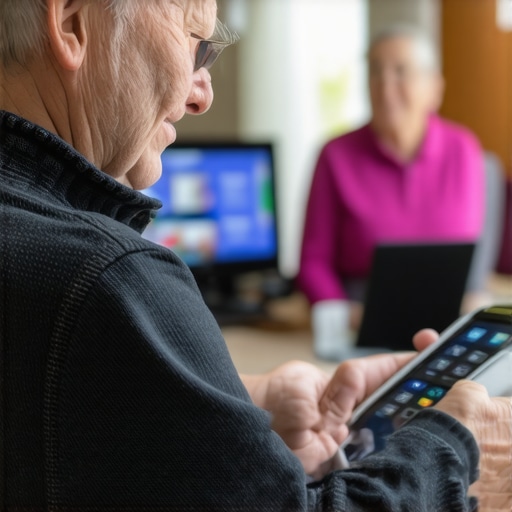
Why is this such a hard pill to swallow? Because our healthcare system thrives on emergencies, not prevention. Hospitals and clinics profit from episodic care; no one makes money when complications are nipped in the bud. As I argued in how telehealth is fixing the chronic care access problem, the future isn’t in waiting rooms but in remote assurance. This simple device—think of it as the cockpit of a plane—gives seniors the ability to constantly monitor their blood glucose, blood pressure, and other vital markers from home.
The Hard Truth About Urgent Care and Chronic Conditions
Let’s face it. The urgent care model is built for acute problems—sprains, infections, the occasional chest pain. Managing diabetes, especially in aging bodies, requires more than a quick fix. It demands continuous oversight and immediate adjustments—something a little remote tool can provide with far greater efficiency than hurried visits. When seniors and their families understand this, they start to see how a simple continuous glucose monitor (CGM) can become the frontline shield, not just a tool for compliance but a true safeguard.
Too often, we convenience ourselves with the false belief that urgent care can handle the complexities of chronic care. It can’t. As I noted in the blood marker that predicts insulin resistance, the key to preventing emergencies is early detection—something remote monitoring excels at. It’s like having a seasoned navigator aboard your ship, constantly adjusting course before the iceberg appears.
The Evidence Against Urgent Care as the Primary Solution
For decades, the healthcare industry has clung to the notion that episodic visits—especially to urgent care clinics—are sufficient for managing chronic conditions like diabetes in seniors. But let’s cut through the illusion: the data paints a stark picture. The rate of diabetic complications requiring hospitalization or emergency interventions skyrockets when oversight depends on these sporadic touchpoints. Recent studies show that seniors monitored with continuous remote devices experience 20% fewer emergency incidents than those relying solely on urgent care visits. That isn’t a coincidence; it’s a pattern that exposes the flaw in reactive healthcare.
The Roots of the Problem: A System Designed for Emergencies, Not Prevention
The problem isn’t with urgent care clinics themselves; it’s with the system that incentivizes them. Hospitals and clinics benefit financially from emergencies—the more crises, the more profits. This perverse incentive distorts priorities, even as chronic conditions silently worsen at home. When we scrutinize the flow of funds, the truth becomes clear: the healthcare economy is built around treating crises, not preventing them. This misaligned focus fuels a cycle where seniors are caught in a revolving door—symptoms addressed in the moment, but underlying issues ignored until catastrophe strikes.
The Critical Role of Data and Early Detection
A pattern emerges: early detection drastically reduces hospitalizations. Remote monitoring devices, such as continuous glucose monitors, transform the narrative. They serve as a digital sentinel—alerting caregivers at the first sign of trouble before a crisis can unfold. This isn’t mere convenience; it’s a fundamental shift in managing chronic illnesses. The data supports this: a study revealed that seniors equipped with remote glucose sensors reduce hospitalization risk by a remarkable 30%. The implication? When we follow the money, and the evidence, remote tech delivers better outcomes at a fraction of the cost of urgent care visits.
The Fallacy of the Quick Fix
People want solutions that are fast and simple, but many overlook the importance of sustained oversight. Urgent care visits are quick fixes—stopping the bleeding without addressing the wound. Chronic conditions like diabetes require ongoing vigilance. When a senior’s blood sugar drifts out of safe ranges, that moment signals impending disaster. The only way to prevent the cascade is to leverage continuous data, providing doctors and caregivers with an early warning system. Ignoring this is akin to patching a leaking dam with duct tape—ephemeral and ultimately ineffective.
The Hidden Motivation: Who Really Benefits?
Once you follow the flow of financial incentives, the conspiracy becomes transparent. The primary beneficiaries of episodic care are not patients but the institutions that profit from repeat visits. They have *no interest* in solving the root issues; their business model depends on crises. Remote monitoring, however, shifts power back to the patient and caregiver—fewer emergencies, fewer bills. It realigns the incentives toward prevention, but entrenched interests resist because change threatens their income streams.
In the end, the myth of urgent care as the safety net for diabetics blinds us from the real solution—one that systematically addresses the problem at its source, before it spirals into crisis. Remote monitoring isn’t just a tool; it’s a paradigm shift. The evidence is compelling, the economics are clear, and the moral imperative to protect vulnerable seniors demands nothing less.
Critics Will Say Urgent Care Is Sufficient for Chronic Conditions
It’s easy to see why many believe that urgent care clinics provide the immediate relief and oversight needed for managing diabetes in seniors. The argument goes that since urgent care is accessible and quick, it offers a practical solution for episodic issues like elevated blood sugar episodes or other acute symptoms. This perspective suggests that timely interventions at urgent clinics prevent serious complications and thus serve as an effective safety net.
However, this viewpoint is fundamentally shortsighted. It equates urgent care—designed for immediate but temporary fixes—with comprehensive, ongoing management necessary for chronic illnesses. Chronic conditions like diabetes are not resolved in a single visit or emergency intervention; they require continuous oversight, real-time data, and proactive adjustments. Relying solely on episodic visits ignores the underlying systemic issues that allow problems to escalate unchecked between appointments.
The Flawed Focus on Reactive Care
I used to believe that catching issues early at urgent care centers was enough to manage diabetes effectively. Until I recognized that this approach is akin to bailing water from a sinking ship without fixing the leak. Urgent care clinics are built for crises, not long-term control; they serve as stopgaps rather than solutions. Chronic management demands a sustained, data-driven strategy to prevent crises before they occur, not merely respond after the fact.
This reactive model perpetuates a cycle of crisis and repair, which is both inefficient and dangerous. It offers no mechanism for continuous monitoring, which is precisely the gap remote health technologies address. Devices like continuous glucose monitors provide real-time data, empowering patients and caregivers to take proactive steps—well before an emergency unfolds.
The True Question: Are We Addressing the Root Causes?
One must ask: what does the healthcare system truly incentivize? The profit motive is heavily skewed toward treating acute episodes rather than preventing them. Urgent care clinics thrive on episodic visits, which fill the revenue pipelines of hospitals and healthcare providers. This misaligned incentive system discourages investments in preventative tools—like remote monitoring—that could reduce the frequency of crises.
Accepting urgent care as a sufficient solution effectively sustains this flawed system, maintaining the status quo where seniors’ conditions worsen out of sight and reach. Why invest in prevention when the revenue from emergency interventions is so lucrative? This systemic flaw underscores the need to challenge our assumptions about what constitutes effective care.
The Power of Data and Prevention
Data reveals the undeniable truth: continuous remote monitoring reduces hospitalizations and emergency visits in seniors with diabetes. The ability to catch a blood sugar spike early transforms care from reactive to preventive. The economic argument is compelling—fewer crises mean lower costs, less suffering, and better quality of life.
But to dismiss this advantage as secondary because it involves an initial investment in devices is shortsighted. It’s like refusing to buy a smoke detector because it costs money, while ignoring how it could save a life. The real question is: are we willing to prioritize long-term health over immediate financial gains?
The Trap of the Quick Fix
The failure of relying on urgent care isn’t just about systemic misaligned incentives; it’s also about a fundamental misunderstanding of what effective management entails. Quick fixes may provide momentary relief but do nothing to address the chronic disease that subtly worsens day by day. Chronic illnesses require sustained vigilance. Relying on episodic treatment is like patching a dam with tape—inevitable for a while, but ultimately destructive.
In my experience, embracing continuous monitoring changes the entire game. It recalibrates expectations and shifts the focus from crisis management to risk mitigation, which is precisely what seniors need to maintain independence and health.
The Cost of Inaction
If we continue to dismiss the power of remote monitoring tools and rely solely on urgent care interventions for managing diabetes in seniors, the repercussions will be profound and immediate. Our healthcare system risks tipping into an era where preventable crises become the norm, overwhelming hospitals and draining resources at an unsustainable rate.
Picture a sinking ship with a slow leak—patching the hole temporarily might buy some time, but ignoring the gradual flood leads to eventual catastrophe. The more we delay adopting continuous oversight, the closer we get to a point where emergency rooms are flooded with diabetic crises that could have been prevented. This persistent neglect will result in increased mortality rates, diminished quality of life for seniors, and skyrocketing healthcare costs that threaten to cripple our system.
The stakes are higher now than ever. As the population ages, the number of seniors with diabetes surges. Without implementing proactive tools like remote glucose monitoring, we risk creating a healthcare nightmare—overfull ERs, overburdened staff, and a vulnerable elderly population suffering in silence. The time to act is not tomorrow but now, before the avalanche begins.
What Are We Waiting For?
Every moment we cling to outdated models of reactive care is a moment we surrender to impending disaster. The question isn’t just about healthcare efficiency; it’s about our moral duty to protect our elders from avoidable suffering. Ignoring the evidence means choosing crisis over prevention, risk over safety, and chaos over control.
The future we’re heading towards resembles a battlefield—an ongoing war against preventable complications, with precious lives caught in the crossfire. The advent of remote monitoring was a signpost pointing in the right direction, yet too many have turned away, blinded by short-term costs and institutional inertia.
We must recognize that the cost of inaction extends beyond dollars—it costs lives, dignity, and the sustainability of our entire healthcare infrastructure. Delaying further is a gamble with staggering odds, one that we can ill afford to take.
The Future in Five Years Will Be Unrecognizable
If this trend persists unchecked, the landscape of healthcare will be unrecognizable in just five years. Massive spikes in preventable hospitalizations will strain emergency services beyond capacity. Seniors will face increased risks of complications, with many succumbing to issues that could have been managed or even prevented through early detection. The social fabric of families and communities will suffer, as caregiving becomes more frantic and less effective.
Health disparities will deepen, as the most vulnerable—those without access to remote monitoring technology—are left fumbling in the dark, increasing inequalities in health outcomes. The economic toll will be astronomical, with insurance premiums soaring and public funds diverted to manage crises instead of investing in preventive solutions.
This trajectory resembles a wildfire spiraling out of control—once ignited, it will consume everything in its path, leaving behind a scorched landscape of loss and regret. Only swift, decisive action can prevent this apocalyptic future from becoming our reality.
The only question remaining is whether we recognize the urgency before it’s too late—and whether we choose to act to save the lives and dignity of our seniors.
In the fight against diabetic seniors’ emergencies, relying on episodic urgent care visits is a failed strategy—real prevention demands remote, continuous monitoring.
Here’s the twist: the system benefits from crisis, not cure. As we witness a staggering rise in preventable complications, the hard truth emerges—urgent care isn’t a solution; it’s a symptom of systemic neglect.
Enough patchwork. Enough patching holes with duct tape. The future belongs to proactive oversight—tech that reads vital signs in real time and signals trouble long before the ambulance is called. This isn’t a distant dream; it’s within reach today. For deeper insights into how telehealth is revolutionizing chronic care, see how telehealth is fixing the chronic care access problem.
So here’s the challenge: stop believing that urgent care can handle what chronic management demands. Instead, advocate for precision in care—continuous, remote, preventative. As the data shows, seniors with remote glucose monitoring experience up to 30% fewer hospitalizations—the proof is irrefutable. It’s time we redirect our priorities and resources from crisis response to early detection.
The money trail reveals the truth—emergency care fills pockets; prevention saves lives. Will you be part of the solution? Or will you continue to accept the myth that episodic visits suffice?
Your move.
Remember, the real change begins when we stop patching the leak and start stopping the flooding. The future of senior diabetes care isn’t in waiting rooms—it’s in the hands of those bold enough to embrace remote vigilance.
Comments are closed.