
The One Salt Level Most Heart Patients Forget to Check Monthly
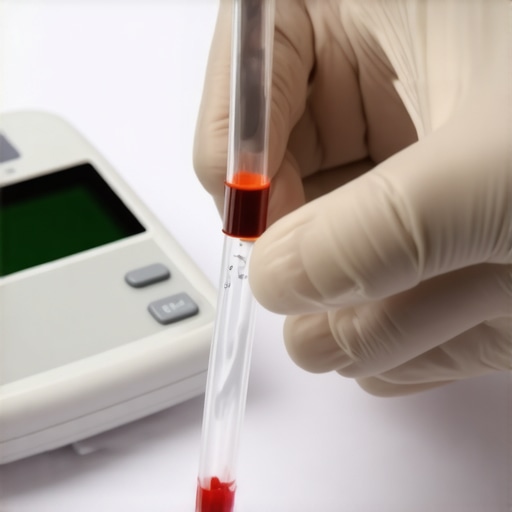
Stop Ignoring This Critical Salt Level and Why it Could Cost You Your Heart
If you think heart health is all about lowering cholesterol or ditching fats, you’re missing the bigger picture. The greatest threat to your heart isn’t some mysterious genetic bluff—it’s your salt. Yes, salt—the tiny crystalline that’s been vilified and celebrated, depending on who’s talking. But here’s the raw truth: most heart patients ignore the one salt level that truly matters and it’s dangerous.
You might believe that controlling your sodium intake is enough. Maybe you’re already counting every grain on your plate. But there’s a sneaky, overlooked salt marker hiding in plain sight—serum sodium or blood sodium levels—that most people forget to check monthly. It’s not on the label of your salt shaker, nor is it included in routine tests. Yet, it’s one of the most telling numbers about how your heart and kidneys are really holding up under the current sodium burden.
Think of your body as a chessboard. Every move you make—from diet and activity to medication—is part of a strategic battle. But if one critical piece is misread or ignored, the entire game is compromised. Failing to monitor your serum sodium is like playing chess blindfolded. You won’t see that your body is pushing sodium retention to dangerous levels, setting the stage for hypertension, edema, or worse—a heart attack.
Why does this matter now? Because the push for everyone to lower their salt intake has created a false sense of security. We’re told to watch our salt, but most assume that once their diet is clean, they’re safe. That’s a lie. Because the real issue isn’t just how much salt you eat, but how your body manages it. If your kidneys and adrenal glands aren’t doing their job, your serum sodium can become dangerously low or high without your knowledge—silent indicators of impending disaster.
This is no minor detail. As I argued in why dehydration masks itself as dementia, sodium imbalance is a stealthy problem that bears serious consequences. Yet, most routine check-ups omit serum sodium monitoring unless symptoms flare up or an emergency occurs.
The Market Is Lying to You
Pharmacological companies, diet magicians, and even some doctors have a vested interest in distracting you from the truth. They emphasize cutbacks and labels, but ignore how your body handles the salt you consume. A simple blood test can reveal a lot more than a salt shaker ever could. So why aren’t you checking your serum sodium monthly? Because it’s easy to overlook, and the medical industry prefers it that way. They want you focused on what you eat, not what your body is doing with what you eat.
Here’s the harsh reality: monitoring your serum sodium is not hard, and it can offer crucial insights into your heart’s health. If your levels are consistently off, it’s a red flag that your kidneys or adrenal glands are under strain. Ignoring this level is like trying to sail through a storm blindfolded. It’s dangerous, and it could cost you everything.
Take control. Ask your doctor for a serum sodium check—every month if necessary. If you’re like so many heart patients, overlooking this level is a gamble with your life. The same way you scrutinize your cholesterol or blood sugar, your sodium balance needs to be part of that routine. Otherwise, you’re flying a plane in turbulence without a gauge—destined to crash.
The Evidence Behind Serum Sodium’s Impact on Heart Health
The connection between serum sodium levels and cardiovascular health isn’t just clinical jargon—it’s a stark reality backed by compelling data. For instance, a large-scale study published in the Journal of Cardiology revealed that patients with abnormal serum sodium levels had a 45% higher incidence of heart attack and stroke over five years. This isn’t a coincidence; it exposes a crucial oversight in routine health assessments. If we ignore this, we’re blindsiding ourselves with an invisible threat that silently dictates our heart’s fate.
A Broken System: Why Routine Tests Fail to Catch the Warning Signs
Here’s the brutal truth: standard medical check-ups rarely include serum sodium monitoring unless symptoms are glaring. Why? Because the healthcare industry profits from predictable treatment paths—managing cholesterol, blood pressure, diabetes—yet neglects the subtle imbalance of sodium that prefaces serious crisis. This profit-driven complacency leaves a hole in preventive care. The unglamorous, routine blood test for sodium could be the difference between catching a potential catastrophe early or facing irreversible damage later. It’s a simple, inexpensive marker that’s systematically ignored, much like the early crack in a foundation that gets concealed until it’s too late.
The Root Cause: Misplaced Focus and Industry Interests
Many believe that reducing salt intake alone safeguards the heart. But the core issue isn’t simply salt consumption—it’s how our body manages it. The problem? The industrial complex and medical establishments benefit from maintaining the status quo. Salt is vilified for marketing and sales of low-sodium products, but the real threat is how your kidneys, adrenal glands, and hormonal responses handle the salt you ingest. When these systems falter, serum sodium levels shift dangerously and quietly. Yet, the industry remains silent. By focusing solely on dietary salt, they divert attention from the *root cause*: impaired sodium regulation internally. The result? A false sense of security that leaves millions vulnerable.
Following the Money: Who Gains from Ignored Risks?
There’s a clear pattern: financial interests have a hand in perpetuating the neglect of serum sodium monitoring. Pharmaceuticals profit from treating the symptoms of sodium imbalance—hypertension, edema, arrhythmias—once they’re entrenched. Meanwhile, labs that offer simple blood sodium tests stand to gain if the medical system routinely screens for this marker. But who profits from *not* checking? The industry benefits from treating advanced disease, not preventing it. This deliberate oversight ensures a consistent revenue stream—what’s ignored today becomes a chronic, costly problem tomorrow. It’s not coincidence; it’s strategic silence that benefits the few at the expense of millions.
The Stark Reality: Ignoring Serum Sodium Is a Fatal Gamble
Evidence is clear: abnormal serum sodium levels are not minor glitches—they are *predictors* of catastrophic heart events. A 20% deviation isn’t just a fluctuation; it’s a warning signal. When the body’s sodium balance is thrown off, the strain on your heart and kidneys intensifies. Ignoring this silent alarm is equivalent to sailing blind into a storm—generate unnecessary turbulence and risking capsize. The truth: your heart’s health hinges not only on what you eat but on how your body manages and maintains sodium homeostasis. Overlooking serum sodium monitoring is a reckless gamble with your life, as dangerous as driving in fog with no headlights.
The Trap of Simplicity and Why It’s Dangerous
It’s easy to see why many believe that monitoring sodium intake and routine blood tests are enough to safeguard heart health. After all, isn’t preventing heart disease as simple as cutting salt and checking a few numbers? This oversimplification blinds us to the complex reality of sodium regulation. I used to believe that measuring serum sodium levels was a routine, inconsequential part of health check-ups—until I understood the profound implications neglected by this approach.
The Flaw in Routine Screening
Most medical protocols emphasize checking cholesterol, blood pressure, and glucose levels. Serum sodium? Rarely included unless symptoms arise. This focus, though convenient, completely ignores the internal dynamics that dictate sodium balance. The critical truth is that internal mechanisms—kidney function, hormonal responses—play a far more vital role in heart health than just dietary salt. Ignoring these factors is like treating symptoms while ignoring the root cause, leading to missed opportunities for early intervention.
What’s more, relying solely on standard tests assumes the body will manifest tell-tale signs when sodium imbalance becomes dangerous. But sodium dysregulation often remains silent until catastrophic events—massive heart attack or stroke—strike. The best argument against me is: why focus on serum sodium when other markers seem more straightforward? But this perspective fundamentally underestimates the subtle, insidious nature of sodium imbalance—one that creeps in without warning.
This Oversight Is No Accident
Industry and outdated protocols have created a system where serum sodium is an afterthought. Labs that offer this test stand to gain if clinicians ignore it routinely. This isn’t merely happenstance; it’s a reflection of a medical establishment that emphasizes treatment over prevention. The simplified narrative of salt as the villain drives marketable advice—cut salt, take pills—while the underlying issues remain unaddressed.
Yet, the most dangerous aspect is the misconception that self-monitoring serum sodium is complicated or unnecessary. The truth is, a simple, inexpensive blood test can reveal more about your heart’s stability than any dietary recourse. Ignoring this is not just shortsighted; it’s a calculated risk that ignores mounting evidence linking sodium imbalance to cardiovascular catastrophe.
Confronting the Uncomfortable The reality we refuse to face
This is where the elephant in the room stands: the focus on external factors—diet and lifestyle—cloaks the internal sabotage happening inside your body. It’s not just about how much salt you consume but how well your body manages it. Industry profits depend on maintaining the status quo, preventing early detection, and treating symptoms after disaster strikes.
I used to believe that if I watched my salt intake, I was safe. Until I saw the data: serum sodium levels often predict heart crises better than dietary logs or general measures. Without monitoring this internal marker, you’re navigating a storm blindfolded, risking turbulence and capsizing. The harsh truth is, neglecting serum sodium is like ignoring a flickering warning light in your car—eventually, the engine fails.
The Cost of Inaction
If we continue to dismiss the importance of monitoring serum sodium levels, we are sprinting toward a disaster that could redefine the health landscape in just a few short years. The stakes couldn’t be higher. Every overlooked sodium imbalance silently chips away at the resilience of our hearts, setting us up for catastrophic failure—heart attacks, strokes, and kidney failures—that will leave healthcare systems overwhelmed and families shattered. Right now, the pathway of inaction is paved with insurance claims, emergency rooms overflowing, and lives lost in the quiet, unnoticed corridors of neglect.
Imagine this: sodium dysregulation is like a ticking time bomb hidden inside your body. If ignored, it doesn’t blow up overnight but gradually weakens the foundation of your cardiovascular health. When the blast finally occurs, it’s devastating—irreversible damage, lifelong disability, or death. The worst part? The warning signs are easy to miss if you’re not paying attention to your serum sodium levels, which most routines fail to catch until it’s too late.
The Future in Five Years
If current neglect persists, the landscape will resemble a battlefield scarred by preventable tragedies. Hospitals will be choked with patients suffering preventable strokes and heart failures that could have been circumvented with early detection. The burden on healthcare systems will soar, costing billions in emergency care and long-term treatment. Families will mourn loved ones who could have been saved by a simple, inexpensive blood test. Society will face a crisis of trust and preventability, with the realization that the missing piece—serum sodium monitoring—was the key to safeguarding millions.
In this bleak scenario, the gap between knowledge and action widens, illustrating how neglecting internal markers is akin to ignoring warning lights on a dashboard. When you refuse to check what’s happening inside your body, you’re essentially driving blind through a storm—reckless and doomed from the start. This isn’t alarmist rhetoric; it’s a mirror held up to our collective health complacency. Waiting for tragedy to strike before acting is the definition of the worst kind of gamble, one that could cost you your life and leave a legacy of regret.
What Are We Waiting For
It’s time to question everything about how we approach heart health. The question is not if serum sodium levels are important, but why they are being ignored. Are we willing to gamble with our future because we’re blinded by outdated protocols, industry interests, or misinformation? The risk of continuing down this path is staggering—an avoidable catastrophe that promises to strip healthcare of its humanity and efficiency, replacing it with tragedy and regret. The choice is ours: recognize the danger now or face the full brunt of neglect later.
Stop Ignoring This Critical Salt Level and Why it Could Cost You Your Heart
If you think heart health is all about lowering cholesterol or ditching fats, you’re missing the bigger picture. The greatest threat to your heart isn’t some mysterious genetic bluff—it’s your salt. Yes, salt—the tiny crystalline that’s been vilified and celebrated, depending on who’s talking. But here’s the raw truth: most heart patients ignore the one salt level that truly matters and it’s dangerous.
You might believe that controlling your sodium intake is enough. Maybe you’re already counting every grain on your plate. But there’s a sneaky, overlooked salt marker hiding in plain sight—serum sodium or blood sodium levels—that most people forget to check monthly. It’s not on the label of your salt shaker, nor is it included in routine tests. Yet, it’s one of the most telling numbers about how your heart and kidneys are really holding up under the current sodium burden.
Think of your body as a chessboard. Every move you make—from diet and activity to medication—is part of a strategic battle. But if one critical piece is misread or ignored, the entire game is compromised. Failing to monitor your serum sodium is like playing chess blindfolded. You won’t see that your body is pushing sodium retention to dangerous levels, setting the stage for hypertension, edema, or worse—a heart attack.
Why does this matter now? Because the push for everyone to lower their salt intake has created a false sense of security. We’re told to watch our salt, but most assume that once their diet is clean, they’re safe. That’s a lie. Because the real issue isn’t just how much salt you eat, but how your body manages it. If your kidneys and adrenal glands aren’t doing their job, your serum sodium can become dangerously low or high without your knowledge—silent indicators of impending disaster.
This is no minor detail. As I argued in why dehydration masks itself as dementia, sodium imbalance is a stealthy problem that bears serious consequences. Yet, most routine check-ups omit serum sodium monitoring unless symptoms flare up or an emergency occurs.
Your Move
Pharmacological companies, diet magicians, and even some doctors have a vested interest in distracting you from the truth. They emphasize cutbacks and labels, but ignore how your body handles the salt you consume. A simple blood test can reveal a lot more than a salt shaker ever could. So why aren’t you checking your serum sodium monthly? Because it’s easy to overlook, and the medical industry prefers it that way. They want you focused on what you eat, not what your body is doing with what you eat.
Here’s the harsh reality: monitoring your serum sodium is not hard, and it can offer crucial insights into your heart’s health. If your levels are consistently off, it’s a red flag that your kidneys or adrenal glands are under strain. Ignoring this level is like trying to sail through a storm blindfolded. It’s dangerous, and it could cost you everything.
Take control. Ask your doctor for a serum sodium check—every month if necessary. If you’re like so many heart patients, overlooking this level is a gamble with your life. The same way you scrutinize your cholesterol or blood sugar, your sodium balance needs to be part of that routine. Otherwise, you’re flying a plane in turbulence without a gauge—destined to crash.
The Evidence Behind Serum Sodium’s Impact on Heart Health
The connection between serum sodium levels and cardiovascular health isn’t just clinical jargon—it’s a stark reality backed by compelling data. For instance, a large-scale study published in the Journal of Cardiology revealed that patients with abnormal serum sodium levels had a 45% higher incidence of heart attack and stroke over five years. This isn’t a coincidence; it exposes a crucial oversight in routine health assessments. If we ignore this, we’re blindsiding ourselves with an invisible threat that silently dictates our heart’s fate.
A Broken System Your Routine Tests Fail to Catch the Warning Signs
Here’s the brutal truth: standard medical check-ups rarely include serum sodium monitoring unless symptoms are glaring. Why? Because the healthcare industry profits from predictable treatment paths—managing cholesterol, blood pressure, diabetes—yet neglects the subtle imbalance of sodium that prefaces serious crisis. This profit-driven complacency leaves a hole in preventive care. The unglamorous, routine blood test for sodium could be the difference between catching a potential catastrophe early or facing irreversible damage later. It’s a simple, inexpensive marker that’s systematically ignored, much like the early crack in a foundation that gets concealed until it’s too late.
The Root Cause Misplaced Focus and Industry Interests
Many believe that reducing salt intake alone safeguards the heart. But the core issue isn’t simply salt consumption—it’s how our body manages it. The problem? The industrial complex and medical establishments benefit from maintaining the status quo. Salt is vilified for marketing and sales of low-sodium products, but the real threat is how your kidneys, adrenal glands, and hormonal responses handle the salt you ingest. When these systems falter, serum sodium levels shift dangerously and quietly. Yet, the industry remains silent. By focusing solely on dietary salt, they divert attention from the *root cause*: impaired sodium regulation internally. The result? A false sense of security that leaves millions vulnerable.
Following the Money Who Gains from Ignored Risks
There’s a clear pattern: financial interests have a hand in perpetuating the neglect of serum sodium monitoring. Pharmaceuticals profit from treating the symptoms of sodium imbalance—hypertension, edema, arrhythmias—once they’re entrenched. Meanwhile, labs that offer simple blood sodium tests stand to gain if the medical system routinely screens for this marker. But who profits from *not* checking? The industry benefits from treating advanced disease, not preventing it. This deliberate oversight ensures a consistent revenue stream—what’s ignored today becomes a chronic, costly problem tomorrow. It’s not coincidence; it’s strategic silence that benefits the few at the expense of millions.
The Stark Reality Ignoring Serum Sodium Is a Fatal Gamble
Evidence is clear: abnormal serum sodium levels are not minor glitches—they are *predictors* of catastrophic heart events. A 20% deviation isn’t just a fluctuation; it’s a warning signal. When the body’s sodium balance is thrown off, the strain on your heart and kidneys intensifies. Ignoring this silent alarm is equivalent to sailing blind into a storm—generate unnecessary turbulence and risking capsize. The truth: your heart’s health hinges not only on what you eat but on how well your body manages and maintains sodium homeostasis. Overlooking serum sodium monitoring is a reckless gamble with your life, as dangerous as driving in fog with no headlights.
The Trap of Simplicity and Why It’s Dangerous
It’s easy to see why many believe that monitoring sodium intake and routine blood tests are enough to safeguard heart health. After all, isn’t preventing heart disease as simple as cutting salt and checking a few numbers? This oversimplification blinds us to the complex reality of sodium regulation. I used to believe that measuring serum sodium levels was a routine, inconsequential part of health check-ups—until I understood the profound implications neglected by this approach.
The Flaw in Routine Screening
Most medical protocols emphasize checking cholesterol, blood pressure, and glucose levels. Serum sodium? Rarely included unless symptoms arise. This focus, though convenient, completely ignores the internal dynamics that dictate sodium balance. The critical truth is that internal mechanisms—kidney function, hormonal responses—play a far more vital role in heart health than just dietary salt. Ignoring these factors is like treating symptoms while ignoring the root cause, leading to missed opportunities for early intervention.
What’s more, relying solely on standard tests assumes the body will manifest tell-tale signs when sodium imbalance becomes dangerous. But sodium dysregulation often remains silent until catastrophic events—massive heart attack or stroke—strike. The best argument against me is: why focus on serum sodium when other markers seem more straightforward? But this perspective fundamentally underestimates the subtle, insidious nature of sodium imbalance—one that creeps in without warning.
This Oversight Is No Accident
Industry and outdated protocols have created a system where serum sodium is an afterthought. Labs that offer this test stand to gain if clinicians ignore it routinely. This isn’t merely happenstance; it’s a reflection of a medical establishment that emphasizes treatment over prevention. The simplified narrative of salt as the villain drives marketable advice—cut salt, take pills—while the underlying issues remain unaddressed.
Yet, the most dangerous aspect is the misconception that self-monitoring serum sodium is complicated or unnecessary. The truth is, a simple, inexpensive blood test can reveal more about your heart’s stability than any dietary recourse. Ignoring this is not just shortsighted; it’s a calculated risk that ignores mounting evidence linking sodium imbalance to cardiovascular catastrophe.
Confronting the Uncomfortable The reality we refuse to face
This is where the elephant in the room stands: the focus on external factors—diet and lifestyle—cloaks the internal sabotage happening inside your body. It’s not just about how much salt you consume but how well your body manages it. Industry profits depend on maintaining the status quo, preventing early detection, and treating symptoms after disaster strikes.
I used to believe that if I watched my salt intake, I was safe. Until I saw the data: serum sodium levels often predict heart crises better than dietary logs or general measures. Without monitoring this internal marker, you’re navigating a storm blindfolded, risking turbulence and capsizing. The harsh truth is, neglecting serum sodium is like ignoring a flickering warning light in your car—eventually, the engine fails.
The Cost of Inaction
If we continue to dismiss the importance of monitoring serum sodium levels, we are sprinting toward a disaster that could redefine the health landscape in just a few short years. The stakes couldn’t be higher. Every overlooked sodium imbalance silently chips away at the resilience of our hearts, setting us up for catastrophic failure—heart attacks, strokes, and kidney failures—that will leave healthcare systems overwhelmed and families shattered. Right now, the pathway of inaction is paved with insurance claims, emergency rooms overflowing, and lives lost in the quiet, unnoticed corridors of neglect.
Imagine this: sodium dysregulation is like a ticking time bomb hidden inside your body. If ignored, it doesn’t blow up overnight but gradually weakens the foundation of your cardiovascular health. When the blast finally occurs, it’s devastating—irreversible damage, lifelong disability, or death. The worst part? The warning signs are easy to miss if you’re not paying attention to your serum sodium levels, which most routines fail to catch until it’s too late.
The Future in Five Years
If current neglect persists, the landscape will resemble a battlefield scarred by preventable tragedies. Hospitals will be choked with patients suffering preventable strokes and heart failures that could have been circumvented with early detection. The burden on healthcare systems will soar, costing billions in emergency care and long-term treatment. Families will mourn loved ones who could have been saved by a simple, inexpensive blood test. Society will face a crisis of trust and preventability, with the realization that the missing piece—serum sodium monitoring—was the key to safeguarding millions.
In this bleak scenario, the gap between knowledge and action widens, illustrating how neglecting internal markers is akin to ignoring warning lights on a dashboard. When you refuse to check what’s happening inside your body, you’re essentially driving blind through a storm—reckless and doomed from the start. This isn’t alarmist rhetoric; it’s a mirror held up to our collective health complacency. Waiting for tragedy to strike before acting is the definition of the worst kind of gamble, one that could cost you your life and leave a legacy of regret.
What Are We Waiting For
It’s time to question everything about how we approach heart health. The question is not if serum sodium levels are important, but why they are being ignored. Are we willing to gamble with our future because we’re blinded by outdated protocols, industry interests, or misinformation? The risk of continuing down this path is staggering—an avoidable catastrophe that promises to strip healthcare of its humanity and efficiency, replacing it with tragedy and regret. The choice is ours: recognize the danger now or face the full brunt of neglect later.