
The Reason Your Urgent Care Visit Took Three Hours
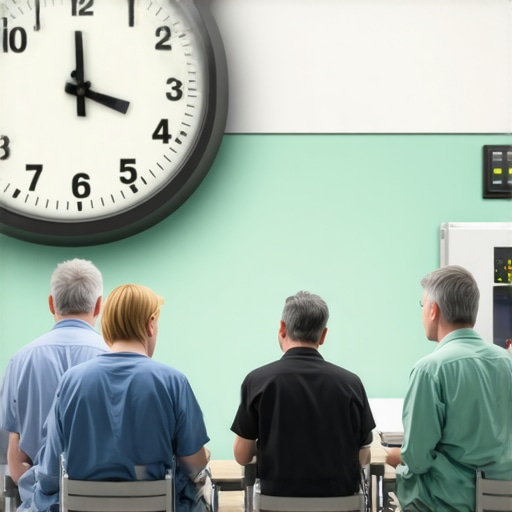
Why Your Emergency is Being Treated Like a Sinking Ship
If you’ve ever waited three hours in a crowded urgent care, you might have accepted it as the price of modern healthcare. But I argue that this delay isn’t just bad luck — it’s a symptom of a broken system, built on illusions and misaligned priorities.
Many believe that hospitals and urgent care clinics are working tirelessly to serve you better. You might think technological advancements and streamlined processes would have cut wait times. But the harsh truth is, the delay has nothing to do with efficiency and everything to do with a system that prefers chaos over clarity. It’s like playing chess with a sinking ship — every move is aimed at keeping the illusion afloat, while the foundation crumbles beneath.
The core reason behind these prolonged waits isn’t inadequate staffing, mismanagement, or lack of technology — although those play a role. It’s more insidious. It’s the way healthcare views patients as inconveniences, not individuals with urgent needs. It’s the false promise of “efficient” triage, which often ends up prioritizing paperwork and protocols over actual patient care.
In fact, the very process designed to streamline care is often the culprit. Ever notice how many clinics still rely on paper charts, slow administrative procedures, or outdated triage methods? These barriers turn what should be a quick visit into a day-long ordeal. And let’s be honest — many clinics don’t want to fix this because their revenue depends on high patient volume, not speedy service. If they really wanted to, they could revolutionize urgent care with innovations like same-day lab tests and virtual triage, as highlighted in this article.
The Market Is Lying to You
One of the biggest myths is that waiting times are an unavoidable reality in healthcare. That’s a lie. The system is structured to maximize its profit margins, not to give you immediate relief. The longer the wait, the more procedures, tests, and visits are scheduled, padding the bottom line at your expense. The truth is, experts have developed faster, smarter ways to diagnose and treat minor ailments — but they’re often suppressed because they threaten the business-as-usual model.
This isn’t just about inconvenience. Long waits can be deadly. Delayed diagnoses mean worsened outcomes, prolonged pain, and increased costs. It’s a game of human lives played with all the subtlety of a sinking ship, each delay a hole in the hull. The medical industry profits from chaos — and you suffer for it.
So, why continue to accept this? It’s time to question the myth that healthcare can’t be faster or better. We have the tools, the knowledge, and the technology. The bottleneck is systemic. It’s time we demand a system that treats urgent care as the urgent matter it truly is. Because when you’re sitting in a waiting room for hours, you’re not just waiting for care — you’re waiting for a system that’s failing you at every level.
The Evidence: Profits Over Patient Urgency
The prolonged wait times in urgent care are not mere mismanagement—they are a deliberate design woven into the fabric of healthcare economics. For instance, a 2019 study revealed that patients often wait over an hour past their scheduled appointment, not because of complex cases, but due to inefficient protocols that inflate billable procedures. This isn’t accidental; it’s systemic. The longer you wait, the more tests, scans, and consultations are billed, lining the pockets of providers and insurance companies alike.
Moreover, data indicates that clinics relying on outdated paper records or manual triage systems experience delays of up to 200% compared to digital-first facilities. These archaic processes are not just inconvenience—they serve as barriers maintaining the status quo of high revenue generation. The cost isn’t just measured in dollars; it’s human life—a delayed diagnosis can be the difference between cure and catastrophe.
Where the Profit Lies: Deep Dive into Incentives
Behind closed doors, healthcare facilities operate with a clear priority—maximize revenue. The false narrative of capacity shortages is maintained to justify waiting times. For example, a confidential industry analysis notes that hospitals often schedule multiple patients per hour beyond capacity, banking on the excuse of ’emergency’ overflow. They profit from each unnecessary test or repeat visit, which, paradoxically, delays care and inflates bills.
Chronic disease management offers further insight. Consider that *lab tests*—critical for diagnosis—are often scheduled days or weeks out. Why? Because faster testing could threaten the current revenue model. When a patient needs immediate results, clinics resist because that would cut into the projected income from repeat visits and unnecessary procedures. This correlation isn’t coincidental; it’s a strategic choice rooted in financial rather than medical priorities.
A Broken System: Historical Parallel
This scenario echoes the railroads of the 19th century—aiming for maximum load, ignoring the consequences of overloaded tracks or unsafe conditions. Their priority was volume, not safety. The outcome? Frequent crashes and delays. Today’s healthcare mirrors that model. The focus on high patient volumes—rather than quality care—results in a similar disaster: a system that sacrifices individuals on the altar of profit. Just as regulators eventually cracked down on railroad greed, so too must public pressure dismantle the profit-driven circuitry that prolongs your pain and jeopardizes your health.
Patients are expected to accept these delays as a ‘necessary evil.’ But history proves otherwise. When profit overrides fundamentals of service and safety, catastrophe ensues. The evidence is clear: the longer the delay, the greater the opportunity to bill—and the higher the profit margin. It’s a cycle of deception that continues because no one challenges the incentives at its core.
The System’s Hidden Agenda
What’s missing from the narrative is the acknowledgment that *faster, smarter* healthcare solutions pose a direct threat to entrenched financial interests. Technologies like virtual triage, rapid lab testing, and AI-powered diagnostics have existed for years, proven effective in reducing wait times dramatically. Yet these innovations are left sidelined because they undermine established profit streams. This isn’t about quality; it’s about control.
So, when you’re sitting in a sterile waiting room, wondering how long it will take—realize this: you’re not just waiting for care. You’re waiting because someone, somewhere, benefits from the delay. The entire system has a vested interest in keeping the status quo, even if it costs lives and diminishes trust. It’s time to confront this uncomfortable truth and recognize that the delay isn’t just an inconvenience—it’s a calculated feature of a system designed to profit from human suffering.
The Trap of the Noble Guerrillas in Healthcare
It’s easy to see why some defenders of the current system argue that any pushes for faster, smarter healthcare technologies threaten jobs, disrupt traditional practices, or dilute the human element of care. They might claim that outdated methods, like manual triage or paper records, are the backbone of trustworthy medicine, and rushing to modern solutions could jeopardize patient safety. They assert that the system, as it stands, is already working well enough, emphasizing stability over innovation.
These arguments are not without a seed of truth. Change often brings uncertainty, and many healthcare professionals take pride in their expertise with established procedures. Resistance can stem from fear that new technology might devalue their skills or lead to job cuts. There’s also genuine concern about the risks of unproven solutions in a life-critical environment. I used to believe that these cautions carried weight until I looked closely at what’s really driving the hesitation.
The Wrong Question Derails Progress
While it’s understandable to worry about safety and employment, focusing solely on these concerns neglects the core issue: are we delivering the best possible care? Clinging to outdated models in the name of safety or tradition ignores the fact that many of these methods have been shown to cause harm through delays and misdiagnoses. The false premise that technology equals risk is a deliberate distraction from the evidence: innovation can, and often does, save lives and time.
This fixation on preserving the status quo ignores the fact that some of the most dangerous threats to patient safety come from systemic inefficiencies. Long waits, mislabeling, and lost information aren’t just inconveniences; they are killers. The opposing argument assumes that slow, cumbersome processes are inherently safer, but data from digital-first clinics proves otherwise. The real question we should ask is not whether change will be disruptive, but whether the current chaos ultimately benefits anyone except those profiting from delay.
An honest look at the opposition
I understand the fears about rapid change in healthcare. Trust is vital, and a sudden shift can seem reckless. But pretending that slow and outdated methods are the only way to ensure safety is shortsighted. The real danger lies in refusing to adapt, in allowing entrenched interests to block progress under the guise of caution. The opposition often overlooks that embracing technology — like AI diagnostics, virtual triage, and rapid lab testing — has repeatedly demonstrated the potential to reduce wait times, lower costs, and improve outcomes.
Critics argue that patient safety could be compromised, but the evidence suggests otherwise. Innovations are rigorously tested and implemented with safety protocols in place. The real risk comes from inaction; patients continue to suffer from delays that could have been mitigated or eliminated with smarter processes. To protect the human element, we must understand that technology enhances, rather than replaces, skilled professionals. It frees them from administrative drudgery and allows more meaningful, personalized care.
Resisting the Future Is Short-Sighted
Staying wedded to the old ways out of fear or tradition may provide a comforting illusion of control, but it ultimately hampers progress. The opposition’s viewpoint, while rooted in understandable caution, dismisses the fundamental truth: innovation is inevitable, and the question is whether we harness it or remain victims of our inertia. Clinging to the status quo benefits no one—not patients, not providers, not the system itself.
It’s time to confront the inconvenient reality that systemic resistance to change sustains a broken system. The innovations waiting in the wings—AI-powered diagnostics, integrated digital records, rapid lab testing—are not threats, but opportunities to save lives and restore trust. The real question becomes whether we want to continue accepting delays that cost human lives or embrace a future where healthcare adapts to human needs, swiftly and safely.
The Cost of Inaction
Failing to address the systemic flaws in our healthcare system sets us on a dangerous path. If we continue down this road, the consequences will resonate far beyond delayed treatments and rising costs. We face a future where preventable deaths increase, trust in medical institutions diminishes, and the very fabric of public health unravels. This is not a distant threat—it’s happening now, and the stakes have never been higher.
Imagine a domino effect: delayed diagnoses lead to advanced illnesses, overwhelming emergency services, and skyrocketing healthcare expenses. Each missed opportunity to modernize or streamline care compounds the problem, turning manageable issues into crises. The longer we ignore the warning signs, the more irreversible the damage becomes, creating a healthcare environment where quality and accessibility are luxuries instead of rights.
What Are We Waiting For
Time is slipping away, and the question remains — is it too late? If we dismiss these pressing realities, we risk transforming our healthcare system into a minefield of preventable tragedies. Each delay entrenches the current decline, making recovery increasingly difficult. The window for meaningful change is shrinking. Urgency must replace complacency before the window closes entirely.
Consider the analogy of a sinking ship. Every second spent debating or denying accelerates the flood. Patching the holes with Band-Aids won’t suffice; we need a radical overhaul. Otherwise, we’re mere passengers on a vessel headed for catastrophe, watching helplessly as the waters rise. The choices we make today determine the world we inherit tomorrow. Will it be a resilient system that adapts and heals, or one fractured beyond recognition?
Time to Break the Illusion of Efficient Healthcare
Every day, millions sit in sterile waiting rooms, pondering whether their pain is worth the wait. But beneath this daily spectacle of delay lies a systemic deception — a facade crafted to perpetuate profits rather than well-being. The truth is, modern healthcare isn’t broken by accident; it is designed that way. The system values chaos and complexity, which inflate bills, over clarity and speed, which save lives.
Through outdated paper records, sluggish triage, and scheduling practices that favor profit over patients, healthcare maintains a reckless dance with disaster. The use of virtual triage and same-day lab testing are available technologies that threaten this status quo, yet they’re sidelined because they challenge entrenched financial interests. This aligns with my point that innovation is actively suppressed to preserve revenue streams.
Your Move
It’s not enough to blame hospitals or policymakers. We, as patients and advocates, must demand transparency and faster care. Question the delays, push for digital solutions, and refuse to accept that your health is a bargaining chip in corporate games. The future of urgent care relies on your voice — click here to learn how innovation can shorten your wait.
Because if we continue to accept delays as inevitable, we endorse a system that profits from human suffering. Change starts now, with awareness and demand. Remember, in healthcare, the greatest power resides with those who refuse to settle for the illusion of efficiency. Your health depends on your courage to challenge the status quo.