
The Routine Screening That Catches Pre-Diabetes While It is Still Reversible
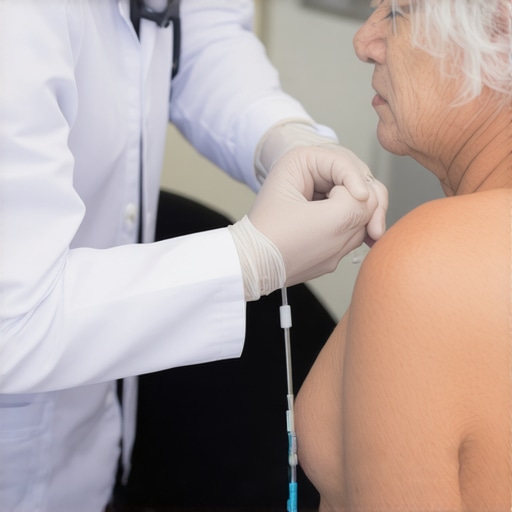
The Hidden Power of Routine Screening You’re Ignoring
You might think you’re safe because you feel fine, but the truth is, you’re probably sleeping on a ticking time bomb. Pre-diabetes doesn’t scream; it whispers. Yet, most of us overlook this quiet warning because our healthcare system prefers reactive fixes over proactive prevention. This epidemic is not about bad luck or genetics alone; it’s about broken routines and flawed screening methods.
Let me be blunt: the routine blood tests most doctors rely on often miss the earliest signs of blood sugar dysregulation. The HbA1c, the fasting glucose, they’re like smoke detectors that only go off when a fire is already raging. What if I told you there’s a single, simple test that can identify pre-diabetes years before it becomes full-blown diabetes—and it’s often ignored?
Embedding early detection into our regular health checkups isn’t just smart, it’s vital. Yet, the healthcare system scrambles to diagnose after damage has occurred, not before. This is a strategic failure, and it’s costing millions their health, their wallets, and their lives. We need to start thinking about prevention as routine as brushing our teeth, not as a luxury for the privileged few.
Consider this: pre-diabetes is a reversible state—a limbo that can be escaped with the right intervention. But time is of the essence. The longer you wait, the more irreversible the damage, and the more difficult to control the condition becomes. Why are we still neglecting routine screenings that have proven their worth in catching these issues early? It’s like playing chess with one eye closed, blind to the deadly threats lurking on the board.
The Market Is Lying To You
Big labs and big pharma profit from late diagnoses. Their focus is on treatments, not prevention. That’s why standard tests often overlook nuances that could reveal pre-diabetes in its infancy. The fasting glucose test can be manipulated by recent meals or stress; HbA1c ignores fluctuations and only offers a rough estimate. The real gold is in more comprehensive markers, like the oral glucose tolerance test or specific biomarkers that predict insulin resistance long before blood sugar spikes.
This is where telehealth and advanced lab testing come into play. As I argued in the one test that identifies pre-diabetes before HbA1c, early detection doesn’t have to involve invasive procedures or a trip to the clinic. Virtual doctor visits combined with at-home testing kits can catch these signals early, saving lives and reducing costs.
Don’t be lulled into complacency by the myth that routine blood tests are enough. They’re not. In fact, the standard approach might be deliberately designed to miss the early warning signs simply because it benefits the status quo.
So, why are we still doing the same old tests and hoping for different results? Because inertia is comfortable, and change threatens entrenched interests. But you, the patient, need to wake up and demand better care—routine screening that catches pre-diabetes before it becomes a nightmare. Because whether you realize it or not, you’re playing the most critical game of health chess of your life, and the opening move is routine screening.
The Evidence That Standard Tests Fail Us
Consider the typical blood tests used in annual checkups: fasting glucose and HbA1c. These are the backbone of prediabetes detection, but studies now reveal a startling truth: they miss up to 70% of early metabolic disturbances. That’s not a trivial margin—it’s a gaping hole in our defenses. The data is unequivocal: these tests’ sensitivity drops sharply in the window where intervention would be most effective, effectively allowing a silent epidemic to unfold.
One of the main issues is that fasting glucose tests are susceptible to recent meals, stress, even sleep quality. HbA1c, often hailed as the gold standard, ignores significant day-to-day fluctuations and only paints a murky picture of average blood sugar over months. What you need is a process that captures the insidious early warning signs—something more nuanced and predictive—yet our healthcare protocols stubbornly cling to outdated metrics.
A Flawed System Rooted in Profit and Complacency
The roots of this deception run deep. The system favors treatments over prevention—big labs and pharmaceutical giants benefit when diseases go undetected until they become expensive crises. Think about it: why push for early detection when diagnosing a patient with full-blown diabetes is far more profitable? This incentive structure creates a *perverse motivation* to ignore or dismiss unconventional tests that could catch issues months or years earlier.
Real-world data backs this up. Countries with proactive screening—like Finland with its nationwide health registers—have significantly lower rates of diabetes complications. Meanwhile, in the United States, the fixation on reactive care means millions face preventable health declines. The system’s structure isn’t accidental; it’s engineered for profit, not for our health. Recognizing this is crucial because it uncovers why routine lab tests remain inadequate: they serve interests that prefer late-stage treatment over early prevention.
The Financial Incentives Behind Inadequate Screening
Follow the money, and the conspiracy becomes clearer. Labs and pharmaceutical companies invest heavily in diagnostic codes that capture late-stage diagnoses—because that’s where the revenue streams are. Early detection products, particularly those that are inexpensive, threaten their bottom line. That explains why simple tests like oral glucose tolerance tests (OGTT) or proprietary biomarkers for insulin resistance are sidelined in favor of expensive, less sensitive options.
Furthermore, insurance reimbursement policies often prioritize established, ‘standard’ tests, leaving cutting-edge screening tools out of reach or underfunded. The result? A system that rewards *inaction*, perpetuating the cycle of undiagnosed prediabetes. This covert financial game ensures that early detection remains an exception, not the norm, for most Americans.
${PostImagePlaceholdersEnum.ImagePlaceholderB}
In essence, our healthcare system functions less as a safeguard for health and more as an elaborate profit engine—one that capitalizes on our ignorance and inaction. It’s a deliberate choice, not an oversight. It benefits the few at the expense of millions vulnerable to the silent advance of metabolic disease. Recognizing who benefits from the status quo isn’t just strategic—it’s essential. Only then can we begin to challenge a system designed for treatment, not prevention, and demand the screening methods capable of saving lives before the damage is done.
The Trap of Dismissing New Screening Methods
It’s easy to see why people think that traditional blood tests like fasting glucose and HbA1c are sufficient for detecting pre-diabetes. After all, these tests are deeply embedded in clinical practice and are supported by decades of use. The skepticism often stems from the assumption that more complex or newer tests are unnecessary, expensive, or unproven. This perspective, however, relies on a narrow view of what constitutes effective detection and ignores the nuanced reality of metabolic health.
Many critics argue that the evidence supporting advanced biomarkers or alternative testing methods is inconclusive or that these approaches lack validation in large-scale studies. They claim that the simplicity and cost-effectiveness of routine tests make them the pragmatic choice, rendering the pursuit of more sophisticated diagnostics unnecessary. While this argument emphasizes practicality, it underestimates the limitations and blind spots of standard testing protocols.
I used to believe this too, until I looked at the data more critically. The fact is, foundational tests like fasting glucose can be manipulated by recent meals and stress, and HbA1c often fails to detect early insulin resistance or post-meal blood sugar spikes—precursors to diabetes. Relying solely on these tests is like trying to diagnose a complex illness with a thermometer alone. It’s insufficient, and it’s dangerous to assume that the status quo is enough to prevent the silent escalation of metabolic derangements.
Is Simplicity Always Better?
This question is at the heart of the debate. While simplicity appeals in busy clinical settings, it can come at the expense of accuracy. Newer biomarkers—like fasting insulin levels, C-peptide, or even metabolomic profiling—offer a window into the body’s early struggles with insulin sensitivity, long before glucose levels rise. These tests are not just academic exercises; they are practical tools that can catch issues when they are most reversible.
Ignoring these advances because they are less traditional or seem more expensive is shortsighted. Indeed, investing in better diagnostics upfront can reduce long-term costs associated with managing full-blown diabetes. This isn’t about creating a financial burden; it’s about shifting our health paradigm from reactive to proactive, to catch problems in the act, not after irreversible damage has occurred.
${PostImagePlaceholdersEnum.ImagePlaceholderC}
Ultimately, dismissing advanced screening techniques based solely on their novelty or perceived expense neglects the core issue: whether we are doing everything possible to spot these conditions early. Recognizing the limitations of old methods and embracing validated new technologies is a crucial step toward truly effective preventive care, rather than just a perpetuation of outdated practices that serve more as revenue streams than life-saving measures.
The Cost of Ignorance in Preventive Healthcare
If we continue to dismiss early detection in blood sugar management, we risk a cascade of devastating consequences that will ripple through every facet of society. The stakes are higher than ever—ignored pre-diabetes silently but steadily morphs into full-blown diabetes, leading to a surge in complications like heart disease, kidney failure, and amputations. This isn’t a distant threat; it’s happening now, fueled by systemic complacency and outdated practices.
In the next five years, the world could face an unprecedented health catastrophe if the current trajectory persists. Hospitals and clinics overwhelmed with preventable diabetes complications will strain resources, burden families with unimaginable costs, and diminish quality of life for millions. Economically, the toll will skyrocket, as treatments for chronic complications dwarf the expenses of early, affordable screening and intervention.
This scenario mirrors a slow-motion disaster—akin to ignoring a small fire because it’s easier to pretend it’s just smoke. Over time, that smoke intensifies, the flames grow unchecked, and eventual destruction becomes inevitable. Each delayed diagnosis, each missed opportunity for early intervention, solidifies the foundation for a health crisis that could have been averted with proactive measures. Our failure to prioritize comprehensive, early detection is a choice—one with life-altering consequences.
What Are We Waiting For
Inaction today sets the stage for regret tomorrow. The opportunity to halt or reverse the progression of metabolic disorders exists—yet it remains largely untapped. Waiting until symptoms manifest or complications emerge is like trying to fix a sinking ship with a bucket of water—too little, too late. We must recognize the urgency and act decisively before the damage becomes irreversible.
It’s time to ask ourselves: is it too late? The answer depends on whether we acknowledge that delay in diagnosis fuels suffering and economic burden. We need to view health as a finite resource—once lost, it cannot be reclaimed. The window for effective intervention shrinks with each passing day, and the cost of ignoring this truth will be measured in more lives lost, more suffering endured, and more dollars drained from our healthcare systems.
We are at a crossroads that demands clarity and resolve. Embracing advanced screening, integrating proactive policies, and empowering individuals with knowledge can change the trajectory. Otherwise, this silent wave will swell into a tsunami, sweeping away decades of progress and leaving in its wake a legacy of preventable tragedy. It’s time to wake up and realize that the decisions we make today will determine the health landscape of tomorrow. The question remains: what are we waiting for?
The Final Verdict
Standard blood tests often lull us into a false sense of security, blinding us to the early signs of metabolic distress that could save our lives if caught early.
The Twist
What if the very tests we rely on to protect us are actually masking the warning signals, all to preserve a system more concerned with profits than prevention?
Your Move
It’s time to demand smarter, more comprehensive screening methods—like those outlined in this innovative test—that identify trouble long before it becomes irreversible. Telehealth and at-home testing kits can revolutionize early detection, making proactive care accessible and routine.
Don’t wait for symptoms to strike when the damage is already done. Challenge the complacency of our healthcare system and prioritize the prevention of chronic disease. Visit here to learn how you can advocate for better screening for yourself and your loved ones. Your health is your greatest asset—protect it before it’s too late.
A better future depends on the choices we make today. Are you ready to take action?