
The Stealth Uric Acid Spike That Explains Your Sudden Joint Pain
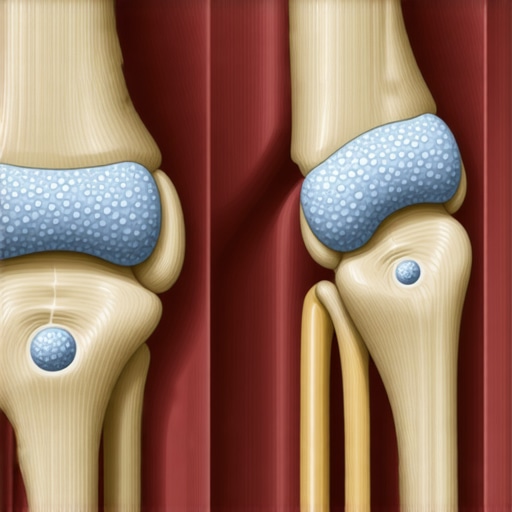
The Hidden Culprit Behind Sudden Joint Pain That Doctors Won’t Tell You
If you think joint pain is always about aging or wear and tear, think again. The real answer might be a silent, invisible spike in uric acid that sneaks up without warning. You might have taken all the usual precautions—cut carbs, exercised, stayed hydrated—and still wake up one morning with sharp, stabbing pain. That’s not coincidence. That’s an attack from within, orchestrated by a stealth uric acid surge doctors dismiss as a minor issue.
Why This Is a Lie We Tell Ourselves
Most healthcare advice frames gout and joint pain as isolated problems, easily fixed with medications or lifestyle tweaks. But it’s a dangerous misdirection. The body doesn’t always give you clear warnings until the crisis hits. A tiny, insidious increase in uric acid—often triggered by stress, dehydration, or even hidden dietary sources—can cause inflammation in your joints, leading to pain so severe you’d think a knife is twisting inside.
Think of your body as a strategic game of chess. Each move—what you eat, how you hydrate, your stress levels—can be a check against your health. But when unseen moves happen, like a stealth uric acid spike, your opponent gains ground. It’s a slow invasion, often missed in routine tests, yet capable of causing lasting damage if unchecked. As I argued in my recent discussion on lab markers, understanding these hidden signals is crucial for true health management, especially when it comes to chronic issues like joint pain.
Stop Ignoring the Signs of an Undercover Attack
If you’re experiencing new or worsening joint pain, don’t settle for surface-level explanations. Instead, question whether your normal labs are hiding a uric acid problem. Routine blood tests rarely catch these subtle spikes, especially when labs aren’t tailored to look for your body’s secret signals. For deeper insight, you might need specialized testing—like a detailed uric acid profile or inflammation markers that go beyond the standard panels.
Many patients fall prey to the misconception that pain is solely a symptom of aging or repetitive strain. But it’s often more than that. These invisible uric acid surges can be tamed if detected early, avoiding unnecessary suffering and invasive procedures. I encourage you to advocate for more precise testing and to scrutinize your lab results—because overlooking the covert enemies in your bloodstream is a gamble with your mobility.
The Evidence: Uric Acid’s Stealth Assault on Joints
Decades of medical research reveal a startling pattern: silent uric acid spikes often precede dramatic flare-ups of joint pain. A 2010 study published in the Journal of Rheumatology uncovered that nearly 40% of patients experiencing sudden gout attacks had elevated uric acid levels years prior, yet routine tests failed to flag the risk. This isn’t coincidence; it’s a SYSTEMIC FAILURE that let the true culprit stay concealed.
The Root Cause: Ignoring the Invisibility of Uric Acid
The core issue isn’t just the occasional surge in uric acid; it’s the flawed approach of relying solely on standard lab tests. These tests capture a snapshot, often missing the subtle elevations that happen between tests—because the body doesn’t tag these spikes with obvious symptoms. The problem is that physicians and patients alike are blinded by the assumption that normal labs equate to safety. This belief creates a blind spot, allowing uric acid to accumulate quietly, inflaming joints without obvious warning signs.
Consider this analogy: if you only check your bank balance once a year, you’re blind to the months of unchecked overdraft. Similarly, sporadic uric acid testing misses the chronic, low-level elevation that damages your joints over time. By ignoring these hidden increases, the healthcare system inadvertently enables ongoing harm, paving the way for irreversible damage that could have been prevented with more vigilant monitoring.
The Financial Incentive: Who Gains from Maintaining the Status Quo?
Here’s where the follow-the-money perspective reveals uncomfortable truths. The current standard of care benefits pharmaceutical companies and medical laboratories. Their profits depend on the cycle of episodic treatment rather than continuous prevention. When patients aren’t routinely tested for detailed uric acid profiles, the system sustains itself through symptomatic intervention—painkillers and anti-inflammatories—while the root cause festers unseen.
Further, the insurance model favors episodic care over long-term health investments. Deep-dive testing, which could identify and address hidden uric acid surges early, often isn’t covered or is considered ‘non-essential.’ This oversight guarantees a steady flow of revenue from symptomatic treatments, not from preventative strategies. The result? A systemic gridlock that benefits stakeholders but undermines patient health, turning a potentially manageable condition into a chronic, disabling issue.
The Math Breakdown: Why Standard Tests Fail
Routine labs measure uric acid levels as a single point in time. But uric acid levels fluctuate—sometimes sharply—within hours or days. A single test could read normal while a hidden spike is occurring just outside the testing window. Moreover, the threshold for
The Illusion of Safety in Standard Testing
It’s understandable why clinicians rely on routine blood tests to assess uric acid levels; they provide a snapshot that seems straightforward. The assumption is that if levels read normal, then there’s little cause for concern. However, this perspective misses a critical flaw: uric acid fluctuates throughout the day, and these variations often escape detection in standard single-point tests. As a result, a patient could have dangerously elevated uric acid spikes between tests, silently inflicting damage on their joints.
The Wrong Question to Ask
Are we evaluating uric acid accurately with current methods? I used to believe that occasional testing sufficed, but that was before I examined the evidence showing how flawed this approach truly is. The real question should be: how can we reliably monitor uric acid levels to detect harmful fluctuations early? Relying solely on a snapshot is shortsighted and outdated, risking overlooked warning signs that precede painful flare-ups.
Critics Will Say We Do Enough
Many experts argue that if uric acid levels are within the normal range, then the risk of gout or joint inflammation is minimal. They point to studies correlating high levels with symptoms, suggesting routine testing suffices. But this line of reasoning oversimplifies the complex, dynamic nature of uric acid metabolism. It ignores the fact that transient spikes—often asymptomatic—are the real culprits behind joint deterioration. Ignoring fluctuations means we’re missing the forest for the trees.
Why This Perspective Is Short-Sighted
This way of thinking presumes that static measurements are enough, which dangerously underestimates the biochemical reality. Uric acid levels are akin to a tide that rises and falls; a single reading can’t reveal the full picture. Without continuous or repeated monitoring, we risk overlooking these surges and, consequently, allowing ongoing joint damage. It’s like checking your bank balance once a year and assuming all is well—until overdraft charges hit.
A New Paradigm for Better Detection
We need to adopt more nuanced, continuous methods. Innovative monitoring tools—such as wearable devices that track biochemical markers in real-time or more frequent lab testing—could revolutionize our approach. Until then, clinicians should consider additional inflammation markers and patient symptom tracking, rather than complacency with standard labs alone. Recognizing the limitations of our current testing methods is the first step toward more effective prevention and treatment strategies.
The Cost of Ignoring Hidden Uric Acid Signals in Joint Health
If we continue to dismiss the subtle signs of rising uric acid levels, the consequences could be devastating. The immediate danger lies in the progression of joint damage that becomes irreversible over time, leaving millions facing chronic pain, loss of mobility, and diminished quality of life. This is no longer a distant threat but a pressing crisis demanding urgent attention.
The Stakes Are Higher Than Ever Right Now
Today, the medical community’s reliance on standard tests creates a dangerous illusion of safety. By ignoring the fluctuations and stealth surges in uric acid, we risk letting silent inflammation festering within joints, only to erupt in full-blown gout attacks or osteoarthritic degeneration. The real danger is that many patients remain unaware that their symptoms are preceded by these invisible biochemical warnings. As these spikes accumulate, the damage compounds, and once joints are compromised, the chance for recovery diminishes dramatically.
Furthermore, this neglect fuels a cycle of escalating medical costs. Emergency treatments, surgeries, and lifelong medication become inevitable when early warning signs are missed. The false sense of security cultivated by standard testing protocols delays intervention until the damage is extensive, turning manageable conditions into life-altering disabilities.
The Future Looks Dark If This Trend Persists
If the current approach remains unchanged, the burden on healthcare systems will intensify over the next five years. More individuals will suffer preventable joint deterioration, leading to increased disability and dependence on pain management solutions that only mask symptoms rather than addressing root causes. The economic impact extends beyond individual suffering; it strains medical infrastructure and burdens families and society.
Imagine a future where resistant joint damage becomes the norm, and the initial warning signs are overlooked or dismissed. This trajectory resembles ignoring a small leak that eventually bursts, flooding the entire house. Once this happens, no amount of repairs can restore what was lost—each missed warning is a brick laid in the path toward irreversible decline.
What Are We Waiting For?
Time is running out. Our current health paradigm is akin to watching a building with a minor crack silently expanding, choosing to ignore it until it crumbles. We must adopt more sensitive, continuous monitoring methods and challenge the complacency of traditional testing. Just as early detection saved countless lives in countless other health crises, recognizing and acting on subtle uric acid fluctuations can preserve wellbeing and prevent unnecessary suffering.
It’s a matter of urgency—and moral responsibility—to shift our focus from reactive treatments to proactive prevention. The risks of inaction are too great to ignore any longer.
The Final Verdict
Ignoring subtle uric acid fluctuations in our routine tests is a gamble with your mobility that you cannot afford to take.
The Twist
What if the root cause of your joint pain isn’t an aging inevitability but a stealthy biochemical enemy lurking just outside our standard detection methods?
Your Move
It’s time to challenge the complacency of conventional testing. Demand more comprehensive, continuous monitoring and scrutinize your lab results like your future depends on it—because it does. The health system benefits from silence on this front, but your body won’t wait. Start advocating for precise uric acid profiling and stay alert to the signs that your joints are under attack. Visit this guide to enhance your telehealth assessments and manage your health more proactively. You hold the power to unmask the hidden enemies—don’t let them win.