
The Tactic for Getting a Telehealth Prescription for a Recurring Issue
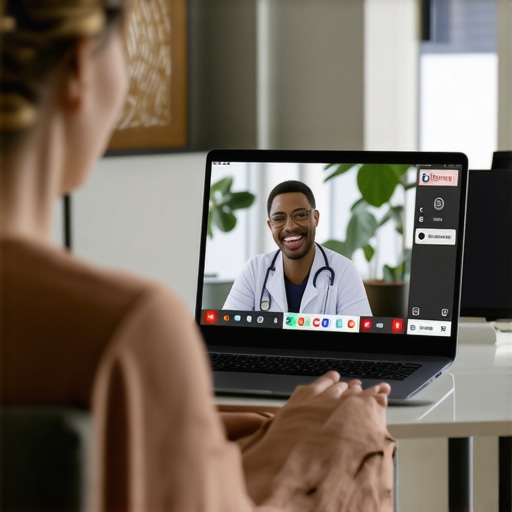
The Illusion of Control in Telehealth Prescriptions
Contrary to the reassuring glow of your screen, the current method for obtaining recurring prescriptions via telehealth is a game of smoke and mirrors. You might believe that clicking a few buttons and chatting with a doctor remotely is a straightforward path—think again. This fake simplicity masks a deeper deception: the system is designed to keep you dependent, not empowered.
Many will tell you that telehealth makes healthcare accessible and convenient, but what they won’t admit is that this convenience often comes at the cost of genuine medical oversight. The tactic? Use vague symptoms, fleeting visits, and a dash of corporate ‘care’ to keep you coming back, while the real issues—your lab results, persistent symptoms, or the long-term management of your condition—fall through the cracks.
Why This Fails
Let’s cut through the marketing fluff. If you’ve ever tried to get a recurring prescription without proper documentation or lab tests confirming your ongoing condition, you’ve experienced firsthand how flimsy this system can be. Doctors, hidden behind screens and busy schedules, rely heavily on superficial cues—your vague symptoms, your own self-reporting—rather than concrete data. As I argued in this article, true chronic care involves more than a quick chat; it’s about data, tests, and ongoing monitoring.
This approach is as reliable as using a band-aid on a sinking ship. The system prioritizes quick fixes for profit, not your health. The same-day appointments and rapid refills serve as a pipeline to keep you hooked, not an avenue for proper diagnosis or management. And if you think lab tests are optional, think again. They are the backbone of chronic care management—yet, often sidelined or heavily manipulated in telehealth settings.
The Market is Lying to You
It’s high time to call out the charade. Telehealth providers trumpet their advances, but behind the curtain, they’re peddling an illusion of continuity without real substance. The promise of seamless, virtual chronic care is a mirage—unless you are willing to gamble on the integrity of the system or rely on invasive procedures to catch the hidden problems. Take a closer look at how urgent care innovations and lab testing technologies are the real backbone of sustainable chronic management.
This is not about shaming the providers; it’s about recognizing the tactics they use. The question is: Are you just a number in their profit ledger, or an active participant in your health? If we’re serious about managing recurring issues, then we need to stop accepting superficial solutions and demand transparency, comprehensive testing, and continuity that’s grounded in real data.
The Illusion of Control in Telehealth Prescriptions
Contrary to the reassuring glow of your screen, the current method for obtaining recurring prescriptions via telehealth is a game of smoke and mirrors. You might believe that clicking a few buttons and chatting with a doctor remotely is a straightforward path—think again. This fake simplicity masks a deeper deception: the system is designed to keep you dependent, not empowered.
Many will tell you that telehealth makes healthcare accessible and convenient, but what they won’t admit is that this convenience often comes at the cost of genuine medical oversight. The tactic? Use vague symptoms, fleeting visits, and a dash of corporate ‘care’ to keep you coming back, while the real issues—your lab results, persistent symptoms, or the long-term management of your condition—fall through the cracks.
The Evidence: Flimsy Foundations of Telehealth Reliance
Let’s examine the realities. If you’ve ever tried to get a recurring prescription without proper documentation or lab tests confirming your ongoing condition, you recognize the fragility of this approach. Doctors, hidden behind screens and packed schedules, depend on superficial cues—your vague symptoms, your own self-reporting—rather than concrete data. As demonstrated in this article, true chronic care demands comprehensive testing, continuous monitoring, and data-driven decisions.
The reliance on quick chats and rapid refills can be likened to patching a sinking ship with duct tape. The system’s focus is profit-driven quick fixes rather than genuine health management. Same-day appointments, fast prescriptions—they serve as pipelines to lock you into ongoing reliance, not pathways to resolve underlying issues. And neglecting lab tests? That’s practically negligence. These tests constitute the backbone of effective chronic care—yet, in telehealth settings, they’re sidelined or manipulated to fit a narrative.
Follow the Money: Profits Over Health
Here’s the crux: who benefits from this setup? It’s not the patient. The providers, and especially the corporations behind these services, profit from repeat visits, prescriptions, and minimal accountability. Every quick consultation, every fast refill pushes profits, not health outcomes. They tout their innovations and streamlined processes, but behind the curtain lies a system designed to keep users dependent—an assembly line for chronic dependence, dressed up as care.
Take a closer look at the development of point-of-care labs and rapid testing technologies—those are the true backbone of sustainable, meaningful chronic management. Yet, they are often marginalized in favor of superficial virtual interactions that do little to reveal your true health status.
The Market’s Deception
This isn’t accidental; it’s a calculated deception. Telehealth providers trumpet their convenience, their accessibility, but the reality is quite different. What’s truly delivered is an illusion—a façade of continuity that masks a systemic failure rooted in the priorities of profit over patient welfare. Unless you’re willing to accept invasive diagnostics or rely on a shaky system’s goodwill, the prospects for genuine health improvement remain dim.
It’s a stark reflection of how the market prioritizes revenue streams over long-term health. The focus isn’t on resolving your chronic issues; it’s on keeping you compliant, returning for more. This is not an oversight; it’s an operation designed to sustain dependency, and the consequences are your health, compromised.
The Critique You Might Hear
It’s understandable to think that telehealth makes managing prescriptions more convenient and accessible, especially in our fast-paced world. Many argue that virtual consultations lower barriers to healthcare and empower patients to take control of their ongoing medication needs. This perspective emphasizes convenience and the potential for timely care without the hassle of in-person visits.
But That Perspective Missing the Point
…but that completely ignores the deeper issues embedded within this system. The idea that quick online chats equate to effective, long-term chronic care is a dangerous oversimplification. I used to believe in the promise of telehealth’s convenience myself, until I realized that behind the glossy veneer lies a fragile framework vulnerable to exploitation and mismanagement.
The False Sense of Security is Dangerous
While proponents highlight the ease of obtaining prescriptions remotely, they often overlook the essential component of thorough diagnostics and ongoing monitoring. Reliance on vague symptoms, self-reporting, and brief virtual visits cannot replace comprehensive assessments that include physical examinations and laboratory data. The real issue is that the current telehealth model often sidesteps these critical steps, risking misdiagnosis and inadequate management.
It’s crucial to recognize that true chronic care demands more than just a conversation. It requires a robust foundation of data—lab tests, imaging, physical evaluations—that can’t be replicated through a screen. Ignoring this is like trying to patch a leaking boat with duct tape—temporary, superficial, and ultimately ineffective.
The Misguided Trust in Technology
Many believe that technological advancements automatically translate into better health outcomes. While innovation has its place, it should not replace fundamental medical practices. Relying solely on digital interactions and quick prescriptions risks turning healthcare into a transactional service rather than a comprehensive process aimed at long-term health. The focus on speed and convenience often leads providers to neglect the nuance and detail necessary for proper chronic care.
The market’s obsession with rapid refill cycles and minimal oversight creates a false economy—saving time and costs in the short run but sacrificing patient safety and progress in the long term.
Challenge to the Status Quo
Let’s be clear: the real strength of healthcare lies in continuous, data-driven decision making—something no app or online chat can fully replace. The goal shouldn’t be quick fixes but sustainable management grounded in evidence and thorough evaluation. Anything less is malpractice masquerading as progress.
In summary, while telehealth offers undeniable convenience, it should not be mistaken for comprehensive care. The risks of superficial treatment, missed diagnoses, and long-term dependency far outweigh the fleeting benefits. The real question is whether we are willing to accept superficiality in exchange for convenience or push for a system that prioritizes genuine health over profits.
The Cost of Inaction
If we continue to neglect the dark realities behind telehealth’s superficial charm, the consequences will be catastrophic. The current trajectory promises a future where inaccurate diagnoses, untreated conditions, and systemic dependency become the norms. As reliance on quick virtual visits and minimal testing grows, so does the risk of mismanaged chronic illnesses and preventable health crises.
Without immediate change, the healthcare landscape will evolve into a fragile ecosystem, jeopardizing patient safety and long-term wellbeing. Already, fast prescriptions and fleeting consultations have led to a surge in unresolved health issues, creating a ticking time bomb that will inevitably explode in our faces. The already strained healthcare system will buckle under pressure, overwhelmed by complex cases that could have been managed effectively if only proper data and continuous monitoring were prioritized.
A Choice to Make
Each moment we delay confronting this problem is a moment lost in a wasted opportunity. We stand at a crossroads where we can either accept these deficiencies as inevitable or demand accountability and transparency from providers. The decisions we make today will shape the quality of healthcare in half a decade. Ignoring the signs and dismissing the warnings will turn our collective health into a gamble, betting on a system that is fundamentally flawed.
Consider this: a future where chronic diseases are misdiagnosed or left unmanaged, leading to increased hospitalizations, disabilities, and even deaths. It’s akin to ignoring a small leak in the boat; without addressing it, the entire vessel is destined to sink. We have the power to fix these issues now—by implementing comprehensive testing, ensuring data integrity, and holding providers accountable for their practices. But procrastination only adds weight to the impending disaster.
The Point of No Return
What are we waiting for? An epidemic of preventable health failures? A generation burdened with disabilities caused by neglect? The time for complacency is gone. The longer we allow superficial telehealth practices to reign supreme, the deeper we embed systemic flaws into our healthcare fabric. We risk creating a dystopian future where health outcomes are dictated not by patient need but by corporate profit margins.
Think of this crisis as a bridge on the verge of collapse. Delay in action will cause it to give way, plunging society into chaos. Our current complacency is the weight that pushes us closer to this disaster. If we do not act now with urgency and resolve, the legacy we leave behind will be one of preventable suffering and irreversible harm.
Is it too late?
Perhaps. But the real tragedy would be to continue turning a blind eye, convincing ourselves that superficial solutions are enough. The urgency is undeniable. The health of future generations depends on the decisions we make today. Our window for effective intervention narrows with each passing moment, and the cost of inaction will be paid in lives lost and quality diminished.
Your Move
The true power to reshape healthcare lies not in clicking buttons from your couch, but in demanding transparent, data-driven management that prioritizes your well-being over profit. This means advocating for comprehensive testing, continuous monitoring, and systems that hold providers accountable. The days of accepting superficial solutions are numbered—your health depends on it.
Remember, superficial convenience offered by telehealth is a mirage designed to keep you dependent. The real breakthrough comes when we refuse to be complicit in a system that benefits profit margins at the expense of genuine care. Dive deeper, question more, and insist on a healthcare landscape that serves you—not the system’s bottom line.
The Bottom Line
While telehealth presents a tempting facade of simplicity, true chronic care demands more than a quick chat. It calls for rigorous testing, quality data, and ongoing oversight that no digital platform can fully emulate. As you consider your next prescription, ask yourself: am I being cared for or merely kept dependent?
Visit urgent care innovations and learn how emerging lab technologies are shaping real health outcomes. The choice is clear—demand transparency, and refuse to settle for less.
Stand up for your health—and challenge the illusion.