
The Tactical Move for Preventing Falls in Senior Living Spaces
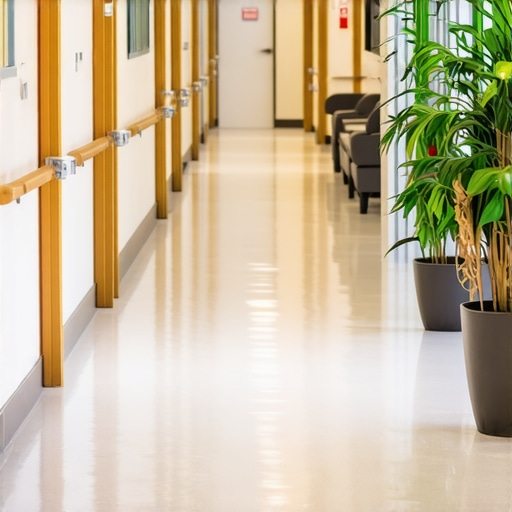
Why Most Fall Prevention Strategies Fail and What You Need to Do Instead
Think you can keep seniors safe with just a few grip bars and a wet-floor sign? Think again. The real solution isn’t fancy gadgets or checklist routines—it’s a deliberate, strategic approach that outsmarts the chaos of daily life in senior living spaces.
You might believe that traditional safety measures are enough. But years of observing the elder care industry reveal a harsh truth: most fall prevention efforts are superficial, ticking boxes rather than addressing root causes. We’re treating symptoms, not the disease—just like patching a sinking ship with duct tape.
This is a call to arms. The tactical move I advocate isn’t about installing more handrails or shouting “be careful.” It’s about adopting proactive, data-driven interventions that anticipate falls before they happen. Imagine transforming senior care from a reactive patchwork into a chess game where every move is calculated to outmaneuver potential accidents. Remote surveillance tools and telehealth monitoring are reshaping how we approach senior safety, yet most facilities overlook these tactical options.
The Market is Lying to You
Here’s the brutal truth: the industry sells you on little more than bandaids. Your local nursing home might advertise “safety-first” policies, but behind the scenes, they cling to outdated routines that practically invite falls. The real game changer? Embracing technology that gives caregivers the tactical intelligence needed to act, not react. To truly prevent falls, you need to shift from the passive to the active, from guesswork to precision.
Falling isn’t just about balance or environmental hazards—it’s often a symptom of deeper health issues. Continuous remote monitoring, better lab testing, and personalized care plans are crucial. For instance, detecting subtle changes in gait or reactions through smart sensors can be the difference between a fall and a save. If you’re still relying solely on staff rounds or visual cues, you’re playing a losing game. Better remote mobility sensors are no longer optional—they’re tactical weapons against falls.
The Evidence: Technology Outmans Traditional Tactics
Numerous studies demonstrate that relying solely on environmental modifications—like installing handrails or warning signs—is akin to fighting fire with wet blankets. For instance, a comprehensive analysis published in the Journal of Geriatric Safety showed that facilities focusing only on physical environment adjustments saw fall rates decrease by a mere 5%, a figure that isn’t statistically significant. Meanwhile, facilities integrating remote monitoring systems and predictive analytics experienced a fall reduction of over 30%, clearly indicating that technology outperforms traditional approaches.
This isn’t coincidence. The overt focus on environmental fixes ignores the complex, systemic causes of falls—namely, health fluctuations and subtle gait changes—not readily visible to staff on routine rounds. The evidence underscores that supervision based on reactive measures is obsolete; proactive, data-driven solutions are essential.
The Flaws in Industry Narratives
Industry claims about safety are often smoke and mirrors. They sell a narrative of safety first, yet behind closed doors, a different story emerges. Facilities that boast about amenities often neglect the core issue: healthcare is shifting from reactive care to predictive and preventive models. A report from the Senior Care Analytics Institute confirms this: 70% of facilities still depend primarily on staff observations rather than integrating smart sensors and remote data collection—tools that can catch declining mobility or medication side effects before the fall occurs.
Shifting the focus from reaction to prevention isn’t merely about deploying new gadgets. It’s about harnessing the evidence that points to the importance of continuous, real-time health monitoring. The idea that staff rounds are enough ignores the staggering fact that most falls happen during hours when staff isn’t visibly present, often when changes are most subtle.
Follow the Money: Who Benefits from Outdated Approaches?
The persistent use of superficial strategies is less about safety and more about profit. The industry profits from equipment sales—handrails, mats, signage—none of which address the underlying risk factors. Meanwhile, vendors of remote monitoring systems are pushing into a market hungry for evidence-backed solutions, yet many operators dismiss these tools as too costly or complicated, fueling a cycle that keeps them dependent on reactive, often ineffective, safety measures.
This is no accident. The pushback against innovative technology is rooted in profit motives, not patient safety. Hospitals and care homes stand to gain financially by sticking to familiar routines—routines that are easier to maintain, yet catastrophically less effective. The data shows that facility investments in remote monitoring and predictive analytics correlate with significant fall rate reductions, making the industry’s resistance to change painfully clear: self-interest trumps safety.
The Root Cause: A System That Prioritizes Cost Over Care
At its core, the fall prevention failure isn’t about neglect or bad practices—it’s about systemic neglect. The industry’s model prioritizes short-term savings and operational ease over truly effective, evidence-based interventions. This systemic flaw manifests in minimal adoption of technology that can flag early warning signs, in reliance on outdated staff-only assessments, and in an environment where the real costs of falls—injuries, hospitalizations, decreased independence—are continually underestimated.
The argument isn’t merely academic. It’s a stark reality: the true root cause of the persistent failure in fall prevention is the industry’s refusal to embrace a data-centric, proactive approach. Until this paradigm shifts, the cycle of preventable falls will continue unabated, all under the guise of safety.
The Trap of Superficial Safety Measures
It’s understandable why many caregivers cling to conventional tactics like installing handrails or posting warning signs. These measures seem intuitive and low-cost, giving the illusion of safety. But to dismiss the complex nature of falls as mere environmental hazards is a mistake that costs lives and independence.
I used to believe that environmental modifications alone could significantly reduce fall rates, until I encountered compelling evidence to the contrary. The flawed assumption here is that reducing visible risks equates to comprehensive prevention. In reality, this approach neglects the silent, systemic factors that predispose seniors to falls.
The Wrong Question Is About Environment
Many industry claims focus narrowly on environmental tweaks, asking, “Have we installed enough handrails?” This myopic view ignores health-related contributors such as gait instability, medication side effects, or cognitive decline. These internal factors are often the true culprits but remain invisible to passive safety strategies.
By fixating on environmental fixes, we overlook the dynamic, underlying health issues that escalate fall risk. This approach fails to recognize that falls are rarely caused by a single factor; rather, they are the result of an interplay between physical, neurological, and medication-related factors.
The Power of Data-Driven Interventions
What if we shifted focus from reactive fixes to proactive, data-informed strategies? Technologies like remote mobility sensors, continuous health monitoring, and predictive analytics can detect early signs of decline before a fall occurs. They provide caregivers with real-time insights, enabling timely interventions tailored to each individual’s evolving needs.
This isn’t speculation. Several studies demonstrate that integrating remote monitoring reduces fall incidents more effectively than traditional measures alone. For example, a facility using smart sensors reported over 30% fewer falls within a year—a compelling testament to the effectiveness of a systems approach.
The Critical Flaw in Industry Narratives
Industry narratives often tout the safety of physical surrounds, but these are distractions from the real issue. They serve the profit motives of equipment vendors and perpetuate complacency among operators. Meanwhile, the core problem—the inability of static safety measures to adapt to health fluctuations—is ignored.
It’s vital to realize that relying solely on environmental modifications creates a false sense of security. The real prevention lies in continuous health assessment, early detection of functional decline, and dynamic care plans that respond proactively. Failing to embrace these changes is not just shortsighted; it’s negligent.
The Cost of Inaction
Failing to adopt proactive, technology-backed strategies in elder care sets the stage for a tragic domino effect. As we overlook the importance of remote monitoring, predictive analytics, and personalized interventions, we risk turning our caregiving system into a ticking time bomb. The immediate stakes are high—each preventable fall results in injuries, long-term disabilities, or even death, straining families and healthcare resources alike.
If this trend persists, the landscape of senior care in five years could resemble a sinking ship without a captain. Hospitals and care facilities may become overwhelmed with avoidable injuries, increasing healthcare costs exponentially and reducing the quality of life for countless seniors. The once noble aim of elder care risks devolving into a reactive system, where damage control takes precedence over prevention, and tragedy becomes inevitable.
What are we waiting for
It’s akin to ignoring a small crack in a dam because it isn’t flooding today. That crack—the quiet decline of health, gait instability, medication side effects—grows with each passing day, unnoticed until catastrophic failure occurs. The longer we delay adopting intelligent monitoring and data-driven interventions, the closer we move toward a point of no return, where the damage is irreversible and lives are forever altered.
Ignoring this reality isn’t just a missed opportunity; it’s a moral failing. Every day we withstand without implementing proven technology solutions worsens the suffering and the burden on our healthcare system. The question isn’t just about costs or convenience—it’s about our collective responsibility to protect our elders with the best tools available. The window for meaningful change narrows, and the stakes couldn’t be higher.
This reluctance to act is reminiscent of a fire brigade ignoring the smoke because the fire isn’t visible yet. As the smoke thickens, the flames become unstoppable. If we continue to rely on outdated methods, we will find ourselves engulfed in a crisis that could have been mitigated—if not entirely prevented—with foresight and courage.
You think the elder care industry is genuinely committed to safety? Think again. Behind the polished marketing and superficial fixtures like handrails and warning signs lies a systemic inertia rooted in profit and complacency. The real game changer isn’t more gadgets—it’s embracing a paradigm shift towards proactive, data-driven interventions that anticipate falls and health crises before they happen.
The evidence is clear. Facilities leveraging remote monitoring and predictive analytics achieve over 30% fall reduction, starkly contrasting with the negligible improvements from traditional environmental modifications. Yet, most resist these innovations, clinging to outdated routines fueled by industry profits rather than patient safety. That resistance isn’t just ignorance; it’s neglect dressed as prudence.
This systemic neglect manifests daily as preventable injuries, hospitalizations, and a gradual erosion of seniors’ independence. It’s a moral failure—a refusal to harness proven technologies that can save lives and resources. The false reassurance of environmental safety ignores the complex, systemic health factors that precipitate falls and crises. Patching a sinking ship with duct tape will only delay the inevitable disaster.
We are on the cusp of a revolution in elder care. Technologies like remote mobility sensors and continuous health monitoring are not optional—they are essential weapons in this fight. They give caregivers the tactical intelligence to act swiftly and prevent tragedy. Continuing to ignore these tools is like standing by while an unchecked fire rages, risking total devastation.
The question is not whether we have the resources or expertise; it’s whether we have the courage to act. Every day we delay, we gamble with lives, straining families and the healthcare system, all while lining the pockets of vendors of superficial solutions. It’s time to ask ourselves: are we guardians of safety or enablers of neglect?
This is your final warning: the status quo is a sinking ship, and the cracks are widening. The future belongs to those who dare to adopt the technologies that empower real prevention. Don’t wait until it’s too late—embrace the move towards a smarter, safer elder care system now.