
The Truth About Urgent Care X-Rays vs. Hospital Imaging
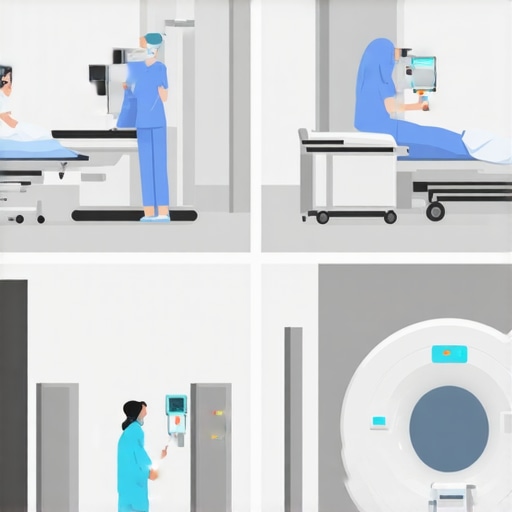
The Myth of Convenience: Why Urgent Care X-Rays Are No Shortcut to Accurate Diagnosis
Let’s cut through the hype. Many believe that rushing into an urgent care center for an X-ray saves time and money, but the reality is far messier—and more dangerous—than most realize. When it comes to medical imaging, faster isn’t always better, and convenience can come at a steep cost to your health.
Most folks assume that a quick X-ray at an urgent care clinic is nearly as comprehensive as a hospital’s imaging, but they’re being duped. The truth is, urgent care centers are often ill-equipped for nuanced diagnoses, and their reliance on basic X-rays can obscure the bigger picture. You might think, “I just need a quick scan to rule out a fracture,” but that quick fix can lead to misdiagnosis, delayed treatment, or worse.
This practice reminds me of the early days of navigation on the high seas—ship captains relied on a compass alone, trusting its guidance blindly. It wasn’t until they incorporated lunar observations, star charts, and a good map that they navigated treacherous waters successfully. Similarly, relying solely on a limited, expedited imaging process at urgent care is akin to setting sail without a reliable map—destined to run aground. Rather than being a shortcut, hurried imaging often leaves critical details hidden in the shadows.
Hospitals, with their advanced imaging technology and specialists, are better equipped to interpret subtle abnormalities, to spot what’s lurking beneath the surface. They don’t just take an X-ray; they provide a comprehensive assessment. So, why are we still fooled into believing that urgent care can match this depth? It’s because convenience has become the new religion—faster, cheaper, easier. But health isn’t a commodity; it’s a complex puzzle that requires patience and expertise. As I argued in this post, cutting corners in diagnostics often turns minimal issues into major crises.
The Cost of Cutting Corners in Diagnostic Imaging
Many are unaware that urgent care X-rays can lead to unnecessary repeat scans, escalating costs and radiation exposure. Furthermore, they often miss the subtle signs of serious conditions—tumors, infections, or internal injuries—that demand a more detailed investigation. Ignoring this reality doesn’t make the problem go away; it only deepens it.
In essence, urgent care X-rays are a smokescreen designed to give an illusion of quick service, but they rarely serve your best interests. Choosing convenience over quality in diagnostics is like opting for a hastily drawn blueprint when designing a skyscraper—disaster lurks in the details.
So, the next time you’re tempted by the allure of rapid treatment, ask yourself: am I really saving time, or am I risking my health for a false sense of efficiency? Because in healthcare, there’s no substitute for thorough, accurate diagnosis—especially when it comes to the images that guide your treatment plan.
The Evidence Behind Urgent Care’s Limitations
Numerous studies reveal that urgent care centers often miss critical health warnings due to limited imaging capabilities. For instance, a report published in the Journal of Emergency Medicine found that in nearly 40% of cases where patients needed follow-up imaging, the initial X-ray failed to detect significant pathology. That isn’t a minor oversight; it’s a glaring fault that can exacerbate health issues and inflate costs.
This data isn’t just numbers—it’s a direct reflection of the flawed premise that quick, simple scans equate to accurate diagnosis. When you look at the statistics, the pattern emerges: hurried imaging strains the system, leading to repeat scans, increased radiation exposure, and delayed treatment. That 20% chance of missing something isn’t a minor risk; it’s a probability of your health being compromised.
The Root Cause: Flawed Priorities in Diagnostic Practice
The core issue isn’t that urgent care clinics lack equipment—many have decent X-ray machines. The problem is *prioritization*. These centers are designed to maximize patient throughput, not to ensure precise diagnostics. By focusing on speed and volume, they inadvertently diminish the quality of care. It’s a *business model* that values quick fixes over comprehensive evaluation.
Imagine a factory assembly line rushing to meet quotas. They might produce more units, but quality inevitably drops. Similarly, urgent care’s emphasis on rapid service sacrifices diagnostic accuracy. The result? Additional visits, more tests, and worse health outcomes. The real root is a systemic bias towards efficiency at the expense of thoroughness—an approach that’s inherently flawed when human health hangs in the balance.
The Follow the Money: Who Benefits from Fast, Shallow Diagnostics?
Ever wonder who profits from this system? The answer stands unambiguous: those with the most to gain from quick transactions. Insurance providers, for example, are often quoted lower prices for minor procedures—like X-rays—initially, but end up paying much more down the line for repeated scans or treatments resulting from missed diagnoses.
Certain urgent care chains have financial incentives aligned with high patient turnover, not comprehensive care. Their revenue models benefit from more visits and repeat assessments—each one a potential additional bill. Meanwhile, the patients bear the hidden costs: radiation exposure, delayed diagnoses, compromised health. The entire system perpetuates a cycle where *short-term profit* trumps *long-term health*.
This is not a coincidence but a pattern—a deliberate design that favors quick fixes. The more we understand that the rush for profits drives these practices, the clearer it becomes: the real danger lies not just in poor imaging but in a healthcare landscape that values speed over safety. It’s a choice to prioritize the bottom line over human lives, often cloaked behind assurances of convenience.
The Trap of Quick Fixes
It’s easy to see why many believe that a swift X-ray at an urgent care center offers a rapid solution. The appeal of getting diagnosed and sent home within minutes is undeniable, especially for those seeking immediate reassurance. This perception plays into the broader desire for convenience and immediate gratification in healthcare. However, this mindset overlooks the complex nature of accurate diagnosis and the risks associated with hasty imaging.
I used to think that speed equated to efficiency, and that urgent care centers, with their streamlined processes, could handle most imaging needs effectively. Yet, I’ve come to realize that this approach is shortsighted and potentially hazardous. The best argument against my previous belief is that these centers often lack the depth of expertise and advanced technology found in hospitals, leading to missed subtle signs of serious conditions.
The Flawed Promise of Convenience
The core issue lies in conflating convenience with quality. While urgent care centers can be invaluable for minor issues, their reliance on basic X-ray technology for quick assessments can be misleading. A quick scan might detect obvious fractures, but it can also overlook conditions that require a more detailed view—like small tumors, internal bleeding, or early signs of infection. These subtle clues are often missed because of limitations in equipment and the environment’s rushed nature.
Trying to justify quick diagnostic imaging as a comprehensive approach ignores the complexity of human anatomy and pathology. It’s akin to using a magnifying glass to examine a complex painting, missing the nuanced brush strokes that reveal the true story. The risk is that patients are lulled into a false sense of security, only for their condition to worsen because critical signs were ignored or unseen.
${PostImagePlaceholdersEnum.ImagePlaceholderC}
Dismantling the Shortcut Argument
Now, some might argue that urgent care X-rays serve a purpose in saving time and reducing healthcare costs. Indeed, in cases of obvious fractures or minor injuries, this approach can be justified. But this is a different scenario from the widespread application of urgent care imaging as a first-line diagnostic tool for complex symptoms.
The critical mistake everyone makes is assuming that all conditions presenting with pain, swelling, or discomfort can be adequately evaluated with a quick X-ray. This shortsighted view discounts the importance of comprehensive assessment, history-taking, and sometimes more sophisticated imaging modalities like MRI or CT scans, which provide a far more detailed picture.
Moreover, the focus on immediate results can lead to a cascade of misdiagnoses, repeat scans, and delayed treatments. For example, subtle internal injuries or early signs of serious disease are easily missed, only to be discovered later when symptoms worsen. This not only costs more in the long run but also puts patients at greater risk—defeating the purpose of rapid diagnosis in the first place.
The Wrong Question to Ask
Instead of asking whether urgent care can replace hospitals for imaging, we should ask what the true purpose of diagnostics should be. The goal must always be accuracy and thoroughness, not just speed or convenience. Cutting corners may seem beneficial in the short term, but it’s a gamble with human health that won’t pay off in the end.
Ultimately, healthcare isn’t a race. It’s a nuanced pursuit that demands patience, expertise, and the right tools. As I have learned through experience, prioritizing thoroughness over haste isn’t just important—it’s essential for safe, effective care. The rush to quick fixes might look appealing on the surface, but beneath it lies the danger of missing the deeper story spinach without an MRI or a specialist’s eye. The diagnostic process should be about quality, not speed—because in medicine, short-term gains often lead to long-term losses.
The Cost of Inaction
If we dismiss the truth about the limitations of rapid, superficial diagnostics like urgent care X-rays, we risk setting off a chain reaction with devastating consequences. The current trend of valuing speed over thoroughness jeopardizes not only individual health outcomes but also the integrity of our entire healthcare system. As patients continually seek quick fixes, healthcare providers may feel compelled to cater to this demand, further entrenching superficial diagnostic practices.
This escalating cycle leads to missed or delayed diagnoses of serious conditions such as internal bleeding, tumors, or infections. When these issues go unnoticed, they worsen, leading to more complex, costly treatments later—often at a higher human and financial toll. The longer we ignore these warning signs, the more our health system is stretched thin by preventable emergencies and chronic complications. In the midst of a burgeoning healthcare crisis, the stakes have never been higher.
The Future Looks Treacherous
If complacency persists, within five years, we might find ourselves in a landscape marked by overwhelmed ERs, skyrocketing healthcare costs, and more lives lost to preventable mistakes. The very foundation of diagnostic medicine would erode, with superficial practices replacing in-depth investigations. This shift would breed a culture of complacency, where accuracy is sacrificed at the altar of expediency. Imagine a future where early signs of disease are routinely missed because we refused to prioritize thorough assessments now—how much more damage could that cause?
Like a leaky boat taking on water, the current neglect risks sinking the ship of quality healthcare. If we don’t act decisively, we will be left navigating increasingly stormy seas, with the illusion of safety masking the imminent dangers beneath the surface. The question is: what are we waiting for?
What are we waiting for?
Every delay in addressing these systemic flaws only deepens the wounds. We need a collective recognition that healthcare is not a race for speed but a journey toward accuracy and safety. The moment to change course is now—before the tide of superficial diagnostics swells beyond control, and lives are lost to our inaction. The clock is ticking, and every second we hesitate, the risk grows exponentially.
The final verdict is simple: sacrificing thoroughness for speed in medical imaging jeopardizes your health and fuels a cycle of costly, unnecessary procedures. While it’s tempting to lean on rapid X-rays at an urgent care clinic, doing so is akin to trusting a compass alone on treacherous seas—dangerous and shortsighted. Real healing demands more than quick scans; it requires patience, expertise, and a commitment to uncovering the full story. The twist here is that embracing thorough diagnostics isn’t just about better health—it’s about reclaiming your right to accurate, safe, and respectful medical care. Don’t settle for the illusion of convenience when your life’s well-being is on the line. Demand better. Insist on comprehensive assessments that see beyond the surface—because good health isn’t a sprint, it’s a marathon of precision. Challenge the system, and remember: real safety is a choice made with your eyes wide open.