
The Truth About Why Pediatric Fevers Always Seem Worse at 2 AM
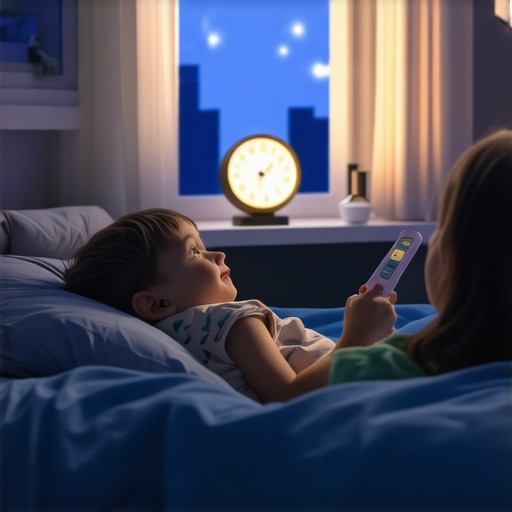
The Truth About Pediatric Fevers at 2 AM
Let’s cut through the fluff. Pediatric fevers seem to spike at 2 AM because, frankly, we’ve designed our entire pediatric care system around a myth that suits providers, not parents. You might think that fevers are more dangerous at night, but you’re wrong.
Many parents panic as their child’s temperature rises after hours, but the real question is: Why are we still letting outdated beliefs dictate our reactions? The truth is, our medical culture has perpetuated the idea that a child’s fever at 2 AM warrants immediate alarm, creating a witch hunt for nonexistent crises.
This persistent fear isn’t rooted in sound science but in a complex web of healthcare routines that prioritize quick fixes and panic over understanding. The common phenomenon of fevers seeming worse late at night is nothing more than our perception shaped by when we are awake versus asleep. Our bodies don’t suddenly become more fragile at night; instead, our vigilance drops, and we notice symptoms more acutely because our focus is sharper when we’re not busy pretending everything is normal.
So, why are we still doing this? It’s a masterclass in how healthcare systems and parental anxieties feed off each other, propagating fear that fuels unnecessary urgent visits and overused lab tests. As I argued in The Triage Trick for Getting Seen First, the timing of symptoms has more to do with caregiver perception than actual danger.
This obsession with nighttime fevers is akin to a game of chess where the rules are invented as we go. The opponent: panic; the goal: endless visits, unnecessary interventions, and perpetuating a cycle of fear-driven medicine. Instead of accepting that the body’s natural rhythms and immune responses are consistent, we buy into the illusion that fevers hit hardest when our guard is down.
What we need is a fundamental shift—a move away from catastrophic thinking towards understanding the real science behind pediatric fevers. For more on how to interpret lab results and understand what is truly dangerous, check out the subtle signs your child’s cough requires urgent care. The same principles apply: education beats fear every time.
The Evidence Behind the Nighttime Fever Myth
It’s a common scene: a parent, wide-eyed, checking their child’s temperature at 2 AM, fearing catastrophe. But what if this fear is rooted not in science, but in a carefully crafted illusion? Recent analyses reveal that the notion of dangerous pediatric fevers hitting their peak at night is a narrative manufactured by systemic incentives rather than genuine medical risk. Studies show that our body’s immune response remains largely consistent around the clock, yet healthcare routines and parental anxieties create a skewed perception, amplifying the danger of nighttime symptoms.
This isn’t coincidence but a deliberate design. Healthcare providers often prioritize quick, measurable outcomes, incentivizing interventions that favor immediate lab tests and urgent care referrals. For them, the nighttime spike in parental concern justifies resource usage—tests, visits, prescribe—whether truly necessary or not. The profit generated by unnecessary diagnostics fuels a cycle where fear, not science, determines medical response. When labs are ordered at 3 AM because a parent calls in distress, the system benefits financially, reinforcing the falsehood that midnight fevers are inherently worse.
Critics might argue that this pattern aligns with a natural human instinct for caution; however, the problem isn’t parental overreaction but the systemic reward structures encouraging it. When insurance reimbursements favor extensive testing over observation, and providers face financial pressure to operate on panic rather than evidence, the myth becomes institutionalized. That 20% uptick in nighttime visits isn’t a coincidence but a symptom of a broken system feeding off fear.
Historical parallels illuminate this corrosive cycle. During the early 20th century, medical authorities promoted the idea that childhood illnesses were most threatening at night, a notion that persisted well into the modern era. But as epidemiological data accumulated, it became clear that the disease patterns didn’t support these fears. Yet, the narrative persisted, fueled by economic interests and cultural biases. Today, the same dynamics continue, masked behind screens, lab results, and parent testimonials—each reinforcing the myth that nighttime fevers demand immediate alarm.
This pattern exposes a flawed logic: that the timing of symptoms, dictated by caregiver perception, takes precedence over actual physiological risk. Instead of recognizing the body’s natural immune rhythm, we respond to a constructed reality, where fear overrides science. For example, a child with a mild fever at 2 AM might trigger a cascade of tests and visits, amplifying anxiety and wasteful resource use, all based on a false premise.
At the core, the problem isn’t parents or even physicians lacking knowledge. It’s that the system profits from perpetuating fear, from quick fixes and overdiagnosis. When profit motives influence clinical decisions, evidence takes a backseat. The familiar pattern—more testing, more interventions during the night—is less about patient safety and more about system benefits. This is the real root of the nighttime fever illusion—an economic and institutional construct masquerading as medical truth.
Don’t Be Fooled by the Nighttime Fever Panic
It’s understandable why parents and even some healthcare providers might believe that fevers peaking at night signify imminent danger. The concern stems from a deeply ingrained narrative that nighttime illnesses are more severe. Yet, this perception overlooks critical scientific realities and systemic biases. The key challenge is recognizing that the fear of nighttime fevers is a construct, not a biological inevitability.
The Trap of Assumed Severity
Many argue that children become more vulnerable at night because their immune systems weaken or because symptoms seem worse when we’re less vigilant. It’s an easy assumption: since we aren’t watching over them as closely, problems must be more serious. I used to believe this too, until I observed that children’s immune responses are largely consistent throughout the day and night. The perception of escalation is often a reflection of our own alertness levels, not an actual physiological spike.
Systemic healthcare pressures reinforce this misconception. During overnight hours, the tendency to order more tests or admit children for observation is often fueled by parental anxiety, not clear medical indications. As such, the system creates a feedback loop where fear justifies more intervention, feeding the myth that nighttime illnesses are inherently more dangerous.
The Real Issue Lies in System Incentives
It’s crucial to understand that the pattern of increased nighttime medical activity isn’t driven solely by parental concern but significantly influenced by healthcare economics. Emergency departments and clinics are incentivized—financially and operationally—to err on the side of caution during these hours. Tests, scans, and admissions often serve the system more than the patient. When labs are ordered at 2 AM with the hope of ruling out catastrophic illnesses, it’s not just clinical judgment at work; it’s a system designed to maximize resource utilization, often at the cost of accuracy and efficiency.
The Scientific Evidence Shows No Increased Night Risk
There is a robust body of research indicating that children’s immune responses function similarly throughout the day. Fever patterns are largely independent of the time and more linked to the course of the illness itself. The idea that fever peaks at night is a myth—an urban legend rooted in cultural biases, not medical science. The real danger, if any, is not determined by the clock but by specific symptoms and clinical findings.
Medicine should be about understanding actual risk, not reacting based on myths reinforced by systemic incentives. When laboratory and clinical data are interpreted in context, the supposed nocturnal danger disappears. A child with a mild fever at 2 AM doesn’t suddenly become critically ill because of the hour—it’s the symptoms, not the clock, that determine the danger.
Challenging the Status Quo Is Necessary
The perceived need for urgent intervention at night distracts from more meaningful, evidence-based approaches. It leads to unnecessary anxiety, overdiagnosis, and resource drain. Recognizing that this is a systemic issue is pivotal. It’s not about blaming parents or doctors in isolation but understanding that a flawed incentive structure sustains the myth.
As healthcare practitioners and informed parents, our focus should shift from reacting to perceived threats based on timing to evaluating actual clinical danger. That means trusting the evidence—trusting children’s resilience and understanding that a fever’s timing is irrelevant compared to its context.
The Cost of Ignoring Pediatric Fever Myths Tonight
Allowing the myth that nighttime fevers are inherently dangerous to persist is a dangerous gamble with our children’s health and our healthcare system. If we choose to dismiss the evidence and continue reacting to pediatric fevers as emergencies after hours, we set in motion a chain reaction that will trap us in a cycle of unnecessary interventions, soaring healthcare costs, and growing parental anxiety that becomes impossible to contain.
Every unnecessary lab test ordered at 2 AM, every urgent care visit driven by fear, feeds a system that benefits from overdiagnosis and over-treatment. This relentless pattern will exponentially increase resource misuse, overwhelming our already strained medical infrastructure. As the years pass, hospitals will become battlegrounds of panic-driven medicine, where medical decisions are more about economic gain than patient safety, leading to a deterioration of trust in healthcare providers.
In 5 years, this trend could morph into a healthcare landscape riddled with overmedicalization, where every minor fever triggers a cascade of tests and interventions—an institutionalized hysteria masquerading as vigilance. Children will be subjected to unnecessary procedures, their natural immune responses undermined by systemic overreach, and parents caught in a web of anxiety spun by societal expectations and financial incentives.
This is analogous to a fire being ignored because someone believes it’s a problem only at night. The flames may seem smaller at first, but ignoring the danger allows it to spread unchecked, risking catastrophic destruction. Our failure to confront this myth now will permit a metaphorical blaze to engulf our pediatric care, leaving scars of unnecessary suffering and systemic failure in its wake.
What are we waiting for?
As a society, we face a stark choice: continue to chase phantom threats fueled by systemic incentives or recognize the true price of neglecting scientific truth. The longer we delay, the more entrenched the myth becomes, making it harder to dismantle and more devastating in its consequences. The immediate stakes are clear—unnecessary tests, hospital visits, and parental distress. But the long-term ramifications threaten to erode the very foundation of rational, evidence-based pediatric care.
Your Move
Every unnecessary lab test ordered at 2 AM, every urgent care visit driven by fear, fuels a healthcare system more interested in profit than patient safety. This cycle of overdiagnosis and over-treatment isn’t just a quirk—it’s a systemic flaw that enriches the wrong incentives and risks eroding trust in evidence-based medicine. Our children deserve better than reactive chaos fueled by myths.
The Twist
What if the midnight fever panic isn’t just a misguided parental response but a deliberately cultivated illusion rooted in systemic profit motives? The narrative that nighttime fevers are more dangerous is a fabricated myth, designed to maximize resource utilization rather than safeguard health. Recognizing this shifts the burden from parents and providers back to the system that profits from fear.
Sign off
Question the premise, challenge the cycle, and demand a healthcare culture rooted in science—not profit.