When technology meets medicine: a new era in chronic disease management
Imagine waking up to find your health data already analyzed and your next appointment scheduled without ever leaving your home. In an age where chronic diseases like diabetes, hypertension, and autoimmune conditions demand continuous monitoring, telehealth and lab testing are emerging as game-changers.
According to a recent report from the CDC, over 60% of adults in the U.S. live with at least one chronic condition, making accessible and reliable care more critical than ever. The integration of trusted telehealth platforms with accurate lab testing offers a lifeline for those navigating complex health journeys, promising faster diagnoses, personalized treatment, and better outcomes.
Is digital health truly the future of chronic disease care or just a passing trend?
This question sits at the heart of ongoing debates among healthcare professionals and patients alike. While skeptics raise concerns about data security and the lack of physical exams, advocates point to the tangible benefits of convenience, immediate access, and data-driven decision making. As technology advances, the debate intensifies, but evidence suggests that trusted telehealth and lab testing are reshaping how we approach chronic conditions.
For an in-depth exploration of how these solutions are improving patient outcomes, check out Trusted Lab Tests & Telehealth for Better Chronic Disease Results.
The Rise of Digital Health Platforms
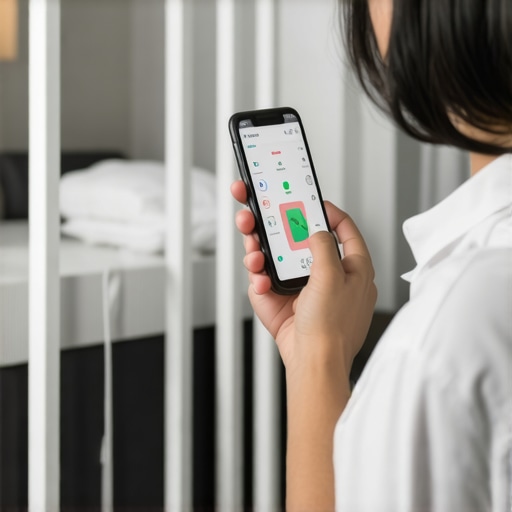
Over the past decade, the healthcare landscape has undergone a profound transformation driven by technological innovation. Companies like Teladoc Health and Amwell have pioneered telehealth services, enabling patients to consult with physicians via video calls, often from the comfort of their homes. Meanwhile, digital health startups specializing in remote monitoring devices—such as continuous glucose monitors for diabetics or blood pressure cuffs connected to smartphones—have gained traction. These tools facilitate real-time data collection, which can be shared seamlessly with healthcare providers, enabling more proactive and personalized treatment plans.
According to a 2022 report by McKinsey & Company, telehealth utilization surged by over 150% during the COVID-19 pandemic and has remained elevated, signaling a lasting shift in patient preferences and healthcare delivery models. This rapid adoption reflects a broader trend toward patient-centered, accessible care that reduces barriers like travel and waiting times.
Historical Context and Policy Shifts
The foundation for this digital health revolution was laid with policy changes aimed at expanding telehealth access. Notably, during the pandemic, the U.S. government relaxed regulations and expanded reimbursement policies, encouraging healthcare providers to adopt virtual care models. The CARES Act and subsequent federal initiatives temporarily eased licensure restrictions, allowing providers to serve patients across state lines. These policy adjustments accelerated the integration of telehealth into mainstream healthcare, laying the groundwork for ongoing innovation.
Furthermore, the development of lab testing technologies, such as at-home testing kits and portable diagnostic devices, has democratized access to essential health data. Historically, lab tests required patients to visit clinics or hospitals, but now, many tests can be performed at home, with results transmitted instantly to healthcare providers. This shift is supported by regulatory agencies like the FDA, which have approved numerous remote testing solutions, recognizing their potential to improve outcomes for chronic disease patients.
< >
>
The Market Impact and Future Outlook
The confluence of telehealth and lab testing has created a burgeoning market, attracting significant investment from technology giants and healthcare conglomerates alike. According to Bloomberg Intelligence, the digital health sector is projected to reach a valuation of over $300 billion by 2025. This growth is driven by increased demand for continuous monitoring, personalized medicine, and the need to manage rising healthcare costs.
On the ground, healthcare providers are integrating these tools into electronic health records (EHRs), enabling a comprehensive view of patient data. This integration facilitates more accurate diagnoses, timely interventions, and tailored treatment plans, particularly for managing complex conditions like diabetes or autoimmune disorders. As technology continues to evolve, clinicians and patients alike are optimistic about the potential for digital health to improve quality of life and reduce complications associated with chronic illnesses.
Is Digital Health a Double-Edged Sword?
While the promise of telehealth and remote lab testing is captivating, critics urge caution. Dr. Emily Carter, a seasoned cardiologist, voices a common concern. “Technology can be a great tool, but it shouldn’t replace the human touch,” she warns. “Patients often need reassurance, empathy, and a physical exam that no device can replicate.”
Proponents argue that digital health enhances care accessibility and personalization. Yet, skeptics question its sustainability. How many patients truly prefer virtual visits over in-person consultations? Will technology miss the nuance of human interaction that often catches subtle health issues?
Could relying on data create blind spots?
Experts like Dr. Alex Nguyen highlight a hidden risk. “Data overload can lead to missed signals,” he explains. “A patient’s story, their tone, their physical cues—these are vital and often lost in digital exchanges.”
Moreover, there’s the issue of digital literacy. Not everyone is comfortable navigating apps or interpreting lab results. For some, this shift might deepen health disparities rather than close them.
This raises a critical question: Are we sacrificing the depth of human connection for convenience and data-driven insights? As we embrace these innovations, it’s worth asking whether technology can truly replace the empathy and intuition that define quality healthcare.
According to a 2022 study published in the American Journal of Medicine, nearly 40% of patients reported feeling less satisfied with virtual-only care, citing a lack of personal interaction. This suggests that, despite technological advances, the human element remains irreplaceable.
What is your take? Can digital health truly balance efficiency with compassion, or are we risking a future where technology outpaces the human touch?
Gazing Into the Crystal Ball of Healthcare Innovation
As we stand on the cusp of a new era in digital health, the long-term implications of telehealth and lab testing promise to reshape the healthcare landscape in profound ways. These advancements are not just fleeting trends but are poised to become integral components of our health management systems, influencing everything from policy to patient behavior.
One of the most exciting prospects is the integration of artificial intelligence with telehealth platforms. AI-driven diagnostics and personalized treatment recommendations could become standard, enabling proactive care tailored to individual genetic and lifestyle factors. According to a 2023 report by Deloitte, the adoption of AI in healthcare is expected to increase by over 30% annually, driven by advancements in machine learning and data analytics, potentially reducing diagnostic errors and optimizing treatment plans.
Legislative changes are also likely to accelerate, with governments around the world recognizing the importance of remote care. Future regulations may focus on establishing universal standards for data security, interoperability, and reimbursement models, ensuring that digital health tools are accessible, safe, and equitable. Countries like the UK and Singapore are already experimenting with national digital health strategies that could serve as models globally.
Culture-wise, there will be a growing shift in patient attitudes, emphasizing empowerment and self-management. Wearable devices and at-home testing kits will become more sophisticated, enabling individuals to monitor their health continuously and make informed decisions without constant clinician oversight. This could lead to a decentralization of healthcare, with a stronger focus on prevention rather than just treatment.
Will Digital Health Survive 2025 or Evolve into Something New?
The trajectory suggests that digital health will not only survive but evolve into an even more comprehensive ecosystem. Innovations like blockchain for secure health data exchange and virtual reality for immersive therapy are already emerging, hinting at a future where technology seamlessly integrates into every facet of healthcare. A forward-looking study by Frost & Sullivan estimates that the global digital health market could reach $600 billion by 2030, underscoring the momentum behind these developments.
To stay ahead of the curve, healthcare providers, policymakers, and patients must adapt proactively. Embracing continuous learning, investing in digital literacy, and advocating for inclusive policies will be crucial. As digital health continues to evolve, those who prepare today will be best positioned to harness its full potential—improving outcomes, reducing costs, and empowering individuals in their health journeys.
As we close this exploration of technology’s transformative role in healthcare, one thing is clear: the future of chronic disease management hinges on the delicate balance between innovation and human compassion. The integration of trusted telehealth platforms with advanced lab testing is no longer a distant dream but a present reality, reshaping how patients and providers connect, diagnose, and treat. From real-time data sharing to AI-driven insights, these tools promise a more proactive and personalized approach to care. Yet, as Dr. Emily Carter warns, technology should complement, not replace, the empathetic human touch that remains at the heart of healing. The question now is whether healthcare professionals and patients can harness these innovations to enhance lives without losing sight of the human element that defines quality care. As governments worldwide develop policies to support this digital shift, one thing is certain: the journey toward a more accessible, efficient, and compassionate healthcare system is just beginning. Will digital health continue to evolve into a seamless ecosystem, or will we encounter unforeseen challenges along the way? The future depends on our ability to adapt and prioritize what truly matters—our health and humanity.
Reading this post really highlights how much the landscape of chronic disease management is transforming with technology. I’ve personally seen friends with diabetes benefit from continuous glucose monitors that sync directly with their smartphones, allowing for real-time insights and adjustments. It’s incredible how these tools can empower patients to take a more active role in their health, rather than just relying on periodic checkups. However, I wonder about the long-term adherence; do patients find these devices sustainable and meaningful over years? Also, the discussion on data overload and human connection really resonates with me. In my experience, digital tools are most effective when complemented by empathetic, one-on-one care from healthcare providers. How do others see balance being struck between leveraging technology and maintaining genuine human relationships in care? It feels like the future hinges on integrating the best of both worlds seamlessly.
This post really sheds light on how integrated telehealth and lab testing are transforming chronic disease management. I’ve seen firsthand how remote monitoring devices, like blood pressure cuffs and glucose sensors, allow patients to better understand their conditions and collaborate more effectively with their healthcare team. The convenience of managing health from home, coupled with real-time data, makes a significant difference, especially for those with mobility or transportation challenges. However, I do wonder about the long-term engagement—do patients remain motivated to use these devices consistently over years? And how do we ensure data privacy remains uncompromised as these technologies become more widespread? On another note, the emphasis on policy advancements is encouraging, but I think we need continuous efforts to make these innovations accessible across different socioeconomic groups to truly democratize healthcare. From your experience, what strategies have you seen that help sustain patient engagement over time while maintaining data security and privacy? It seems like the future of healthcare hinges on balancing these technological benefits with consistent human support.
I really appreciate this comprehensive look at how digital health tools are reshaping chronic disease management. Having worked with patients who use continuous glucose monitors, I’ve seen how empowering real-time data can be, but it also raises questions about the digital divide. How do healthcare systems ensure equitable access to these advanced tools, especially for underserved populations? I believe integrating traditional care with digital solutions is essential to prevent deepening disparities. The part about balancing AI-driven diagnostics with human empathy hits close to home—sometimes, the nuance of a face-to-face conversation can reveal subtle clues that data alone might miss. What innovative approaches have you seen for maintaining this human connection in an increasingly digital landscape? I think the future belongs to those who genuinely combine these technologies with personalized, empathetic care.