When a sudden illness strikes, seconds matter more than ever
Imagine waking up with a fever, sore throat, and a pounding headache. The nearest doctor’s office is miles away, and your condition feels urgent. In moments like these, the traditional healthcare system can seem slow and inaccessible, leaving many to wonder: is there a better way?
Enter the rapid rise of urgent care and telehealth services. These healthcare innovations promise immediate relief, dependable support, and a new level of convenience that’s reshaping how we approach medical emergencies and ongoing health management.
The urgency of now: Why fast healthcare matters more than ever
Recent studies highlight that over 70% of Americans prefer quick, accessible healthcare options for minor illnesses and chronic disease management. With a surge in digital health platforms, patients now expect instant solutions without sacrificing quality. As healthcare costs soar and wait times grow, urgent care clinics combined with telehealth are emerging as the frontline response for immediate, reliable medical support.
According to a report from the CDC, timely medical intervention can significantly improve health outcomes and reduce emergency room visits. This shift not only benefits patients but also eases the burden on hospital systems, especially during peak seasons or crises.
Can telehealth truly replace traditional urgent care?
This question sparks debate across the medical community. While telehealth offers unmatched convenience—video consultations, remote monitoring, and digital prescriptions—it’s not a one-size-fits-all solution. Critical conditions still demand in-person evaluations, but for many minor issues, virtual clinics provide swift, trustworthy relief. To understand the scope and limitations, it’s essential to examine how these services integrate with existing healthcare frameworks.
[cite:start]One authoritative source emphasizes that telehealth can effectively handle a broad spectrum of ailments, improving patient outcomes and satisfaction[ cite: 16]. For those seeking immediate relief, innovative clinics like Fast & Reliable Urgent Care and Telehealth Solutions for Immediate Relief are transforming access to emergency support.
The Evolution of Immediate Medical Support
Over the past decade, the landscape of healthcare delivery has undergone a dramatic transformation. The advent of urgent care clinics and telehealth platforms is not just a technological shift but a response to changing patient expectations and systemic pressures. These services have roots in the broader movement toward accessible, patient-centered care that dates back to the early 2000s, when health reforms and technological innovations began to reshape traditional models.
Historically, emergency rooms served as the default option for urgent but non-life-threatening conditions. However, the high costs and long wait times associated with ER visits prompted healthcare providers and entrepreneurs to develop alternative solutions. The emergence of dedicated urgent care centers in the mid-2000s marked a pivotal point, offering quicker, more affordable treatment for minor illnesses and injuries.

Meanwhile, telehealth’s roots trace back to the telemedicine pilot programs of the 1960s, but it wasn’t until recent years—bolstered by widespread smartphone adoption and broadband access—that virtual consultations became mainstream. The COVID-19 pandemic accelerated this shift, forcing both providers and patients to embrace remote healthcare as a safe and convenient alternative. Today, telehealth platforms handle everything from routine checkups to mental health support, often integrated seamlessly with urgent care services.
The Market’s Rapid Expansion and Its Drivers
The market impact of these innovations is profound. According to a report by Grand View Research, the global telehealth market is projected to reach over $185 billion by 2026, growing at a compound annual rate of nearly 25%. This surge is driven by multiple factors: rising healthcare costs, a shortage of primary care physicians, and technological advancements that make virtual care more reliable and user-friendly.
On the ground, the reality is different. Patients now seek immediate relief—often through apps or walk-in clinics—that provide transparency in pricing and wait times. Insurance companies are also adjusting policies to cover telehealth consultations, recognizing their role in reducing overall healthcare expenditure. These changes have made urgent care and telehealth services not just convenient options but essential components of modern healthcare infrastructure.
Who Is Behind the Shift?
Leading the charge are both established healthcare giants and innovative startups. Companies like Teladoc Health and Amwell have built extensive virtual care networks, partnering with hospitals, insurers, and employers. Simultaneously, new entrants such as Prime Medical Clinics are establishing physical and digital clinics designed to deliver quick, dependable medical attention without the traditional barriers.
Furthermore, regulatory changes have played a significant role. Legislation like the 21st Century Cures Act, passed in 2016, eased restrictions around telehealth reimbursement and cross-state licensing, paving the way for broader adoption. This confluence of technological progress, policy support, and entrepreneurial spirit is creating a healthcare ecosystem that prioritizes speed, accessibility, and trustworthiness.
The Human Element or the Illusion of Ease?
While rapid healthcare options like telehealth and urgent care clinics promise quicker, more accessible services, critics raise a crucial point. Are these innovations truly a sustainable solution, or just a band-aid for a bigger problem? Experts warn that the convenience may come at the expense of thorough care. Dr. Lisa Martinez, a primary care physician, notes, “While virtual visits are great for minor ailments, they risk missing underlying issues that need in-depth examination.”
Moreover, some argue that the push for immediacy can compromise the doctor-patient relationship. When consultations are reduced to brief online chats or quick in-and-out visits, the human connection that builds trust and understanding can fade. “Medicine isn’t just about prescriptions,” says healthcare ethicist Mark Jensen. “It’s about listening, observing, and engaging — elements often lost in the rush for speed.”
Is this trend really scalable without losing quality?
Proponents highlight data showing improved patient satisfaction and lower healthcare costs. Yet, a deeper look reveals cracks. A 2022 study from the American Medical Association warns of over-reliance on telehealth, risking fragmented care and overlooked emergencies. The technology is impressive, but can it replace the nuanced judgment of a seasoned clinician? The risk of misdiagnosis or delayed treatment remains.
This raises the question: how long can the healthcare system sustain this model without sacrificing care standards? Will patients receive the same level of attention, or are we rushing toward a future where convenience trumps comprehensive health management? Critics argue that without careful regulation and investment in primary care infrastructure, the current trend might be a fleeting fix rather than a lasting solution.
Ultimately, the success of these innovations depends on striking a balance. Patients need rapid access, but also reliable, quality care. This isn’t just about technology; it’s about rethinking how we value human interaction in medicine. So, what’s your take? Can telehealth and urgent care truly meet the complex needs of modern healthcare, or are we fooling ourselves with a quick fix?
Charting the Path Forward in Healthcare Innovation
As digital health continues to evolve at a rapid pace, the long-term implications of urgent care and telehealth are becoming increasingly evident. These technologies are not just transient solutions but are poised to fundamentally reshape our healthcare landscape in the coming decade. With advancements in artificial intelligence, wearable technology, and legislative reforms, the future promises a more integrated, accessible, and personalized approach to medical care.
One of the most promising developments is the integration of AI-driven diagnostics within telehealth platforms. Machine learning algorithms are already helping identify patterns in patient data, enabling quicker and more accurate diagnoses remotely. In the future, AI could assist clinicians in real-time decision-making, reducing misdiagnosis and improving outcomes, especially in underserved areas where specialist access is limited.
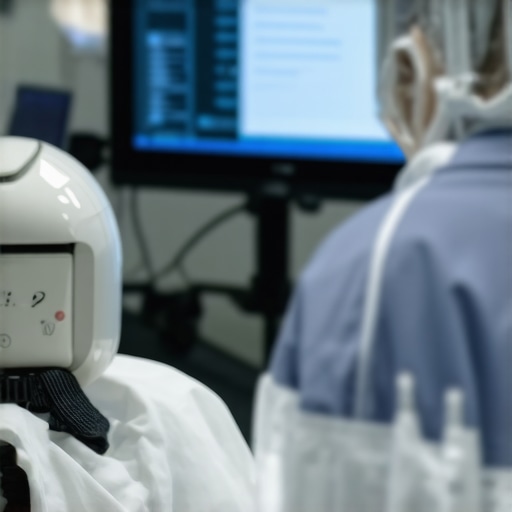
Wearable health devices are expected to become more sophisticated, offering continuous monitoring of vital signs, chronic conditions, and even mental health status. These devices will feed real-time data into centralized health systems, allowing for proactive interventions before minor issues become emergencies. This shift towards preventive care could significantly reduce the burden on emergency services and hospital beds.
Legislative landscapes are also likely to evolve, with governments worldwide recognizing the importance of digital health. Expect further reforms to expand telehealth reimbursement policies, cross-border licensing, and data privacy protections. These changes will be crucial in fostering innovation while safeguarding patient rights and ensuring equitable access.
Will Telehealth Survive 2025 and Beyond?
The trajectory suggests that telehealth will not only survive but thrive, especially as technological and legislative frameworks mature. According to a recent report by the World Health Organization, the global telehealth market could reach over $300 billion by 2030, driven by increased healthcare digitization and rising patient demand for convenience. However, challenges such as digital divide issues and the need for maintaining human connection in care will need addressing to sustain growth.
Preparing for these changes involves embracing lifelong learning about emerging health technologies, advocating for equitable access, and staying informed about evolving policies. By doing so, patients, providers, and policymakers can ensure that the promise of rapid, accessible healthcare becomes a reality for everyone.
What You Need to Know About Rapid Healthcare
- Urgent care clinics and telehealth platforms are revolutionizing access to medical support, especially for minor illnesses and chronic conditions.
- Technological advancements like AI diagnostics and wearable devices promise more proactive, personalized care.
- Legislative reforms have paved the way for broader telehealth adoption, but questions about quality and human connection remain.
- The market for virtual health services is projected to grow exponentially, driven by cost pressures and patient demand.
- Balancing speed with thorough care is vital to ensuring these innovations serve patients’ best interests in the long run.
Dig Deeper into Digital Healthcare
- Trusted Telehealth Lab Tests – Essential for proactive chronic disease management, backed by trusted providers.
- Elite Urgent Care Lab Tests – Fast, reliable testing that complements virtual consultations for comprehensive support.
- Chronic Disease Management – How telehealth is improving outcomes through continuous monitoring and early intervention.
The Final Word
As the opening scene of a health crisis with a fever or sore throat becomes less daunting thanks to immediate virtual support, the real challenge is ensuring that these rapid solutions don’t compromise the human touch that makes medicine truly effective. The rise of telehealth and urgent care is more than a trend; it’s a seismic shift in how we approach health—one that promises unprecedented convenience but demands vigilance to preserve quality. Are we ready to embrace a future where speed and empathy go hand in hand? The answer will define the next chapter of healthcare innovation. Share your thoughts and join the conversation on whether this new wave is a breakthrough or just a quick fix.
I completely agree with the emphasis on how critical rapid healthcare responses are, especially during urgent moments. From my own experience, I’ve found telehealth extremely helpful when dealing with minor illnesses like colds or allergies. It’s reassuring to know that I can get quick advice without the hassle of waiting in a clinic, which can be particularly challenging during busy workweeks or in bad weather. However, I also wonder about the limits of virtual care—when does someone need to see a doctor in person to get the full assessment? I’ve heard stories where urgent issues went unnoticed because they presented subtly online, which makes me think about the importance of triage systems and clear guidelines. Do others feel positive about the balance between convenience and thoroughness in remote urgent care? How do we ensure patients receive the right level of care without delaying necessary in-person visits?