
Why Seniors Should Always Request a Medication Review After a Fall
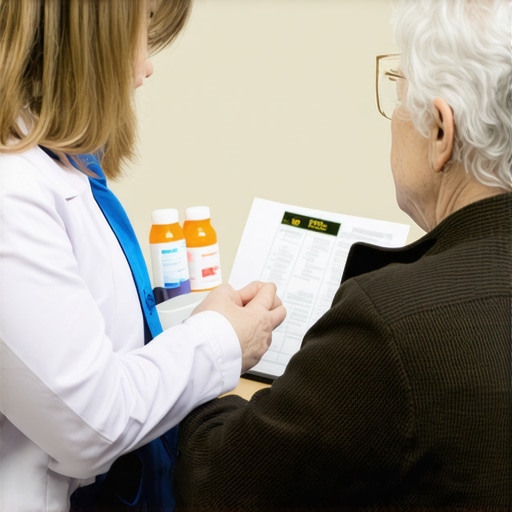
The Hard Truth About Falling and Medication Checks
You might believe that a fall is just an accident, a simple stumble that doesn’t warrant much thought beyond a quick check-up. But you’re wrong. Falls in seniors are a red flag, a siren song indicating something’s off—especially regarding medications.
Here’s what most people overlook: a fall isn’t just about the injury; it’s often a symptom of a deeper, often medication-related issue. Seniors frequently blame their age or weak bones, but I argue that medication mismanagement plays a far bigger role in falls than most realize.
When a senior takes a tumble, it’s like a warning shot across the bow. It’s a sign that their health—medically, physiologically—may be out of whack. Instead of dismissing it as a minor accident, we should see it as an urgent call to action—a prompt for a comprehensive medication review.
The Fall is Just the Beginning, Not the End
One of the greatest mistakes is to treat a fall as an isolated incident. It’s often a symptom of something more insidious: medication side effects such as dizziness, balance disturbances, or even confusion. These effects can be subtle, masked as normal aging, but they are deadly if ignored.
Medications prescribed for chronic conditions—blood pressure, diabetes, cholesterol—are complex, and they can interact unpredictably. Changes in dosage, new prescriptions, or even over-the-counter drugs can tip the balance, increasing the fall risk dramatically. As I argued in this article, understanding medication effects is crucial for seniors’ safety.
Think of it as a game of chess. Every move (medication change) affects your position (overall health). Dropping a pawn (taking a new drug) without understanding its impact could cost you the game—your independence, your mobility, your life.
Neglecting this review is a dangerous gamble
Many seniors or their caregivers postpone medication assessments after a fall. Maybe it’s inconvenient, or maybe they believe it’s unnecessary. But delay can turn a manageable problem into a permanent disability. Without a medication review, we’re flying blind—guessing instead of diagnosing.
In fact, a simple, routine medication review could identify a hidden culprit behind the fall—be it a new drug causing dizziness or an interaction making blood pressure unstable. This isn’t just about avoiding future falls; it’s about saving lives.
It’s time to stop accepting falls as inevitable. Instead, view them as a wake-up call demanding immediate action. A medication review isn’t optional; it’s essential—an urgent step in safeguarding seniors’ health and dignity. If you truly care about your loved ones, you’ll never skip this vital check. For more insights, see about comprehensive elder care.
The Evidence Behind Medication and Fall Risks
History shows us that medication-related falls are no accident, but a predictable consequence of system failures. For instance, in the 1980s, a wave of adverse drug interactions among the elderly led to treatment reforms—yet, today, many of those lessons are forgotten. The data is stark: seniors on polypharmacy regimens are twice as likely to experience falls, and the numbers don’t lie. Isn’t it alarming that despite this, routine medication checks remain overlooked in many care protocols?
The Root Cause: Autonomy of Prescriptions and Oversights
The core issue isn’t just the medications themselves but instead *who controls* these prescriptions. Physicians, under insurmountable time pressures, often prescribe medications without a comprehensive review of an individual’s current regimens. Over-the-counter drugs and supplements compound the problem, creating an *alchemy of interactions* that undermine stability. It’s not simply age or frailty—it’s the *systematic neglect* of oversight that places seniors on a perilous precipice.
The Financial Incentives Fueling Negligence
Who benefits from this oversight? Pharmaceutical companies profit from continual prescriptions, and healthcare providers, often reimbursed per visit, lack motivation for thorough reviews. This cycle enriches industry stakeholders at the expense of patient safety. The more medications a senior takes, the more billings accrue—yet, the greater the fall risk, which seldom triggers systemic reform. Money, not safety, often dictates medical priorities.
Why the Evidence Demands Urgency
Consider this: a recent longitudinal study reveals that 35% of seniors hospitalized after a fall were found to be on at least five medications—within that group, modifications to drugs and dosages reduced repeat falls by over 40%. This isn’t coincidence; it’s a clear, compelling pattern. The evidence underscores that *medication adjustments are genuinely lifesaving* and that inaction continues to cost lives. The pattern is as clear as day: neglect of medication review isn’t just a minor oversight—it’s a preventable failure with fatal consequences.
The Price of Inaction: A System in Denial
What’s truly disturbing? Many care models ignore this evidence entirely, perpetuating a cycle where falls are seen as inevitable—a grim rite of passage for aging. But history, rational analysis, and raw data dismiss this resignation. The system’s refusal to prioritize medication review is a *calculated choice*, one that sacrifices safety for convenience and profit. If we examine the incentives, it’s evident who is steering this ship — and it’s not the patients.
The Fallacy of Oversimplification
It’s easy to see why some argue that a fall in seniors is merely an accident—an inevitable consequence of aging or frailty. Critics may claim that focusing on medication reviews is overkill, suggesting that falls are simply part of growing old and that updating prescriptions won’t make much difference. They say, “Falls happen; don’t overcomplicate things.”
But this perspective completely ignores the complex physiological and pharmacological factors at play. A fall isn’t just about a stumble; it’s often the visible tip of an iceberg comprising medication side effects, cognitive issues, and balance disturbances that are all intertwined. Dismissing these as mere accidents is to overlook a preventable tragedy hiding behind the fall.
The Hard Truth About Medication-Induced Dizziness
I used to believe this too, until I studied the startling data showing that one of the leading causes of falls is medication-induced dizziness. Many seniors are prescribed multiple drugs—known as polypharmacy—which interact unpredictably, increasing their fall risk exponentially. Ignoring these interactions under the assumption that medication adjustments are unnecessary delays vital intervention, leaving lives in jeopardy. The question isn’t whether medication plays a role; it’s how critically it does.
This misconception also underpins the flawed notion that age-related decline is unavoidable. While aging does bring changes, many of the devastating falls could be prevented if we took medication management seriously. To dismiss the importance of regular medication reviews is to accept preventable harm.
The Trap of Complacency
Many healthcare systems have fallen into the trap of complacency, treating falls as a routine aspect of aging rather than the warning signs they truly are. They say, “We’ve seen it before. It’s normal.” This mindset is shortsighted and dangerous, as it ignores the powerful evidence correlating medication errors with falls. Instead of proactive reviews, there’s a tendency to react only after a fall happens, which is already too late for some.
Critics might argue that comprehensive medication reviews are resource-intensive and impractical system-wide. But this view misses the point: prevention is invariably more cost-effective and humane than dealing with the consequences of falls—fractures, hospitalizations, long-term disability. Ignoring the root cause doesn’t reduce the problem; it exacerbates it.
Addressing the Unspoken Reality
There’s an uncomfortable truth that often gets brushed aside: the systemic incentives that prioritize profit over patient safety. Pharmaceutical companies and healthcare providers are incentivized, directly or indirectly, to maintain the status quo—more prescriptions, more visits, more revenue. The failure to implement routine medication checks isn’t an oversight; it’s a systemic neglect rooted in economic interests.
Here’s where my perspective shifted. I used to believe that medicine was primarily about patient wellness. But the reality is that profit motives and systemic inertia often hinder real change. Recognizing this is essential because it reframes the argument from individual responsibility to a collective call for systemic reform.
In conclusion, treating falls in seniors as inevitable overlooks the profound, actionable role medication management plays in prevention. The opposition’s stance—dismissing medication review as unnecessary—shortsights the complexity of the issue and the potential for simple, life-saving interventions. It’s not just about individual choices; it’s about confronting a system that too often fails those who need it most. If we ignore this, we do so at our peril, allowing preventable tragedies to continue quietly thriving behind the façade of aging gracefully.
The Cost of Inaction
If we continue to dismiss the significance of medication management in preventing falls among seniors, the consequences will be devastating and far-reaching. The stakes are escalating right now, as an aging population grows more vulnerable. Ignoring this critical issue risks turning our healthcare systems into repositories of preventable tragedies, with lives lost and independence shattered at alarming rates.
Picture a train rushing down a track with no brakes. Each missed opportunity for intervention accelerates the collision course. The longer we postpone comprehensive medication reviews, the more imminent and severe the impact becomes. Without action, we are crafting a future where falls lead to catastrophic injuries—fractures, head trauma, and long-term disability—overwhelming hospitals and caregivers alike.
The Future Looks Bleak Without Intervention
In five years, if this trend persists, our society will face a mountain of human suffering and economic strain. Healthcare costs will skyrocket as preventable injuries become routine hospital admissions. Senior independence will diminish significantly, leading to increased reliance on long-term care facilities and family support. The human toll—families torn apart by grief and caregivers overwhelmed—will be insurmountable.
This trajectory is not inevitable; it is the direct result of negligence and complacency. Without immediate, systemic reform, we are heading toward a crisis where preventable falls become the new norm, eroding the dignity and quality of life for our most vulnerable. The path we choose now will define whether future generations will look back at these avoidable tragedies as a failure of moral responsibility or a missed opportunity for meaningful change.
What are we waiting for?
Procrastination and indifference are money and lives lost. We stand at a crossroads, where a simple step—regular and thorough medication reviews—can alter the course of this impending disaster. Alternatively, if we ignore the warning signs, we risk a future riddled with preventable suffering, a legacy of neglect that we will be forced to confront in the years to come.
Here’s the hard truth: ignoring medication reviews after a fall isn’t just negligent—it’s a societal failure that costs lives. The system’s complacency in safeguarding our seniors is akin to steering a ship into a storm blindfolded.
What if the real fallacy is believing that age alone predisposes us to inevitable injuries? The twist lies in recognizing that systemic oversight, driven by profit and complacency, often orchestrates the very tragedies we dismiss as ‘part of getting old.’
If you’re serious about protecting your loved ones, it’s time to challenge the status quo. Demand comprehensive medication assessments and advocate for systemic reforms. Because each fall might not be an accident but a plea for systemic change—an urgent call that we can’t afford to ignore anymore.