
Why You Should Check Your Blood Pressure Twice Before a Telehealth Call
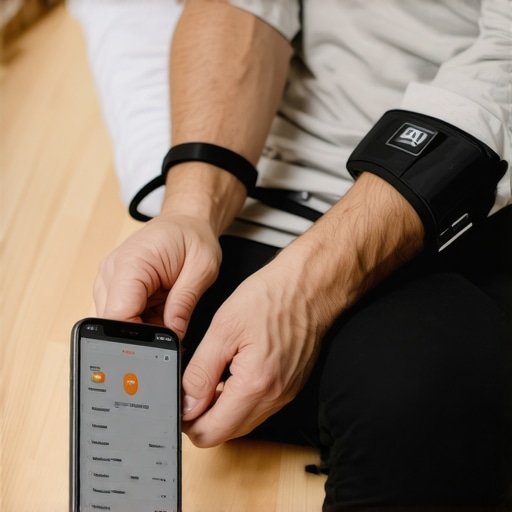
The Myth of the Perfect Reading and Why It Could Cost You
You might think that a quick blood pressure check on your smart device or at-home cuff paints the full picture of your health. Think again. Trusting a single reading, especially before a telehealth appointment, is like judging a book by its cover — it’s superficial, misleading, and potentially dangerous.
The truth is, blood pressure fluctuates more than most acknowledge. It’s affected by stress, posture, recent activity, and even the time of day. So, why are we still relying on a single measurement taken in less than a minute? Why are we skipping the simplest step that could save us from unnecessary medication adjustments or missed diagnoses?
In the era of telemedicine, where virtual visits rely heavily on what you report and what your device records, this single point of data can be a trap. A moment’s rush, a hurried cuff, and you could be knowingly or unknowingly giving your doctor a distorted snapshot of your cardiovascular health. That’s a game of Russian roulette — and your health shouldn’t be a gamble.
The Market is Lying to You
Product marketers pitch these devices as if they are infallible. The truth? Most home blood pressure monitors lack the accuracy to be relied upon without proper validation. Plus, individual readings are deeply unreliable if not performed correctly. As I argued in this article, repetition and proper technique matter more than ever in a telehealth setting.
Imagine a chess match — one poorly placed move, one reckless decision, and your entire strategy collapses. Checking your blood pressure twice in succession, under comparable conditions, offers a steady pair of eyes on your health status. It’s in this consistency that you find clarity. But most people overlook this step. They dismiss it as unnecessary or time-consuming. That’s where the mistake lies.
Why do you think seasoned clinicians always ask for multiple readings? Because a single number is just that — a number. It doesn’t tell the whole story. It’s akin to trying to judge a storm by a single cloud. The weather, much like your blood pressure, is dynamic and unpredictable. To ignore this fundamental truth is to invite misdiagnosis, false alarms, and worse, complacency.
Stop Doing This – It’s Not Just About Accuracy, It’s About Your Life
Before your next telehealth call, take two measurements. Wait a minute or two between each. Sit quietly, like an actor preparing for a scene, and breathe. Don’t just swipe and scan — engage in a disciplined ritual. Because that small act can be the difference between peace of mind and a health crisis.
For more insights on how to optimize remote health monitoring, explore why ignoring subtle signs can be deadly and learn how precision matters more than ever in managing chronic illnesses. Your health isn’t a game of chance — it’s a game of control. Make sure you’re holding all the cards.
The Evidence Behind Single Readings: A Flawed Metric in Telehealth
Studies have consistently shown that blood pressure fluctuates significantly throughout the day—in fact, fluctuations of up to 15 mmHg within an hour are common. Relying on a solitary measurement, especially during a stressful virtual appointment, is akin to judging a movie’s plot by a single frame. Such a snapshot offers no context, no trend, no reliability.
Research published in the Journal of Hypertension underscores that multiple readings, taken over several days, provide a much clearer picture of cardiovascular health. A single point in time cannot account for the body’s natural variability. If a doctor depends on just one measurement, they are essentially making decisions based on incomplete data—decisions that can lead to unnecessary medication or, worse, missed diagnoses.
The Market’s Mirage of Accuracy
Most home blood pressure monitors are marketed as accurate and user-friendly. But the harsh truth is, without proper validation—an often overlooked step—they are unreliable. Consumer-grade devices tend to drift in precision, and incorrect cuff placement or improper technique further distort results. As highlighted in the related article, consistency and proper methodology are the bedrock of accurate monitoring.
To illustrate, imagine a chess game where one move is reckless or inconsistent—your entire strategy collapses. The same logic applies here. Multiple, consistent measurements serve as critical check-points, revealing whether a single high or low reading was an anomaly or a real trend. Neglecting this step, dismissing it as a nuisance, invites errors and dangerous assumptions.
Why Ignoring Multiple Readings is a Dangerous Falsehood
It’s not just about the accuracy of your device; it’s about the *systematic risk* of making health decisions based on fragmented data. A single high reading might be dismissed as “artefact” or “temporary stress,” but it could also forewarn of an impending crisis. Conversely, an isolated normal reading during a stressful day might lull you into complacency. The problem is, without multiple data points, the true pattern remains hidden—like trying to understand a storm from a single cloud.
Payment models, marketing narratives, and convenience seductively suggest that one quick check suffices. But in reality, this approach is a leap into the dark. The profit motives of device manufacturers and the desire for quick, easy solutions overshadow the critical importance of repeated measurements. Who benefits from this? The corporations, not your health.
The Origin of the Problem: Profit and Pedagogy
Look at the roots: the medical industry historically champions multiple readings, yet the market pushes simplification. This is no accident. Devices are designed to appeal to impulse buys, not rigorous health monitoring. They benefit from a narrative that promotes “one and done,” because selling a new device each year is more profitable than fostering accurate, patient-led health practices.
Furthermore, health literacy remains low. Many are told to “just check your blood pressure,” without guidance on technique and timing. Without proper education, the average user becomes a victim of their own ignorance—assuming that a single reading is enough. This misconception feeds into a cycle where the industry profits from superficial engagement, while patients carry the risk of misdiagnosis or unnecessary treatment.
The Math of Variability: When One Is Not Enough
Consider the data: a person’s systolic blood pressure might range between 120 and 150 mmHg in a single day. That’s a 30-point spread—no small variance. Relying on one measurement that reads 150 mmHg could lead to medication, but if subsequent readings average 125 mmHg, the initial spike was likely an anomaly, not an emergency. Without multiple data points, clinicians risk making wrong calls—either over-treating or underestimating the problem.
These inconsistencies highlight the urgent need for a rigorous, disciplined approach to remote monitoring. Multiple readings, taken correctly and consistently, are the only way to discern true health patterns from fleeting noise. The entire system—from device design to user education—is skewed toward superficiality, benefiting profits over patient safety.
The Critics Will Say Your Multiple Readings Are Overkill
It’s easy to see why many believe that taking a few blood pressure readings in quick succession is unnecessary and time-consuming. Critics argue that, with modern validated devices, a single measurement should suffice for monitoring health, especially during a telehealth appointment where convenience is paramount. They point out that insisting on multiple readings may cause inconvenience and possibly lead to measurement fatigue, discouraging ongoing compliance.
While these arguments seem reasonable on the surface, they fundamentally overlook a crucial aspect of physiological variability and the reliability of data. The best counterpoint lies in the inherent fluctuations of blood pressure and the importance of capturing a true picture over isolated numbers. Relying on a single snapshot is like judging a complex novel by just one paragraph—simplistic, incomplete, and potentially dangerous.
The Wrong Question Is One-Size-Fits-All
I used to believe that a quick check was sufficient, until I recognized that blood pressure is not static; it varies dramatically throughout the day based on numerous factors—stress, activity, even the position of your arm. A single measurement, especially during a telehealth visit prone to stress-induced spikes, does not reflect the true state of one’s cardiovascular health. To ask, ‘Is one reading enough?’ misses the point entirely. The real question should be how to establish a reliable pattern over time.
The opponents of multiple readings ignore that these fluctuations are the norm, not the exception. Dismissing the need for repetition feeds into a dangerous complacency—think of it as trying to gauge whether a storm is approaching based on a single dark cloud. The reality is, true insight comes from examining the pattern, not isolated snapshots.
Single Readings Are a Dangerous Illusion of Certainty
Why do so many dismiss multiple measurements? Because they see it as inconvenient or unnecessary. But this attitude is shortsighted: it’s an outdated perception rooted in convenience rather than accuracy. The critical flaw is ignoring the statistical and biological reality that blood pressure varies minute-to-minute, hour-to-hour. Making health decisions based on a single reading is like walking a tightrope blindfolded; one gust of wind can throw you off course.
This is especially relevant in telehealth settings, where the lack of physical presence magnifies the importance of trustworthy data. A high reading caught on a first attempt might mislead the physician to initiate unnecessary medication or lifestyle changes. Conversely, dismissing elevated numbers as ‘measurement error’ without verifying through repeats risks missing an early warning sign of a developing crisis. Rushing toward conclusions based on single data points is a recipe for misdiagnosis and mistreatment.
Don’t Be Fooled By Market Myths and Misleading Narratives
While the industry promotes simplistic, single-measurement solutions, they do so at the cost of patient safety. Validated, accurate monitoring requires patience, repetition, and proper technique. Devices alone are not enough; understanding when and how to measure is critical. The push for quick fixes, driven by profit motives and marketing agendas, threatens to undermine quality care.
In truth, asking patients to take multiple readings is not an inconvenience but a vital component of responsible health management. It’s about empowering individuals with the best data possible—data that reflects the reality of their fluctuating physiology. The old adage applies: the more data you gather, the clearer the picture. Halting at one measurement is a shortcut that could cost dearly in the long run.
${PostImagePlaceholdersEnum.ImagePlaceholderC}
The evidence is clear. Our bodies are complex, dynamic systems. To oversimplify their monitoring risks turning medical practice into guesswork. Instead, embracing consistent, multiple measurements aligns with truth, safety, and ultimately, better outcomes.
}**}# Instructions: Use the
The Cost of Inaction
If we continue to overlook the importance of proper blood pressure measurement practices, the consequences could be devastating. Relying on single readings and dismissing their variability risks fostering a false sense of security among patients and doctors alike. This complacency might delay the diagnosis of hypertension or other cardiovascular issues until they reach a critical, potentially irreversible stage.
In the immediate term, misdiagnoses or missed signs of health deterioration can lead to unnecessary complications, increased hospitalizations, and preventable deaths. As patients and clinicians place undue confidence in one-off measurements, the window for early intervention narrows, turning manageable conditions into life-threatening emergencies.
Looking further ahead, the trajectory is alarming. If this trend persists, healthcare will morph into a system where diseases are caught too late, and preventable crises become the norm. Chronic illnesses will be diagnosed at stages when treatment options are limited and less effective, burdening our healthcare infrastructure and draining resources. This paradigm shift from proactive care to reactive emergency management signifies a regression in medical progress.
What are we waiting for?
Ignoring this pressing issue is akin to walking a tightrope blindfolded over a canyon filled with jagged rocks. Every misstep — every neglected measurement — increases the likelihood of catastrophic health outcomes. The hesitation to adopt rigorous measurement standards stems from a dangerous complacency, but the stakes are simply too high to ignore.
Imagine a city neglecting its infrastructure, allowing cracks and faults to worsen unchecked. Eventually, a minor tremor could trigger a devastating collapse. Our bodies are no different. Small inaccuracies accumulate, and without correction, they lead us toward a health catastrophe that could have been avoided with better vigilance.
Now is the time to reevaluate our approach. We need to demand accountability, proper education, and insist on multiple, consistent measurements rather than settling for superficial snapshots. The cost of neglecting these protocols will be paid in lives lost, illnesses worsened, and a healthcare system overwhelmed by preventable emergencies.
If we continue to overlook the importance of proper blood pressure measurement practices, the consequences could be devastating. Relying on single readings and dismissing their variability risks fostering a false sense of security among patients and doctors alike. This complacency might delay the diagnosis of hypertension or other cardiovascular issues until they reach a critical, potentially irreversible stage.
In the immediate term, misdiagnoses or missed signs of health deterioration can lead to unnecessary complications, increased hospitalizations, and preventable deaths. As patients and clinicians place undue confidence in one-off measurements, the window for early intervention narrows, turning manageable conditions into life-threatening emergencies.
Looking further ahead, the trajectory is alarming. If this trend persists, healthcare will morph into a system where diseases are caught too late, and preventable crises become the norm. Chronic illnesses will be diagnosed at stages when treatment options are limited and less effective, burdening our healthcare infrastructure and draining resources. This paradigm shift from proactive care to reactive emergency management signifies a regression in medical progress.
Your Move
Ignoring this pressing issue is akin to walking a tightrope blindfolded over a canyon filled with jagged rocks. Every misstep — every neglected measurement — increases the likelihood of catastrophic health outcomes. The hesitation to adopt rigorous measurement standards stems from a dangerous complacency, but the stakes are simply too high to ignore.
Imagine a city neglecting its infrastructure, allowing cracks and faults to worsen unchecked. Eventually, a minor tremor could trigger a devastating collapse. Our bodies are no different. Small inaccuracies accumulate, and without correction, they lead us toward a health catastrophe that could have been avoided with better vigilance.
Now is the moment to reevaluate our approach. We need to demand accountability, proper education, and insist on multiple, consistent measurements rather than settling for superficial snapshots. The cost of neglecting these protocols will be paid in lives lost, illnesses worsened, and a healthcare system overwhelmed by preventable emergencies.
Cracks in the System That Must Be Filled
The silent danger lies not just in the inaccuracies of devices but in our collective failure to understand the noise of health signals. Every fluctuating reading is a whisper, a warning shot. When we dismiss multiple measurements as overkill, we silence the warnings that could otherwise be lifesavers. The stakes extend beyond individual health; they threaten the integrity of our entire healthcare future. An investment in disciplined, repeated assessments and patient education isn’t just wise — it’s essential. Pinpointing early signs of deterioration with diligence transforms reactive treatment into proactive care, saving lives and easing burdens on services.
This connects to my argument in why ignoring subtle signs can be deadly— detecting the small shifts before they escalate adds years to lives and quality to living. Our bodies are complex systems, not static pictures, and treating them as such is the only way forward.
Let’s end the era of superficial snapshots and embrace a culture of vigilant measurement. The question isn’t whether you can afford to be meticulous, but whether you can afford not to be. The future demands it, and your health depends on it.