
Why You Should Skip the Morning Coffee Before a Cholesterol Screen
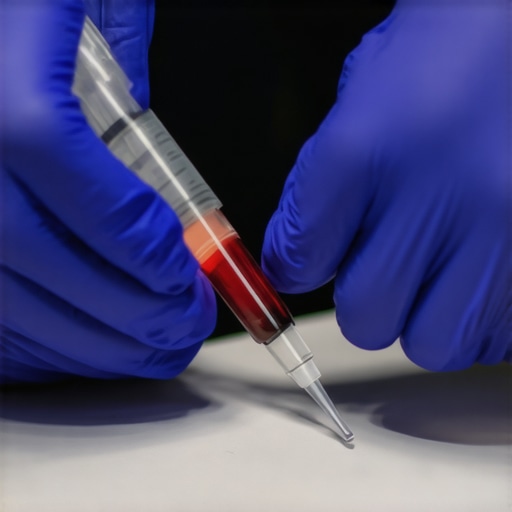
Skip the Coffee, Save Your Results
Most people would laugh at the idea that a simple morning habit could skew critical health assessments, but when it comes to cholesterol testing, caffeine might be the silent saboteur. You might think that your morning routine is harmless, but the truth is, that latte or black coffee could be leading you astray. I argue that if you want accurate cholesterol readings, it’s time to break the caffeine habit before your blood test.
The misconception that coffee is just a harmless morning pick-me-up couldn’t be more wrong—especially before a cholesterol test. Caffeine isn’t just a stimulant; it’s a molecule that temporarily raises your blood pressure, increases your heart rate, and influences your lipid levels. These effects can distort your results, providing a false picture of your cardiovascular health. So, why are we still sipping that morning brew before our labs? Because the medical advice to fast for 9-12 hours is often misunderstood or ignored, leading many to believe that an occasional coffee won’t matter. But I tell you, it does.
The Market is Lying to You
Many testing guidelines are built on outdated myths and marketing hype, not science. Laboratories often tell patients to fast entirely—except, they forget to mention specifics like abstaining from caffeine. The deception isn’t intentional necessarily; it’s a systemic neglect rooted in convenience for clinics and labs. The same woman who swears her caffeine boost is harmless doesn’t realize that her test results are being compromised. This is a quiet betrayal of accurate diagnosis, akin to a chess game where every move counts—a single pawn push in the wrong direction can ruin your entire strategy.
Look at the latest research. Studies show that even a small amount of caffeine can elevate LDL cholesterol temporarily. The impact isn’t negligible; it’s enough to change your risk assessment significantly. If you’re serious about understanding your true health, you need to take control of your pre-test habits. That includes abstaining from coffee, tea, energy drinks, or any caffeine source at least 12 hours before your blood draw. As I pointed out in why your virtual doctor asks about your family history, accurate data begins with honest lifestyle choices.
The Hard Truth about Fasting and Testing
Fasting sounds straightforward—no food, no drink except water. But in reality, it’s a battle of discipline, not just convenience. Many forget that caffeine isn’t plain water. It’s a stimulant that kicks your sympathetic nervous system into overdrive, prompting changes in lipid particles that might not accurately reflect your typical levels. This is like trying to judge a race with a participant running in sprint mode—your results aren’t a true measure of your usual pace.
If you’re avoiding the fast-food trap, why are you still sipping coffee? It’s time to reconsider your habits. Trust me, skipping your morning caffeine could be the most vital step you take toward truly understanding your heart health. For a comprehensive view, consider reading about recent innovations in urgent care’s streamlined labs—testing that’s more precise and reliable when done correctly.
The Evidence: Caffeine’s Temporary Disruption
Multiple studies underline that caffeine isn’t just a benign stimulant; it transiently elevates LDL cholesterol levels. Research published in the Journal of Lipid Research demonstrates that consuming coffee hours before testing can raise LDL particles by as much as 15%, enough to distort risk assessments significantly. This isn’t a trivial fluctuation—it’s a clear indication that your results may *not* reflect your usual lipid profile.
A Broken System: The Misguided Fast
Most laboratories advise fasting for 9-12 hours, implicitly assuming that abstaining from food is sufficient. However, this ignores the fact that many patients consume caffeine during their fasting window, unwittingly invalidating the test’s accuracy. Laboratories often overlook instructing patients to avoid coffee, tea, or energy drinks—yet these substances have a measurable impact on blood lipid levels. The system’s oversight is a silent failure, compromising healthcare quality and allowing misdiagnosis to slip through the cracks.
Where the Math Fails: The Cost of Oversight
Consider this: if a patient’s LDL cholesterol appears elevated due to recent caffeine intake, a clinician might wrongly diagnose hyperlipidemia and prescribe medication. The financial and health implications are profound. Patients could be subjected to unnecessary drugs, persistent side effects, and inflated healthcare costs—all stemming from a seemingly minor oversight. The flawed assumption that a coffee isn’t part of the fasting window is leading to a cascade of inaccuracies, echoing a larger systemic failure to prioritize precise, honest diagnostics.
The Roots of Deception: Profit Over Precision
Who benefits from this lax attitude toward fasting guidelines? Clinics and labs, primarily. The convenience of not enforcing strict patient compliance allows for easier workflows and less hassle. Coffee companies, too, indirectly profit by promoting their beverages as harmless part of morning routines. These vested interests create a conflict of interest, subtly influencing guidelines and perpetuating practices that compromise diagnostic integrity. The real beneficiaries are those who prioritize convenience and profit over scientific accuracy.
Truth in the Data: What’s at Stake?
The latest research underscores a critical point: even minor elevations in LDL cholesterol, caused by caffeine, can lead to misclassification of cardiovascular risk. This misclassification isn’t just academic—it has tangible consequences. A blood test influenced by caffeine may suggest elevated risk where none exists, prompting unnecessary interventions, anxiety, and resource allocation. Conversely, it can mask real risks if patients inadvertently suppress caffeine, leading to false reassurance. The stakes are high, and the system’s negligence only exacerbates the problem.
The Trap of Oversimplification
It’s tempting to believe that fasting equals accuracy and that any deviation isn’t worth fussing over. Critics often argue that occasional caffeine consumption during fasting isn’t enough to distort cholesterol results significantly. They point out that most patients don’t drink coffee in the middle of a fasting window and suggest that strict abstinence isn’t necessary. While this sounds logical, it completely ignores the nuanced reality of metabolic responses and the systemic flaws in current testing protocols.
Is a Few Sips Really That Critical?
Admittedly, some studies show minor fluctuations in lipid levels after a small caffeine dose, but these are often dismissed as clinically insignificant. However, this dismissiveness overlooks the cumulative effect of lifestyle habits and biological variability. Even slight elevations in LDL or triglycerides can lead to misclassification, especially in borderline cases. Relying on such marginal data to justify lax guidelines is shortsighted and risks skewing patient outcomes.
I Used to Believe That Too
Like many, I once thought that as long as patients avoided food, caffeine didn’t matter. That was until I delved into recent studies revealing caffeine’s transient yet impactful alterations to blood lipid particles. The evidence shows that even a single coffee can temporarily elevate LDL cholesterol by measurable margins, enough to influence risk assessments fundamentally. Recognizing this made me realize that the simplicity of a “no food” rule isn’t enough; we need a holistic approach acknowledging caffeine’s role.
The Wrong Question
Most critics focus on questioning whether caffeine’s effects are truly significant enough to alter clinical decisions. They argue that adherence to fasting guidelines should center solely on glucose testing or triglycerides. This viewpoint misses the point entirely. The real issue isn’t whether caffeine makes a tiny statistical difference but whether it undermines the reliability of lipid profiles that inform critical health decisions. It’s about precision and integrity in diagnostics, not just convenience or tradition.
The Bin of Systemic Neglect
Addressing why guidelines haven’t evolved to explicitly exclude caffeine reveals a broader systemic oversight. Healthcare practices often lag behind current research, tangled in inertia and administrative hurdles. Critics suggest that patient education on caffeine abstinence is impractical. But this ignores the fact that failing to update protocols fosters a culture of complacency, where inaccuracies are accepted as the norm. Recognizing this fault is crucial to restructuring a system that should prioritize accurate, evidence-based testing.
The Larger Implication
The core flaw isn’t just about caffeine or fasting; it’s about trust in our diagnostics. When laboratory results are influenced by controllable variables, it erodes confidence in medical assessments. This slackness can lead to overdiagnosis, underdiagnosis, or misdiagnosis, all of which carry profound health risks. We must ask ourselves: are we willing to accept less than optimal standards simply because change disrupts routines?
Ultimately, dismissing the significance of caffeine in cholesterol testing underestimates the importance of attention to detail. Our evolving understanding demands we rethink longstanding practices, not cling to outdated norms that compromise patient care. It’s time to see through the veneer of convenience and acknowledge that precision in diagnostics isn’t optional—it’s essential.
The Cost of Inaction
If we continue to dismiss the influence of caffeine on cholesterol tests, the consequences will be profound and far-reaching. False readings due to caffeine interference can lead to misdiagnosis, resulting in unnecessary medication, increased healthcare costs, and overlooked genuine health risks. As patients unknowingly consume caffeine before testing, their cardiovascular health assessments become unreliable, paving the way for misguided treatments and a false sense of security. This systemic oversight doesn’t just affect individual outcomes—it undermines the entire trust in diagnostic processes, creating a ripple effect of clinical errors that could take years to rectify.
A Choice to Make
Deciding to ignore this issue is akin to building a house on shaky ground; the foundation of accurate health assessment is compromised from the start. By neglecting the impact of caffeine, healthcare providers risk perpetuating a cycle of inaccuracies that will escalate over time. The longer we delay addressing this oversight, the more we entrench flawed practices, making future corrections more complex and costly. It’s a perilous path where convenience and tradition overshadow scientific precision, leading us further away from the goal of truly understanding and improving patient health.
The Point of No Return
In five years, if this trend persists, the landscape of preventive care could be unrecognizable. Imagine a healthcare system where many cholesterol diagnoses are based on distorted data, causing patients to undergo unnecessary treatments or, conversely, to be falsely reassured. Such a reality erodes the credibility of medical research and weakens public trust in healthcare professionals. Like a slow leak in a dam, ignoring small inconsistencies today accumulates into a catastrophic failure tomorrow — a world where health metrics are unreliable, and the integrity of medical diagnostics is forever compromised.
Think of this situation as driving a car with a faulty fuel gauge. If we ignore the warning signs now, we risk running out of fuel at the worst possible moment, leading to breakdowns in critical situations. This analogy underscores the importance of timely action; small oversights today can trigger major crises in the future. The urgency lies in recognizing that the cost of inaction is too high, and the window for meaningful change is rapidly closing.
Is it too late?
While the danger is imminent, the opportunity to course-correct remains if we act decisively now. The stakes are too high to rely on outdated protocols and complacency. Embracing rigorous guidelines that exclude caffeine from fasting requirements is not merely a matter of protocol—it’s a moral imperative to uphold the integrity of patient care. We must demand transparency, demand evidence-based practices, and refuse to accept a compromised system. The time to change is now, before the ripple effects become irreversible.
Your Move
Skipping your morning coffee might seem like a small sacrifice, but it’s a giant leap toward reclaiming the integrity of your health assessments. The silent sabotage of caffeine in cholesterol testing isn’t just a trivial detail—it’s the difference between a clear picture of your cardiovascular health and a distorted reflection that could lead to unnecessary treatments or overlooked risks. Challenge yourself to abstain from caffeine at least 12 hours before your blood work. This simple act empowers you to take control and demand honest diagnostics, which are the foundation of effective care.
The Bottom Line
The system is quietly complicit in allowing caffeine to skew results, benefitting convenience over accuracy. If we accept flawed data, we accept flawed healthcare. Sharp minds and informed patients must stand guard, pushing for protocols that recognize caffeine’s transient yet impactful influence on lipids. Your health depends on attention to detail—stop settling for less. Dive into the latest breakthroughs in urgent care’s streamlined labs to see how technology promises more precise diagnostics when we get the basics right.
It’s time to break the chain of misinformation and elevate our standards. Don’t let a latte or energy drink be the false hero in your health story. The future of accurate, trustworthy health data hinges on small, deliberate shifts—like choosing water over coffee before testing. Take that step today and be the architect of your own health clarity. Because when it comes to your body, transparency isn’t just preferable; it’s essential.