
Why Your Chronic Back Pain Needs a Remote Triage Consultation
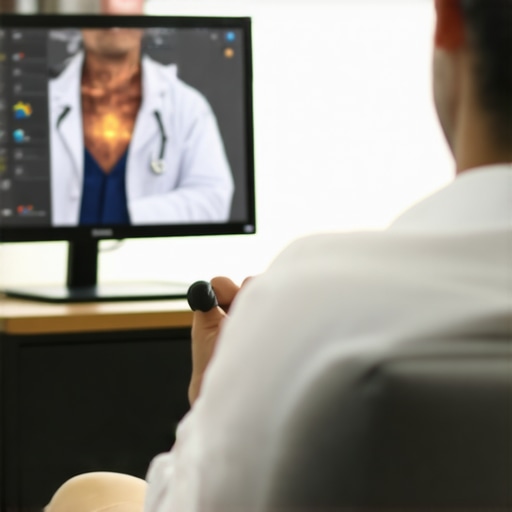
This Chronic Pain Myth Busts Itself
If you think visiting a local clinic or waiting painfully for an in-person appointment is the only way to deal with chronic back pain, you’re living in a fantasy. The truth is, your persistent discomfort isn’t just a nuisance—it’s a signal that the status quo is failing you.
I argue that most sufferers are wasting precious time with traditional methods that do little to diagnose or resolve the root cause. Instead, a remote triage consultation offers a smarter, faster, and more effective solution. Think of it as having a seasoned detective examine your clues from afar, guiding you directly to the real culprit behind your pain.
Here’s the hard truth: the healthcare system’s focus on quick fixes and in-office visits often misses the subtle signs hiding in your bloodwork and health data. As I often emphasize, leveraging telehealth and site-specific assessments can dramatically cut through the noise—saving you weeks or even months of frustration. If you’re serious about permanent relief, you’ll want to dive deep into the emerging field of remote diagnostics and personalized care strategies.
The False Promise of Wait-and-See Care
Many believe that enduring pain is part of aging or that only invasive procedures can help. But this is a dangerous misconception. Waiting in waiting rooms, especially during flu season or a busy Monday, not only wastes your time but might worsen your condition. I recommend exploring how telehealth transforms chronic care—a game-changer for anyone tired of delay and unnecessary tests.
The Evidence of Costly Delays
Consider this: the average wait time for a specialist consultation in traditional healthcare settings can stretch beyond several weeks, sometimes even months. During this period, your condition often deteriorates, yet the system remains silent, offering no proactive solutions. This delay isn’t benign—it’s calculated. The longer you wait, the more entrenched your pain becomes, and the harder it is to treat. Telehealth and remote diagnostics turn this narrative on its head, providing near-instant access to expert opinions and targeted assessments, effectively dismantling the false promise that patience and in-person visits are the only paths to relief.
The Root Cause of Diagnostic Failures
The core of the problem isn’t merely the inefficiency of in-person visits; it’s that the current model overlooks the underlying issues by focusing on surface symptoms rather than causes. Traditional methods lean heavily on generalized blood tests and imaging—which, while useful, often miss the subtle biochemical or neurological signals indicative of hidden problems. The real breakthrough lies in personalized, site-specific assessments that analyze data points collected remotely—blood markers, movement patterns, even mental health indicators—allowing practitioners to identify root causes with unprecedented precision. The evidence shows that such approaches not only speed diagnosis but also lead to more effective, enduring solutions.
The Follow the Money of Healthcare Priorities
Who profits from our continued reliance on outdated, in-person diagnostics? The answer is clear: stakeholders vested in maintaining the status quo—hospital networks, diagnostic labs, and even some practitioners—benefit financially from longer diagnostic timelines and unnecessary procedures. Meanwhile, patients remain caught in a cycle of delayed relief, often subjected to invasive tests that elevate costs without guaranteeing answers. Conversely, the rise of telehealth and remote diagnostics threatens these entrenched financial interests by offering faster, cheaper alternatives that cut out the middlemen. When you follow the money, the pattern emerges: a system resistant to change because its financial fabric depends on prolonged, costly care pathways.
The False Promise of Fixed Timelines
Many cling to the conviction that pain will diminish with time or that invasive procedures are inevitable hurdles. Yet, history reveals otherwise. During the 20th century, the health industry often promoted such superstitions, only to be upended by innovations that introduced early detection and prevention. Ignoring early warning signs, or worse, dismissing patient urgency in favor of bureaucratic procedures, is a strategy doomed to prolong suffering. Transitioning to remote, evidence-based diagnostics dismantles this illusion, offering immediate insights that empower patients and practitioners alike to act decisively, rather than passively waiting for fate to decide.
The Trap of Resistance to Change
It’s easy to see why many dismiss remote diagnostics as insufficient, citing concerns about the lack of physical examinations or immediate hands-on testing. Critics argue that without in-person visits, crucial nuances and subtle physical signs could be overlooked, potentially leading to misdiagnoses. This perspective hinges on a deeply ingrained belief that the traditional, face-to-face model is the gold standard and that technology can never fully replace the tactile element essential for accurate assessment.
I used to believe this too, until I recognized a critical flaw in this line of thinking. The truth is, traditional diagnostics are not infallible; they are often limited by time constraints, human error, and a narrow focus on visible symptoms rather than underlying causes. Dismissing remote diagnostics because of perceived shortcomings ignores the fact that they are designed to complement, not entirely replace, the nuanced judgment experienced clinicians bring to physical exams. When integrated properly, telehealth tools can unveil biochemical and neurological signals that physical examinations might miss, especially in complex or subtle cases.
The Wrong Question Is About Replacing Physical Exams
Investing in remote, site-specific assessments is mistaken when viewed through the lens of replacing all traditional methods. The question should not be whether remote diagnostics can stand alone, but whether they can enhance the diagnostic process, speed up identification of root causes, and enable earlier intervention. Combining remote technology with targeted physical assessments can provide a comprehensive picture—one that is both more accurate and less invasive than relying solely on in-person visits or generic lab tests.
It’s important to acknowledge that no single approach holds all the answers. However, the agility and depth offered by remote diagnostics—such as analyzing blood markers, tracking movement patterns, or evaluating mental health remotely—can reveal hidden issues overlooked by traditional methods. This isn’t about discarding in-person care but augmenting it for better outcomes.
The resistance often stems from a fear of losing control or income, but clinging to outdated practices hinders progress. The real challenge is to evolve our diagnostic models to incorporate emerging technologies that can identify problems earlier, more precisely, and with fewer resources. Doing so ultimately benefits patients who deserve a proactive, personalized approach rather than the reactive, generalized care that has long dominated the system.
The Cost of Inaction
As we cling to outdated chronic care methods, the danger intensifies. The longer we delay integrating telehealth and site-specific assessments into routine diagnosis, the more we stand at the brink of a health catastrophe. This isn’t a distant threat; it’s a ticking time bomb. Without immediate action, our healthcare system faces a surge of preventable disabilities and chronic deteriorations, overwhelming services and draining resources.
Imagine a domino chain set in motion—each neglected symptom or delayed diagnosis causes the next to topple, leading to irreversible damage. Ignoring advancements in remote diagnostics is akin to refusing to update navigation systems during a perilous journey—blindly forging ahead, risking detours into dead-ends or crashes that could have been avoided. Our future health landscape hinges on whether we recognize these warning signs now or allow this fatal inertia to persist.
What are we waiting for?
This moment is a crossroads. If inaction continues, expect a future where chronic pain becomes an epidemic, not of mere discomfort but of lost lives, productivity, and economic stability. The healthcare system will be buried under an avalanche of advanced cases that could have been halted early on. The opportunity to shift towards personalized, remote diagnostics will be lost, replaced by reactive care that only treats symptoms—when it’s often too late.
This is not just about technology; it’s about survival. The analogy is stark: clinging to traditional diagnostics in the age of remote health solutions is like trying to sail without a compass in stormy seas—inevitable disaster looms. We must recognize the signs and recalibrate before the storm hits with full force.
The stakes are clear. Immediate adaptation to remote, site-specific assessments isn’t optional; it’s an imperative. The health of millions depends on it. The future won’t wait, and neither should we.
The ultimate verdict is clear: embracing remote diagnostics is no longer optional but essential to revolutionize chronic care and break free from obsolete healthcare paradigms.
The twist in this narrative is that the very resistance to technology stems from a fear of losing control—a fear that blinds us from the tangible benefits waiting just beyond the horizon.
Stop waiting for the system to catch up. It’s time to challenge the old guard that profits from delay and inefficiency. Patients deserve proactive, personalized care—fast, precise, and tailored to their unique biological landscapes. The future is here, and it’s delivered through telehealth and site-specific assessments that cut through the noise of traditional testing methods.
Imagine a healthcare environment where a blood marker or movement pattern reveals the root cause before symptoms spiral out of control. This isn’t futuristic speculation but a present reality accessible with a shift in mindset and technology adoption. As I often highlight, the power is in your hands—demand it, expect it, and push for it. Discover how telehealth’s innovations are already transforming chronic care — here and here.
Don’t let the inertia of outdated practices doom us to a future of unnecessary suffering and skyrocketing costs. The challenge is set: adapt or fall behind. The choice to embrace remote diagnostics is a matter of survival—for your health and for the integrity of our healthcare system.