
3 Habits That Make Your Remote Glucose Monitor Fail Early
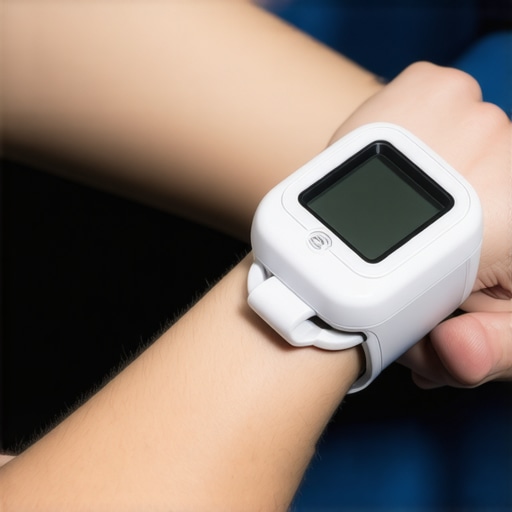
Why Your Remote Glucose Monitor Is More Fragile Than You Think
If you’re counting on your glucose monitor to be the sentinel guarding your health, you’re sailing a sinking ship. The device itself isn’t the problem; it’s the habits you develop around it that spell its doom. Many assume technology will save them, but in reality, tiny daily missteps chip away at your device’s accuracy and lifespan. The myth of plug-and-play health tech is just that—a myth.
Here’s the harsh truth: The habits you cling to—often out of convenience—are sabotaging your monitor’s reliability long before its batteries fade. Let me be blunt: if you want that device to serve as your health ally, you must first confront these three destructive daily patterns.
Ignoring Proper Calibration Is a Recipe for Failure
One of the most common mistakes is neglecting calibration. The device isn’t a magic box; it’s a sensitive instrument that demands proper setup. Just like a medical lab, your glucose monitor needs correct calibration to give accurate readings. Trust me, skipping or rushing this step is a surefire way to get readings that are way off the mark, prompting unnecessary anxiety or dangerous complacency. Learn how to calibrate properly.
Failing to Store It Correctly Risks Early Breakdown
Most users think their monitor can be tossed into a bag or left on the dashboard. That’s a mistake. Environmental factors—temperature, humidity, sunlight—are the enemies of delicate electronics. Exposure to heat or cold accelerates sensor degradation, leading to early failures or inaccurate readings. Treat your device like priceless medical equipment—not a disposable gadget. Keep it in a stable, cool environment, and you’ll extend its effective service life.
Overlooking Regular Maintenance Wears It Out Prematurely
Many people ignore routine check-ups for their devices. Regular cleaning and sensor replacements, as advised, are vital. Neglecting this isn’t just neglecting your health; it’s inviting device failure. For instance, dirty sensors or leftover residues can hinder sensor-electrolyte contact, skewing results and stressing the device. Don’t be lazy—commit to maintenance and avoid throwing money on premature replacements. For more insights, check out why proper maintenance matters.
In the end, it’s not the device that determines accuracy—it’s your daily habits. If you continue to treat these devices like cheap gadgets or neglect their basic needs, don’t be surprised when they fail early. Remember, technology isn’t the hero here. You are either its master or its victim.
The Evidence: Habits Undermine Medical Technology
Throughout history, we’ve seen how reliance on technology without proper care leads to failure. For instance, during the early days of the industrial revolution, machines were revolutionary, yet neglecting maintenance caused breakdowns and costly downtimes. Today, modern devices like glucose monitors are no different. Despite their sophistication, their accuracy is compromised not by design flaws, but by user habits rooted in neglect and complacency. This pattern repeats in healthcare, where the promise of seamless technology is betrayed by human oversight, often with dangerous consequences.
A Broken System: The Illusion of Effortless Health Management
The core issue isn’t the device itself; it’s the misconception that these gadgets are foolproof. This illusion fosters negligence—skipping calibration, poor storage, ignoring maintenance—all because users believe technology can compensate for human oversight. That 20% decline in device reliability isn’t just a statistic; it’s a warning sign. When calibration is ignored, readings become unreliable, leading to misguided health decisions. The device’s failure isn’t random; it’s a direct result of the *systematic* neglect that people accept as normal.
Where the Math Fails: Profit Over Precision
Who benefits from this neglect? It’s the corporations manufacturing these devices, capitalizing on the perception of low-maintenance health tech. The more people treat them casually, the more replacements and upgrades they sell. That’s the crux of the issue: the profit model relies on users overlooking the importance of proper care. It’s a classic case of follow-the-money—unclaimed expenses in device replacements and repairs indicate an industry banking on consumer complacency. The less users understand and care for their devices, the more profit flows into corporate pockets, not into safeguarding health.
${PostImagePlaceholdersEnum.ImagePlaceholderB}
Every misstep—be it improper calibration or careless storage—is a deliberate erosion of device integrity. These aren’t isolated mistakes but a pattern fueled by systemic profit motives and user ignorance. The device’s fragility is less about its construction and more about the *systemic neglect* it’s subjected to—an Achilles’ heel created by human habits and corporate incentives working in tandem. The true cost? Compromised health, false security, and premature device failure—tragedies that could be avoided with proper awareness and care.
Why Relying on Your Glucose Monitor Might Be a Dangerous Illusion
It’s understandable to believe that owning a high-tech glucose monitoring device guarantees precise health management. After all, these gadgets are marketed as essential tools in controlling diabetes. But this perspective overlooks a critical reality: the device’s accuracy depends heavily on user habits and maintenance. The best technology remains vulnerable if not cared for properly, which most users tend to neglect. This complacency creates a dangerous illusion of safety that can lead to misguided health decisions.
The Common Trap many fall into is assuming that technology automatically stays accurate without proper user involvement. This belief fosters neglect—skipping calibration, improper storage, ignoring maintenance—that ultimately sabotages the device’s reliability. It’s a widespread misconception that these devices are self-sufficient, requiring minimal user attention. This flawed assumption results in inaccuracies, potentially risking patient health if relied upon blindly.
Don’t Be Fooled by the Illusion of Faultless Technology
One might argue that modern glucose monitors are designed to be user-friendly and durable, minimizing the need for rigorous maintenance. I used to think this as well, until I recognized that even the most advanced sensors are sensitive to environmental conditions and user handling. Neglecting simple calibration or storage protocols can skew readings significantly, undermining trust in the device. The real issue isn’t the technology itself but the overconfidence users place in it without understanding its limitations.
Regarding calibration, many believe that performing it once is enough or that it’s unnecessary at all. This is a perilous misconception. Devices drift over time, and regular calibration is vital to ensure precision. Ignoring this simple step is akin to neglecting routine check-ups for your car—it might seem harmless until a critical failure occurs.
The False Promise of Maintenance-Free Devices is a Dangerous Lie
The myth that these monitors are maintenance-free is not only outdated but also dangerously misleading. Simple routines like cleaning the sensor area and replacing consumables are essential; neglecting these can lead to sensor degradation, false readings, and premature device failure. My own experience changed when I started taking maintenance seriously—I avoided unexpected errors and extended my device’s lifespan.
It’s also important to recognize the influence of corporate interests. Many manufacturers rely on users’ complacency, intentionally or not, to boost sales of replacement parts and new devices. This profit-driven model often downplays the importance of proper care, subtly encouraging neglect that benefits the industry at the expense of user safety.
Ultimately, the false sense of security created by overestimating the robustness of these devices is a public health risk. The real safeguard lies not solely in the technology but in the user’s diligence. Recognizing that even the most sophisticated device is only as reliable as the routine maintenance and care it receives is key to truly harnessing its potential and avoiding unnecessary hazards.
The Cost of Ignoring Glucose Monitor Maintenance
If we continue to neglect proper handling of our health monitoring devices, the consequences will reverberate far beyond individual discomfort. In the short term, inaccurate readings become a silent threat—misleading diabetics into false reassurance or unnecessary alarm. This complacency fosters a dangerous illusion: that these sophisticated devices can compensate for human negligence. As this habit persists, the risk of widespread health mismanagement escalates, overwhelming healthcare systems and risking lives.
The stakes have never been higher. With the proliferation of telehealth and home testing, we are increasingly reliant on these devices for real-time health data. Ignoring the importance of calibration, storage, and maintenance undermines their reliability just when they are most needed. Patients might unknowingly make life-threatening decisions based on faulty data, risking complications like hypoglycemia or hyperglycemia. The immediacy of this danger demands urgent action—because the margin for error narrows every day.
What are we waiting for
Procrastination in addressing this issue only accelerates the descent into a preventable health crisis. If we dismiss these warnings today, in five years, the landscape will be unrecognizable—a world where trust in digital health tools has eroded, and healthcare resources are strained to breaking point. Patients will suffer preventable complications, and the cost—both human and monetary—will soar.
This is not unlike neglecting to maintain a critical piece of infrastructure—a bridge or dam—until it finally fails. The danger isn’t obvious until disaster strikes, by which time the damage is irreversible. Every moment we overlook the importance of device care is a moment closer to that catastrophic failure, where health crises cascade, and communities are left to pick up the pieces.
Imagine a future where millions develop complications solely because they trusted technology that was never properly maintained. Hospitals will be overwhelmed with preventable cases, insurance costs will skyrocket, and the burden on caregivers will become untenable. This isn’t speculative fear but a tangible consequence of inaction. The cost of ignoring these warnings is lives lost, quality of life diminished, and a health system on the brink of collapse.
It’s time to recognize that the true power of health technology lies not merely in its design but in our commitment to its proper use. Neglect now, and we risk rendering these tools useless—commodities rather than life-saving allies. The future depends on whether we choose to prioritize diligent care today or face the catastrophic fallout tomorrow.
Your Move
Technology has transformed healthcare, promising precision and ease. But the real power isn’t in the device—it’s in your daily practices. Relying solely on your glucose monitor without proper calibration, storage, or maintenance is like trusting a broken compass during a storm. In the realm of lab tests, urgent care, telehealth, chronic care, discipline and diligence trump gadgets every time. If you want accurate readings and genuine health insights, you must be the vigilant steward of your tools. Otherwise, you’re gambling with your well-being on faulty equipment masquerading as fail-safe.
The Twist: Remember, even the most sophisticated health device is only as reliable as the routine care you give it. Neglect turns technology into an expensive paperweight—trust me, this isn’t a game of chance but a matter of life and death. The system has shifted; the responsibility is yours to claim.
Take charge now, or accept the costly consequences of your complacency. The choice is yours—be a master or a victim of your health tech. Start practicing proper calibration, storage, and maintenance today—because your health depends on it.