
7 Hidden Sources of Sodium Sabotaging Your Hypertension Progress
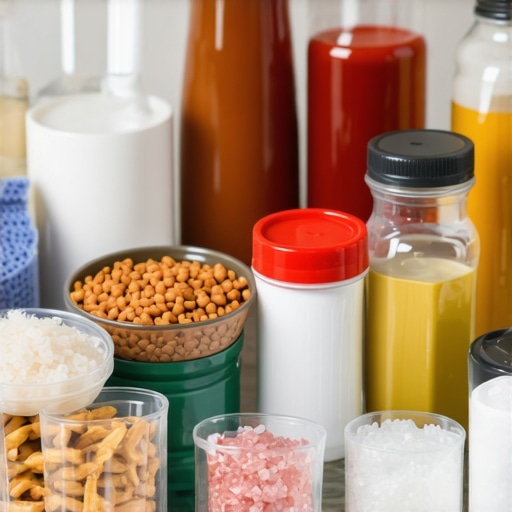
Why Your Blood Pressure Battles Are Worse Than You Think
If you believe lowering salt intake is the end-all solution for hypertension, think again. The truth is, most of us are unknowingly sabotaging our progress with some sneaky sources of sodium that Hollywood’s health gurus rarely mention. This isn’t about table salt or fast food—it’s about complex, hidden culprits lurking in your everyday environment, silently pushing your blood pressure higher.
Here’s the brutal truth: hypertensive struggles are often less about what you add to your meals and far more about what you unknowingly consume. Cutting back on salt salt alone is like trying to empty a sinking ship with a teaspoon—you’re missing the bigger picture. The question you should be asking is, “What am I missing?” because these unseen sources are just as damaging as the obvious ones. If you want real, lasting control over your blood pressure, you need to expose these covert sodium offenders and stop them in their tracks.
Why This Fails Beating hypertension requires a comprehensive approach, not just reducing the sprinkle of salt at dinner. Yet, conventional advice stays superficial, focusing on salt shaker politics while ignoring more insidious sources. As I argued in about us, a lot of this information is deliberately kept vague, because the real culprits are convenient to ignore. You’re not just fighting the salt, you’re fighting a hidden tide of sodium hidden within your food packaging, beverages, and even personal care products.
Think about it: sodium sneaks into your diet via processed foods, yes, but also through bread, cereals, and even canned vegetables that claim to be healthy. The food industry knows that you won’t scrutinize every label, so they load these items with hidden salt to keep you buying. Lifestyle choices, from sports drinks to flavored waters, also contribute unknowingly. It’s like a game of chess—every move you make to improve your health can be derailed by an unseen opponent that never shows its face transparently.
Stop Underestimating Your Environment
The problem isn’t only what’s directly on your plate. Your home environment itself could be an sodium minefield: think of personal care products, bath salts, or even certain medications containing hidden sodium compounds. If you’re serious about managing hypertension, you need to scrutinize every aspect of your daily routine, not just your meal choices. For an in-depth look into the latest strategies, check out personalized telehealth approaches that help you identify hidden threats to your health.
In the end, understanding these concealed sodium sources is not just a matter of better habits—it’s a matter of survival. Your battle against hypertension won’t be won with folklore or superficial fixes. You need an unflinching eye, an ability to see through the industry’s well-oiled misinformation machine, and a strategy to weed out every sneaky source that works against you. Only then can you hope to turn the tide in your favor and finally make real, measurable progress.
The Evidence of Covert Sodium Sources
Studies have increasingly shown that the fight against hypertension isn’t rooted solely in what you add to your plate but also in the unseen actors lurking within your everyday environment. For instance, a comprehensive analysis revealed that processed foods contribute over 75% of dietary sodium intake for the average adult. This isn’t a minor detail; it’s a *major* breach in our health defenses. These numbers point to a harsh reality: your blood pressure struggles are fueled by a *silent tsunami* of hidden sodium, not just the pinch of salt on your dinner table.
The Hidden Culprits in Your Routine
Consider bread, cereal, canned vegetables—labels often claim these are healthy, but they cloak a different story. The addition of salt during manufacturing isn’t just a seasoning—it’s an insidious preservative that keeps food appearing fresh and flavorful. Because food companies understand that consumers seldom scrutinize labels beyond basic ingredients, they load these products with sodium, effectively normalizing high salt intake. This systemic approach means that even conscientious eaters are unwittingly contributing to their hypertension.
Personal Care Products: An Overlooked Sodium Reservoir
Beyond the food aisle, your environment is riddled with sodium-rich personal care items. Think about bath salts, skincare creams, and medications—many contain sodium compounds as stabilizers or enhancing agents. These substances don’t make headlines because the industry prefers to keep this information obscured. The *shell game* continues, convincing the public that health begins and ends at the dinner table, while in reality, daily routines quietly sabotage blood pressure management.
The Financial Web of Industry Influence
The pattern here is clear: the food and personal care industries benefit enormously from maintaining this sodium-laden status quo. By embedding sodium deep within their products, they ensure consistent consumer dependence—buy more, consume more, and keep hypertension problems perpetually profitable. The more complex the product formulations, the less likely consumers are to scrutinize each ingredient. This web of financial incentives keeps the hidden sodium crisis thriving, all under the guise of convenience and flavor.
Why the System Fights Transparency
The reason behind this pervasive obscurity isn’t coincidence. It’s strategic—industry players have spent decades cultivating an image of harmless additives. Meanwhile, mounting evidence links sodium intake to nearly 50% of hypertension cases globally. Yet, the public remains largely unaware because revealing the truth would threaten billions in profits. This deliberate opacity is a calculated move, ensuring consumers remain clueless about the *real* sources fueling their blood pressure crises.
The Vulnerability of Routine Surveillance
Current health advice manifests as superficial—cut back on salt, exercise more, take medication. But these approaches neglect the *root cause*: an industry-driven ecosystem designed to keep sodium hidden from plain sight. While doctors may recommend salt reduction, they rarely address the pervasive presence of sodium in products people use daily. It’s analogous to patching a leaking boat without fixing the holes—ineffective, dangerous, and ultimately futile.
The Critical Need for Industry Accountability
Addressing hypertension requires exposing these covert practices. Without transparency, public health policies are just band-aids slapped over an open wound. Recognizing the *source of the problem* shifts the conversation from individual responsibility to systemic reform. Until the industry’s role in perpetuating hidden sodium sources is exposed and challenged, the epidemic of high blood pressure will continue to spiral out of control, funneling profits into pockets that shield them from accountability.
The Illusion of Salt as the Sole Culprit
Many still cling to the belief that reducing salt intake is the definitive answer to controlling hypertension. This perspective, while seemingly grounded in scientific findings about sodium’s role, overlooks the intricate web of factors influencing blood pressure. It’s easy to point fingers at salt shaker habits, but such a view misses the bigger picture—one where sodium is just one piece of a complex puzzle.
Don’t Be Fooled by the Sodium Scapegoat
I used to believe that if I eliminated table salt from my diet, I would naturally see my blood pressure stabilize. Yet, real-world evidence and clinical experience eventually shattered that illusion. The truth is, sodium is ubiquitous—not just in processed foods but embedded within our environment, healthcare products, and even medications. Addressing only dietary salt ignores these hidden sources that continue to elevate blood pressure silently.
To dismiss this complexity is shortsighted. It assumes that individual choice alone can overcome systemic issues—a dangerous oversimplification when industry practices, product formulations, and environmental exposures are designed to be opaque and resistant to change.
The Wrong Question Is How Much Salt Do You Consume
Focusing solely on reducing salt intake puts the burden entirely on individuals, implying that hypertension results from personal negligence. This is a flawed premise. The question we should be asking isn’t merely about salt consumption but about the broader context—why is sodium so rampant in our daily lives? The real challenge lies in exposing the industry’s role in embedding sodium into everything from food to personal care items, which no amount of individual effort can fully counteract alone.
The Covert Industry Influence Threatens Public Health
Industry players have deliberately obscured the true extent of sodium in our environment. Their motivation? Profit margins. They benefit from consumers remaining unaware of the true sources of their sodium intake, thereby perpetuating the cycle of hypertension and health complications that lead to increased medication use. Tackling hypertension requires more than personal discipline; it demands confronting this entrenched system of obfuscation and manipulation.
Moreover, regulatory gaps have allowed sodium to creep into seemingly innocuous products, making it nearly impossible for consumers to make fully informed choices. Ignoring the systemic influence of industry is akin to fighting the wind with a broom—ineffective and ultimately futile.
Countering the Simplistic Narrative
Addressing hypertension’s true roots means recognizing that the sodium problem isn’t just about personal behavior. It’s about a construct that benefits a few at the expense of public health. The challenge is in shifting paradigms—moving from blaming individuals to demanding transparency and accountability from corporations and policymakers alike.
This approach might seem daunting, but it is essential. Without exposing and dismantling these hidden sodium sources, any effort at lifestyle modification remains superficial, doomed to be undermined by unseen environmental factors.
The Cost of Inaction
If we continue to overlook the pervasive presence of hidden sodium in our daily environment, we are setting ourselves up for a looming health crisis that could spiral out of control within just a few years. The stakes are higher than ever, as industry practices and environmental exposures silently sabotage efforts to control hypertension. Our negligence today could translate into a future where managing blood pressure becomes nearly impossible, overwhelming healthcare systems and devastating lives.
Imagine a world five years from now where hypertension rates have skyrocketed, not because people are eating more salt at the dinner table, but because the very air, personal products, and processed foods are laced with sodium that we fail to scrutinize. This unchecked trend would lead to a surge in strokes, heart attacks, and kidney failures, pushing hospitals to their limits. The economic burden would be staggering, and the quality of life for millions would plummet, creating a society burdened by preventable chronic illnesses.
What Are We Waiting For?
Delaying action is akin to standing on a sinking ship while arguing about the weather instead of plugging the leaks. The analogy is fitting because industry insiders have intentionally kept the true extent of sodium’s infiltration into our environment under wraps. Their goal is profit-driven, and they have crafted a system where the public remains uninformed, unprepared, and vulnerable. If we don’t recognize the danger of allowing sodium to continue seeping into every aspect of our lives, we risk creating a future where health crises become the new normal.
Every day we ignore these invisible sodium sources, we are complicit in a slow-motion catastrophe. It’s as if we’re watching a slow flood approach our homes, armed only with buckets instead of proper barriers. The question is, how much more damage must occur before we realize that superficial fixes won’t suffice? The time to act—before the waters rise—is now, and it requires breaking through the industry-drenched fog of misinformation that has kept us complacent for too long.
The Final Verdict
Your fight against hypertension must go beyond salt shakers; it’s a systemic war hidden in plain sight, demanding vigilant scrutiny of your entire environment.
The Twist
Think you’re winning because you’re cutting salt? The real enemy has been infiltrating your routines, your products, and your home—it’s time to turn the tide and expose these covert sources for good.
Your Move
Stop accepting superficial advice that blames your personal choices alone. Dive deeper, scrutinize every label, every product, and every routine. From processed foods loaded with undisclosed sodium to personal care items slathered with hidden salt compounds, the battlefield is everywhere. Learn to identify these insidious sources with strategies rooted in personalized health management, such as personalized telehealth approaches that can reveal unseen sodium threats.
The fight isn’t just about what you eradicate from your diet—it’s about confronting a well-oiled industry machinery that profits from your ignorance. Industry tactics include complex formulations and opaque labeling, making it easy for sodium to sneak into your life unnoticed. This systemic obfuscation is a calculated move to keep you dependent on their products while your health deteriorates.
To truly shield yourself, you need tools that can assess your environment comprehensively. Advanced lab tests and virtual monitoring can detect hidden sodium and other risks lurking within your home and routine. Knowledge is power—and the knowledge to see through industry lies is your greatest weapon.
If you believe that simply consuming less salt is enough, think again. The real challenge lies in unveiling the hidden tide of sodium infiltrating every facet of your life. Only then can you take meaningful control of your health destiny.
Remember, each day you ignore these invisible threats, you’re complicit in a slow-motion health crisis fueled by corporate concealment. The question is, how much longer will we allow industry to dictate the health of our communities before we demand transparency and accountability?