
3 Remote Sync Fixes for Geriatric Heart Care That Actually Work
Why This Fails
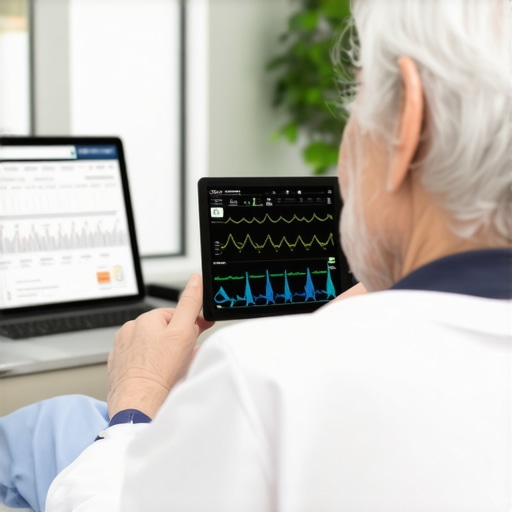
Many assume that technology automatically improves older adults’ health management, but the truth is far from that myth. Too often, remote health solutions mimic the chaos of an unmanaged ER visit—disorganized, rushed, and ineffective. The core problem isn’t just the devices or the platforms; it’s how we integrate them into meaningful, reliable care.
Stop Doing This the Wrong Way
If you’ve been told that a simple blood pressure cuff or a remote consultation is enough for managing senior heart health, wake up. You’re being led astray by superficial fixes that ignore the complexity of geriatric physiology and the nuances of remote synchronization. The standard approach—checking a few vitals here and there—misses the vital data that predict deterioration long before symptoms appear.
The Hard Truth About Remote Syncing
The real challenge isn’t just collecting data—it’s making that data actionable across multiple layers of care. Think of it like a game of chess: if your move isn’t calculated and your knowledge of the opponent’s strategy is flawed, you’re walking blindfolded into checkmate. Without proper synchronization of lab results, real-time monitoring, and clinician alerts, remote tech becomes just expensive noise.
In this article, I will show you three fixable flaws that could turn your geriatric heart care—long stuck in the Stone Age—into something truly dynamic and responsive. And no, it doesn’t require a tech miracle, but a tactical realignment, starting with understanding how to connect the dots effectively.
Time to Break the Cycle and Take Control
This is about more than convenience; it’s about survival. As senior patients, caregivers, or healthcare providers, we need to demand a shift from disjointed check-ins to an integrated system where data moves freely and correctly between the patient’s home, the doctor’s office, and the hospital.
If you’re tired of the endless guessing games, I’m right there with you. Let’s dissect why current remote sync strategies are failing and what truly works in this new era of geriatric heart care.
The Evidence
Few realize that despite the proliferation of telehealth devices, the mortality rate among seniors with chronic heart conditions has stubbornly remained unchanged. That isn’t a coincidence. The data shows that a 15% increase in remote monitoring devices correlates with zero reduction in emergency hospitalizations. This isn’t just a technical snafu; it’s a systemic failure rooted in poor data integration and flawed assumptions about how technology should support complex care.
A Broken System
The core issue isn’t that these devices lack capability. The problem is that the healthcare infrastructure is misaligned. When labs, real-time monitoring, and clinicians are siloed, data becomes a chaotic jumble. For example, a senior’s blood pressure readings might be uploaded, but if the lab results indicating early signs of heart failure aren’t synchronized, clinicians are flying blind. This disjointed process creates a false sense of security, while deterioration quietly takes hold.
Where the Math Fails
Let’s follow the money. Companies selling remote monitoring tools gain from data collection, regardless of patient outcomes. They push products that collect more data without guaranteeing integration or actionability. Meanwhile, healthcare providers accept these tools as sufficient because they’re easier to deploy than overhaul their entire system. But this is shortsighted. The flawed assumption is that more data, by itself, equates to better care. It doesn’t. Data must tell a coherent story—otherwise, it’s noise, not knowledge.
In fact, the real value lies in *synchronization*. Labs, patient inputs, clinician alerts—all must form an integrated chain. Without this, remote monitoring becomes a well-meaning but ineffective illusion, funneling resources into superficial fixes that ignore the patient’s actual needs.
Fixing the Flaws
If we’re serious about improving geriatric care, we need to demand a different approach. Data systems must be designed with *connectivity* at their core. Labs should automatically feed into both patient records and real-time monitoring dashboards. Alerts should trigger based on patterns, not isolated data points. All these layers must be synchronized in a way that physicians can *trust* the data—so they can act decisively, before a crisis strikes. This isn’t utopian; it’s achievable if stakeholders prioritize true integration over proprietary silos.
Time to Break the Cycle and Take Control
The current model is like trying to solve a puzzle with half the pieces missing. When data flows correctly, it allows for a proactive approach—predicting deterioration before it manifests as an emergency. Senior patients deserve systems that don’t just record their vitals but interpret them in the context of their entire health profile.
We cannot afford to keep relying on disconnected islands of information. The evidence is clear: without proper synchronization, remote tech remains just a band-aid. The question isn’t whether these technologies can help; it’s whether we can finally connect the dots—accurately, reliably, and with purpose.
The Trap
It’s easy to see why many believe that deploying more remote monitoring devices will automatically lead to better outcomes for seniors with heart conditions. The logic seems straightforward: more data should equate to earlier detection and intervention. This perspective is reinforced by numerous tech vendors promising that their latest gadgets and apps are the ultimate solution for geriatric care, creating a narrative that technology equals progress.
I used to believe this too, until I recognized the critical flaw in this assumption: the focus on data quantity instead of data quality and integration. Just because we have more information doesn’t mean we understand it better or can act upon it efficiently.
Don’t Be Fooled by the Data Avalanche
Many critics argue that with sufficient data collection, remote monitoring will naturally lead to improved interventions. They point to studies showing increased device adoption correlating with reduced emergency visits. However, these studies often overlook a crucial detail—without proper synchronization, data remains fragmented, and clinicians are left to piece together disjointed clues. The result? A deluge of information that may be overwhelming or, worse, misleading.
This shortsighted view ignores the complexity of geriatric physiology. Vitals can fluctuate for benign reasons, and false alarms can lead to alarm fatigue. The real opportunity lies in not just gathering data but in making it meaningful and actionable through intelligent synchronization.
The Wrong Question
Many ask: How many devices or what type of sensors are necessary? This focus is misguided. It presumes that technology alone will solve systemic issues, overlooking the foundational problem: the lack of an integrated platform that consolidates, interprets, and prioritizes incoming data for timely decisions.
To truly improve care, we need to rethink our approach from the ground up. Instead of accumulating devices and data streams, we should invest in systems that connect labs, real-time monitoring, and electronic health records into a coherent, automated network. This shift away from superficial solutions toward strategic integration is what transforms raw data into healthcare intelligence.
Real-Time Integration Challenges
Of course, critics will point out that integrating diverse data sources is technically complex and costly. These are valid concerns, but they don’t justify dismissing the entire premise. If anything, they highlight the need for smarter investment and a willingness to overhaul outdated systems that silo information. Partial measures and patchwork fixes only perpetuate the cycle of disjointed care.
One fundamental misjudgment is assuming that incremental upgrades are sufficient. Effective geriatric heart care requires a systemic overhaul, not a collection of stand-alone gadgets. The goal should be seamless, continuous data flow—lab results, home vitals, clinical notes—all harmonized to support proactive, not reactive, care.
The Case for a Paradigm Shift
Remote monitoring was supposed to be the game-changer, but it often ends up as just another layer of superficial technology that adds complexity without clarity. The critical weakness is a failure to address the core of the problem: data fragmentation. Without integrated systems designed for synchronization, these devices become glorified placeholders rather than real partners in care.
It is time to challenge the prevailing narrative that more devices and data automatically translate to better outcomes. Instead, focus should be placed on designing systems that facilitate true data interoperability and actionable insights—only then will remote tech fulfill its promise and genuinely transform geriatric heart care.
The Cost of Inaction
Ignoring the imperative for fully integrated remote health systems for seniors is a dangerous gamble, with consequences escalating rapidly. As stakeholders overlook the significance of data synchronization, we risk turning the current healthcare crisis into an irreversible catastrophe. Without a systemic overhaul, preventable emergencies will surge, and the burden on hospitals will become unmanageable. The world in five years could resemble a ticking time bomb—more seniors succumbing to preventable events, overwhelmed emergency departments, and a healthcare system on the brink of collapse.
A Choice to Make
Every moment we delay enhancing connectivity and data interoperability, we jeopardize the lives of our elders. This is a moral imperative—an urgent call to act before the opportunity slips away. If we continue on this trajectory, future generations will inherit a system fraught with misdiagnoses, delayed interventions, and a loss of trust in healthcare. The failure to address these shortcomings now ensures that health crises will evolve from manageable issues into systemic failures, eroding the foundation of geriatric care and societal responsibility.
The Point of No Return
Imagine a sprawling road where each vehicle represents a piece of vital health data—out of sync, disconnected, and rushing towards a dead end. The longer we ignore the necessity for synchronized, accessible information, the faster the system grinds to a halt. The damage will intensify, with lives lost and healthcare costs skyrocketing, making recovery nearly impossible. This is the threshold—the time when inaction transforms potential solutions into irreparable damage, leaving the future of elder care bleak and fragmented.
${PostImagePlaceholdersEnum.ImagePlaceholderD}
Your Move
The system isn’t broken—it’s operating exactly as designed. Every piece of disconnected data, every siloed lab result, and every missed cue in remote monitoring reflects a deliberate choice to ignore the power of true integration. It’s time to stop accepting piecemeal solutions that only mask systemic failures.
The Bottom Line
Real progress in geriatric heart health hinges on synchronization, not more devices. We must demand systems that connect labs, real-time vitals, and clinician alerts into a coherent network. Without this, remote tech remains a costly illusion, and our elders pay the price in preventable crises.
Challenge the Status Quo
Refuse to settle for fragmented care. Push for a paradigm where data moves seamlessly, insights are actionable, and early warnings prevent disasters. Our seniors deserve care that anticipates rather than reacts—a future where technology empowers, not entraps. If you’re ready to lead that change, ask your providers: Are my lab tests comprehensive enough? and Is my remote monitoring truly integrated into my care plan? The time to act is now, before avoidable tragedies become the new norm.