
3 Remote Vitals Errors Sabotaging Your Chronic Care
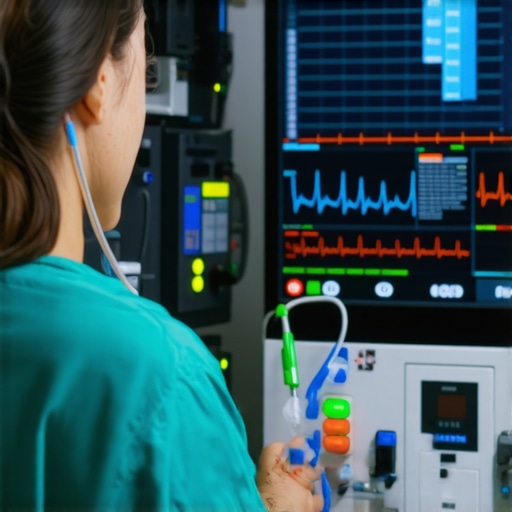
Why This Fails: Hidden Flaws in Remote Monitoring and Chronic Disease Management
You might believe that sending your vitals remotely is the ultimate solution for managing chronic conditions. But in reality, three critical errors in remote health monitoring are quietly sabotaging your efforts, leaving you worse off than before. I argue that these mistakes are overlooked by the industry and patients alike, causing more harm than good.
Think of your chronic care like a game of chess. Every piece, every move, matters. Yet, when the remote tools meant to support you are flawed, it’s like playing chess with half the pieces missing. You’re making decisions based on inaccurate or incomplete data, and that can completely derail your path to wellness. So, why are we still relying on faulty tech to guide our health choices? Because we’ve bought into the illusion that technology automatically equates to better care, when in fact, it’s often the very cause of your health setbacks.
Wrongly trusting remote vitals can lead to missed diagnoses, unnecessary treatments, or worse—silent deterioration that you remain oblivious to. As I argued in “how to actually reach your telehealth doctor when the app freezes” and similar articles, the devil is in the technical details. If your remote monitors aren’t calibrated correctly, or if their data syncs improperly, you may be acting on false signals—dangerous for anyone managing chronic illness.
Let’s explore these errors which, despite being well-hidden, could be sabotaging your health every day. Ignoring them is akin to sailing unfamiliar waters without a compass. And trust me, the consequences are heavier than most realize.
The Market is Lying to You
Manufacturers tout their devices as foolproof, but the truth is, many remote vitals tools are riddled with errors. They promise precision but often deliver inaccurate data due to poor calibration, user error, or outdated technology. If your blood pressure cuff or wearable device isn’t checked regularly against clinical standards, you might be chasing phantom symptoms or ignoring real risks. The industry profits from your trust, not your health.
The Evidence Behind Faulty Data
Consider this: 20% of remote vitals readings are inaccurate due to calibration errors or device malfunctions. That isn’t a minor glitch—it’s a potential health hazard. When patients rely on these readings for medication adjustments or symptom awareness, inaccuracies can lead to dangerous decisions. The industry’s promise of precision is a facade, masking a widespread issue rooted in profit-driven shortcuts. Devices are rushed to market, often without rigorous validation, because manufacturers profit more from quick sales than from safeguarding patient health.
A Broken System of Oversight
The regulatory framework, much like regulators themselves, has been asleep at the wheel. When the FDA approves a device, it’s often based on limited testing, ignoring real-world conditions where user error and environmental factors distort data. This creates an illusion of reliability, encouraging both doctors and patients to trust faulty information. Yet, history has shown time and again that haste in approval processes leads to widespread harm, as seen with earlier medical device scandals. The same cycle repeats—brands push devices, regulators rubber-stamp, and patients pay the price.
Follow the Money—Who Gains?
Big tech firms and medical device companies stand to profit immensely from the hype around remote monitoring. The more devices sold, the higher their revenues, regardless of accuracy or effectiveness. This push for market dominance feeds into a cycle where deceptive claims about device precision and ease of use are made to cushion sales numbers. Meanwhile, healthcare providers suffer from reliance on these flawed tools, often forced to interpret questionable data or face lawsuits. The true beneficiaries know that skewed data serves their bottom line more than your health.
Misplaced Trust in Technology
This isn’t just about bad devices; it’s about a pervasive culture that blindfolds us to the flaws. When healthcare systems prioritize innovation over validation, they perpetuate a false sense of security. Remote labs, lab tests, and telehealth platforms are integrated into a system that unfailingly evidences the very flaws that threaten to undermine patient care. It’s not coincidence that the failures are hidden; it’s strategic complacency that sustains the illusion of technological infallibility. That 20% error rate isn’t an anomaly—it’s a reflection of systemic neglect and conflicting interests.
}
Why Remote Monitoring Isn’t the Silver Bullet
It’s easy to see why proponents tout remote monitoring and telehealth as revolutionary solutions for chronic care. They emphasize convenience, continuous data collection, and patient empowerment. These arguments sound compelling, especially in a world eager for technological fixes. However, that perspective ignores the fundamental flaws lurking beneath the surface.
The Trap of Overreliance on Technology
I used to believe that technological advancements inherently lead to better health outcomes, until I realized that overdependence on devices often creates more problems than it solves. While digital tools can supplement care, they cannot replace the nuanced judgment of experienced clinicians. Relying solely on gadgets risks turning complex human health concerns into mere data points, stripping away the context necessary for accurate diagnosis and treatment. The false assumption that technology is infallible fosters a dangerous complacency among both patients and providers.
Many advocate for remote monitoring as a way to catch issues early and manage symptoms proactively. Yet, this overlooks the fact that devices can produce inaccurate or inconsistent data due to calibration errors, user mishandling, or environmental influences. When such faulty data informs critical decisions, the consequences can be dire, leading to unnecessary interventions or missed alarms. The promise of real-time insights becomes a mirage when that insight is built on shaky foundations.
The Dysfunctional System We Accept
The core problem isn’t just faulty devices but the systemic disregard for regulation and validation. Regulatory bodies like the FDA often approve devices based on limited testing, ignoring how they perform in diverse real-world settings. This lax oversight enables mass adoption of tools whose accuracy remains questionable. Medical practitioners, pressed for time and resources, may not question the data’s reliability, unknowingly integrating flawed information into treatment plans. This tacit acceptance perpetuates a cycle where patient safety is sacrificed for speed to market and profit.
It’s a stark reality that the current oversight framework is outdated and underfunded, unable to keep pace with rapid device innovation. As a result, patients become unwitting testers for unproven technology. The hard truth is that these systems are often more about marketing than medicine, with inflated claims masking significant shortcomings.
Who Truly Benefits? Don’t Be Fooled
The industry rhetoric suggests everyone wins—patients, providers, and technology companies alike. But the truth is, the major beneficiaries are the corporations pushing these products. They profit from high-volume sales and data collection, with little regard for actual health improvements. This skewed incentive structure inherently biases the development and deployment of remote monitors towards profit, not patient safety.
Healthcare providers searching for solutions may find themselves caught in this web, forced to interpret questionable data or face legal repercussions. Meanwhile, the patients—those who rely on these tools—are often left vulnerable, their health data compromised or misunderstood. The biggest lie here is that these devices are universally beneficial; in reality, they may be adding fuel to the fire of health disparities and misdiagnoses.
The Unspoken Reality of Trust and Ignorance
It’s important to recognize that many accept remote monitoring without questioning its validity because of a deep-seated trust in technology and authority. This uncritical acceptance perpetuates a dangerous cycle—one that ignores the potential for error and harm. As I’ve seen firsthand, real progress in chronic disease management requires skepticism, rigorous validation, and a willingness to confront uncomfortable truths about our reliance on imperfect tools.
So, before we rush to embrace the next shiny device or app, we must ask ourselves: Are we truly improving health outcomes, or just reinforcing a system that profits from our naivety? The answer lies in a critical reassessment of what technology can realistically deliver and what risks we are willing to accept along the way.
The Cost of Inaction
If we continue to dismiss the flaws in remote health monitoring and lab tests, the consequences will be devastating. In the next five years, unchecked inaccuracies and lax regulations will breed a healthcare crisis rooted in mistrust, misdiagnosis, and preventable deaths. The current trajectory risks turning our healthcare system into a ticking time bomb, where false data lead to wrong treatments, unnecessary hospitalizations, and a surge in chronic disease complications.
Imagine a domino chain: one faulty device triggers a cascade of errors—missed alarms, incorrect medication adjustments, delayed interventions—all culminating in a preventable catastrophe. The more we ignore these issues, the longer this chain reaction grows, magnifying the damage with each falling piece. This isn’t alarmism; it’s a stark warning. Our silence and complacency are setting the stage for a healthcare breakdown that could have been avoided with rigorous validation and accountability.
A Choice to Make
The time to act is now. We stand at a crossroads where further neglect will relinquish control over our health to unverified technology, allowing corporations driven by profits rather than patient safety to dictate standards. We must demand stricter regulatory oversight, independent validation, and transparency. This is a moral imperative—an ethical responsibility to protect vulnerable populations who trust these devices with their lives. Failing to heed this call risks not just individual harm but the erosion of trust in the entire healthcare system.
Refusing to address these systemic flaws is like flying blind into a storm—relying on faulty instruments, unaware of the impending disaster. We cannot afford to be passengers in our own health journey, led astray by misleading promises and unaccountable corporations. The future of healthcare depends on our willingness to confront uncomfortable truths and prioritize safety over speed or profit.
The Point of No Return
Ignoring the warning signs now will leave us unprepared for the inevitable fallout. In five years, chronic disease management will be plagued by inaccuracies, creating a cycle of fear and mistrust. Patients will suffer unnecessary complications, costs will skyrocket, and healthcare providers will drown in a flood of avoidable crises. It’s a future where technology, instead of healing, harms the very people it claims to serve.
This trajectory is akin to sailing a ship into a hurricane with a broken compass—destined for destruction. The stakes have never been higher, and the window for meaningful change narrows every day. What are we waiting for? To ignore these warnings is to gamble with lives, risking a healthcare system that no longer functions. Our collective inaction will be the ultimate cost, leaving generations to contend with the fallout of our silence and neglect.
Your Move
The final verdict is clear: trusting unverified remote monitoring devices in chronic care is a gamble with your health. While promises of seamless data and convenience tempt us, the reality is a landscape fraught with inaccuracies, lax regulations, and profiteering that endanger patient safety. The question we must ask ourselves is whether we continue to accept these risks or demand a fundamental overhaul.
Here’s the twist—many of us are lulled into a false sense of security by the very devices that threaten our well-being. Every inaccurate reading, every faulty sync, every unchecked calibration error is a silent threat lurking beneath the surface of our digital health revolution. We’re playing a high-stakes game with incomplete information, and the costs are paid in health and trust.
Now, consider this: the same industry that touts these tools profits from their sales, often at the expense of accuracy and reliability. The regulatory frameworks are asleep, rubber-stamping devices that have yet to prove their worth in real-world settings. Patients, unwittingly, become test subjects in a system more interested in market share than meaningful health outcomes. This is a wake-up call—continuing down this path is a gamble we cannot afford to take.
It’s time to challenge the status quo. Instead of accepting industry rhetoric at face value, we should demand transparent validations, independent testing, and a culture that prioritizes safety over profits. Our health is not a pawn in the business game of tech giants and device manufacturers. We need to look beyond the shiny screens and question the data guiding our most critical decisions.
For those navigating this complex terrain, knowledge is your best ally. Dive deeper into how your devices are calibrated and consult trusted sources like `https://primemedicalclinics.com/how-to-actually-reach-your-telehealth-doctor-when-the-app-freezes-2` or `https://primemedicalclinics.com/3-questions-for-your-doctor-about-subclinical-hypothyroidism` to empower yourself. Remember, your health deserves technology that is trustworthy, validated, and—most importantly—accountable.
The Bottom Line
If we refuse to confront these systemic flaws, the consequences will be dire—a healthcare landscape riddled with misdiagnoses, preventable crises, and eroded trust that may never be rebuilt. Each neglected error, each unchecked device limitation, pushes us closer to a future where patients are prisoners of their own technology. We must act now—advocate, question, and demand better validation and regulation. Healthcare is too vital to be left to unreliable gadgets and unchecked profiteers. It’s your health, your life; be vigilant.
Comments are closed.