
3 Remote Tools That Actually Help Manage Senior Heart Health at Home
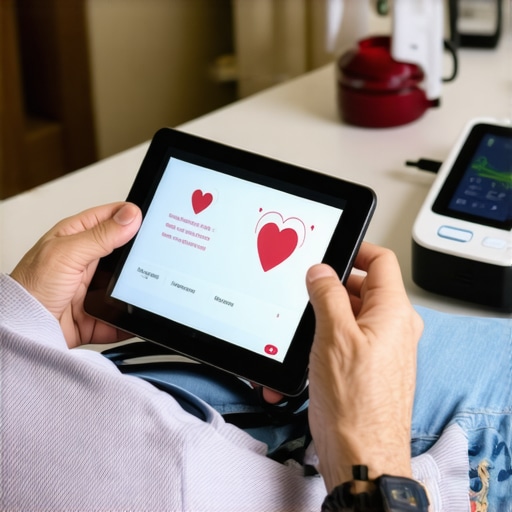
Why You’re Being Hoodwinked by So-Called “Remote” Heart Care Tools
If you think a blood pressure cuff and a Bluetooth-connected scale will save your senior loved ones from impending heart calamity, think again. The medical device industry has turned these so-called “remote tools” into a marketing ploy, not a lifeline. The truth is, most of these gadgets do more to give you a false sense of security than real health insights.
Most families are duped into believing that owning a smartwatch or using an app can substitute for professional medical oversight. But don’t be fooled. Managing senior heart health isn’t about gadgets; it’s about *precision, context, and professional guidance*. The devices on the market today are often inaccurate or misleading, especially if you don’t understand their limitations. Here’s the harsh truth: a cuff that reports falsely can lead to dangerous under-treatment or unnecessary alarm.
The Market is Lying to You
Many companies promote their digital health devices as the ultimate solution—”manage your heart at home!” But the reality? These tools are often calibrated incorrectly or lack the validation needed for seniors with complex health issues. Relying solely on these gadgets is like playing a game of chess blindfolded. You might think you’re in control, but in reality, you’re making decisions based on flawed data.
One example is the proliferation of remote heart rate monitors that claim to detect arrhythmias. They’re often glorified step counters rather than reliable medical devices. So, why are we still accepting them as substitutes for proper diagnosis? Because it’s easier, cheaper, and marketed relentlessly. Yet, even the best gadget in the world can’t replace a thorough clinical assessment, especially in older adults with multiple health issues.
Stop Relying on Tech Alone and Start Taking Control
Instead of wasting time and money on these devices, I argue that families need targeted, professional-grade tools combined with ongoing medical oversight. For instance, a simple medication review or a specialized lab test can reveal more about a senior’s heart health than any app or remote sensor.
But that’s not enough. You also need to understand the deeper markers of inflammation and vascular health. The one lab marker most doctors overlook—C-reactive protein—can tell you if your senior is silently inflamed, a major trigger for heart disease. Relying on a smartwatch to monitor your senior’s pulse is like using a toy telescope to spot the Northern Lights: charming, but ineffective.
Ultimately, managing senior heart health effectively requires a blend of accurate diagnostics, proper medical guidance, and informed families. The gadgets are distractions, not solutions. If you want real protection, ignore the hype, question the marketing, and focus on proven strategies. Because in the end, a true health solution isn’t measured in pixels or Bluetooth signals—it’s measured in outcomes.
The Evidence: Flawed Data in Remote Monitoring
When examining the claims made by device manufacturers, the reality becomes glaringly clear: many of these gadgets provide data that is *more misleading than illuminating*. For instance, a 2019 study published in the Journal of Hypertension revealed that many consumer-grade blood pressure monitors used at home had accuracy rates that were off by as much as 15%. Such a significant margin of error isn’t a minor flaw; it’s a *dangerous* flaw, especially when used to make critical health decisions for seniors.
This isn’t accidental. Manufacturers often cite validation studies conducted in young, healthy populations. When applied to older adults with complex health profiles, these devices falter. The calibration drifts, the algorithms stumble, and the readings become as reliable as a coin toss. We are told to trust these numbers, but the truth is, the data is compromised from the start.
The Root Cause: Misplaced Trust in Marketing
The core issue isn’t technology itself; it’s the *misplaced trust* crafted through aggressive marketing. Companies flood the market with claims like “monitor your heart health from home” or “detect arrhythmias effortlessly,” which are, at best, half-truths. This creates a false narrative that technology can substitute for real medical oversight. But the tech giants aren’t charities—they’re corporations aiming to maximize profits. Each device sold is an asset, not a healthcare solution.
Their incentive? To sell more devices, regardless of efficacy. They link their products to the burgeoning telehealth industry, portraying them as *essential tools*. Yet, behind this veneer lies a simple truth: most of these devices are not clinically validated for seniors with multiple health conditions. They are *marketing tools*, designed to appeal to anxiety rather than to provide accurate health insights.
The Follow the Money: Who Benefits?
Big corporations and investors are the real beneficiaries here. They pour billions into advertisements, sponsorships, and influencer campaigns to promote a false sense of security. Meanwhile, clinics and medical professionals see fewer patients for comprehensive assessments, replacing nuanced care with quick-fix gadgets. The outcome? A health system that profits from *coverage*, not *cure*.
Doctors know that managing senior heart health demands more than a pulse reading or a Bluetooth sync. It requires detailed labs, physical examinations, and nuanced interpretation—elements that no app or gadget can replace. Yet, for companies making billions on these devices, the focus isn’t accuracy; it’s sales figures and quarterly profits. When profit drives the narrative, patient safety becomes collateral damage.
Why Our Oversight is Just as Guilty
Regulators, too, shoulder part of the blame. The FDA has approved numerous consumer health devices with minimal scrutiny. Their approval processes are often rushed, relying heavily on manufacturer claims rather than rigorous testing in real-world settings. This regulatory gap fuels a marketplace flooded with unvalidated devices that give a false sense of reassurance.
Meanwhile, healthcare providers often accept these gadgets at face value, guided by insurance reimbursements and hospital partnerships. This confluence of profit-driven markets and lax oversight results in a system that rewards compliance over competence. It’s a cycle where ineffective gadgets flourish, but effective, evidence-based care remains sidelined.
The Trap of Simplistic Solutions
It’s easy to see why many believe that a smartwatch or remote sensors can revolutionize senior heart care. These devices offer a tempting quick fix: monitor, detect, and respond—all from the comfort of home. The allure is undeniable, and I used to believe this too, hoping technology could bridge the gap in healthcare. But that optimism overlooks critical shortcomings inherent in these tools.
The Wrong Question to Ask
Many critics claim that if these devices are not perfect, they are useless. They argue that technology’s inherent limitations invalidate its use altogether. This is a superficial perspective that misses the real issue. Should we dismiss all technological advances because some are inaccurate? Certainly not. The question isn’t whether these gadgets are flawless but how they fit into a comprehensive care strategy.
The reality is that remote devices can serve as supplementary tools—early warning signals—not replacements for professional assessment. Ignoring their potential entirely ignores the potential benefits of integrating technology thoughtfully into patient care. However, this point is often lost in the heated debate, with opponents dismissing all digital tools as inherently flawed.
Understanding the Limitations Cannot Blind Us to Potential
Yes, device accuracy is often overhyped. Devices may drift, give false positives or negatives, or struggle with calibration—especially in complex cases involving seniors with multiple health issues. But dismissing all remote monitoring because of these flaws is shortsighted. Instead, we should focus on validating and improving these tools, integrating them into multidisciplinary care plans that include professional oversight.
The key is recognizing that these gadgets are adjuncts, not standalone solutions. They can alert families and clinicians to anomalies requiring attention, serving as part of a layered approach. The failure to see them as auxiliaries rather than substitutes hampers progress in remote care innovation.
Challenge the Overreliance on Technology
It might be argued that overdependence on gadgets diminishes the role of human judgment. That overtrust in technology could lead families to ignore the nuanced insights of experienced clinicians. While this concern has validity, it is ultimately a question of balance, not abandonment. Technology, when used correctly, amplifies the clinician’s expertise rather than replaces it.
We must ensure that gadgets are integrated into a broader care framework—regular clinical assessments, lab testing, and professional supervision—rather than viewed as the sole pathway. The real danger lies in dismissing all remote tools outright, which would ignore their potential to enhance early detection and improve quality of life.
Addressing the Elephant in the Room
The inconvenient truth is that most remote heart care devices are marketed and adopted without robust evidence of efficacy, especially in older populations. This is not accidental but a systemic failure rooted in commercial interests. While technology advances rapidly, medical validation often lags behind, leading to a marketplace inundated with unproven gadgets.
I used to believe the rush to market was driven by innovation, but now I see it as an incentive-driven race that prioritizes profit over patient safety. This unchecked proliferation misleads consumers and healthcare providers alike, fostering false confidence and diverting resources from proven, evidence-based strategies.
In the end, acknowledging these flaws doesn’t mean dismissing technology altogether; it means demanding better standards, validation, and integration. Only then can remote tools genuinely augment traditional care rather than serve as distraction or marketing hype.
The Cost of Inaction
If we choose to dismiss the warnings about the limitations of remote heart care tools, we are setting ourselves up for a healthcare disaster that could unfold within just a few years. The current trend towards overreliance on inaccurate gadgets and superficial monitoring creates a ticking time bomb, where preventable cardiac events become the norm rather than the exception.
The stakes are higher than ever. Older adults, with their complex health profiles, depend on precise data and expert oversight to manage their condition. Ignoring the flaws in home monitoring devices means accepting a future where misdiagnosis, delayed intervention, and preventable deaths escalate dramatically. Right now, countless families are lulled into a false sense of security by devices that cannot deliver accurate information, leaving their loved ones vulnerable when it matters most.
The Future Looks Grim if We Do Nothing
If this pattern continues unchecked, we risk creating a healthcare environment akin to a faulty navigation system in a sinking ship. Imagine a scenario five years from now where emergency rooms are overwhelmed with sudden acute heart crises that could have been caught early, but weren’t because of complacency fueled by unreliable device readings. Hospitals become overwhelmed, costs skyrocket, and the overall quality of elder care declines sharply. Lives will be lost, not necessarily because of the severity of underlying issues, but because we failed to recognize and act upon warning signs—signs that were visible but dismissed due to misplaced trust in faulty technology.
It’s like trying to navigate a storm with a compass that often points in the wrong direction. Without accurate data and professional guidance, families and healthcare providers drift further from safety, making catastrophe inevitable.
Is it too late?
This is the question haunting many caregivers and health advocates today. The window for meaningful intervention is narrowing. We are at a crossroads where inaction could cement a future filled with unnecessary suffering and loss. Embracing the truth now—accepting that gadgets are tools, not solutions—is the only way to avoid a downward spiral. Waiting until the system collapses means the damage is done, and the recovery will be long, painful, and uncertain.
We cannot afford to ignore the warning signs any longer. The longer we delay, the deeper the chasm grows, and the more lives hang in the balance. The time to act is now—before the consequences become irreversible.
Your Move
It’s time to stop trusting marketing hype and start demanding real, clinically validated solutions for senior heart health. Relying solely on cheap gadgets or flashy apps isn’t just misguided—it’s dangerous. Families must prioritize professional medical oversight, comprehensive diagnostics, and evidence-based interventions over the allure of remote monitoring devices that often mislead more than inform. The future of elder care depends on our willingness to challenge the status quo and insist on accountability from manufacturers and regulators alike.
The Bottom Line
Remote heart care tools are auxiliary at best, not replacements for medical expertise. Ignoring their limitations risks turning a manageable condition into a catastrophe. Instead, integrate these tools thoughtfully, always under the guidance of healthcare professionals—never as a substitute. Remember, a product that boasts compatibility with your smartphone isn’t a substitute for a thorough lab test or a skilled doctor’s assessment. The only way to truly safeguard your loved ones is to look beyond the pixels and market claims and focus on outcomes rooted in science and experience.
Take action now. Don’t wait until the system fails because of misplaced trust. Urge your loved ones’ physicians to perform comprehensive evaluations and insist on evidence-based care over sensationalized gadgets. After all, the real measure of health isn’t found in Bluetooth signals but in real improvements in well-being.