
The Real Reason Your Home Glucose Monitor Gives Inconsistent Readings
The Myth of the Faulty Device
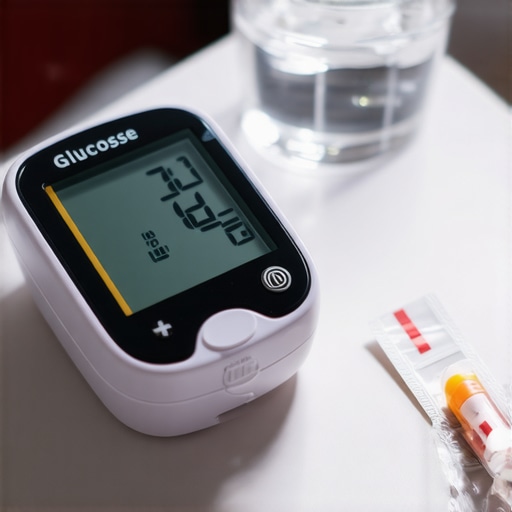
If you rely on your home glucose monitor and find readings bouncing all over the place, you might think the device is just poorly made or malfunctioning. But here’s the brutal truth: the problem isn’t your glucose monitor. It’s the myth that these little gadgets are infallible, that they can replace lab-grade accuracy, or that your body’s sugar levels are as straightforward as a simple dial. That’s a lie we’ve been sold to justify the exorbitant prices and the marketing hype.
Why Home Glucose Monitoring Is a Deception
Let me be crystal clear. These devices are fundamentally imperfect. They provide estimates, not facts. They are affected by temperature, calibration errors, skin perfusion, and even the time of day. So, why do we blindly trust them? Because it’s easier to believe that a device can give us precise, real-time feedback than face the uncomfortable truth: our blood sugar is influenced by a labyrinth of factors, many of which a simple finger prick cannot account for.
In fact, the inconsistency is much less about the device and more about the complexity of human physiology. We are not machines with fixed numbers; we are living, breathing systems that fluctuate due to diet, stress, sleep, medication, hydration, and more. As I argued in a recent article, a normal glucose reading might not mean you’re healthy, nor does a high one necessarily spell disaster—yet we continue to chase the device’s needle as if it were the ultimate truth.
The Market Is Lying to You
Big pharma and device manufacturers thrive on this illusion. They want you to believe that a quick test at home is just as accurate as a lab analysis—despite all evidence to the contrary. Their marketing campaigns promise accuracy, affordability, and convenience, but what they deliver is precision’s cheap cousin. Think of it like relying on a weather app that constantly predicts sunshine but leaves you soaked; it’s useful, but not gospel.
And if you’re a person with diabetes or prediabetes, you’re especially vulnerable. Because managing your health depends on accurate data, these inaccuracies can either lull you into complacency or trigger unnecessary panic. It’s a lose-lose game. The real reason your home monitor gives inconsistent readings is because it’s not designed to be your sole source of truth. It’s a guide, not a judge.
How to See Through the Illusion
Instead of blindly trusting your device, consider it a rough map, not the destination. For critical decisions, rely on lab tests—those are the gold standard. As I’ve detailed in my piece on lab inaccuracies, even lab results can be off, but they’re far less affected by daily fluctuations and user error than a consumer-grade monitor. Learn to interpret your home readings with a grain of salt and understand that true control comes from comprehensive management, not single readings.
If you want to dig deeper into how to get more accurate data, check out my guide on calibrating your home glucose monitor. It’s a step every individual should take to reduce some of the guesswork—and frustration. But ultimately, the core issue remains: the device does not define your health; you do.
The Hard Reality of Self-Monitoring
Continue chasing inconsistent readings, and you’re playing a game of chance. Instead, build a broader understanding: diet, exercise, sleep, mental health—these are the real determinants, not the needle’s petulant jumps. Home monitoring can be a tool, but never your dictator. It’s time to stop believing the market’s myth and start trusting your own body’s signals—translated through science, not fantasy.
The Evidence of Flawed Assumptions
Numerous studies highlight the inconsistency in consumer-grade glucose monitors. For instance, research published in the Journal of Diabetes Science & Technology found that fingerstick devices can deviate by up to 20% from laboratory readings. That 20% isn’t a minor discrepancy; it’s a potential misdiagnosis, a false sense of security, or unwarranted panic. These devices, marketed as real-time health guardians, often deliver estimates that differ significantly under varying conditions. This isn’t coincidence; it’s a reflection of inherent flaws.
The Root Cause: Market Overconfidence in Inaccuracy
The core of the problem is not the devices’ malfunction, but the industry’s relentless promotion of their precision. Manufacturers claim these tools are sufficiently accurate for day-to-day management. But after decades of technological evolution, the reality is they remain fundamentally imprecise, yielding erratic data influenced by temperature, user technique, calibration status, and physiological factors. The illusion of a reliable snapshot fosters complacency—for patients, for clinics, and for the industry itself. The false confidence in these devices—designed for simplicity—masks their inability to deliver consistent, dependable data.
The Follow the Money Principle
Who profits from believing in the unfailing accuracy of home monitors? It’s not just the device makers but a complex network of stakeholders—pharmaceutical giants, insurance companies, and healthcare providers—each with vested interests. For them, a market of perpetual reassurance outweighs the necessity of diagnostic precision. They sell the narrative that a quick prick can substitute comprehensive lab analysis. If that were true, their revenue streams would diminish. Instead, they’ve engineered a culture that equates convenience with certainty, a combination that pads their wallets at the expense of patient well-being.
The Consequences of Confidence in Fallacy
This misplaced trust isn’t harmless. When patients see fluctuating readings, they either ignore alarming spikes or panic at benign dips. Both responses are dangerous. It’s akin to trusting a faulty thermometer during a life-threatening fever—what’s displayed might be entirely wrong but is accepted as gospel. Over time, this misinterpretation erodes health outcomes and fuels unnecessary interventions. The industry’s narrative keeps us tethered to an illusion—believing that a device’s fleeting estimate can define our metabolic health. That’s a costly deception.
The False Promise of Convenience
Big Pharma and device corporations continue to market these monitors as the pinnacle of simplicity, safety, and affordability. Yet, the reality is far from that. These devices provide data so variable that solely relying on them amounts to navigating without a compass. They are warm comfort blankets—familiar, yet unable to shield us from the dangers of inaccurate information. The persistent promotion of their reliability is a calculated move—fueling demand while obscuring their deficiencies. It’s deception dressed in the guise of innovation.
The Underlying Dilemma: Human Physiology vs. Device Precision
The fundamental flaw isn’t the device; it’s the misconception that the human body is a static system. Our metabolic processes are anything but predictable. Stress, sleep deprivation, meals, medications—all cause fluctuations that no single device can accurately capture or interpret. Expecting a fingerstick reading to encapsulate that complexity is naive. The true issue lies in conflating estimates with facts, a mistake perpetuated by a market that profits from such illusions.
Chasing Shadows: The Cost of False Certainty
When we accept flawed data as gospel, we play a dangerous game. Decisions made from unreliable readings cascade into misdiagnoses, unnecessary medication adjustments, and misplaced fears. This cycle devalues the essence of personalized medicine, which should embrace variability rather than ignore it. In the end, the only certainty remains the industry’s vested interest in perpetuating this myth—keeping us tethered to unreliable snapshots while steering us away from genuine understanding of our health.
The Trap of Easy Answers
It’s easy to see why many believe that a simple finger prick provides a definitive snapshot of their health. The allure of instant data, without the hassle of lab visits, makes these devices seem like a miracle solution. I used to believe this too, trusting that technology would ultimately empower us with accurate, real-time insights. But that hope overlooks a critical truth: these devices are fundamentally unreliable, especially for making serious health decisions.
Don’t Be Fooled Into Thinking These Devices Are Infallible
While acknowledging that consumer-grade glucose monitors are imperfect, many defend their use by emphasizing their convenience and the role they play in daily management. They argue that, with proper calibration and understanding, these tools can serve as effective guides. However, this perspective misses the core issue: no matter how refined they become, they cannot fully capture the complexity and variability of human physiology.
The best argument against my stance is that a degree of inaccuracy is acceptable for everyday self-management. After all, no medical device offers perfect precision, and dangerous swings are usually evident. But this line of reasoning assumes that users can interpret data with clinical judgment—an assumption that often fails in practice.
The Wrong Question Is What Is the Accuracy
Focusing solely on device accuracy is a shortsighted trap. These monitors don’t operate in a vacuum; they are part of a broader ecosystem of health. The real question is whether reliance on these unreliable readings leads to better outcomes. The risk is that patients, believing in the infallibility of their devices, may make misguided decisions—either ignoring worrisome trends or reacting excessively to benign fluctuations.
My initial view was that calibrating these devices and understanding their limitations could mitigate inaccuracies. But it’s a mistake to think that technical adjustments can overcome the inherent physiological and environmental factors influencing the readings. The problem isn’t just calibration—it’s the fundamental mismatch between estimated and actual sugar levels.
The Illusion of Control
This illusion of control is what keeps people hooked on these devices. It provides a false sense of mastery over a complex and dynamic system. Instead of recognizing that blood sugar is affected by countless factors—stress, sleep, medication, diet—the device’s fluctuations become perceived as personal failure or health danger, leading to unnecessary worry or complacency. This dichotomy is dangerous and misleading.
Another fallacy is that these devices are a shortcut to perfect health management. They are not. They are rough guides, and over-reliance on them obscures the importance of holistic health practices—balanced nutrition, regular exercise, adequate sleep, and mental well-being. To prioritize device readings above these fundamentals is to chase shadows.
Instead of defending the accuracy of these monitors, we should question their role altogether. Do they truly enhance health outcomes, or do they merely provide an illusion of control that can be more harmful than helpful? That’s the critical debate we need to have.
The Cost of Inaction
If we continue to dismiss the inaccuracies of home glucose monitors and rely blindly on flawed data, we are gambling with our health and future. The stakes are higher than ever; misinterpreted readings can lead to dangerous mismanagement, unnecessary interventions, or complacency that masks real emergencies. This isn’t just about faulty devices—it’s about risking our very understanding of personal health in a complex world that demands nuanced judgment.
A Choice to Make
In five years, the landscape could be unrecognizable if complacency persists. We might find ourselves trapped in a cycle where technology promises control but delivers chaos. Patients could be overwhelmed by conflicting data, leading to increased anxiety, unnecessary hospital visits, and misguided treatments. Healthcare systems might buckle under the weight of preventable complications caused by misjudged blood sugar levels. The opportunity to shift towards a more accurate, scientific approach will be lost, leaving us in a dystopia of data overload and clinical uncertainty.
The Point of No Return
Imagine driving at night with fog so thick that your headlights cast only faint shadows. Knowing the road ahead is dangerous, yet choosing to ignore the signs because the glow of your unreliable tools feels comforting. This analogy captures the danger of ignoring the truth about glucose monitoring. The moment we dismiss the limitations of these devices, we drift closer to a health crisis—one where preventable mismanagement becomes the norm, and the true picture of our health remains forever obscured.
What are we waiting for?
The window to act is closing fast. Investing in better technologies, demanding transparency from manufacturers, and prioritizing comprehensive, scientifically validated health assessments are no longer optional. Our health, and that of future generations, depends on embracing truth over comfort. To ignore these warnings now is to walk headlong into a future fraught with preventable suffering and lost opportunities—an irreversible toll that could have been avoided with clear-eyed acceptance of reality.
${PostImagePlaceholdersEnum.ImagePlaceholderD}
The Final Verdict
Relying solely on home glucose monitors is a dangerous myth; true health comes from understanding your body’s complexity, not from inaccurate devices.
The Twist
The real control isn’t in the device’s readings but in your awareness of how your body fluctuates, often beyond what any monitor can capture.
Your Move
Stop chasing unreliable numbers and start listening to your body’s signals—use lab tests as your foundational guide and embrace a broader view of health that includes diet, stress management, and sleep. Educate yourself on calibrating your devices to reduce guessing, but never let those readings dictate your worth or health status. Challenge the marketing hype and demand transparency from manufacturers: real progress relies on science, not slick ads.
The Bottom Line
Don’t let the market’s illusion of infallibility blind you to the truth—your health isn’t a number; it’s a complex, dynamic narrative that deserves respect and understanding. Trust your body’s signals, backed by solid science, and refuse to be duped by the myth of perfect accuracy.
Final Thought
If you’re serious about health, stop handing over your trust to devices that lie. Instead, empower yourself to see the full picture, challenge industry complacency, and take responsibility for your well-being—because in the end, only you can truly know how you feel.
