
Is Your Home Blood Pressure Monitor Actually Calibrated Correctly?
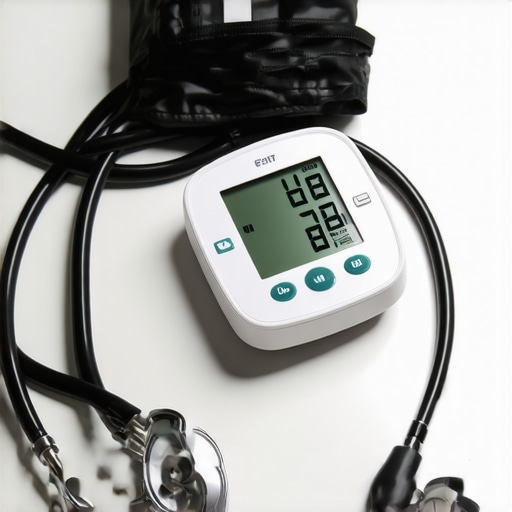
Why You Should Question Your Blood Pressure Cuff’s Accuracy
Think your home blood pressure monitor is giving you reliable readings? Think again. You might be trusting a device that’s as accurate as a coin toss in a storm. The truth is, many of these cuffs are not calibrated properly, leading to false assurances or unnecessary panic about your health.
We live in an era where convenience often trumps precision. But when it comes to your health, especially something as vital as blood pressure, cutting corners can be deadly. The market is flooded with gadgets claiming to offer medical-grade accuracy, but how many actually deliver? And more importantly, how do you know if your device is trustworthy?
In this article, I argue that unless you explicitly verify your blood pressure cuff’s calibration periodically, you are essentially flying blind. It’s like a battleship sailing into treacherous waters with a broken compass. How can you make informed decisions about your health if your tools are unreliable? The answer is: you can’t. Calibration matters, and so does understanding how your device might be lying to you.
Don’t Trust the Market’s Empty Promises
Major brands market their cuffs as
The Evidence: Calibration Errors and Health Risks
Multiple independent studies have shown that uncalibrated blood pressure cuffs can deviate significantly from accurate readings, sometimes by as much as 10-15 mmHg. This discrepancy isn’t trivial; it can mean the difference between a diagnosis of hypertension and normalcy. For instance, a 13 mmHg error might lead a patient to believe they are hypertensive when they are not, or vice versa, resulting in unnecessary medication or dangerous neglect.
Calibrations tend to drift over time. A device that was accurate when purchased can become significantly unreliable after months of use—especially if not routinely verified against a clinical standard. Evidence from calibration labs demonstrates that a significant percentage of consumer-grade devices are out of specification after just a few months of use.
Follow the Money: The Marketing of Inaccurate Devices
Major brands frequently advertise their cuffs as “clinically validated,” but transparency is lacking. These claims often rely on proprietary testing, leaving consumers unaware of how their devices perform in real-world settings. The industry profits from ongoing sales of new devices, a cycle fueled by the illusion of health monitoring convenience. It’s not in the manufacturer’s interest to promote regular calibration, which would cut into recurring revenue from device replacements. As a result, consumers are lulled into a false sense of security—trusting devices that, in reality, are frequently inaccurate.
This profit motive explains why so many devices go unverified once purchased. It’s just easier to sell a gadget than to ensure its reliability. The consumer pays upfront, and the device becomes a black box—a box that may be lying to them every time they check their blood pressure. When the device repeatedly underestimates pressure, it fosters false reassurance; if it overestimates—and many do—patients may unnecessarily panic or be prescribed medication they don’t need. The lack of enforceable standards and transparent testing creates a loophole that benefits big corporations at the expense of patient safety.
Historical Parallel: Trusting the System Without Verification
History offers a stark lesson. The 1970s *Thalidomide tragedy* was rooted in trust, unverified claims, and lack of regulation. It took years, countless lives, and irrefutable evidence before safety standards tightened. Today, the blood pressure cuff market resembles that era—devices are marketed as reliable, but without consistent calibration standards, the risks persist. Just as society learned the hard way that blind trust is dangerous, so too must consumers question the claims of their medical gadgets—especially when their health depends on it.
The Root Cause: A Commercial System That Prioritizes Profit Over Precision
The core problem isn’t just faulty devices; it’s a system that fails to enforce verification. Manufacturers capitalize on the promise of convenience, knowing that most consumers lack the means or knowledge to verify accuracy routinely. Meanwhile, healthcare providers—often paid per consultation—are under no obligation to verify device calibration used by patients at home. This systemic neglect creates a feedback loop, where unverified devices influence diagnoses and treatments, perpetuating misinformation and increasing health risks.
The real issue is a dissonance: the demand for quick, easy health monitoring versus the necessity of precision. When accuracy could literally mean the difference between life and death, accepting unverified data is reckless. This indifference to validation serves no other purpose than to protect profits—profit from selling devices, and profit from treating mistaken diagnoses based on faulty readings. Until accountability becomes a priority, blood pressure measurements will remain an unreliable cornerstone of self-monitoring.
The Trap of Trusting Consumer-Grade Blood Pressure Monitors
It’s understandable why many believe that their home blood pressure monitor provides accurate readings. After all, these devices are marketed as medical tools, designed to help individuals stay on top of their health. The promise of convenience and immediate data is tempting, especially in a healthcare landscape overwhelmed with appointments and waiting times.
Many consumers assume that once a device is purchased, it remains accurate indefinitely. This belief stems from the assumption that these gadgets undergo rigorous testing comparable to clinical standards before reaching the shelves. Consequently, a false sense of security develops, leading individuals to base health decisions on readings that may be questionable at best.
The Demonization of Calibration
I used to believe that calibration was an unnecessary burden for the average user, reserved only for professionals or specialized labs. However, this perspective overlooks the fundamental fact that all measurement devices drift over time due to wear and environmental factors. Calibration is not an optional luxury; it is a safeguard essential to ensure the device functions within acceptable parameters.
Ignore calibration, and you risk making critical health decisions based on flawed data. For instance, a cuff that drifts by just a few millimeters of mercury might misclassify a person’s blood pressure, leading to over-treatment or neglect. These errors can be subtle but have profound implications—falsely reassuring patients or prompting unnecessary medication.
Contrary to popular belief, calibration isn’t just a chore for clinicians; it’s a responsibility that every user should embrace for accurate health management.
Don’t Be Fooled by Patently Flawed Marketing Claims
Many brands claim their devices are “clinically validated” or “accuracy tested,” but these assertions are often superficial. The testing procedures are rarely transparent or standardized. Consumers are left in the dark about whether these devices can truly replace professional-grade equipment or if they merely meet minimal regulatory requirements.
This opacity fuels complacency. People assume that a seal of approval signifies precision, but often, it obscures the disparities between consumer devices and the rigorous standards applied to clinical instruments. As a result, individuals rely on readings that might be off by 10 or even 15 mmHg—a margin of error that could mean the difference between a diagnosis of hypertension or normal blood pressure.
In truth, the marketing rhetoric is designed to sell devices, not ensure accuracy. The real question should be: How often do users verify their device’s performance?
The Question of Systemic Neglect
I understand the argument that verifying calibration is complicated—requiring proof against standard measurements and technical know-how. But this excuse sidesteps the larger issue: our healthcare system’s complacency. Manufacturers are incentivized to sell more devices without ensuring ongoing accuracy, and consumers are left to navigate this minefield alone.
Without regulatory mandates enforcing routine calibration verification, we’re left with a marketplace rife with unreliable devices. Healthcare providers, for all their expertise, rarely advise patients to verify their home monitor’s calibration, often dismissing it as an unnecessary inconvenience. This systemic neglect perpetuates the cycle of inaccuracies and misguided health decisions.
Trusting a device that isn’t regularly calibrated is akin to trusting a map that hasn’t been updated in years—you’re navigating with outdated, potentially misleading information.
${PostImagePlaceholdersEnum.ImagePlaceholderC}
The Cost of Inaction
If we dismiss the importance of regularly verifying our blood pressure devices, we are setting ourselves up for a cascade of dangerous consequences. Inaccuracy doesn’t just skew numbers; it distorts reality, leading to misdiagnoses, inappropriate treatments, and, ultimately, avoidable health crises. Consider this: a device that consistently underreads blood pressure might lull patients into a false sense of security, leaving hypertension unchecked until severe complications develop. Conversely, overestimating readings could prompt unnecessary medication, exposing individuals to side effects and financial burdens. This negligence compounds over time, transforming manageable conditions into life-threatening emergencies.
The Future Unraveled
If this trend persists, within five years, societal health could deteriorate into a landscape riddled with unchecked illnesses and strained healthcare systems. Chronic conditions like hypertension would go undetected or be mismanaged, increasing stroke and heart attack rates. Healthcare costs will surge as emergency interventions replace preventative care. Moreover, trust in medical devices and self-monitoring risks collapsing altogether, leaving individuals more reliant on sporadic clinical visits. This erosion of accurate at-home health management will widen health disparities, disproportionately affecting vulnerable populations who lack access to professional calibration services.
The Slippery Slope of Complacency
Ignoring calibration sets off a chain reaction: inaccurate readings lead to wrong diagnoses, which prompt incorrect treatments, resulting in deteriorating health, and ultimately, avoidable fatalities. Each neglected check intensifies the problem, making it harder to identify and correct errors. The downward spiral undermines the very foundation of personalized medicine and proactive health management, replacing it with a reactive, crisis-driven system. We’re sliding down a slope where the only winners are the manufacturers reluctant to ensure ongoing validation, and the industry benefitting from increased device sales.
A Choice to Make
It’s not merely a matter of device maintenance; it’s an ethical obligation to prioritize accuracy over convenience. Since the stakes are so high—life and death—buyers must demand transparency, verification protocols, and regulatory standards. Healthcare providers should also advocate for routine calibration checks. Only through this collective vigilance can we break free from reliance on potentially flawed data, ensuring that our health decisions are based on truth, not assumptions.
What Are We Waiting For
Delaying action is tantamount to gambling with lives. The longer we accept uncertified readings, the greater the risk of disastrous misjudgments. Think of it like trusting a weather forecast issued without proper updates—eventually, the storm hits, and the damage is irreversible. We must act now, enforce rigorous standards, and educate consumers about the importance of device verification. By doing so, we protect not only individual health but also the integrity of our entire healthcare system before it’s too late.
;The point of no return is approaching, and the question remains—will we recognize the signs and take urgent steps, or will we watch our health infrastructure collapse under the weight of preventable errors? The choice is ours, but time is running out.
Question Everything About Your Health Devices
If you’re trusting your home blood pressure monitor without question, you’re playing a dangerous game. These devices are not infallible; many drift out of calibration, delivering readings that are as reliable as a coin flip. The risk? Misdiagnoses, unnecessary medications, or worse—ignoring a life-threatening issue because your gadget lied to you.
Real health accuracy demands ongoing verification. Yet, most consumers are left in the dark, buying into marketing claims of validation while the devices silently deviate from true standards. If the device’s calibration drifts over time—which studies show is a near certainty—you’re trusting an unreliable map in uncharted waters.
This scenario mirrors past tragedies like the Thalidomide disaster, where unverified trust led to devastating consequences. Today’s blood pressure market resembles that era—promising reliability but often delivering chaos. It’s a system engineered to prioritize profits over patient safety, enabling the cycle of unchecked inaccuracies to persist.
Your Trust is a Double-Edged Sword
Consumers naturally believe that once they buy a device, it remains accurate forever. This naivety is exploited by manufacturers who market their cuffs as “clinically validated,” yet refuse transparency on testing procedures. The result? A false sense of security that can be deadly if the device’s readings are off by even a few millimeters of mercury.
Why does this happen? Because recalibrating devices is inconvenient and costly, so manufacturers often sideline it in favor of new sales cycles. Consumers, unaware or unable to verify, become unwitting victims of a profit-driven ideology. The device’s deception fosters complacency and dangerous complacency at that.
The System’s Silence Threatens Us All
This negligence extends beyond manufacturers. Healthcare systems and providers rarely emphasize the importance of verification, leaving consumers to navigate this minefield alone. It’s akin to relying on an outdated map in a changing city—trusting without validation, courting disaster.
Here lies the greatest betrayal: a system that prioritizes convenience over accuracy, profits over safety. It manufactures devices and discharges responsibilities, all while the end-user suffers from the fallout of misinformation. Might this be the most subtle form of medical malpractice in our time?
The Price of Ignoring Calibration
Ignoring this critical step doesn’t just impact individual health; it impacts the entire ecosystem. Misclassified blood pressure levels lead to a cascade of errors—over-prescription, under-treatment, and a general erosion of trust in self-monitoring. If we continue down this path, then chronic diseases like hypertension will remain shadowy threats, lurking undetected or misdiagnosed.
Imagine a world where your devices are verified regularly, where calibration is standard procedure not an afterthought. It’s within our reach. Our health future depends on it. For resources on maintaining device accuracy, see this and that.
What Will Be the Final Cost
Fail to act, and the silent epidemic of inaccurate readings will flourish. Lives will be lost to preventable complications. Healthcare costs will skyrocket as hospitals deal with crises that could have been avoided. The fabric of trust in personal health monitoring will unravel, leaving us more exposed than ever before.
This is not just about blood pressure cuffs; it’s about enforcing a new standard—one that demands accountability, transparency, and ongoing verification. We are at a crossroads where the choice is stark: accept flawed data or demand a system that’s built on real accuracy.
Final Wake-Up Call
The question remains: Will we continue to turn a blind eye, or recognize that trust without verification is a lie that could cost us everything? Your blood pressure reading today might be a falsehood—the greatest threat isn’t just faulty data, but the complacency that allows it to flourish. Our health depends on demanding truth, not convenience.
The era of trusting devices blindly is over. Step up, verify, and challenge the system—before the next silent crisis slips past us like an unseen storm.