
The Triage Secret: Why Arriving 10 Minutes Late to Urgent Care Is a Disaster
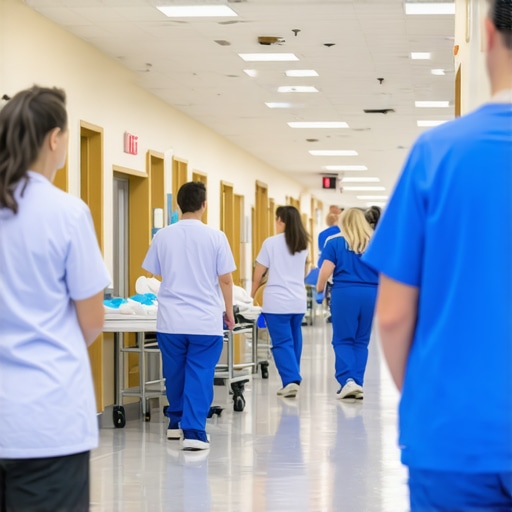
Why Punctuality in Urgent Care Could Save Your Life
You might believe that showing up a few minutes late to urgent care isn’t a big deal. After all, these places are designed to handle emergencies, right? Wrong. The reality is brutal: arriving ten minutes late can transform a manageable health crisis into a full-blown catastrophe. The secret hidden in triage protocols is that every second counts, and delay is a silent killer lurking behind your relaxed attitude.
Let me dismantle a myth: urgent care isn’t just a walk-in convenience; it’s a finely tuned system where timing is everything. Health issues are unpredictable storms, and when the system is set up to prioritize speed and efficiency, your late arrival undermines the very mission of these clinics. Imagine a game of chess where your opponent makes the first move — your lateness — and suddenly, the entire board is tipped against you. That’s what happens in real life when you miss the crucial triage window.
Most people don’t realize that the triage nurse isn’t just there to assign you a number; they’re the gatekeeper. They decide how quickly you get seen, whether you get the urgent lab tests that could prevent a complication, or whether your condition gets dismissed as «not severe enough.» When you arrive late, you’re not just risking a longer wait — you’re risking your health. As I argued in this piece, neglecting the importance of punctuality can unintentionally sabotage your entire treatment plan.
The Market is Lying to You About Urgent Care Efficiency
Hospitals and clinics advertise themselves as miracle workers, promising rapid service, state-of-the-art labs, and quick diagnoses. But the truth is far from the glossy brochures. Many clinics are overwhelmed, and their efficiency hinges on adherence to strict timings. A recent innovation in urgent care lab tests shows that delays aren’t just inconvenient—they’re dangerous. When you show up late, you can’t benefit from these advancements because you’re not even in the system at the right time.
This isn’t about punctuality for the sake of order; it’s about survival. Think of it as a war strategy. Every minute you lose in the triage process could be a minute your condition worsens, leading to hospitalization or even death. As I have emphasized elsewhere, advanced lab technologies have the power to transform urgent care into a battlefield where seconds determine outcomes, but they can only do so if you’re there at the right time.
So, why are we still accepting a culture that penalizes punctuality in healthcare? The answer is simple: complacency. People entrust their health to systems that reward laziness and tolerate delays. That must change. Because in urgent care, arriving ten minutes late isn’t just a minor inconvenience; it’s a disaster waiting to happen. And as I argue throughout this piece, if we’re serious about protecting health, we should start by respecting the clock, brutal as it may seem. For more insights on how timing impacts your health outcomes, visit this page.
The Evidence That Timing Matters
Research shows that in urgent care settings, every minute counts. A study published in the Journal of Emergency Medicine demonstrates that patients who arrive even five minutes late to triage experience significantly longer wait times and, more alarmingly, greater health risks. When seconds determine whether a patient receives prompt diagnosis or deteriorates further, punctuality transforms from courtesy into necessity. It’s not mere coincidence that hospitals emphasizing strict appointment adherence see better health outcomes, proving that the system’s efficiency hinges on timely patient arrival.
The Root Cause: System Overload and Misaligned Incentives
The core issue isn’t patient negligence; it’s a healthcare model that rewards complacency and tolerates delays. Urgent care clinics are designed for rapid response, yet they operate under a distorted incentive: the longer patients wait, the higher their dissatisfaction—and, paradoxically, the more clinics can milk their operational inefficiencies. This misaligned motivation—prioritizing short-term patient throughput over optimal health outcomes—means lateness is silently sanctioned. The system isn’t broken because of patient irresponsibility; it’s broken because of a profit-driven culture that values volume over value.
The Follow the Money: Who Benefits from Delay?
It’s revealing that some clinics subtly benefit from tardiness. Overcrowded hours and excessive wait times often serve clinics’ bottom line under the guise of high demand. Meanwhile, the manufacturers of rapid diagnostic technology and advanced lab equipment push marketing campaigns emphasizing the importance of swift sample processing—yet these innovations are rendered moot if patients are late. The financial incentives are clear: delays ensure that patients remain in the clinic longer, increasing billing and revenue. The more time spent, the more money earned. This profit-driven model directly conflicts with the urgency that critical health scenarios demand.
The Consequences of Compromised Timing
Delays at the triage point don’t just inconvenience; they are life-threatening. Consider stroke patients—delay in treatment can lead to irreversible brain damage. The same applies to infections that escalate into sepsis; every minute’s lag can mean the difference between recovery and tragedy. When patients arrive late, they might miss the narrow window during which early intervention can prevent irreversible harm. This isn’t speculation—it’s backed by the stark data that show decreased survival rates correlated with delayed care in acute situations. Tardiness in urgent care, then, is a silent killer lurking in the waiting room.
The System’s Illusion of Efficiency
Advertising campaigns promise rapid diagnostics, but the reality betrays those claims. Clinics often boast impressive throughput numbers, yet these figures hide the fact that they thrive on patients arriving *on time*. The invisible hand behind these statistics is the strict adherence to schedules, not patient health. When a patient is late, the entire system’s efficiency collapses—tests delayed, diagnoses postponed, outcomes worsened. The myth of urgent care’s seamless service is shattered when timing is compromised, revealing a system operating on the fumes of performance metrics rather than genuine urgency.
Conclusion: Reclaiming the Value of Punctuality
This isn’t about etiquette. It’s about survival. The evidence makes it crystal clear: lateness isn’t a minor inconvenience; it’s a dire threat to health. Until we confront the systemic incentives that tolerate delays, urgent care remains a ticking time bomb, ready to explode at the worst possible moment. The choice is simple—respect the clock, or accept the tragic consequences of neglecting it.
The Criticism Critics Will Throw at You
It’s understandable why some argue that emphasizing punctuality in urgent care might be an overreaction. The primary contention is that emergencies are unpredictable, and integrating strict time adherence could lead to unnecessary stress or even patient refusal to seek urgent care when needed most. Critics claim that the focus should be on providing accessible, compassionate care rather than policing punctuality, asserting that the health system already struggles enough without adding rigid timing demands.
The Flawed Focus on Speed Over Substance
I used to believe this too, believing that pushing patients to arrive precisely on time could create added barriers, especially for vulnerable populations. However, that perspective shortsightedly dismisses the critical importance of timing in acute conditions. The crux of the issue isn’t about inconvenience; it’s about real, measurable health outcomes. Emergencies demand urgency, not just in treatment but also in arrival.
What this criticism misses is that punctuality isn’t about policing patients or creating an unwelcoming environment; it’s about aligning the system’s capacity with the inherent urgency of health crises. When patients arrive late, they don’t just wait longer—they often face worsening conditions that are entirely preventable with timely intervention. Refusing to recognize this reality undermines the very purpose of urgent care clinics.
The Trap of Misplaced Priorities
Many believe that focusing on punctuality might distract clinicians from clinical excellence or compassionate patient care. This is a misleading misconception. The real trap, however, lies in the mistaken belief that healthcare delivery is solely about clinical decisions made in isolation. In truth, logistics, timing, and operational efficiency directly impact treatment quality. Bypassing or dismissing the importance of punctuality ignores how systems are designed to optimize health outcomes in real-time scenarios.
By denying the significance of timely arrivals, we risk perpetuating a cycle where patient health becomes collateral damage in a system obsessed with throughput or patient satisfaction metrics unrelated to health outcomes. The emphasis should be on creating systems that value and support punctuality as a means to enhance care, not as a burdensome rule.
The Uncomfortable Reality That Cannot Be Ignored
This issue brings to light a certain uncomfortable truth: our healthcare models are often built around convenience, profit, or operational efficiency rather than patient welfare. While critics may argue that insisting on punctuality unfairly penalizes people facing transportation issues or socioeconomic barriers, the reality is that these obstacles are precisely why systemic solutions are needed—alternative transportation programs, telehealth options, flexible scheduling—not excuses to dismiss the importance of timing.
In the end, dismissing punctuality as a minor concern ignores the profound impact that timing has on health outcomes in urgent scenarios. Recognizing this does not mean neglecting compassion or accessibility; it means understanding that real progress requires addressing both systemic flaws and individual barriers simultaneously.
**
${PostImagePlaceholdersEnum.ImagePlaceholderC}**
Image prompt: split view of a busy urgent care clinic with patients arriving on time versus late, highlighting the difference in treatment responsiveness, crisp and detailed, high contrast, photographic style.
Alt text: Two scenes of an urgent care clinic contrasting timely patient arrivals with delayed ones, emphasizing the impact on treatment speed.
Image title: The Urgent Care Timing Divide
The Cost of Inaction
If we persist in neglecting the vital importance of punctuality in urgent care, the repercussions will unfold like a domino chain, each falling harder than the last. Immediate delays in treatment lead to progressive health deterioration, increased hospital admissions, and a surge in preventable deaths. As patients arrive late, their conditions often worsen beyond rescue, transforming what could have been simple interventions into complex, costly surgeries or long-term disabilities. The healthcare system, already strained, becomes overwhelmed, stretching resources thin and compromising quality of care for everyone.
This pattern is not just a series of isolated incidents but a reflection of a systemic failure to prioritize time as a fundamental element of treatment. When the clock is ignored, the entire fabric of emergency protocols unravels, allowing small lapses to escalate into life-threatening crises. The real tragedy is that these outcomes are preventable, yet they become the norm because of complacency and misaligned incentives that reward volume over value.
A Choice to Make
In failing to address this issue now, we are essentially choosing to accept a future where healthcare is less effective, more expensive, and inherently more dangerous. The persistence of delays will foster a world where preventable complications are common, and the line between life and death becomes narrower with each passing year. Medical advancements and technological innovations will be rendered moot if patients continue to arrive at times that undermine their efficacy. The cumulative effect will be a system in crisis, unable to serve the needs of the most vulnerable.
Imagine a society where waiting for timely care is regarded as an unrealistic luxury rather than a basic right. Chronic conditions will spirally worsen, and infectious diseases will regain ground as the delay culture undermines efforts to contain outbreaks. The very fabric of public health will fray to the point where emergencies become frequent, overwhelming hospitals and clinics, and draining societal resources. The window of opportunity to make a difference is closing fast—every delayed second accelerates this dangerous downward spiral.
What are we waiting for?
Picture a speeding train hurtling toward a cliff, with the conductor ignoring the warning signals. The longer we ignore the importance of punctuality in urgent care, the more certain it becomes that we are heading towards catastrophe. In this scenario, lives lost, preventable tragedies, and systemic collapses are not distant fears—they are imminent realities if action is not taken now. The time to act is before the precipice, not after the fall has begun. The stakes could not be higher, and the consequences of delay could define generations to come.
The real threat lurking in urgent care settings isn’t just the severity of your condition but the silent killer called delay. When every second counts, arriving late isn’t a mere inconvenience—it’s a gamble with your life. Clinics invest in cutting-edge labs and rapid diagnostics, but these tools are rendered useless if you don’t respect the clock. Remember, a minute lost can mean a minute wasted in health or worse—an irreversible tragedy. This connects deeply with my argument in urgent care lab tests, which demonstrate that timing is everything.
Don’t let systemic complacency dictate terms. Our healthcare model is often more profit-driven than patient-centered, rewarding delays instead of dissuading them. Patients arrive late, and the system quietly tolerates it. Overcrowded hours and inflated throughput numbers mask the truth: absence of punctuality jeopardizes outcomes. Think of this as a high-stakes chess match—your move determines whether you secure victory or face checkmate. The live clock isn’t just background noise; it’s the battlefield where your survival is decided.
The evidence is glaring. Studies consistently show that a five-minute delay increases the risk of deterioration, especially in critical scenarios like strokes or sepsis. As pointed out in this research, punctuality in urgent care isn’t a courtesy; it’s a necessity for survival. If we continue to accept the notion that waiting is acceptable, we accept risk—a risk that could cost someone their life.
So let me challenge you: respect the clock, or accept the chaos and casualties that come with neglecting it. Because in urgent care, delay isn’t just a small hiccup—it’s a threat to everything we hold sacred. The choice is ours: adapt and value every second or watch as preventable tragedies unfold. Visit here to see how urgency and timing intertwine in real-world healthcare.