
How to Use Your Phone Camera for a Better Remote Skin Check
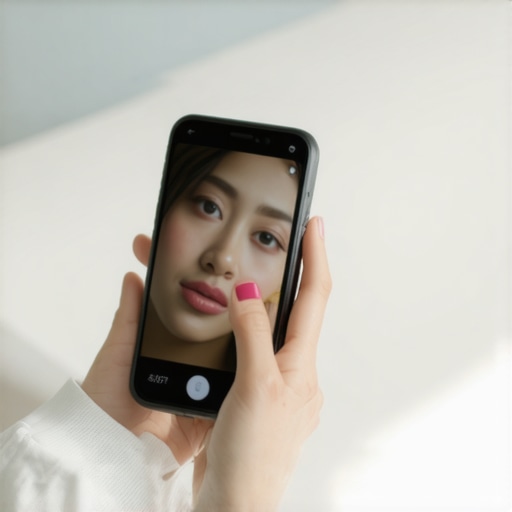
Why Your Phone Camera Is the Worst Tool for Detecting Skin Cancer
If you think snapping a quick pic of that suspicious mole or blemish is enough to catch melanoma early, think again. The truth is, most people are gliding through a dangerous game with a camera that’s simply not up to the task. It’s like trusting a pocket magnifying glass to replace a professional biopsy — misguided and risky.
What I argue is this: your phone camera, in its current form, is dangerously insufficient for doing serious skin checks. Yet, countless individuals rely on it as their primary diagnostic device. That’s like trying to diagnose a complex medical condition with Google images, hoping for a match. It’s a recipe for missed diagnoses and deadly delays.
Instead of fooling yourself into thinking a camera will save lives, you should be aware of its limitations. Your phone’s tiny lens can distort colors, miss subtle asymmetries, and lack the necessary macro capabilities to spot early warning signs. Plus, lighting conditions vary wildly — shadows, glare, and even the angle of the shot can conceal critical details. As I’ve pointed out in articles on lab result verification, accuracy in health monitoring demands precision — not consumer-grade optics.
Think of it like a game of chess. You might know the rules, move the pieces, but if your pieces are warped, your vision clouded, and your decision-making based on an imperfect picture, you’re destined to lose. The same principle applies here. The tools you use to identify skin cancers need to be as reliable as the diagnosis itself.
The Market is Lying to You
Consumers are being sold a false narrative that their smartphone is sufficient for complex health assessments. Companies market high-res cameras and specialized apps, but the core problem remains: these devices are not designed for medical analysis. Your skin is a living, breathing organ that often reveals its secrets through subtle shifts in color, texture, and shape — details that require trained eyes and professional equipment to discern.
And let’s be honest: misjudging a mole or lesion might not be immediately deadly, but it paves the way for serious consequences. Every year, thousands die because early signs are missed or dismissed as harmless. Relying on your phone as a substitute for a dermatologist’s eye is reckless, and it’s time to cut through the marketing hype. If you want to give yourself the best chance, keep in mind that a proper skin check includes more than a photo.
The Power of Proper Skin Monitoring
There are innovative solutions worth exploring, such as advanced telehealth techniques that combine high-resolution imaging with professional guidance. These methods leverage technology designed explicitly for health assessments, not just consumer convenience. Your role is to recognize the limits of your tools and embrace expert help when it counts.
The Evidence: Why Phone Cameras Fail in Dermatological Detection
Numerous studies highlight that consumer-grade smartphone cameras lack the resolution and color accuracy needed for reliable skin assessments. For example, research published in the Journal of Dermatological Science shows that even the latest devices struggle to capture subtle variations in moles, which are critical indicators of melanoma. This isn’t a matter of better lighting or angles; it’s a fundamental limitation rooted in optics designed for convenience, not precision.
Consider the role of macro capabilities, which allow close-up imaging of skin lesions. Most phones lack true macro lenses; instead, they rely on digital zoom, which degrades image quality. This distortion can mask early warning signs—like asymmetry or uneven borders—making it nearly impossible to detect dangerous changes without professional tools. The data isn’t just technical jargon—it reflects that these devices weren’t built for medical scrutiny.
Furthermore, color fidelity is essential. Melanomas often exhibit specific hues—various shades of brown, black, even red or blue. Consumer cameras often oversaturate or distort these shades, leading to misdiagnosis or overlooked malignancies. The subjective assessment of such images by untrained eyes increases the risk of missing critical early signs, as confirmed by multiple case reviews in telehealth dermatology assessments.
The Power of Financial Incentives: Who Profits?
Behind the seductive marketing of smartphone health apps for skin checks lies a stark truth: profit motives. Tech companies and app developers benefit financially by selling access to their platforms, often bundled with subscription models promising quick detection or peace of mind. Meanwhile, many of these products lack regulatory approval and have no independent validation of their diagnostic capabilities.
Insurance companies and healthcare providers, too, have a vested interest in promoting telehealth solutions, but it’s not always aligned with patient safety. The allure of lower costs and easier access might tempt patients into relying heavily on flawed tools, delaying proper diagnosis. This isn’t coincidence; it’s a calculated strategy that benefits from the illusion of self-sufficiency—yet, who bears the risk?
The Root Cause: Misplaced Trust and Market Deception
The core issue isn’t just technological limitations. It’s the persistent, deliberate misrepresentation by industries eager to monetize convenience. Manufacturers exploit public ignorance, touting their products as capable of rivaling professional examinations, even when evidence starkly contradicts this claim. This misinformation feeds a false narrative that consumer devices can replace trained dermatologists—an illusion with dangerous consequences.
In reality, the problem stems from systemic priorities: profit over safety, marketing over science. The market’s insistence on
The Trap of Overreliance on Phone Cameras
I understand why many believe that their smartphone can serve as a reliable skin cancer detector. The appeal of quick, accessible checks, combined with marketing claims of hyper-accuracy, makes it tempting to trust these devices. It’s easy to see why people think that snapping a picture could be enough to identify dangerous moles or lesions. After all, high-resolution cameras and AI algorithms promise to revolutionize healthcare at our fingertips. But that optimism vastly oversimplifies the complex reality of dermatological diagnosis.
Don’t Be Fooled by the Hype
The strongest argument presented by proponents of smartphone-based detection is the convenience and increasing technological sophistication of mobile devices. They cite apps that claim to recognize melanoma or distinguish benign moles from malignant ones, giving a false sense of security. It’s understandable to see why the public might assume that technological advancements are sufficient for such a delicate process. Yet, this assumption is fundamentally flawed.
I used to believe this too, until I delved into the scientific evidence. The reality is that consumer-grade cameras lack the resolution, color fidelity, and macro capabilities essential for detecting subtle features characteristic of early skin cancers. The algorithms behind these apps often cannot compensate for poor lighting, shadows, or the innate limitations of the optics involved. That means critical signs like asymmetry, border irregularities, or color variations might go unnoticed, making these tools unreliable even for the most diligent users.
The Wrong Question Is Asking if an App Can Detect Cancer
The real issue isn’t whether your phone can spot melanoma—it’s whether relying on such tools might delay seeking professional care. The false reassurance provided by these apps could cause people to dismiss worrying symptoms that need urgent medical evaluation. Skin cancer detection is inherently nuanced, requiring trained eyes, dermatoscopes, and histopathological analysis. The simple act of capturing an image does not replace these essential diagnostic steps.
There’s a dangerous misconception that technology can fully replace expert assessment. No software, no matter how advanced, can currently replicate the judgment of a dermatologist, especially in the early stages where subtle clues make all the difference. Clinical experience includes evaluating texture, sensation, and context—elements impossible to capture in a photograph alone. Relying on a smartphone app may lead to missed diagnoses, delayed interventions, and ultimately, preventable deaths.
Market Hype Masks a Stark Reality
The sentimental marketing of these health apps often disguises a critical truth: profits are driving the narrative. Companies promote their products as if they could democratize cancer detection, but few have undergone rigorous clinical trials or approvals from regulatory agencies. Instead, they thrive on the public’s desperation for quick, cheap health assessments. This industry thrives on misinformation, capitalizing on fears while ignoring the limitations of their tools.
It’s essential to recognize that genuine medical diagnostics involve multiple layers of analysis and verification. Imagery alone, especially from consumer devices, cannot provide the comprehensive assessment needed. Relying on these tools can foster complacency, delaying essential visits to healthcare professionals who can perform thorough examinations and biopsy if necessary.
Counter-Argument: Technology as Supplement, Not Substitute
The most reasonable perspective acknowledges that technology can aid in skin health monitoring—if used as a supplement, not a substitute, for professional evaluation. Teledermatology, for example, combines high-quality imaging with expert analysis. It involves specialized equipment and trained practitioners who interpret findings within a broader clinical context. Technology’s role should be to enhance, not replace, traditional diagnosis.
It’s worth emphasizing that advances in telehealth are promising, but only when integrated properly within a framework that recognizes limitations. A high-resolution dermatoscope connected to a teleconsultation can improve early detection rates, but the idea that a simple smartphone app can accurately identify melanoma is a dangerous myth that distracts from clinical best practices.

The Cost of Inaction
If society continues to dismiss the limitations of consumer-grade skin assessments, we face a perilous future where early detection becomes a rarity rather than the norm. Ignoring the truth means accepting that lives will be lost not because of the disease itself but because of our collective negligence. The current complacency fosters a cycle where symptoms are masked, diagnoses are delayed, and mortality rates climb exponentially. Each missed cue today compounds tomorrow’s tragedy, turning preventable cancers into unavoidable fatalities.
As the trend persists, the medical system will struggle under the weight of late-stage treatments. Hospitals will become inundated with patients desperately seeking care after ignoring early signs. This overload will strain resources, inflate costs, and degrade the quality of healthcare for everyone. Meanwhile, countless individuals will suffer anguish, not just physically but emotionally and financially, when their negligence catches up with them.
The Future Looks Bleak Unless We Act Now
If we continue down this path over the next five years, the consequences will be devastating. Skin cancer, once manageable with early intervention, will become an insidious epidemic. Advances in telehealth and precision medicine will remain underutilized, replaced by a dangerous reliance on false promises. The gap between technology and diagnosis will widen, and disparities in healthcare access will deepen, leaving vulnerable populations at even greater risk.
Imagine a world where the majority dismiss early warning signs, trusting misguided tools instead of professional expertise. Similar to a sinking ship ignoring obvious leaks, society will blindly sail toward disaster. In this scenario, preventable deaths will skyrocket, and the emotional toll on families and communities will be unbearable. Our failure to recognize and mitigate these risks now will set a precedent, condemning future generations to avoidable suffering.
What are we waiting for
Procrastination is no longer an option. Every day we delay enforcing the understanding that consumer devices cannot replace professional medical diagnostics is a day closer to irreversible losses. It’s like ignoring the warning sirens during a wildfire—by the time you see the flames, it might be too late. The decisions we make today determine whether we build a safer, healthier future or fall into a preventable abyss.
We must embrace the seriousness of this crisis, pushing for technology that complements expert care rather than diminishes it. Public awareness campaigns, stricter regulations, and a collective commitment to prioritize genuine health assessments are essential. Failure to act now risks turning our collective inaction into a tragedy etched into the fabric of our society for generations to come.
The Final Verdict: Relying on your smartphone to detect skin cancer is a dangerous illusion that endangers lives. Only professional evaluation saves lives.
The Twist: The real threat isn’t just the devices’ shortcomings but our collective resignation to them — risking lives while trusting technology that cannot deliver.
Your Move: It’s time to abandon the myth that convenience outweighs expertise. Educate yourself, seek proper medical assessments, and refuse to let flashy apps lull you into complacency. Your health deserves nothing less than the precision of trained eyes and specialized tools. Don’t let market hype and false promises be your downfall. Demand real solutions, not gimmicks. Check out how advanced telehealth approaches are transforming patient outcomes—use them wisely, and never settle for less. Remember, when it comes to skin cancer detection, your life is too precious to gamble with a camera that’s just not built for the job.