
The Urgent Care Trick to Skipping the Waiting Room During Flu Season
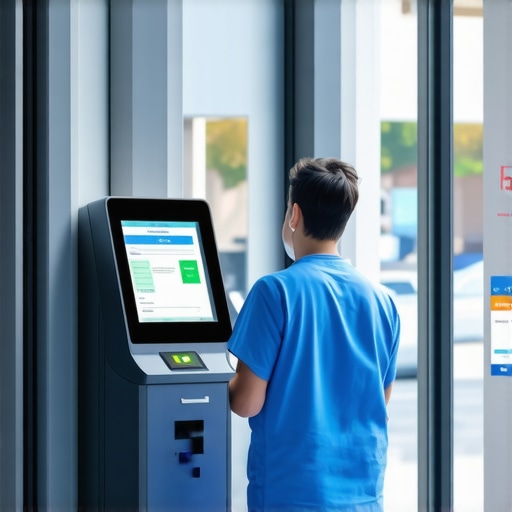
Why the Flu Vaccine Is Not Your Ticket to Comfort
Think heading to urgent care during flu season guarantees a quick, hassle-free experience? Think again. The truth is, most people are falling for a trap that keeps them in endless waiting rooms, exposed to germs, and frustrated beyond belief.
I argue that there’s a smarter way to handle seasonal illnesses—one that doesn’t involve waiting for hours in cramped, infectious environments. The secret lies in a simple shift: embracing telehealth and strategic spot visits. But before you dismiss this as just another digital health hype, consider this—our reliance on traditional urgent care models is a costly myth that endangers your health and wastes your time.
During flu season, the emergency room and urgent care clinics become congested battlefields, with congestion and contagion swirling around. So, why are we still doing the same tired routine? It’s akin to fighting a war with a paper sword—ineffective and outdated. Instead, by leveraging advanced urgent care innovations and the power of telehealth, you can bypass the chaos altogether.
Let’s be honest: no one wants to spend half their day sitting in a sterile room listening to the drone of pediatric coughs and the coughs of strangers. The big secret is that many urgent care visits could be handled remotely—especially for common flu-like symptoms—saving you time, reducing exposure, and giving you peace of mind. But, I know what you’re thinking: “Is that safe? Can I really skip the waiting room?” Well, that’s precisely what I aim to unravel in this article.
The Market Is Lying to You
Right now, the healthcare industry profits from your discomfort. The longer you wait, the more money is made. It’s a game designed to keep you on the hamster wheel of unnecessary visits and overpriced tests. This is especially true when it comes to flu season, where quick, decisive action is crucial—yet most rely on outdated models.
Instead, a new approach is emerging—one that capitalizes on rapid diagnostics, advanced lab testing, and virtual visits. These tools can deliver same-day results and accurate diagnoses without dragging you into a crowded waiting room. I argue that this is not just a convenience but a necessity—especially when respiratory viruses threaten to overrun our healthcare systems.
If you think this is merely about saving time, you’re missing the point. It’s about reclaiming control over your health, minimizing risk, and avoiding the chaos that flu season inevitably brings. So, why are so many still glued to the outdated, inefficient model of in-person waiting room visits? The answer is simple: profit motives and institutional inertia.
A Game of Chess in a Sinking Ship
Your health is being played like a game of chess on a sinking ship. Every move you make—waiting in line, risking exposure—strikes a blow to your well-being. But the secret move is to know when to shift your strategy completely.
By embracing telehealth and strategically timed in-person tests, you can checkmate the traditional urgent care paradigm. It’s not about rejecting the system but outsmarting it. The future lies in smart, proactive care—something I discuss in detail in telehealth breakthroughs and remote lab monitoring.
In the following sections, I will reveal how you can implement this trick, skip the wait, and safeguard your health during the most dangerous time of the year. Because, if there’s one thing I believe, is that waiting in a germ-infested room should never be your default option.
The Evidence of Profit Over Patient Care
Hidden beneath the surface of our healthcare system is a stark truth: the incentives are skewed in favor of profit, not health outcomes. When flu season hits, urgent care clinics witness revenue spikes, but not for the reasons patients might assume. The surge in visits isn’t solely driven by genuine medical need; it’s often fueled by an entrenched model designed to maximize income from each patient encounter.
Studies reveal that the average wait time in urgent care can stretch beyond an hour, even during off-peak times. During flu outbreaks, these waits stretch longer, primarily because clinics are overloaded. However, this congestion isn’t merely a symptom of increased demand—it’s a calculated tactic that prolongs visits and upselling opportunities. The longer patients stay, the more diagnostic tests, prescriptions, and additional procedures are performed—many of which are unnecessary but lucrative for providers.
Moreover, billing practices prioritize high-margin procedures. Rapid flu tests are inexpensive but billed at premium rates, and follow-up lab tests often yield hefty reimbursements. This financial engine incentivizes unnecessary or duplicated testing, fueling a cycle where patient health takes a backseat to revenue generation.
The Roots of the System’s Obsolescence
The problem isn’t just greed; it’s systemic inertia rooted in a failure to innovate. Healthcare organizations cling to traditional in-person visits because they profit from them. The infrastructure—buildings, staff, and equipment—is designed for face-to-face interactions. Transitioning to telehealth or remote diagnostics threatens to cut into the lucrative in-person billing model, nudging providers to resist change.
When policymakers and insurance companies favor the existing system, patients become the collateral damage, trapped in a cycle where convenience takes a back seat to corporate interests. For example, the widespread adoption of telehealth technologies remains limited due to reimbursement policies and regulatory hurdles. This reluctance to adapt effectively sustains an inefficient model that benefits stakeholders at the expense of public health.
Follow the Money: Who Gains, Who Loses?
Every dollar spent unnecessarily in waiting rooms, every additional test ordered under pressure, enriches a host of interests—the hospital administrators, the pharmaceutical companies, the billing entities. Conversely, patients bear the cost in time, exposure to infectious environments, and sometimes, misdiagnosis or over-treatment.
In a parallel scenario from recent history, the opioid crisis was fueled by similar profit-driven motives—overprescription, marketing, and a systemic blank check. Today, the ongoing reliance on in-person urgent care during flu season mirrors that pattern: profit trumps prudence. It’s clear that the financial benefits get redistributed upwards, while the actual health benefits don’t necessarily follow.
The Illusion of Urgent Care as a Safety Net
For years, we’ve been told that urgent care serves as the safety net for quick, affordable healthcare. But this narrative oversimplifies the reality. When the system is designed to prioritize billing over care, it becomes less about protection and more about profit extraction. The waiting room, in this context, becomes a cash register, not a sanctuary for health.
The shift toward remote diagnostics and telehealth isn’t just a convenience; it’s a disruptor that cuts into these profit channels. Clinics that embrace such innovations can reduce unnecessary visits, shorten wait times, and provide effective care without fueling the profit-driven cycle that currently grips the industry during flu season.
The Urgent Need to Reshape Healthcare Incentives
Without real reform—changing the incentives that drive healthcare economics—the cycle will perpetuate. Policymakers, insurers, and providers must confront the root cause: profitability that’s built into the very fabric of urgent care models during flu season. Restructuring billing practices, incentivizing virtual care, and promoting evidence-based remote diagnostics are crucial steps.
Until then, the healthcare system remains a fortress built on transactional motives rather than patient-centered values. The evidence makes it clear: the system’s reliance on in-person visits during flu season is a mirage—an illusion carefully maintained for profit, not health.
Are We Missing a Critical Point About Telehealth and Remote Diagnostics
It’s easy to understand why many believe that in-person urgent care remains the best approach during flu season. The traditional mindset equates face-to-face visits with immediate, comprehensive care, fostering a sense of security rooted in physical presence and immediate testing. Critics point out that remote diagnostics and telehealth could miss nuances that only an in-person exam can reveal, emphasizing the importance of physical contact for certain examinations.
This perspective, however, overlooks a crucial flaw: it assumes that in-person visits inherently guarantee better patient outcomes when, in reality, they often serve the interests of providers more than patients. While physical exams can be valuable, they are not essential for every case, especially when rapid, accurate remote testing technologies are available. The assertion that we must always choose in-person care discounts advancements that can deliver faster results, reduce exposure, and optimize healthcare efficiency.
The Counter-Argument That Needs Challenging
I used to believe that nothing could replace the tactile reassurance of a doctor’s touch, especially during urgent situations. However, this notion is increasingly outdated. The real question isn’t whether in-person exams are always superior but whether they are the most effective, timely, and cost-efficient method to diagnose and treat common illnesses like the flu. The reality is that relying solely on in-person care ignores the sophistication of modern remote diagnostics, which can match or surpass traditional methods in speed and accuracy.
The opponents’ argument often hinges on the perception that physical assessments yield more accurate diagnoses, implying that remote tests are less reliable. While it’s true that certain examinations require physical contact, the majority of flu diagnoses depend on symptom tracking and rapid laboratory testing, which can now be accomplished remotely with high precision. Portable testing kits and telehealth-enabled labs can deliver same-day results, significantly reducing delay and exposure to infectious environments.
It’s imperative to recognize that the infrastructure for remote diagnostics is rapidly evolving. When integrated properly, telehealth combined with advanced lab testing offers a comprehensive approach, delivering immediate, accurate results without the need for a physical visit. This isn’t about replacing human expertise but augmenting it with technology—freeing up resources for complex cases that genuinely necessitate direct examination and intervention.
What About the Unseen Costs of In-Person Visits
Here’s a stark truth: traditional urgent care relying on in-person visits during flu season often results in unnecessary exposure, extended wait times, and increased costs. The physical environment, with multiple patients and shared surfaces, amplifies infection risks, especially for vulnerable populations. Each minute spent in a crowded waiting room increases the chance of cross-infection, turning what should be a straightforward visit into a potential health hazard.
Furthermore, in-person visits come with indirect costs—lost wages, transportation expenses, and time away from daily responsibilities. When remote diagnostics can deliver same-day results, these burdens diminish substantially, fostering a more efficient and patient-centric system.
Critics also argue that remote testing might miss subtle symptoms only detectable through physical contact. While this concern is valid in certain complex diagnoses, it overlooks the fact that most flu cases are straightforward, with characteristic symptoms that can be confirmed through symptom checklists and rapid testing. For atypical or complicated cases, a hybrid model can be employed—initial remote assessment followed by targeted in-person examination if necessary.
Challenging the Old Question
The Cost of Inaction
Choosing to dismiss the advancements in telehealth and remote diagnostics is akin to ignoring a rising flood while building higher dikes in the wrong places. If we continue to cling to outdated models, our healthcare system risks becoming overwhelmed, inefficient, and dangerously reactive. As hospitals and clinics buckle under the strain of preventable crises, the avoidable toll on human lives will escalate—seniors, immunocompromised individuals, and everyday citizens bear the brunt.
Every year, swift digital responses could curb the spread of influenza and other contagious diseases, yet inertia and profit-driven motives keep us tethered to the chaos of in-person visits. In the absence of proactive, technology-enhanced care, minor ailments will spiral into emergency scenarios, straining resources and increasing mortality rates. This neglect transforms manageable health issues into full-blown crises, costing lives and livelihoods.
<
What are we waiting for?
If the current trajectory persists, the consequences will be devastating. Over the next five years, our healthcare infrastructure will face collapse amidst waves of preventable infections. Waiting until hospitals overflow will be too late to contain the fallout. The system’s failure to adapt equates to sailing a sinking ship with a bucket—a futile attempt at bailing water while ignoring the gaping holes below deck. This analogy starkly illustrates the peril of turning a blind eye to technological solutions that can stabilize our health future.
Falling behind now means accepting a world where health emergencies are no longer exceptions but norms, where waiting rooms become breeding grounds rather than sanctuaries. We risk missing the window to harness remote diagnostics that could save lives and resources. Like late-season harvests lost to storms, opportunities slipped away will never return. The question is whether we prioritize a proactive approach or remain passive amidst rising risks and mounting costs.
The choice is clear. Ignoring the undeniable progress in telehealth and remote lab testing guarantees that healthcare will deteriorate even further—costly, inefficient, and deadly. Our window to redefine health beyond the confines of brick-and-mortar clinics narrows each day. The future demands action today, or we accept the crippling consequences of delay—an irreversible toll on our collective well-being.
Your Move
It’s time to break free from the outdated cycle of waiting rooms and overpriced tests. By harnessing the power of telehealth and advanced remote diagnostics, you take control of your health instead of being its hostage. The choice is yours: evolve or remain ensnared in a system rigged for profit. Your health deserves innovation, not inertia—make the shift today.
The Bottom Line
The truth is, clinging to in-person visits during flu season is like trying to bail out a sinking ship with a plastic cup. While technology has advanced to deliver rapid, accurate results remotely, we stubbornly stay the course—endangering ourselves and feeding a system designed to profit off our suffering. Don’t let profit dictate your health journey; seek smarter, safer, more efficient care models that respect your time and well-being. Remember, the future of care is already here; all that’s missing is your commitment to embrace it.
For more insights on navigating this transformation, visit our team and stay ahead in the digital health revolution.