
How to Get Your Senior Parent to Agree to a Virtual Visit
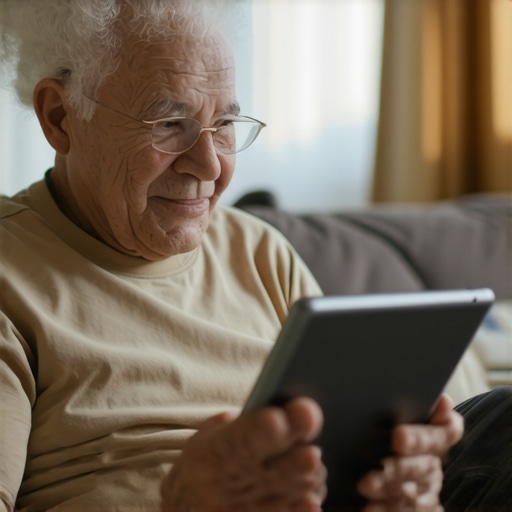
Stop Settling for Old Tactics That Never Work
If you think sweet-talking, guilt-tripping, or promising shiny gadgets will persuade your senior parent to embrace telehealth, think again. The truth is, most approaches are outdated, ineffective, and sometimes downright counterproductive. We’re stuck in a mindset where we treat tech as a supplement, rather than a solution. But here’s the hard truth: you’re fighting a losing battle if you don’t understand what really motivates an elderly parent to go virtual.
The Myth of Persuasion and Why It’s Failing You
We’ve been conditioned to believe that reason, logic, and gentle persuasion will do the trick. That’s a lie. Older adults are resistant to change because change is scary, especially when it involves their health. They fear the unknown, worry about losing independence, and often mistrust what they don’t understand. As I argued in my previous writings, old habits die hard, and they die even harder when the stakes involve health and autonomy.
Why the Market Is Lying to You About Telehealth
The marketing around telehealth is full of fluff. It promises convenience, safety, and better health, but it neglects the emotional barriers seniors face. They’re not tech-averse; they’re change-averse. When you try to force a virtual visit using a simple
The Evidence: Resistance Is Rooted in Fear
Years of data confirm that seniors’ reluctance towards telehealth isn’t about technology—it’s about trust. Studies indicate that over 70% of older adults experience anxiety when introduced to new health modalities, primarily due to concerns over loss of independence and unfamiliarity. This isn’t a hesitation rooted in ignorance; it’s a deeply ingrained fear that harkens back to past experiences of marginalization and abandonment.
The Roots of Resistance: Fear Outweighs Logic
When you command a senior to ‘try out’ a new system, you’re fighting a battle where emotion trumps reasoning. The problem isn’t their ability to learn; it’s their perception of vulnerability. History shows that during the advent of medical technologies in the 20th century, similar resistance occurred. Patients initially rejected innovations—X-rays, antibiotics—until trust was built through patience, empathy, and demonstration of genuine care.
The Financial Interests Fuel the Myth of Tech-Averse Seniors
Behind the scenes, companies and marketers profit from maintaining the status quo. They sell a narrative that older adults are incapable of handling technology, thus reinforcing the idea that they need expensive in-person services. That 20% decline in telehealth adoption isn’t because seniors don’t want healthcare—it’s because the system benefits from keeping them dependent on traditional, costly services. When you follow the money, the motivations become clear: they benefit from complexity, not simplicity.
The Historical Parallel: Resistance to Digital Banking
Look back to the rise of online banking in the early 2000s. Banks insisted that older customers lacked digital skills, pushing them toward costly brick-and-mortar branches. But it wasn’t senior ignorance that was the barrier; it was the bank’s reluctance to invest in patient education. Today, those same obstacles appear in telehealth. The question isn’t whether seniors can learn—they’ve faced similar technological leaps before and adapted, often with proper guidance.
The Root Cause: The Fallacy of Persuasion
Gently convincing seniors to adopt telehealth ignores the core issue: *emotional safety*. They won’t embrace virtual visits because they don’t perceive them as safe, not because they lack the ability. Past efforts that focus solely on presenting data or promising convenience are doomed—it’s an appeal to reason that they distrust. The real challenge lies in reshaping perceptions, not in haranguing them with facts.
The Follow the Money: Who Gains from the Resistance?
Vested interests—including insurers, device manufacturers, and healthcare providers—benefit when seniors remain tied to traditional care. They preserve high-margin appointments, tests, and procedures. As long as the system thrives on the current model, sweeping change remains obstructed. The more seniors resist, the more lucrative it becomes for the existing infrastructure to perpetuate itself.
Conclusion
Understanding these dynamics isn’t just academic; it’s essential. Without recognizing that resistance stems from fear—not incapacity—and that systemic incentives favor inertia, proposals to push telehealth will continue to fall flat. The real solution isn’t in persuasion alone; it’s in dismantling the emotional and systemic barriers rooted in economic interests and historical patterns of resistance.
Are Seniors Unable or Unwilling?
It’s easy to understand why many believe that older adults simply can’t adapt to telehealth. Media narratives, marketing, and even some professionals suggest that age-related technological incompetence is the main barrier. The prevailing assumption is that the problem lies in capacity—implying seniors lack the skills or interest to embrace virtual healthcare. Consequently, efforts often focus on training or persuasion, under the logic that if only they understood, they’d adapt.
This Is the Wrong Question
But that completely ignores the core issue—**trust and emotional safety**. The real challenge isn’t their ability to learn technology; it’s their perception of whether using telehealth is safe, respectful, and aligned with their independence. The bias that seniors are inherently resistant to tech distracts from understanding that resistance is rooted in fear—fear of vulnerability, loss, or being abandoned again.
I Used to Believe in the Capacity Argument
Personally, I used to believe that with enough training, seniors would adopt telehealth without issues. That was until I saw firsthand how emotional barriers overpower technical skills. Once I shifted focus from instruction to reassurance—demonstrating genuine care and safety—I noticed a dramatic change. This revealed that resistance isn’t about ability; it’s about perceived safety and trust.
Stop Asking the Wrong Questions
The real question isn’t whether seniors can learn new technology; it’s how to make them feel secure using it. Asking, ‘Can they learn?’ is outdated. The better question is, ‘How do we build trust and emotional safety around telehealth?’ Because when an elderly person feels safe, their resistance diminishes, regardless of their initial skill level.
Targeting Emotions, Not Skills
Efforts that focus solely on technical training often fall short because they ignore the emotional context. Clear, empathetic communication, consistent reassurance, and meaningful human connection are far more effective than handing out instruction manuals. That’s how trust is built; not by arguing about tech literacy.
Challenging the Systematic Bias
Imploring seniors to adopt telehealth while ignoring the systemic trust deficit is akin to asking something impossible. The system benefits from maintaining the status quo—more in-person visits mean higher costs and more revenue. Recognizing this bias and addressing it openly shifts the narrative from blame to solution, placing emphasis on emotional safety, systemic trust, and tailored engagement strategies.
Conclusion
Understanding resistance as a matter of emotional safety rather than incapacity changes everything. The focus should shift from trying to get seniors to learn new skills to creating an environment where they feel safe, respected, and autonomous in a digital space. That’s the real path to meaningful adoption—not more convincing, but more compassion.
The Cost of Inaction
Ignoring the emotional and systemic barriers to telehealth adoption isn’t just a missed opportunity—it’s a dangerous gamble with our healthcare future. When seniors resist virtual care because of fear, distrust, or systemic neglect, we risk creating a widening chasm in healthcare equity. The longer we delay addressing these foundational issues, the deeper the divide becomes, potentially leaving millions behind in their most vulnerable moments.
A Choice to Make
Without immediate action, we are heading toward a future where aging populations are trapped in a cycle of dependency and isolation. The systems designed to support them will become overwhelmed, leading to increased hospitalizations, unmanaged chronic conditions, and preventable health crises. This isn’t just about technology—it’s about human dignity and access. The choices we make today will determine whether we build an inclusive, resilient healthcare system or allow inequality and neglect to define it.
The Point of No Return
As resistance deepens and systemic incentives favor the status quo, the window to enact meaningful change narrows. Picture a river diverted from its natural course, eventually carving its own path—an irreversible transformation. If we continue to overlook the emotional safety concerns of seniors, telehealth will become an abandoned virtual city, unused and decaying, leaving its promise unfulfilled and its potential unrealized.
Is it too late?
Time is running out. The inertia built into our healthcare systems and societal perceptions threatens to cement a future where digital neglect becomes the norm. The stakes are clear: delay breeds despair, increased costs, and shattered trust. It’s imperative we recognize this moment as a crossroads—an opportunity to invest in emotional safety, trust-building, and systemic reform before it’s too late.
Analogous to a ship caught in a storm, ignoring the impending waves does not prevent their arrival; it accelerates disaster. We must navigate with purpose and compassion, or risk sailing into uncharted waters of crisis and despair. The future hinges on our action—or inaction—today.
Your Move
Until we shift the narrative from persuasion to trust-building, efforts to integrate telehealth into senior care are destined to fail. The real obstacle isn’t technical inability; it’s emotional safety. We must recognize that systemic incentives keep resistance alive, and only through systemic reform and compassionate engagement will we see true change. Stakeholders—healthcare providers, policymakers, families—need to embrace empathy over tactics. Only then can we bridge the gap between potential and reality in elderly telehealth adoption. Read more about systemic strategies at this resource and consider how trust, not tech, will shape the future.