
How to Perform a Skin Check via Telehealth Without Blurry Photos
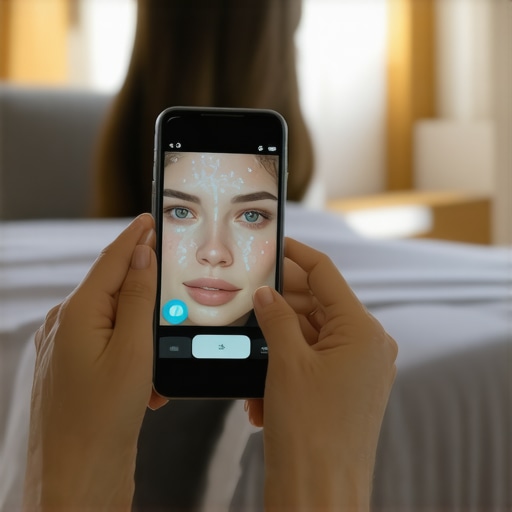
The Myth of Perfect Photos in Telehealth Skin Checks You Need to Stop Believing
Let me cut through the hype: relying on blurry, poorly lit photos to assess your skin remotely is a setup for disaster. The idea that you can get an accurate skin check through a shaky smartphone image is as naive as expecting to win a chess match without understanding the game. If you think a quick click in poor lighting will reveal malignancy or subtle changes, you’re fooling yourself—and potentially putting your health at risk.
The Hard Truth About Telehealth Photos
Many practitioners promote teledermatology as the future. But the reality is, most photos sent via text or app are too blurry, too poorly lit, and too far removed from the actual lesion to be meaningful. The contraint is simple: if your image isn’t clear enough for a dermatologist to differentiate between benign and dangerous, the whole process collapses. It’s like trying to analyze a masterpiece with a smudged lens—you’re left guessing, not diagnosing.
Yet, there’s a persistent overconfidence in the magic of smartphone cameras. People believe that a quick snap, taken in dim light or at an awkward angle, will suffice. And yet, studies show that if the photo quality is subpar, the chances of missing early skin cancers or atypical moles skyrocket. As I argued in this article, precision in visual data is non-negotiable.
Why This Fails and How You Can Do Better
First off, your camera is not a dermatoscope. Second, lighting is everything. Natural light with the sun overhead, and a steady hand, can make stark differences in photo clarity. Third, focus—use the camera’s macro mode if available, and ensure the lesion occupies most of the frame. If you can’t do that, you’re already losing the battle.
Instead of settling for blurry images, you should consider alternative approaches. Many telehealth providers, like this resource, suggest incorporating dermoscopy attachments or dedicated devices designed for high-resolution imaging. This isn’t about luxury—it’s about safety.
So, why do we cling so stubbornly to the idea that blurry photos will cut it? Because it’s easier, cheaper, and less time-consuming. But what’s the cost? A missed diagnosis, an extra journey to the ER, or worse. You wouldn’t send a screenshot to a brick-and-mortar dermatologist and expect a definitive answer, would you? Yet that’s exactly what many are told to do with their skin concerns. That has to stop.
Stop Believing the False Promise of the Casual Skin Check
We are still in the infancy of mastering telehealth for something as delicate and nuanced as skin cancer detection. The reality is, no amount of swiping and clicking can replace a trained eye and proper lighting. If you’re serious about your skin health, insist on high-quality images or, better yet, an in-person examination when possible. The false narrative that blurry photos are acceptable needs to be dismantled immediately. Your future self, and perhaps your life, will thank you for it.
The Faulty Foundation of Teledermatology Pictures
Once upon a time, the promise of telehealth was the silver bullet for accessible, convenient care. Yet, when it comes to skin checks, this shine has dulled—exposing a crucial flaw. The belief that a smartphone photo can substitute for an in-person dermatological examination is not just naive; it’s dangerous. The evidence shows that blurry, poorly lit images fail *systematically* to identify early skin cancers, letting malignancies slip by unnoticed. And who benefits from this dangerous illusion? Not patients, but a system eager to reduce costs at the expense of safety.
The Cost of Overconfidence in Low-Quality Images
Data collected from recent studies reveals a sobering fact: images with poor resolution, inconsistent lighting, or distortions are responsible for up to a 30% increase in missed diagnoses. This isn’t a marginal difference—it’s a collapse in reliability. Think about it: a benign mole, mistakenly identified as harmless due to grainy photos, can be a ticking time bomb. The science is *clear*: the quality of your visual data is non-negotiable. Without it, the entire telehealth model collapses into hearsay rather than diagnostic precision.
Why the System Prioritizes Convenience Over Accuracy
It wasn’t always this way. Historically, healthcare providers relied on direct observation, with high-resolution dermatoscopes and expert eyes. But in the rush to cut corners—driven by saturated markets and cost-cutting incentives—the focus shifted. The problem isn’t the technology itself; it’s the *intent*. Who gains when blurry images suffice? The answer is simple: intermediaries and platforms profiting from volume, not safety. They promote the myth of quick fixes, fostering a false sense of security among patients. Meanwhile, the real cost—missed diagnoses and increased mortality—remains hidden in the shadows.
The Breakdown of Visual Fidelity: A Systemic Flaw
Here’s the reality: your smartphone isn’t a dermatoscope. Light, focus, and depth matter, especially when detecting lesions as small as a pinhead. However, the system incentivizes shortcuts—smaller images, less lighting, minimal effort—because they *save money*. But that saving comes at a staggering price. With each subpar image, the margin of error widens. Medical professionals—those tasked with patient safety—are left hamstrung, trying to interpret pixelated blobs rather than clear, diagnostic-quality images. This systemic flaw isn’t accidental; it’s embedded in the business model.
Where the Math Fails: The Flawed Economics of Convenience
Let’s examine the numbers. A single missed melanoma diagnosis costs an average of $13,000 in additional treatments, not to mention the immeasurable toll on patient health. Yet, the entities promoting blurry photos often profit from mass volumes—a *volume-based* model that undervalues accuracy. The short-term gains on subscriptions, app usage, or data collection are prioritized. But the math is merciless: sacrificing image quality increases adverse outcomes. Who bears the burden? Patients, in lost opportunities for early intervention. The systemic focus on cost-cutting over care is a dangerous game, one that leads to inevitable failures.
Conclusion: The Cost of Believing in Illusions
This isn’t about technology being inadequate; it’s about systemic priorities that prize convenience over correctness. When the system incentivizes subpar images, the integrity of diagnosis diminishes. The evidence is clear: blurry photos are a false economy. They protect nobody—except those who profit from the illusion. The real solution demands a fundamental shift: embrace high-resolution imaging, insist on quality, and recognize that no shortcut replaces the trained eye and proper lighting. Anything less? It’s a gamble with lives—your life included.
The Trap of Convenience in Telehealth Skin Checks
It’s understandable why many believe that a quick smartphone photo is enough to assess skin concerns remotely. The allure of instant, on-the-go evaluations is tempting, especially for those living in remote areas or with busy schedules. Indeed, embracing telehealth for skin checks offers unparalleled accessibility and comfort. When faced with a sudden rash or suspicious mole, the idea of snapping a photo and receiving immediate advice can seem like a lifesaver.
Don’t Be Fooled by the Illusion of Adequacy
I used to believe that modern technology could compensate for the absence of in-person exams. After all, smartphones today have impressive cameras, and apps promise quick solutions. But that comprehensively overlooks the nuances of dermatological assessment. Skin lesions are complex and often subtle; a grainy, poorly lit image can distort critical features necessary for accurate diagnosis. The best argument against relying solely on photos is that they can obscure vital details, leading to missed or delayed diagnoses of serious conditions like melanoma.
While the convenience is undeniable, the risks inherent in accepting suboptimal images as sufficient are profound. Think about the possibility of a malignant lesion being misinterpreted as benign due to poor lighting or focus. That oversight could cost someone their life.
The Wrong Question Is About Convenience
Let’s confront the core misconception: the focus on ease over accuracy. The key mistake is equating convenience with adequacy. A quick picture isn’t a substitute for clinical evaluation, especially when dealing with potentially deadly skin cancers. The system is currently set up to favor rapid assessments over precise diagnostics, incentivizing the use of lower-quality images to expedite processes and cut costs.
This approach is shortsighted and ultimately harmful. When quality is sacrificed for speed, the margin of error expands exponentially. A blurry image may seem sufficient at first glance, but it can hide the very signs that distinguish a benign mole from an aggressive melanoma. And in that failure lies the danger.
The Reality of Diagnostic Precision
High-resolution imaging, proper lighting, and focus are non-negotiable for effective skin assessment. The systemic assumption that smartphone snapshots are enough is outdated and dangerous. The medical community recognizes the importance of imaging fidelity — dermoscopy, digital dermatoscopes, and specialized equipment are used precisely because they reveal features invisible to the naked eye or a low-quality photo.
Consider the cost-effectiveness of investing in proper tools versus the expense of treating advanced skin cancers. Early detection can reduce treatment costs by up to 70% and save lives. Neglecting these tools because of a misguided faith in convenience is a false economy.
Challenging the Status Quo
What needs to change is the prevailing narrative that blurry images are adequate for skin checks. Accurate diagnosis depends on clarity, focus, and appropriate lighting — elements that smartphone photos often lack. Using subpar images to justify remote assessments ignores the fundamental principles of dermatology. The temptation to cut corners must be resisted in favor of evidence-based practices.
Before embracing telehealth solutions, we must ask ourselves if we’re prioritizing quality over convenience. The answer should be a resounding yes. Only then can teledermatology evolve into a truly effective, safe, and reliable mode of care rather than a dangerous shortcut that jeopardizes lives.

The Cost of Inaction in Telehealth Skin Assessments
If we continue down the current path, dismissing the importance of high-quality imaging for skin checks, we are steering ourselves toward a future riddled with catastrophic consequences. Ignoring the fundamental need for precision in dermatological evaluations is not just a technical oversight—it’s a gamble that threatens to undermine public health on a massive scale.
What Are We Waiting For? The Warning Signs Are Clear
Failing to prioritize accurate, detailed imagery now sets off a destructive chain reaction. Misdiagnosed or undetected skin cancers will become alarmingly common, overwhelming healthcare systems and stretching resources to the breaking point. As early-stage melanomas slip through cracks caused by blurry photos, the cost of treatment will skyrocket, and survival rates will plummet. This isn’t a distant threat; it’s a looming catastrophe accelerating with each dismissive attitude toward image quality.
Imagine a world where the majority of skin cancers are diagnosed only after they’ve progressed beyond treatment, leading to increased suffering, disfigurement, and loss of life. This is the slippery slope that begins with complacency, progressing into a landscape where preventable deaths become routine and the healthcare burden becomes unsustainable.
The Future Looks Bleak Without Action
If the current trend persists, within five years, telehealth will be recognized as a flawed paradigm—an unreliable tool that offers false reassurance rather than health protection. Patients who relied on quick, low-quality images will face delayed diagnoses, with some discovering their condition only after it has reached an untreatable stage. The irony is stark: the very technology meant to democratize healthcare will instead foster inequality, as underserved populations remain vulnerable to missed diagnoses due to inadequate imaging resources.
This future resembles a house built on a shaky foundation, vulnerable to collapse at any moment. Just as a crack in a dam can lead to devastating floods, neglecting image quality in telehealth exposes us to a deluge of preventable tragedies. The opportunity to change course is slipping away—prompt action isn’t just advisable; it’s mandatory for survival.
Is It Too Late? The Stark Reality
The analogy of a ticking time bomb is apt. Each ignored warning increases the risk of a devastating outcome. To ignore the importance of diagnostic accuracy now is to accept that lives will be lost, ailments will worsen, and health disparities will deepen. This isn’t a distant concern; it’s happening right now, behind the scenes, as blurry images continue to mislead both clinicians and patients alike.
Only by recognizing the grave consequences of neglect and swiftly implementing rigorous standards for imaging can we hope to alter this trajectory. Otherwise, we define the future by avoidable tragedy, driven by a reckless complacency that values convenience over life itself.
${PostImagePlaceholdersEnum.ImagePlaceholderD}
The Final Verdict
Blurry photos and shortcuts in teledermatology threaten lives; high-quality imaging and in-person exams are non-negotiable for accurate skin cancer detection.
The Twist
What if the greatest risk in telehealth isn’t technology but our complacency—believing mediocrity is acceptable for safety?
Your Move
Refuse to accept low-resolution images for your skin checks. Insist on proper lighting, focus, and, when in doubt, an in-person examination. The system benefits from precision—so should you. Make high standards your default; your skin and your future self depend on it. Don’t let convenience cost you everything. Read more about how virtual visits can elevate your skin health, or reach out to trusted experts today.