
The Best Way to Track Chronic Fatigue Patterns for Your Doctor
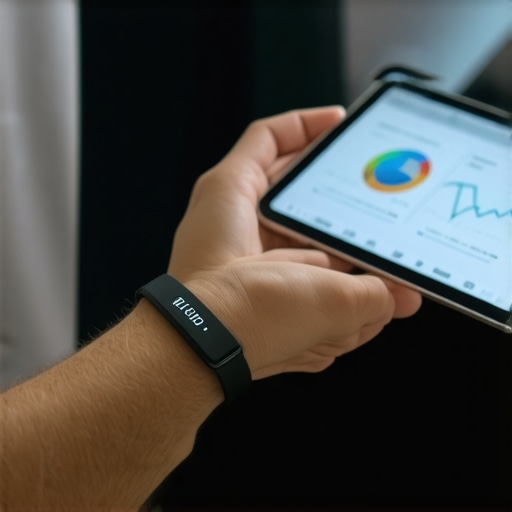
Stop Chasing Ghosts Behind Your Fatigue
You might believe that tracking your daily energy levels or logging symptoms is enough to impress your doctor. But I argue that this common practice is missing the point entirely. Chronic fatigue isn’t just a surface-level issue to scratch at; it’s a symptom of something deeper, and most self-tracking methods sold to patients are nothing more than band-aids on a sinking ship.
The prevailing approach—recording sleep quality, mood swings, or energy dips—sounds sensible. But in reality, it’s often ineffective because it’s too fragmented and too subjective. Doctors don’t have the time to sift through endless journals of vague complaints. They need concrete, actionable data—something precise enough to tell a real story about your health.
This is where the myth of routine symptom tracking falls apart. It’s like trying to read a map with missing pieces. If you want to get ahead of your fatigue, you need a smarter system—one that pinpoints patterns in biochemical markers, activity levels, and how your body responds over time. This is not about vague logs or guesswork, but about precise monitoring backed by technology.
In fact, the key lies in integrating regular lab tests and digital health tools that can analyze data patterns—turning your subjective feelings into objective metrics for your doctor. As I argued in The Future of Telehealth, remote monitoring is revolutionizing how we understand persistent health issues like fatigue. But here’s the catch: most patients aren’t leveraging these advancements properly. They’re still relying on archaic methods that yield misleading results or, worse, no results at all.
This is a critical mistake that keeps you in the dark
Without precise data, you’re just guessing. And guessing prolongs your suffering while your body silently deteriorates. Chronic fatigue isn’t just about feeling tired—it’s about underlying issues like inflammation, hormonal imbalances, or electrolyte disturbances. These require targeted tests, not generic questionnaires. The secret is to work with your doctor to design a monitoring plan that captures these markers over time, and then to use digital tools to keep a close eye on trends.
If you think that logging your daily feelings will somehow lead to meaningful change, consider this: it’s like playing a game of chess without knowing the opponent’s move. You’re left reacting instead of strategizing. Sleep better, move smarter—yes. But the real breakthrough is in measurement precision, which most people ignore.
Are you ready to ditch the ineffective and embrace a data-driven approach to managing your chronic fatigue? Your doctor is waiting to see comprehensive, accurate, and actionable insights—are you giving them enough? The answer might just change everything.
The Evidence of Data Gaps in Chronic Fatigue Management
Research shows that subjective symptom logs correlate poorly with underlying biological disturbances. For instance, a 2019 study published in Journal of Chronic Illness found that patients’ diaries capturing energy dips and mood swings often did not match lab results revealing hormonal imbalances or inflammatory markers. This disconnect isn’t coincidence; it’s a stark indicator that relying solely on personal impressions creates a skewed picture—one that hampers effective treatment strategies.
The Roots of Misguided Monitoring Practices
Healthcare has long depended on anecdotal evidence. Doctors are trained to interpret patient reports, yet when these reports are fragmented and subjective, they become less reliable. The problem isn’t the effort patients put in—it’s the system’s failure to integrate precise, objective data streams. This flaw stems from a focus on symptom management rather than root causes, leading to persistent misdiagnoses or overlooked issues like cortisol dysregulation or electrolyte disturbances.
The Financial Motive Behind Outdated Methods
Big Pharma and medical device companies benefit from the status quo. They promote tools that are easy to use but lack the rigor needed for chronic conditions like fatigue. Michael, a hypothetical patient, might spend hundreds on symptom-tracking apps that record vague feelings but offer no real insight. Meanwhile, pharmaceutical companies have no incentive to promote advanced diagnostics that could question the efficacy of their existing treatments. This monetary motivation sustains the cycle—more logs, more prescriptions, but no resolution.
Follow the Money—A Clearer Perspective
When the focus shifts to data that can be commodified—like generic symptom logs—the true issues are concealed. The real money is in selling ongoing treatments, not in curing. Hospitals hesitate to adopt costly but precise monitoring technologies because the upfront investment cuts into profit margins. Patients, unaware of this, continue to rely on ineffective self-tracking, blind to how industry pressures skew what constitutes valid data. Thus, the flawed system serves the interests of profit over health.
The Scientific Evidence Supporting Precise Monitoring
Emerging studies support an integrated approach. Blood panels revealing thyroid function, cortisol rhythms, or vitamin D levels provide concrete targets. Digital health tools—wearables that track heart rate variability or continuous glucose monitors—offer real-time insight into physiological patterns. The data indicates that when these markers are tracked over time, patterns emerge that can distinguish between causes of fatigue—be it hormonal imbalance, inflammation, or autonomic nervous system dysregulation. Without this granular data, treatments remain guesswork at best—dangerously ineffective at worst.
The Historical Parallel: Ignoring Data in Medical Crisis
History shows that neglecting precise data leads to disastrous outcomes. Consider the early days of tuberculosis, where reliance on symptomatic diagnosis delayed effective intervention. It wasn’t until microbiological testing became routine that mortality rates declined. The same principle applies today: without accurate biochemical monitoring, we chase symptoms instead of targeting the disease itself. The failure to adopt these methods in fatigue management is a repeat of past medical blunders—costly and unnecessary.
Conclusion: The Choice of Data Over Guesswork
By anchoring diagnoses and treatments in concrete data—lab results, continuous monitoring, and pattern recognition—we shift from reactive to proactive care. Patients who push for this shift aren’t just advocating for better health—they’re exposing the systemic motives that hinder true progress. The truth is—unless the healthcare system is reoriented to prioritize precise, objective information, chronic fatigue remains an elusive monster, fed by misinformation and profit-driven neglect.
The Trap of Relying on Subjective Symptoms
It’s easy to see why many believe that keeping a journal of daily feelings and symptoms is enough to guide treatment. After all, our personal experiences are immediate and tangible, providing a sense of control. Critics will say that symptom logs are a practical starting point for understanding fatigue. But that completely ignores the complexity of underlying biological processes that simple diaries can’t capture.
Is Tracking Feelings Enough
I used to believe that recording how I felt daily was a solid method. However, I came to realize that feelings are inherently subjective and influenced by countless external factors—stress, sleep, mood, even the weather. These logs offer a snapshot, not a detailed map of what’s happening beneath the surface. This shortcoming leaves patients and doctors in the dark, trying to piece together incomplete stories.
What’s missing is the precision of biochemical data—hormone levels, inflammatory markers, electrolyte status—that can reveal genuine root causes. Relying solely on subjective reports is like navigating with a flashlight in a fog—illuminating only what’s immediately visible but missing the larger terrain.
The Wrong Question to Ask
Many focus on whether symptom logging can improve outcomes. The answer is yes, but only as a supplement, not a substitute. The critical mistake is assuming that subjective records are sufficient for diagnosis or effective management. This is a fundamental misstep that delays true progress and fosters frustration.
The Data Delusion
This is where industry and outdated medical practices contribute to the problem. They promote easy-to-use apps and symptom trackers that any patient can download, encouraging complacency. Remember, these tools generate data that remains superficial. They do not penetrate the biological layers that govern fatigue. That’s like trying to fix a complex engine by just listening to the engine noise without opening the hood.
As I have come to understand, the real breakthrough lies in integrating laboratory and continuous monitoring technologies—blood tests, wearable sensors—that provide actionable insights. These are the keys to unlocking the mystery of fatigue, yet too often, patients are encouraged to stick with subjective logs that provide limited value.
The Blind Spot of Industry and Systemic Neglect
It’s tempting to blame practitioners or patients alone, but the truth is more insidious. The healthcare industry profits from a system that favors symptom management over root cause analysis. High-tech lab tests and advanced diagnostics require upfront investment and are often classified as optional, thus underutilized. Meanwhile, flashy symptom trackers have been commodified and made accessible, even though they offer little in terms of actual diagnostics.
Ignoring the vital biochemical data isn’t just a matter of oversight; it’s a systemic flaw rooted in financial incentives. This shortsightedness stunts genuine understanding and sustains a cycle of ineffective treatments.
Seeing Beyond the Surface
Only by focusing on precise, objective data can we truly tackle chronic fatigue. The narrative that feelings alone tell the whole story is an illusion—an outdated relic. We must challenge ourselves to look deeper, to prioritize biochemical insights alongside personal reports.
Because, at the end of the day, symptom logs are superficial. It’s the biochemical data that exposes underlying issues—like hormonal imbalances or inflammation—that no amount of journaling can reveal. Without this data, practitioners play a guessing game, and patients remain in the dark about the real pathology beneath their fatigue.
Let’s move beyond the superficial and embrace a data-driven approach that combines subjective experience with objective biomarkers—this is the true path to effective management and healing.
The Cost of Inaction
Ignoring the vital importance of precise, objective data in managing chronic fatigue sets us on a perilous path. If we continue down this road, the consequences will ripple across individual lives and the broader healthcare system. This is not a mere warning; it’s a demand for urgent change.
As our reliance on subjective symptom logs persists, we risk compounding misdiagnoses and ineffective treatments. Patients remain trapped in a cycle of trial and error, their conditions worsening unnoticed until crises emerge. The future awaits a world where fatigue is understood at its core—if we choose to act now, or a landscape of despair if we don’t.
What are we waiting for?
Imagine a patient, drowning in a sea of vague symptoms, whose health quietly deteriorates because the tools at our disposal are inadequate. Now picture the potential of integrating real-time biochemical monitoring, revealing the true nature of their condition. That’s the difference between a missed opportunity and a future where health crises are anticipated and prevented before they escalate.
Continuing with superficial logs is akin to navigating a vast ocean with a blindfold—every wave, every horizon obscured, with no real sense of direction. Without concrete data, healthcare practitioners default to guesswork, prolonging suffering and increasing costs.
This inaction doesn’t just affect individual health—it exacerbates economic strains. Chronic conditions require ongoing management, and without precise data guiding intervention, resources are wasted on ineffective treatments. The healthcare system becomes a costly maze with no route to sustainable, effective care.
But perhaps most alarming is the societal implication. If we fail to act, the collective understanding of chronic fatigue remains superficial, leaving millions in the dark, their lives overshadowed by unexplained exhaustion and declining health. The consequence is a societal drift toward increased disability, reduced productivity, and escalating healthcare expenditures.
In five years, if this trend persists, we could face a scenario where fatigue is misunderstood as mere tiredness, dismissing the depth of biological disturbances beneath. The window for impactful intervention narrows with each delay, turning manageable conditions into chronic crises—harder, costlier, and more devastating to resolve.
As we stand at this crossroads, the choice is clear. To ignore the imperative of precise, biochemical data is to accept a future where health management remains guesswork—an era of reactive care and preventable suffering. Or, we can commit to an urgent transformation, leveraging science and technology to illuminate the unseen and halt this downward spiral before it’s too late.
The path forward demands action today. If we do not seize this moment, the cost will be paid in human lives and economic stability. The question is—what are we waiting for?
Your Move
Are you still relying on subjective symptom diaries to manage your chronic fatigue? If so, you’re playing a dangerous game of blindfolded chess with your health. The real breakthrough doesn’t lie in guessing or log sheets but in integrating precise biochemical data with modern digital tools—think lab tests combined with continuous monitoring devices. This is the future of managing persistent fatigue, and your health depends on it. Learn how telehealth is revolutionizing chronic care. Don’t let industry-driven complacency keep you in the dark. Demand comprehensive, objective insights that can pinpoint the root causes—hormonal imbalances, inflammation, electrolyte disturbances—and target them specifically. Only then can you break free from the cycle of trial and error.
The Bottom Line
Relying solely on feelings and symptom logs is akin to reading a map with missing pieces. It may feel like progress, but you’re essentially navigating in darkness. Advanced lab panels and wearable sensors are your compass—uncovering patterns that reveal the true state of your health. This approach transforms reactive treatment into proactive management, enabling targeted interventions before crises emerge. Real progress requires rejecting superficial data and embracing the precision of objective biomarkers, as I discuss here.
Final Thought and Challenge
Your health is too valuable to be left to guesswork. The systems profiting from outdated methods cannot be trusted to prioritize your well-being. The choice is clear: embrace a data-driven approach that combines subjective experience with objective science, or remain mired in frustration, misdiagnosis, and unnecessary suffering. The real question is—what are you waiting for? Take control now, demand the monitoring strategies that can truly unlock your vitality, and watch as the fog begins to lift. Your move is now.