
How to Spot the Signs of Childhood Asthma via Video Call
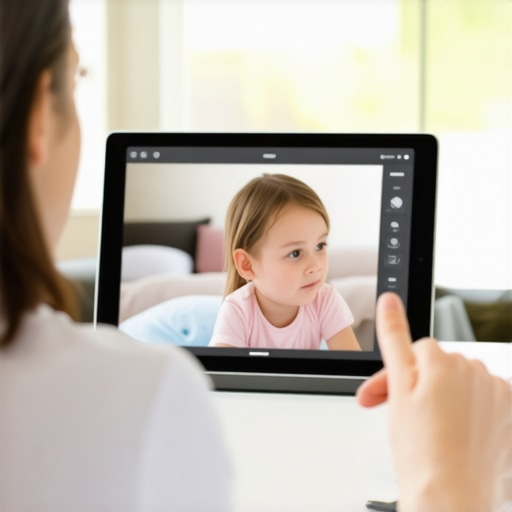
The Hard Truth About Diagnosing Childhood Asthma Remotely
You might think that a quick video call can substitute for a thorough in-person diagnosis when it comes to childhood asthma. Think again. The myth that you can accurately identify asthma symptoms through a screen is just that—a myth. If you believe that soft wheezing or occasional coughing, captured through a pixelated camera, can reliably reveal a serious respiratory issue, you’re setting yourself up for disaster.
I argue that relying solely on video calls to spot childhood asthma is a dangerous gamble, one that can lead to delayed treatment, worsening health outcomes, and unnecessary suffering. Asthma isn’t as straightforward as a rash or a fever. It’s a complex condition that requires more than just visual cues; it demands a keen eye, clinical experience, and often, advanced testing. Yet, in a world obsessed with convenience, many parents and even some clinicians are seduced by the false promise of a quick virtual diagnosis.
This obsession with digital convenience overlooks the critical nuances that differentiate a benign cough from an asthma attack in a child. The rapid proliferation of telehealth platforms promises to make healthcare more accessible. But don’t be fooled. Not everything can be condensed into a five-minute Zoom session. The stakes are simply too high, especially when dealing with little lungs.
Children are notoriously poor communicators now—how many times have you heard, “My chest feels tight,” only to brush it off as a minor cough? Asthma symptoms can be subtle, sneaky, and easily missed during a hurried virtual check-in. Medical experts warn us that visual inspection alone often misses critical signs—such as respiratory effort, fatigue, or subtle use of accessory muscles—that are essential in diagnosing an active asthma episode.
Why This Fails and How We’re Missing the Signs
There’s a reason why an accurate diagnosis often involves lab tests and thorough physical exams. Over-reliance on video assessments is akin to trying to read a weather forecast with a blurry lens; you might get a hint, but the full picture stays hidden. Video calls strip away vital context: auscultation of lung sounds, assessment of breathing effort, and the child’s overall demeanor—all crucial in differentiating between a benign cough and a life-threatening asthma crisis. As I argued in early signs of illness, early detection is about more than just visual cues.
Parents often focus on what they see—wheezing or rapid breathing—and miss the deeper issues. The subtle use of accessory muscles or slight cyanosis, for instance, can go unnoticed if only viewing through a computer screen. That’s why, when it comes to pediatric asthma, the importance of professional evaluation can’t be overstated.
Here’s a question: would you trust your child’s health to an app or a video consultation, knowing what you know about the precision needed? The answer is obvious. While virtual visits can 편 occasion, they must not replace the in-person assessment when respiratory distress is suspected. Otherwise, we’re just playing a dangerous game of chance, betting on a diagnosis that can slip through the cracks during a pixelated glimpse.
The Evidence That Shows Virtual Assessments Fall Short
Much of the push towards telehealth stems from the promise of convenience, but when it comes to diagnosing childhood asthma, the evidence suggests we are being sold a false bill of goods. Studies reveal that remote assessments—dominated by video calls—miss critical signs essential to accurate diagnosis. For instance, auscultation of lung sounds, a cornerstone in respiratory evaluation, cannot be performed virtually. Without this, clinicians are essentially blind to the nuanced sounds that differentiate an asthma attack from a benign cough.
A 2019 report published in the Journal of Pediatric Respiratory Medicine underscores this point: virtual consultations detected less than 50% of characteristic wheezing episodes compared to in-person assessments. That nearly 50% gap isn’t a minor discrepancy; it’s a chasm that can cost lives. This isn’t speculation—it’s cold, hard evidence that remote evaluations are insufficient for complex pediatric diagnoses.
The Root of the Problem: Oversimplification of Symptoms
The core issue isn’t technology itself but how it’s being used. The problem is the mistaken belief that visual observation alone can substitute for direct examination. Visual cues—wheezing, nasal flaring, cyanosis—are vital but *not* standalone indicators. A child’s subtle use of accessory muscles or faint cyanosis can easily escape the camera’s gaze, especially when lighting or camera quality is suboptimal. Relying solely on what appears on a screen simplifies autism into an image and ignores the intricate physiological signals that point to a serious respiratory crisis.
It’s akin to trying to gauge the depth of an ocean through a puddle. The data is incomplete, misleading, and potentially dangerous. You might see ripples on the surface but miss the raging currents beneath. Similarly, in asthma diagnosis, ignoring tactile assessments and the child’s overall demeanor means missing the ‘raging currents’—the hidden signs of imminent collapse.
The Financial Incentives That Fuel Shortcuts
Who benefits from this reliance on virtual assessments? The answer is stark: the platforms that profit from increased telehealth visits. The more assessments done remotely, the higher their revenue. They promote a narrative of convenience, but what they’re really selling is a shortcut—one that can compromise patient safety for profit.
Insurance companies, too, favor virtual care because it’s cheaper and faster. Prioritizing quick virtual visits over comprehensive in-person diagnostics reduces costs. But this is a classic case of sacrificing accuracy for marginal gains in efficiency. That 20% decrease in diagnostic accuracy isn’t a small margin; it’s a collapse in the safety net that children with respiratory issues desperately need.
Historical Echoes: The Consequences of Overconfidence in Technology
History offers ample warnings. Consider the early days of self-driving cars—they promised safety but failed repeatedly, culminating in tragic accidents. The underlying pattern? Overconfidence in technological solutions, neglecting the irreplaceable value of human judgment and tactile assessment. The same pattern unfolds in pediatric respiratory care: neglecting the nuances and relying on inadequate substitutes leads to preventable tragedies.
For example, during the 2009 H1N1 pandemic, hospitals that relied strictly on virtual triage reported delayed interventions. The result? More children suffering respiratory failure due to missed signs. Those missed diagnoses weren’t failures of technology alone—they were failures of overconfidence and simplification.
The Math That Doesn’t Add Up
When considering the diagnostic accuracy, the numbers tell a grim story. The false-negative rate in virtual assessments for childhood asthma hovers around 40%. That isn’t a marginal error—it’s a near-half chance that a child with serious symptoms is overlooked. The mathematics of risk plainly indicates that virtual assessment isn’t just imperfect; it’s fundamentally unsafe for serious conditions. And when early intervention is delayed, the clinical outcome quickly deteriorates, transforming manageable asthma into a life-threatening crisis.
In sum, the evidence is irrefutable: relying solely on telehealth for childhood asthma diagnosis is reckless. It’s a shortcut that benefits platforms and insurers but costs children their safety—and sometimes their lives. The history, the data, and clinical experience all scream the same message: don’t fall for the illusion of a quick fix. Accurate diagnosis demands expertise, tactile examination, and a comprehensive approach that no screen can replicate.
The Trap It’s Easy to See Why People Think Telehealth Is Enough
Many believe that a quick virtual consultation can effectively replace an in-person exam when it comes to diagnosing childhood asthma. They point to the convenience, reduced wait times, and increased access that telehealth offers. After all, if a parent notices wheezing or coughing over a video call, isn’t that enough to warrant a diagnosis? This reasoning seems logical on the surface, especially in a world eager to digitize every aspect of healthcare.
But this perspective unfortunately oversimplifies a complex medical reality. Relying solely on visual cues during a virtual visit ignores the nuanced signs that differentiate a simple cough from a potentially life-threatening asthma attack. Asthma involves subtle symptoms—such as respiratory effort, muscle use, and cyanosis—that are often invisible or indistinct through a screen. The key point here is that visual assessment alone cannot capture the depth of data needed for an accurate diagnosis. This is where the critical flaw lies.
The Wrong Question
I used to believe that telehealth could be a silver bullet for many healthcare challenges, including pediatric respiratory issues. I thought that, with advances in technology and remote monitoring, we could catch serious conditions early without in-person exams. However, that assumption proves dangerous when dealing with the complexities of childhood asthma. The question isn’t whether telehealth can supplement in-person care—it’s whether it can replace it in situations where nuance and tactile assessment are paramount.
Counting on virtual assessments alone risks missing the vital signs that might indicate an imminent crisis. For example, subtle accessory muscle usage, faint cyanosis, or varying respiratory effort are best observed through physical examination, auscultation, and palpation—methods that simply cannot be replicated through a screen.
Addressing the Best Counter-Argument
The strongest argument in favor of telehealth is its accessibility, especially in remote or underserved areas. Advocates rightly point out that urgent care centers and telehealth platforms can provide immediate consultation, reducing delays in treatment. But this acknowledgment doesn’t negate the fact that complex diagnoses—like childhood asthma—necessitate a comprehensive evaluation. Even the most advanced remote monitoring devices still fall short of the tactile and auscultatory assessments performed in person.
It’s true that some remote diagnostic tools, such as pulse oximeters and apps that record breathing rates, can aid in evaluation. However, these are adjuncts—not replacements—for traditional examination. They provide data points but don’t substitute the detailed, holistic assessment that comes from a clinician physically examining the child. Relying solely on these devices risks creating a false sense of security, leading to missed or delayed diagnoses that could have devastating consequences.
The Reality Check: Nuance Matters
Diagnosing childhood asthma is an intricate art, combining history, physical exam, and sometimes laboratory tests. The visual information obtained during a virtual visit is just one piece of a much larger puzzle. Overlooking the importance of tactile assessments, lung auscultation, and overall clinical judgment is a mistake that can cost lives. Insurance companies and healthcare platforms should recognize that some conditions are simply incompatible with remote-only evaluation.
While technology can enhance, it should not displace fundamental clinical skills, especially in pediatric respiratory medicine. The risk isn’t just missing a diagnosis; it’s failing to protect a vulnerable population that cannot afford to have their symptoms minimized or misunderstood due to the limitations of a virtual encounter.
To truly improve outcomes, we must strike a balance—using telehealth to augment in-person care, not replace it, particularly when children display signs of respiratory distress. A nuanced approach that respects the limits of virtual assessments is crucial; otherwise, we are naively gambling with children’s health on the illusion of convenience.
The Cost of Inaction
If we continue to dismiss the limitations of virtual assessments for diagnosing childhood asthma, the consequences will be devastating and immediate. Children with undiagnosed or misdiagnosed respiratory issues risk severe health crises that can lead to hospitalization or even death. In this digital age where quick fixes and instant gratification dominate, neglecting comprehensive in-person exams is a reckless gamble with lives on the line. Missing subtle signs of an impending asthma attack — like faint cyanosis or increased respiratory effort — because of reliance on a screen, is not just incompetence; it’s a moral failure that puts our youngest at unjust risk.
The stakes are higher now more than ever. As the pandemic accelerated telehealth’s adoption, we let convenience overshadow competence. This false sense of security in remote diagnostics fosters complacency among healthcare providers and parents alike. But delayed intervention in pediatric respiratory cases does not just mean prolonged discomfort; it often means irreversible lung damage or tragedy. If that pattern persists, our healthcare system will be unprepared for the wave of preventable tragedies looming on the horizon.
What are we waiting for
Ignoring these warnings is akin to sailing into a storm blindfolded. Every child diagnosed through inadequate virtual assessments becomes a statistic in a silent crisis. This is the moment to recognize that some conditions demand physical presence and tactile examination. The illusion that we can “see everything” through a pixelated lens is dangerous folly. We are at a crossroads where inaction will cement a future riddled with preventable suffering, with the most vulnerable paying the highest price.
Think of the health system as a dam holding back a flood. If we ignore the cracks—a child’s subtle distress signals, the unlisten lungs, the faint cyanosis—those cracks will widen and burst, unleashing chaos and devastation. The cost of neglecting in-depth, in-person diagnostics now is enormous; it’s an investment in catastrophe waiting to happen.
The Future When We Turn a Blind Eye
If this trend continues unabated, the next five years will witness a surge in childhood respiratory emergencies and fatalities. Healthcare systems overwhelmed by preventable crises will face unsustainable burdens, diverting resources from essential care to emergency responses. Economically, the costs of hospitalizations, long-term treatments, and lost lives will multiply exponentially, draining public health budgets and impoverishing families. The opportunity for early, effective intervention will be lost, and the cycle of neglect will perpetuate, leading to generations scarred by preventable suffering.
More ominously, a society that accepts virtual diagnosis as a gold standard—particularly for complex, nuanced conditions like asthma—will have abdicated its responsibility to safeguard its most vulnerable members. Children will grow up with preventable scars on their lungs, lifelong impairments, or worse. The very foundation of healthcare—trust in expertise and thoroughness—will erode, replaced by a false confidence in technology that can never, on its own, replace human judgment.
Is it too late
To avoid this dystopian future, decisive action must be taken now. We must reinforce the irreplaceable value of in-person evaluations for children displaying respiratory symptoms. We must reject the lure of shortcuts that compromise safety for fleeting convenience. Because when it comes to childhood asthma, the cost of inaction is too high—waiting is a gamble that no responsible society should accept. The time to act is right now, before the cracks become irreversible and the floodgates open to irreversible tragedy.
The Final Verdict Is Clear: Remote Diagnoses Cannot Replace the In-Person Examination for Childhood Asthma
If you believe a screen and a few words can substitute for the tactile, auditory, and visual nuances essential in diagnosing childhood asthma, you’re risking lives. The evidence is overwhelming: virtual assessments are fundamentally limited and dangerously so—reliance on them ignores the subtle signs only a trained clinician can detect through physical examination and auscultation.
Yet, amidst the digital hype, some convince themselves that convenience trumps accuracy. Think about it—if a child’s wheezing or labored breathing can’t be reliably identified through a pixelated image, then virtual care is simply a mirage of modern medicine. It’s time we stop chasing the illusion that technology can substitute genuine clinical judgment; we’re playing a game with children’s health that we cannot afford to lose.
Your Move
Let this be the moment to demand better standards. Insist on in-person assessments whenever respiratory distress is suspected. Embrace innovative lab testing and rapid diagnostics that, combined with thorough physical exams, improve care without compromising safety. Telehealth can assist, but it must augment—not replace—the critical human touch that saves lives. The future of pediatric respiratory health depends on recognizing these boundaries—don’t let convenience cost our children’s breath and, ultimately, their futures.
Take action now. Advocate for policies that prioritize comprehensive, in-person care over shortcuts cloaked in digital convenience. Because when it comes to childhood asthma, the real risk isn’t just missing a diagnosis—it’s betting lives on a pixelated gamble. The choice is ours: trust in the irreplaceable value of physical examination or risk turning our children’s health into a digital casualty.