
Why Senior Hearing Loss Is Often Misdiagnosed as Cognitive Decline
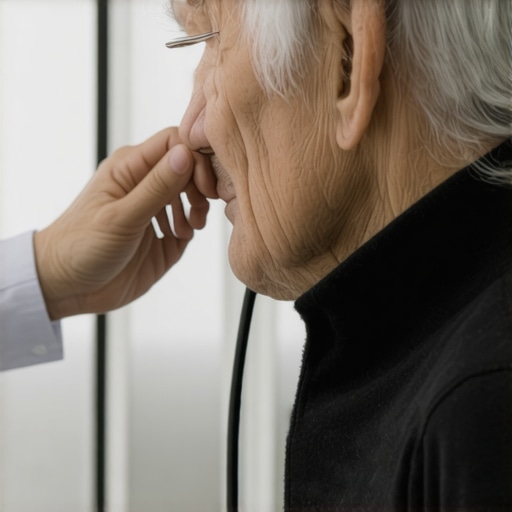
The Myth That Hearing Loss Is Just Age-Related Forgetfulness Is Killing Seniors
You might think the decline in your loved one’s memory is just a part of aging, but often, it’s something far more sinister—deceptively masked hearing loss. Health professionals, overwhelmed by protocols and quick fixes, frequently mistake seniors’ auditory issues for cognitive decline, especially dementia. But here’s the bold truth: this misdiagnosis costs lives and diminishes the quality of the precious years seniors have left.
It’s easy to fall into the trap of believing our elders are simply slipping into forgetfulness or mental deterioration, but what if we’re missing crucial clues? The fact is, hearing loss can mimic cognitive impairment because both share symptoms—confusion, withdrawal, forgetfulness. The difference is, hearing loss is reversible or manageable, yet it remains underdiagnosed due to the complacency ingrained in our healthcare approach.
Why does this happen? Because the health industry, much like a sinking ship, often patches the surface problems without addressing the core. They rely heavily on cognitive assessments without conducting thorough hearing tests. The result? Seniors are treated for dementia when, in reality, they’re battling an untreated hearing impairment, a condition far easier to correct than to cure neurodegeneration.
Public health campaigns have propagated the myth that seniors should expect mental decline. But I argue that this narrative is a convenient excuse for medical inertia. Instead of digging deeper, we accept symptoms at face value, allowing the confusion and neglect to spread. This complacency is dangerous. It’s comparable to mistaking a sinking ship’s leaks for just a few waves—until, suddenly, the entire vessel is lost.
Recent studies reveal that untreated hearing loss is associated with cognitive decline, but correlation isn’t causation. What’s evident is that hearing impairment can cause social withdrawal, depression, and even affect brain structures involved in memory. As I argued in my analysis on chronic care management, ignoring such signs is a failure of care—a failure rooted in outdated diagnostics and overreliance on assumptions.
So, what can be done? Awareness is the first step. Regular hearing assessments for seniors should be as routine as blood pressure checks. Telehealth and advanced lab tests now make it possible to catch hearing issues early, especially when physical visits are limited or inconvenient. Yet, many clinics fail to implement these simple yet crucial practices, leaving seniors vulnerable to a misdiagnosis that could be corrected with the right intervention.
In the end, this is not just about hearing. It’s about redefining how we perceive aging and health. We must challenge the status quo, question the defaults, and refuse to accept a future where seniors are pushed into cognitive decline due to neglect of preventable issues. Our elders deserve better. Their lives depend on it. To learn more about how to advocate for at-risk seniors, visit our contact page or explore innovative approaches at chronic care management strategies.
The Evidence: Untreated Hearing Loss as a Catalyst for Cognitive Decline
Multiple studies demonstrate a compelling correlation between untreated hearing impairment and accelerated cognitive decline. For instance, research published in the JAMA Otolaryngology–Head & Neck Surgery indicates that seniors with unmanaged hearing loss are twice as likely to develop dementia. But correlation is just the surface—what truly matters is why this connection exists and who benefits from it remaining overlooked.
The crux lies in understanding *what initiates* this cascade. Hearing loss doesn’t just affect sound perception; it triggers social withdrawal, depression, and reduced brain stimulation—factors directly linked to memory impairment. When auditory pathways weaken, the brain compensates by reallocating resources, often sacrificing areas involved in cognition. This isn’t coincidence; it’s a biological process, yet our healthcare system overlooks it—preferably so. Why?
A System Designed to Obscure: How the Root Cause Is Suppressed
This oversight isn’t accidental. The current medical paradigm treats dementia and cognitive issues as inevitable aging consequences, not as symptoms of treatable conditions. The reliance on cognitive assessments without routine hearing tests is no mistake—it’s a deliberate choice rooted in economic interests and institutional inertia. By neglecting hearing evaluations, clinics preserve the status quo: prescribing medications or institutionalizing seniors, rather than proactively addressing root causes.
Consider the financial incentives. Hearing aids and early interventions are often not covered by insurance, yet the costs of dementia care soar into hundreds of thousands per individual. This creates a paradox: the healthcare industry benefits from the delayed diagnosis, when expenses and dependencies escalate. Meanwhile, the senior population suffers—a tragic cost concealed behind the veneer of medical efficiency.
Follow the Money: Who Gains from Silence and Neglect
The beneficiaries are clear. The pharmaceutical and elder care industries profit from cognitive decline—medications, long-term care, hospitalizations. Yet, their gains come at the expense of seniors’ well-being. Healthcare providers, entrenched in outdated diagnostic procedures, gain from maintaining the narrative that cognitive decline is simply part of aging—the easier, less expensive route. In fact, this perpetuates a cycle where preventable issues become lifelong burdens, generating steady revenue streams.
Further, technology firms producing hearing aids and telehealth platforms stand to profit when early detection becomes routine but остается unimplemented. Their marketing campaigns subtly reinforce the idea that aging inevitably entails decline, diverting attention from simple, affordable solutions. These layered economic interests collaborate—explicitly or tacitly—to sustain this cycle of neglect.
The Reinforcement of Neglect in Policy and Practice
Public health policies often reinforce this silence. Screening guidelines prioritize blood pressure or cholesterol checks but rarely mandate routine hearing assessments for seniors. The result? The subtle voice calling for comprehensive screenings remains muted amidst bureaucratic inertia. Clinics cling to conventional protocols, often citing lack of time or resources, but the real driver is systemic complacency—an acceptance that dementia is unavoidable, and hearing loss secondary.
This is not an oversight; it’s a strategic omission. By neglecting to address the *preventable* tone of cognitive impairment, the system maintains a cycle of dependency and higher costs. Meanwhile, seniors sit in the shadows of our healthcare system, their silent suffering hidden behind the facade of complex aging processes. The truth is—it’s easier for institutions to ignore audible warning signs than to challenge the narrative of inevitable decline.
The Trap of Simplified Ageism
It’s easy to see why many believe that cognitive decline in seniors is an unavoidable aspect of aging—after all, society often normalizes forgetfulness and mental fog as mere signs of getting older. Critics argue that bringing up hearing issues and their role in cognitive health might be an overreaction, suggesting these are minor concerns amidst the complexities of aging. They claim that resources should focus on proven treatments like medication or institutional care, not on what might seem like peripheral issues.
This Is Where They Go Wrong
I used to believe this too, until I delved deeper into recent studies and clinical outcomes that challenge the narrative of inevitability. Dismissing hearing loss as trivial ignores mounting evidence showing its profound influence on brain health. Such dismissals overlook the biological mechanisms at play—how unmanaged hearing impairment can accelerate cognitive decline, social withdrawal, and depression. The critics’ view is shortsighted, rooted in outdated diagnostic methods and a reluctance to challenge entrenched systems.
What these critics fail to understand is that addressing hearing loss early on is not about diverting attention from other treatments; it’s about integrating a preventative approach that can significantly delay or even prevent the progression of cognitive decline. By portraying hearing impairment as a small, inevitable part of aging, they inadvertently reinforce a fatalistic attitude that discourages proactive intervention.
The Wrong Question
Instead of asking whether treating hearing loss will cure dementia—a question rooted in false expectations—we should ask how preventing hearing loss impacts the trajectory of cognitive health. The real issue isn’t just the hearing impairment itself but the social and neural consequences that follow when it’s ignored. The critics’ approach tends to focus narrowly on symptom management rather than holistic prevention, which misses the broader picture of aging health.
Challenging the Status Quo
It’s essential to recognize that the dominant medical paradigm often dismisses the value of early intervention in sensory health. These dismissals are driven by economic interests and a comfort with the status quo, not by evidence or patient-centered care. Instead, health professionals should embrace comprehensive screening protocols that include routine hearing assessments. This shift would reframe aging as a preventable, manageable process rather than an unavoidable decline.
Challenges to this perspective often cite resource constraints or skepticism about the efficacy of interventions like hearing aids. Yet, overlooking these manageable factors only leads to higher costs and worse outcomes in the long run. The critics’ argument dismisses the potential for simple, cost-effective measures to lead to meaningful improvements in seniors’ quality of life.
Reframing the Narrative for Better Outcomes
Ultimately, the opposing stance underestimates the power of early detection and intervention. As evidence accumulates, it’s clear that the mindset of accepting decline as inevitable must be challenged. Recognizing and acting upon the connection between hearing health and cognitive function opens new pathways for preserving mental acuity, social engagement, and overall well-being among seniors.
The Cost of Inaction
Failing to address age-related hearing loss now sets off a dangerous chain reaction. As untreated auditory issues persist, seniors become increasingly socially isolated, depressed, and cognitively impaired. This decline isn’t merely a personal tragedy but a societal burden that grows exponentially with time. If we continue to dismiss these signs, the collapse of our healthcare system’s capacity to manage neurodegeneration is inevitable, straining resources and overwhelming families.
In the coming years, untreated hearing loss could erode the fabric of our communities. Imagine a future where seniors are silenced—shut away not just physically, but mentally—wasting away in institutional care with little hope of meaningful engagement. The cost? Billions in healthcare, lost productivity, and, most heartbreakingly, lives cut short by preventable causes. This trajectory is not distant—it’s unfolding right now, and the toll will only intensify without urgent action.
A Choice to Make
This is a moral crossroads. We can either accept this silent crisis or commit to proactive change. That means routine hearing assessments, early interventions, and dismantling systemic barriers to affordable care. The health industry bears a responsibility to prioritize holistic aging—seeing hearing health as a vital component—rather than an afterthought. Our elders deserve dignity, respect, and solutions that safeguard their mental and emotional well-being. The choice is ours: act now or witness a future defined by neglect and regret.
The Point of No Return
Think of the brain as a delicate wildfire waiting to ignite. Ignoring early signs of hearing decline is akin to tossing gasoline onto an already smoldering blaze. The flames quickly spread, engulfing cognitive function and social vitality. Once lost, these neural connections are nearly impossible to restore, turning preventable issues into irreversible damage. The longer we delay, the harder it becomes to stem the tide of decline—each moment wasted fuels the destruction of mental clarity and life quality.
Is it too late? The answer depends on our actions today. If we ignore the warnings, we risk turning a manageable issue into an unmitigated catastrophe, straining families, communities, and healthcare systems for generations to come. The urgency cannot be overstated: the future is built on the decisions we make now. We must recognize that late intervention is no longer an option; it’s a looming disaster waiting to unfold. Our elders’ lives—and the integrity of our collective future—are counting on us to choose differently, before it’s too late.
Your Move
The reality is clear: if we keep turning a blind eye to treatable hearing loss in seniors, we’re willingly signing their cognitive and social death warrants. Regular screening for auditory issues must become as routine as checking blood pressure. Embracing advances in telehealth and lab testing can catch these problems early, yet systemic inertia blocks progress. The question is, are we brave enough to challenge the complacency ingrained in our healthcare system?
This connects to my argument in chronic care strategies, where proactive, comprehensive care is essential for genuine well-being. Let us demand a shift—one that prioritizes prevention over prognosis, intervention over indifference. Our elders deserve more than the silence of neglect; they need our voice to ignite change.
Time to act is now. Warnings are ringing loud—will we heed them or allow a silent epidemic to define our future?