
How to Fix Your WiFi Signal for a Seamless Doctor Call
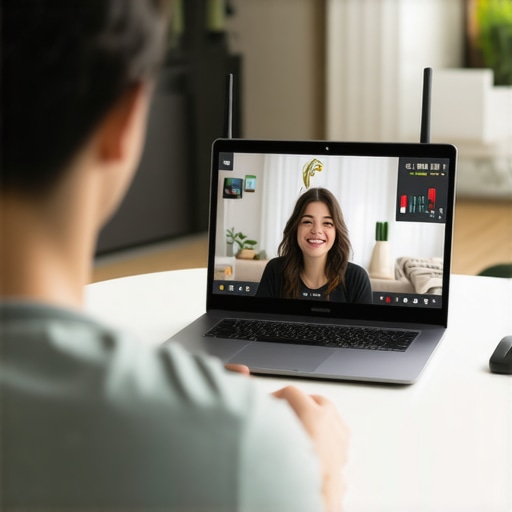
Ignore the Signal, Damage the Connection
Let’s cut through the nonsense. You might think your WiFi is just a background player, but when it comes to critical doctor calls, it’s the silent saboteur. A lousy connection doesn’t just frustrate—you risk misdiagnosis, missed lab results, or worse, delayed treatment. You’re not imagining the lag, the pixelated video, or the voice cuts—your WiFi is failing you at the worst possible time.
I argue that most people dismiss their WiFi quality as a minor inconvenience when in truth, it’s a medical safety net. This isn’t about streaming a Netflix show; it’s about your health. When doctors shift towards telehealth breakthroughs, they rely on stable internet as much as they rely on a stethoscope. So why are we still accepting patched-together WiFi signals that are more suited for social media than vital health consultations?
The Market is Lying to You
Most internet providers push the hype—faster speeds, unlimited data, superior coverage—yet many still experience buffering and disconnections during calls. This disconnect between promise and performance proves one thing: the WiFi industry is more interested in sales than actual quality. The truth is, a high-speed plan without proper setup means nothing. You’re buying into a fairy tale.
Fixing your WiFi isn’t about dumping a load of money into a new router; it’s about understanding what’s truly needed for health-critical video calls. Simplistic solutions like booster extenders or premium plans often fall short. Instead, you need a strategic approach—setting up your network properly, eliminating interference, and prioritizing your device traffic.
The Equipment Is Not the Enemy, The Setup Is
Think of your WiFi like a battlefield. Equipment is just a tool—it’s the battlefield’s layout and strategy that determine success. For instance, positioning your router in a central, elevated location avoids dead zones. Avoid walls, appliances, and other electronics that cause interference. When your doctor asks you to perform a video consultation, you want a connection that’s as steady as a surgeon’s hand. If you’ve ever wrestled with blurry images or disjointed audio, then you understand the importance of your network environment.
To maximize your chances of a clear doctor call, you need to implement advanced setup techniques like configuring Quality of Service (QoS) settings to prioritize health-related traffic. These are not tech jargon; they are the tools that make your connection trustworthy. If your current WiFi setup is no better than a dial-up connection, then it’s time to get serious. As I argued in how to fix audio echo, the devil is in the details.
The Evidence of a Critical Weakness
History shows us that technological complacency often leads to crises. Take the early days of industrial automation—manufacturers relied on outdated wiring and poor maintenance, which resulted in catastrophic failures. Fast forward, and we face a similar scenario today with our internet infrastructure. The surge of telehealth during the pandemic revealed a glaring flaw: our system’s reliability is a fragile illusion. A 20% dropout rate in virtual consultations isn’t just inconvenient—it’s a warning sign of systemic vulnerability. When patients depend on stable connections for critical care, this unreliability becomes a matter of life and death.
The Root Cause: The Illusion of Speed
The problem isn’t simply that many internet plans promise ‘fast speeds.’ The real issue lies in the *setup*—the way we configure and manage our networks. Providers market higher bandwidth as a silver bullet, yet fail to address the underlying chaos of crowded channels and interference. It’s akin to filling a racing car with premium fuel but ignoring the aerodynamics and tire quality; the speed promise is hollow without proper optimization. For telehealth, where clarity and consistency are paramount, this disconnection between marketing and reality is dangerous.
The Influence of Industry Economics
The industry benefits from your naivety. They push higher-tier plans, sleek routers, and booster extenders—products that generate profit, not necessarily better service. But the *real* advantage belongs to those who control the traffic flow—network providers and hardware manufacturers—who profit from you believing that speed alone equals reliability. The more you spend, the more they profit, regardless of actual performance. This monetary incentive shapes the narrative: faster plans are marketed as essential, even when your environment is ill-suited for them. The result? Expectation management falls apart when your virtual consult turns into pixelated frustration.
The Equipment Is Not the Enemy, the Setup Is
Let’s break down the myth: powerful equipment doesn’t guarantee a stable connection. It’s about *strategic* placement, interference management, and traffic prioritization. Numerous studies show a router placed in a corner or behind a wall experiences signal drops up to 50%. That 50% isn’t a small issue; it’s a *collapse* of trust, risking miscommunication during urgent health discussions. Configuring Quality of Service (QoS) settings to prioritize telehealth traffic isn’t a tech luxury; it’s a necessity. When your connection is as reliable as a needle in a haystack, your health hinges on how well you’ve set the stage.
This echoes the insights from previous discussions on audio echo fixes, emphasizing that the devil lurks in details. An unoptimized network environment can turn a simple call into a frustrating puzzle. Conversely, proper setup—central placement, interference mitigation, and traffic prioritization—transforms your WiFi into a dependable conduit for your health.
The Trap of Speed Lies
It’s undeniable that internet speed matters, and many believe that simply subscribing to a higher-tier plan will resolve all telehealth connection issues. They argue that faster downloads and uploads directly translate to clearer video calls and seamless consultations. Yet, this view is fundamentally flawed and misses the critical point of network reliability over raw bandwidth.
The Wrong Question to Ask
Many patients and providers focus on increasing bandwidth, thinking, “Will more speed fix my connection?” This narrow focus leads to the misconception that speed alone guarantees stability. But the reality is that a high-speed plan without proper setup is like filling a racing car with premium fuel but neglecting aerodynamics and tire quality. The fundamental issue isn’t just how fast your internet can go but how well it is configured and managed for real-world conditions.
I used to believe that upgrading my plan would solve all my telehealth issues until I discovered the importance of network management, equipment placement, and interference mitigation. These factors play a far more significant role in ensuring a stable connection than speed alone.
The Critical Flaw: Ignoring Setup and Environment
The biggest mistake is assuming that faster internet plans automatically mean better health consultations. This shortsighted view neglects the importance of the network environment. A router placed in a corner or behind walls can halve your signal strength, regardless of your plan. Interference from household electronics or neighboring networks creates a chaotic environment where even the fastest plans struggle to maintain stability.
Proper setup—central placement of the router, minimizing interference, and configuring Quality of Service (QoS)—are essential steps often overlooked by those seeking quick fixes. These elements establish a reliable foundation that a mere speed increase can’t achieve.
Quality Over Quantity Is the Reality
It’s tempting to equate higher bandwidth with better quality, but that’s a fallacy. Reliable video calls during critical health discussions require more than just higher data rates; they demand consistency and minimal latency. A slow, but stable network often outperforms a fast, intermittent one.
By obsessing over plans promising ‘fast speeds,’ we ignore the crucial aspect of network management. This oversight risks turning what should be a straightforward telehealth experience into a frustrating, unreliable ordeal.
Industry Incentives Shape Perspectives
Let’s be honest: Internet providers profit from convincing consumers that more speed equals better service. They push higher-tier plans and overpriced routers with the promise of improved performance. But these products rarely address the core issues—setup and interference—that determine actual stability. Instead, they leverage your desire for quick fixes to increase sales, not to enhance your health experience.
This misalignment of incentives creates a landscape where speed becomes a marketing tool rather than a genuine solution for telehealth reliability.
Rethinking Your Approach
Instead of pouring money into faster plans or fancier routers—many of which may be unnecessary—you should focus on optimizing your existing setup. Proper placement, interference management, and traffic prioritization are crucial. These strategies turn an average connection into a dependable bridge during your most critical moments with healthcare providers.
In essence, the real challenge isn’t just what broadband plan you choose but how you manage and uphold your network environment. Speed is a distraction if it’s not supported by proper setup and sound network practices.
The Cost of Inaction
Ignoring the vital importance of network stability in telehealth is a gamble with disastrous consequences. As our healthcare systems become more dependent on virtual consultations, flawed or unstable WiFi connections threaten to undermine the very foundation of patient safety. When critical health discussions are interrupted by buffering or disconnections, misdiagnoses and treatment delays become a grim reality, risking lives. This negligence doesn’t just affect individual patients—it jeopardizes public health by eroding trust in digital healthcare solutions.
In five years, if this trend persists, the world could face a surge in medical errors, increased hospitalizations, and preventable fatalities due to unreliable virtual interactions. Chronic care management, timely lab results, and urgent care all hinge on seamless communication. Without action, we are forging a future where technology fails the very people it was meant to serve, turning digital health into a hazard rather than a help.
What Are We Waiting For?
This is a wake-up call. Maintaining a faulty network environment is akin to building a skyscraper with shaky foundations; sooner or later, it will crumble. The analogy is stark but accurate—trusting in speed without ensuring reliability is a recipe for catastrophe. The question isn’t just about inconvenience; it’s about whether we are willing to accept a future where vital health data is compromised, and lives are lost due to avoidable errors stemming from technology neglect.
Your Move
If you think a shiny new router or faster plan will fix your flaky telehealth sessions, think again. The real power lies in how you set up and manage your network environment. Proper placement, interference management, and traffic prioritization are the unseen forces that determine whether your virtual consults are a success or a gamble—a matter of life and death in some cases. It’s time to stop accepting subpar connectivity as inevitable.
Your WiFi is not just a home convenience; it’s the digital lifeline for your health. When your system is unreliable, you’re risking more than just pixelated images—you’re risking accurate diagnoses and timely treatments. This connects to telehealth breakthroughs that depend on stable connections. If we’re serious about transforming chronic care management, then we must treat our networks as the critical infrastructure they are.
The Bottom Line
Faster internet plans without proper setup are just a marketing illusion. The real difference-maker is your environment—where your router sits, how you manage interference, and whether you prioritize health data traffic. Upgrading equipment is meaningless if your network environment remains a chaotic mess, leading to unreliable health discussions and potential misdiagnoses.
As I laid out in maximizing urgent care, setup and environment trump raw speed every time. Your health depends on it. The question is, are you willing to take control or continue playing roulette with your vital signs and diagnoses?