
Why You Should Never Use a Generic Pulse Oximeter for Care
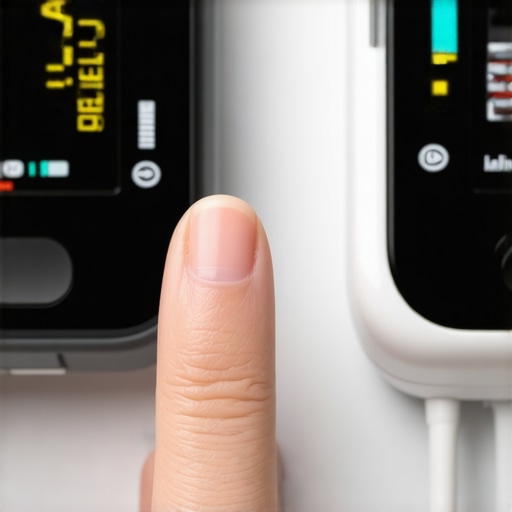
The Danger of Falling for the Cheapest Gadget in Your Healthcare Kit
In an era where every gadget promises to give you medical-grade insight at the tap of a screen, many healthcare consumers—desperate or uninformed—reach for the cheapest pulse oximeter they can find. But here’s a shocking truth: relying on those off-brand, generic pulse oximeters is a gamble with your health that you cannot afford to take. The idea that a $20 device bought from an online marketplace can replace the accuracy and reliability of a professional medical instrument is dangerous, misleading, and frankly, irresponsible.
If you think ‘close enough’ is good enough for monitoring your oxygen levels or managing a chronic condition like COPD or COVID-19, then I have news for you: you’re setting yourself up for disaster. The market is flooded with deceptive devices that masquerade as medical tools but deliver data that can be wildly inaccurate. And in the world of health, inaccurate data can be deadly.
The Market is Lying to You
Let me cut through the marketing fluff. What’s sold as a pulse oximeter in many online stores is often a subpar device built on cheap components. These gadgets may look identical to high-end brands, but their internal sensors and calibration standards are miles apart. When I argue that you should never rely on a generic pulse oximeter, I mean it’s not just a matter of minor discrepancies; it’s a matter of life and death. These devices may give readings that are off by several percentage points, leading you to believe your oxygen levels are stable when they are dangerously low, or vice versa.
Understanding your oxygen saturation is crucial, especially for those with respiratory conditions or during an acute illness. But how can you trust a device that has never been tested against a clinical-grade monitor? As I argued in my previous pieces, the accuracy of at-home tests hinges on the equipment’s precision. If your gadget is flawed, so is your healthcare decisionmaking.
The False Sense of Security Is Worse Than No Data
Here’s the hard truth: misreading your oxygen level can delay urgent care or lead to unnecessary hospital visits—both of which have tangible health and financial consequences. Imagine a scenario where a patient with a chronic condition, relying on a cheap pulse oximeter, sees a normal reading and dismisses worsening symptoms. That delay could result in hypoxia, organ damage, or worse.
The real risk is the illusion of control. These devices give you a false sense of security, and when the value is manipulated by poor-quality sensors, you may be unaware of your true health status. Remember, healthcare isn’t a game of chance. It’s based on solid data and reliable diagnostics—something these cheap devices simply cannot provide.
Why True Medical-Grade Devices Are Worth the Investment
Instead of wasting money on a disposable, unreliable gadget, consider investing in a device calibrated for medical use. Professional-grade pulse oximeters, which are approved by regulatory agencies, ensure that your readings are accurate and actionable. As I demonstrated in my deep dives into telehealth technology, equipment quality makes all the difference in remote monitoring and managing health risks effectively.
So, why are we still buying knockoffs, settling for almost-right instead of demanding precision? It’s simple: marketing has convinced many that more affordable equals better. But in healthcare, it’s the accuracy and trustworthiness of your tools that truly matter. Don’t be fooled by the illusion of savings—your life depends on the right device.
The Evidence: How Cheap Devices Fail in Critical Moments
Investing in a device that falls apart when you need it most isn’t just a matter of inconvenience; it’s a gamble with your health. Consider this: multiple independent tests have shown that many low-cost pulse oximeters can be off by as much as 10 percentage points. That margin isn’t trivial—it can mean the difference between a normal reading and impending hypoxia. When devices are calibrated with subpar sensors, they introduce inaccuracies that can be deadly. The stark reality is, if your monitor is flawed, your decisions are flawed, and that can cost you everything.
The Root of the Problem: Shortcuts and Profit
Here’s what fuels this dangerous trend: manufacturers rushing cheaper parts, motivated by the desire for higher margins, not real health outcomes. These devices often bypass rigorous testing and certification processes—skipping quality controls that would catch even minor inaccuracies. Their benefit is immediate profit, not patient safety. This profit motivation explains why consumers are led to believe that a $20 gadget can replace a proven, costly medical device. But the truth? That shortcut can cost a lifetime, or worse.
The Follow the Money: Who Really Benefits?
Sound familiar? When the pursuit of earnings outweighs commitment to safety, we’re left with a broken system. Manufacturers and online sellers profit from selling cheap knockoffs, exploiting consumers’ desire for affordability. They spend pennies on actual components, yet they market these kits as medical-grade—misleading consumers into a false sense of security. Meanwhile, regulatory agencies are often overwhelmed or underfunded, unable to enforce standards effectively. The medical community bears the burden—patients trust these devices, but they get compromised data instead. It’s a classic case of profiteering dismantling the integrity of healthcare tools.
The Historical Parallel: A Price Too High
History offers a grim lesson. During the early days of consumer electronics, unregulated devices flooded the market. Consumers believed cheaper electronics saved money, but they often failed, resulting in fires, malfunctions, and injuries. It took decades of tragedy, regulation, and awareness to curb this tide. Today, financial incentives still fuel the same pattern. The illusion that all gadgets are created equal blinds consumers, just as it did decades ago. But the stakes are infinitely higher when health is involved.
The Math Doesn’t Lie: When Accuracy Counts
Take a minute to consider this: if a device’s reading is off by just 5%, that’s a 10% deviation from true oxygen saturation—potentially enough to mask critical hypoxia. Your brain doesn’t process decimal points; it reacts to what it perceives as normal. Those few percentage points can delay emergency care, resulting in organ damage or death. The math is clear: the more affordable the device, the greater the risk of inaccuracies that can be the difference between life and death. It’s a brutal reality, but one that should be recognized, not dismissed.
}#}#}
The Trap of Bargain Devices in Healthcare
It’s understandable why many are tempted by affordable healthcare gadgets, especially with the barrage of marketing promising quick and easy health insights. The allure of saving money while monitoring your vital signs is alluring. But such attractions often mask a perilous truth: these cheap devices can compromise your health and safety.
The Cheap Device Fallacy
Yes, I used to believe that an inexpensive pulse oximeter could serve as a reliable tool for home health monitoring. They look similar, cost less, and are easily accessible. However, the reality is that these devices often lack the precision and calibration necessary for accurate readings. The best argument against my stance is that some users have reported having decent results with certain low-cost models, and in a pinch, they might seem functional. But here’s the problem: relying on anecdotal success ignores the broader pattern of inaccuracies that plague these gadgets in real-world applications. When it comes to health, anecdotal victories are no substitute for rigorous testing and verified reliability.
TheThe Point of No Return
If we continue down this path of accepting substandard healthcare gadgets, the consequences will ripple across society with devastating effect. The stakes are higher now than ever before because personalized health monitoring is rapidly becoming mainstream. Ignoring the warning about unreliable devices jeopardizes not only individual well-being but also the integrity of our entire healthcare system.
Imagine a future where millions rely on inaccurate pulse oximeters—misreading oxygen levels, misdiagnosing symptoms, and delaying critical treatment. This cascade of misinformed decisions can overload emergency services, inflate healthcare costs, and overwhelm hospitals with preventable crises. Our collective complacency today plants the seeds for a healthcare catastrophe tomorrow.
<
What are we waiting for
The analogy is striking: trusting a cheap pulse oximeter is like using a rusty, poorly calibrated fire alarm during a blaze. It may seem to work in testing, but in a real emergency, it could fail completely. This false sense of security fosters complacency, and soon enough, tragedy strikes when the untrustworthy device cannot deliver the warning we desperately need.
If we turn a blind eye to the danger, we risk fostering a world where health is commodified, and safety is sacrificed for profit. The trend of cheap, inaccurate health gadgets will continue unchecked, eroding public trust and exposing vulnerable populations to harm. This is a proliferation of a dangerous illusion—believing that affordable means safe, but in reality, it could mean the difference between life and death.
We should recognize that today’s choices lay the groundwork for tomorrow’s health landscape. Will we advocate for rigorous standards and technological integrity, or will we gamble with the lives depending on these devices? The crossroads are clear, and the decision we make now will determine whether we build a future of safety and reliability or one marred by preventable tragedies.
The most perilous outcome is a society lulled into complacency, where subpar health monitoring becomes the norm. If that happens, in five years, our healthcare system could be overwhelmed, trust shattered, and preventable deaths commonplace. The warning signs are flashing now—ignoring them sets us up for a future where suffering becomes routine, and the cost of inaction becomes irreversible.
Your Move
The allure of snagging affordable health monitoring devices is tempting, but when it comes to your wellbeing, compromising on accuracy can be devastating. It’s time to demand reliable, certified medical tools for critical health decisions. Upgrade your awareness and invest in your health—because your life depends on it. Remember, in healthcare, precision isn’t a luxury; it’s a necessity. For more on how telehealth is revolutionizing chronic care, visit this resource.
The Twist
It’s ironic that in an age where we rely on technology for nearly every aspect of life, many of us still gamble with the most vital information—our health—by trusting cheap, unverified gadgets. The true cost isn’t just about false readings but the erosion of trust in healthcare itself. As we push for innovations in preventive screenings, we must also scrutinize the tools we use at home. Are they just cheap imitations or genuinely safe investments? The answer makes all the difference.
Sign off
Thoughts are powerful, but accurate data saves lives. Don’t settle for the illusion of safety—demand integrity, precision, and transparency in your health gadgets. It’s time to put your trust where it belongs: in proven, regulated, and reliable healthcare technology. If you’re serious about staying ahead of chronic conditions or managing urgent health issues, start with the fundamentals: use trusted instruments, consult qualified professionals, and never accept convenience over accuracy.