
How to Prep Your Living Room for a Geriatric Safety Assessment
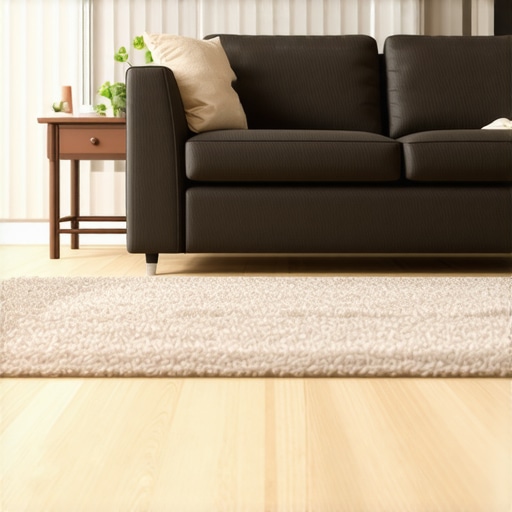
Why Your Living Room Might Be a Death Trap in Disguise
Think a cozy, familiar space like your living room is safe? Think again. It’s often a ticking time bomb waiting for a senior’s misstep. You might believe that minor falls are inevitable or that only high-tech home modifications can prevent disaster. But the truth is, you’re overlooking the simplest yet most crucial factors in preparing for a geriatric safety assessment. If you want your loved ones to truly be safe, start by acknowledging that a living room isn’t just furniture and decorations — it’s a battlefield where prevention either wins or loses.
I argue that most caregivers and even health professionals focus too much on medical tests and overlook the environment that surrounds our seniors daily. This, in fact, is a catastrophic mistake. How can we expect to prevent falls, injuries, or cognitive slips if we don’t address the everyday spaces that seniors inhabit? It’s akin to treating symptoms without eliminating the cause — a strategy destined to fail. Preparing a living room for safety isn’t about installing a few grab bars or placing rugs just so. It’s about systematic, strategic overhaul — turning an ordinary space into an environment optimized for aging in place.
So, why does this safety neglect persist? Because we’re conditioned to think that aging is a natural decline, not a preventable problem. We’re told that falls are just part of getting old, that accidents happen, that nothing can really be done. But that’s a dangerous myth. Just as a game of chess is won or lost by understanding every piece’s role, managing senior safety hinges on understanding that environment matters as much as medical history. Neglecting to create a safe living room is akin to leaving the pieces exposed — you’re inviting disaster while convincing yourself it’s inevitable.
To truly understand the stakes, picture a sinking ship where every unaddressed detail, from loose rugs to poor lighting, is a hole waiting to open. Would you leave your loved ones on that ship unpatched? Absolutely not. The same principle applies to their living environment. It’s high time we stopped dismissing the living room as a benign space and started treating it as a frontline defense against geriatric injury. This is not just a matter of comfort; it’s a matter of life and death.
In upcoming sections, I will dissect the critical elements that make a living room safe, debunk popular misconceptions, and show you how low-cost modifications can make a huge difference. Because, frankly, getting this right is the difference between independence and tragedy.
The Evidence of Environmental Neglect
Decades of research reveal that most falls among seniors happen precisely in what we consider familiar: the living room. Data shows that over 80% of home-related injury hospitalizations occur in common areas, and shockingly, many injuries stem from overlooked hazards like loose rugs, poor lighting, or cluttered pathways. This isn’t coincidental; it’s a direct consequence of ignoring environmental factors. When caregivers focus solely on medical interventions without addressing these hazards, they leave a gaping hole in senior safety strategies. The environment is the unwritten first line of defense—yet, it remains unguarded.
A Cultural Blind Spot: Aging as Inevitable Decline
The root cause isn’t merely the presence of hazards; it’s our societal perception of aging. Society has conditioned us to accept falls and injuries as ‘just part of growing old.’ But this is a fallacy—punishable by preventable tragedies. When myths dominate our mindset, the tendency is to dismiss environmental modifications as unnecessary or intrusive. But history shows us the opposite. When proactive measures—like better lighting, non-slip mats, and easy-to-reach essentials—are implemented, injuries decline significantly. The problem isn’t aging itself; it’s the neglect of preventable environmental risks based on outdated beliefs.
The Financial Incentives Behind the Oversight
Examining who benefits from neglecting environmental safety uncovers a troubling pattern. Institutions such as insurance companies and healthcare providers profit from senior injuries. Each fall leads to hospitalizations, rehab, and ongoing care—cash cows for the system. By failing to emphasize environmental modifications, these entities sustain their revenue streams. The more injuries, the more the system benefits. This is no coincidence. Financial interests have created an environment where injury prevention is deprioritized, and the actual costs—both human and financial—are dismissed as an unavoidable consequence of aging.
Follow the Money: The Hidden Hand Shaping Policy and Care
Policy decisions often reflect the interests of powerful stakeholders. Funding is allocated to medical treatments rather than home modifications. Reimbursement policies favor interventions after injuries rather than prevention strategies. It’s a textbook example of how the financial system influences care priorities. These vested interests discourage comprehensive safety assessments that include environmental renovations, effectively turning a blind eye to inexpensive, impactful modifications. This perpetuates a cycle where seniors remain vulnerable, while the profitability of injury-related treatments keeps flowing. The real beneficiaries? The same corporations and agencies that profit from human injury, not from safety and prevention.
The Trap of Focusing Solely on Medical Interventions
It’s understandable why many believe that medical tests, prescriptions, and post-fall treatments are the primary tools to safeguard our elders. This perspective is rooted in the familiar narrative that aging inevitably leads to decline, making medical intervention the logical frontline. I used to think this way myself, emphasizing medication and rehabilitation as the key. But this narrow focus ignores the real battleground: the environment of aging. Neglecting the physical space is akin to treating a patient with medication while ignoring the harmful germs lurking in their surroundings.
Don’t Be Fooled by the Illusion of Medical Supremacy
The best argument for focusing on medical care is that many physical issues—mobility impairments, cognitive decline, chronic illnesses—are biological or neurological in origin. Addressing these solely through health services seems intuitive. Yet, this perspective is shortsighted. It assumes that the environment is a neutral backdrop rather than an active contributor to injury risk. Evidence shows that most falls happen not because seniors are incapacitated but because their living spaces are cluttered, poorly lit, or lack non-slip surfaces. Ignoring these factors is a mistake that costs lives.
Addressing only the medical side is like mopping a flood without fixing the broken pipe causing it. You may reduce some water, but the problem persists, waiting to flood again. The environmental factors are the unlocated, often overlooked patchwork that, when properly addressed, can drastically reduce injury rates.
The Wrong Question Is Fixated on Treatment Rather Than Prevention
Society tends to prioritize treatment—medications, surgeries, physiotherapy—because they’re tangible, immediate, and high-profile. Prevention, especially in environmental modifications, is less glamorous and harder to quantify upfront. This leads to an underinvestment in home safety measures, which are often inexpensive and effective. This bias is rooted in outdated healthcare models that reward intervention over prevention. The fallacy here is that we assume treating injuries post-factum is enough; but the harsh reality is that prevention through environmental design saves more lives and reduces suffering.
I used to believe that investments in medical treatment would naturally reduce injuries. But experience and data reveal a stark reality: injury rates decline significantly when homes are redesigned with safety in mind, sometimes as simply as securing loose rugs or improving lighting. You don’t need to overhaul a mansion; small investments yield big results.
Challenging the Dogma of Aging as Decline
This leads us to a broader misconception: that aging is an unstoppable decline, and injury is inevitable. Many accept falls as an age-appropriate mishap, a natural consequence of growing older. This belief system is damaging, as it fosters complacency and inaction. It creates a narrative where injury prevention appears unnecessary or intrusive.
However, this view is fundamentally flawed. The real issue isn’t aging itself but the sedentary, hazard-laden environment many seniors are left in. If we reframe aging as a process that can be managed through environmental support, we shift from a defeatist mindset to a proactive one. The risks are not predetermined; they are modifiable. We have the capacity to redesign living spaces so safely that injury becomes a rarity rather than an expected event.
Financial Interests and Cultural Blind Spots
Few acknowledge that the healthcare system’s emphasis on treatment over prevention is influenced by powerful financial incentives. Hospitals, rehabilitation centers, and pharmaceutical companies profit from injury events. This creates a perverse incentive to overlook environmental modifications that could prevent injuries altogether. When the focus remains on treating falls rather than preventing them, the system sustains itself, profiting from human vulnerability.
Culture plays a role too. Society often dismisses environmental change as intrusive or stigmatizing. There’s an ingrained belief that making a home safer diminishes independence or is an invasion of privacy. This misconception blinds caregivers and families from implementing straightforward, low-cost modifications that could save lives.
In reality, environmental safety is not about restricting freedom; it’s about empowering seniors to live with dignity and independence. Recognizing this shift requires rejecting the outdated assumption that aging inevitability equates to chronic vulnerability. The truth is, injury prevention through environmental reengineering is a vital, cost-effective strategy that shifts the focus from reaction to prevention.
The Cost of Inaction
If society continues to dismiss the importance of transforming our seniors’ living environments, we are paving a path toward escalating tragedy. Falls and injuries will become an epidemic, overwhelming healthcare systems and devastating families. Hospitals will be flooded with preventable injuries, and the emotional toll on families will grow exponentially. This neglect will translate into increased medical expenses, long-term disabilities, and a loss of independence for our elderly loved ones. The true price tag extends beyond dollars—it erodes the dignity and quality of life that every person deserves in their twilight years.
A Future Overrun by Crisis
In five years, the landscape of elder care could be unrecognizable—if decisive action isn’t taken. Healthcare facilities will be strained by a surge in fall-related injuries, many of which could have been prevented through simple environmental adjustments. Long-term care homes might become overwhelmed, with resources stretched thin as they handle an influx of avoidable accidents. Families will face emotional storms, grappling with guilt and grief for preventable losses. Meanwhile, community resources will be diverted from proactive health initiatives to crisis management, creating a cycle of reactive rather than preventive care.
The Slippery Slope of Complacency
Ignoring immediate dangers sets off a chain reaction of decline. Each preventable fall weakens an elderly individual’s confidence, leading to increased dependency and social isolation. As injuries accumulate, healthcare providers may become desensitized, accepting injury rates as an unavoidable aspect of aging. This complacency fosters a bleak future where preventable tragedies are normalized, and the opportunity for meaningful change slips away like grains of sand through clenched fists.
What Are We Waiting For? A Call to Action
It’s akin to standing at the edge of a cliff, watching a wildfire approach—yet doing nothing. We have the power and knowledge to prevent this catastrophe, but inertia and misguided perceptions bind us. The time to act is now, before the downward spiral becomes irreversible. Every delay tightens the grip of tragedy, making recovery more difficult. Our elders deserve a future where falling isn’t a death sentence, but a preventable event. The question is, are we prepared to accept this future or will we rise to the challenge?
An Analogy That Can’t Be Ignored
Neglecting the safety of our elderly homes is like ignoring the rusting keels of a ship destined to sink. A small leak, left unaddressed, can eventually flood the entire vessel. Meanwhile, urgent repairs are deferred, and what was once manageable spirals out of control. The choice is ours—fix the leaks now or face tragic capsizing in the future. Our collective inaction is a silent acceptance of disaster, and the time to seal those leaks is immediately.
Why We Still Turn a Blind Eye to Environmental Hazards
For too long, we’ve believed that medical care alone can shield our elders from harm. Yet, a sobering truth remains: the battle for senior safety is fought daily in the environment of their homes, especially the living room. Decades of data reveal that over 80% of falls happen precisely in these familiar spaces, often due to overlooked hazards like loose rugs or poor lighting. This oversight isn’t just negligent—it’s deadly. We must recognize that safety isn’t just medical; it’s environmental. The system benefits from injuries, perpetuating a cycle that favors profit over prevention, as seen in the way policy and insurance sectors prioritize treatment over safety modifications. Addressing only the medical side is akin to mopping up floods while ignoring the broken pipe. The real question becomes—are we brave enough to overhaul our approach?