
The Stealth Reason Your Blood Pressure Spikes at the Doctor’s Office
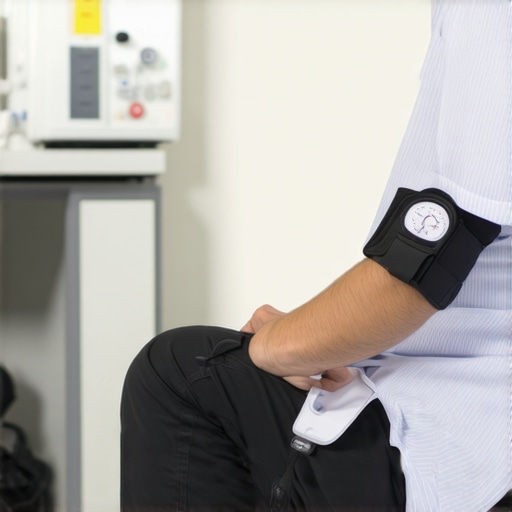
Why Your Blood Pressure Isn’t Telling the Whole Story
If you’ve ever stepped on a scale and suddenly gained five pounds, only to find out it was water retention, you know how easily measurements can lie. But nothing is more deceptive than the myth that your blood pressure reading at the doctor’s office accurately reflects your health. The truth is, it’s often the victim of a silent sabotage that most patients overlook.
The common narrative suggests that an elevated blood pressure at the clinic signals an urgent crisis, prompting immediate medication adjustments or lifestyle shame. But what if that spike isn’t a red flag of impending disaster? What if it’s the symptom of a deeper, more insidious phenomenon—the white coat effect—exacerbated, ironically, by the healthcare environment itself?
Here’s the uncomfortable truth: your blood pressure reading in the sterile, clinical setting is frequently less about your health and more about your anxiety, arousal, or the sterile environment triggering a stress response. You might think that the cuff, the machine, or even the doctor’s stare is causing your numbers to rise. And you would be right, in part. But this isn’t just about nerves; it’s about a systemic flaw in how we measure and interpret health metrics.
The medical community has been conditioned to chase these numbers, often obsessively. We’re told that a “high” reading is an emergency, leading to unnecessary medication, increased healthcare costs, and mental stress. Meanwhile, behind the scenes, something more sinister is happening: the medical ecosystem, with its obsession for data, inadvertently encourages patients to stress out during the very tests meant to gauge their health.
The Illusion of Accurate Readings
It’s easy to believe that sitting quietly for a few minutes in a doctor’s office provides an accurate assessment of your blood pressure. Yet, studies show that situational anxiety, even mild nervousness, can inflate readings significantly. This is especially true for those with white coat hypertension, where the very presence of healthcare professionals triggers a spike. It’s akin to a game of chess, where every move is influenced by your opponent’s threats, not the actual game plan. The result? A distorted picture of your cardiovascular health.
More concerning is the reliance on a single reading to diagnose hypertension. As I argued in how to avoid the flu season rush at urgent care, healthcare decisions need context, multiple data points, and understanding of individual variability. Yet, in the case of blood pressure, a private, high-stakes measurement often triggers a cascade of medical interventions—most of which are unnecessary or even harmful.
The Cost of Trusting Flawed Data
This trick of the measure turns out to be a problem for more than just your mental peace. It leads to overtreatment, medication dependency, and a false sense of disease. The psychological burden worsens when patients feel they must constantly prove their health through sporadic, anxiety-provoking tests. And even with telehealth transforming how we monitor health, the underlying issue remains. How reliable is a reading that may be influenced by your environment or emotional state?
To cut through the noise, we need a paradigm shift. Instead of relying solely on these isolated measurements, we should embrace continuous monitoring, home-based assessments, and personalized strategies. As I discussed in the future of telehealth, technology is empowering patients to gain a more accurate understanding of their blood pressure in natural settings.
So, why are we still doing this?” It’s because the system benefits from the illusion of control, from the false security that a quick cuff squeeze can replace comprehensive, nuanced care. The real question is, how much longer will we accept a measurement that’s as much a product of your anxiety as your actual health?
The Evidence Behind Flawed Readings
Decades of research reveal that blood pressure readings taken in clinical settings often don’t tell the full story. Studies show that up to 30% of individuals diagnosed with hypertension actually experience elevated readings primarily due to anxiety — a phenomenon known as white coat hypertension. This isn’t a minor quirk; it’s a systemic flaw that skews diagnoses and treatments, leading to unnecessary medications that may cause harm over time. The data indicate that these situational spikes aren’t just statistical noise—they reflect the profound influence of the environment on our vital signs, undermining the validity of single-point measurements.
The Root of the Distortion
The root problem isn’t the blood pressure device itself but rather the flawed approach to measurement. We rely on isolated readings in high-pressure environments, ignoring the context of each patient’s daily life. This echoes previous healthcare crises where over-reliance on flawed metrics fueled overtreatment. For example, in the early 2000s, obsession with cholesterol numbers led to widespread statin prescriptions, many of which were unnecessary. Similarly, the fixation on one blood pressure snapshot can create a cascade of unwarranted interventions, driven not by patient health but by the misconception that a number equals health.
The Incentive Structures Fueling the Issue
Who benefits from this outdated model? The entities that profit from a steady stream of tests and medications—big pharma, device manufacturers, and clinics—are the real winners. They have a vested interest in maintaining the illusion that blood pressure is best measured in sterile, standardized settings. This artificially limited approach conveniently justifies more frequent testing, follow-up visits, and prescriptions. Meanwhile, patients become trapped in a cycle of anxiety and dependency, mistaking a number for certainty. The financial incentives embedded within the current system distort priorities, putting profit ahead of genuine health outcomes.
The Consequences of an Illusory Metric
This skewed focus doesn’t just inflate healthcare bills; it harms patients psychologically. People diagnosed based on a single, environment-influenced reading experience stress, leading to more elevated readings—not because their health deteriorates, but because our system fosters fear. This vicious cycle inflates the perceived prevalence of hypertension, fueling overmedication and neglecting more nuanced, patient-centered approaches. As a result, the real issues—lifestyle, stress, diet—are sidelined in favor of a quick fix driven by faulty data.
Lessons from History and Future Directions
History demonstrates that overreliance on single measures has repeatedly led to flawed health strategies. During the 19th-century cholera outbreaks, untreated water sources proved more critical than isolated lab tests, prompting a shift toward understanding social and environmental factors. Today, the same lesson applies: we must look beyond isolated readings and adopt comprehensive, continuous monitoring techniques. Technology—like home blood pressure devices and wearables—empowers patients, offering data in natural contexts that are less susceptible to anxiety-induced spikes.
Yet resistance to change persists. The entrenched interests—those benefiting from current practices—block reforms. As long as the healthcare system continues to place faith in a brief cuff squeeze, we risk perpetuating a cycle of misdiagnosis, overtreatment, and patient mistrust. The solution lies in acknowledging that blood pressure isn’t a static number but a dynamic indicator shaped by numerous variables. Recognizing this truth demands a systemic overhaul—one that values context, continuous data, and nuanced understanding over simplistic snapshots.
The Trap of An Oversimplified Metric
It’s easy to understand why many cling to the notion that a quick blood pressure check in a clinical setting provides an accurate health snapshot. The simplicity of taking a number and making decisions appears practical, efficient, and rooted in science. Many believe that by doing so, healthcare becomes straightforward and manageable. But this assumption dramatically underestimates the complex interplay of variables that influence blood pressure. It also ignores the context—emotional, environmental, and behavioral—that significantly skew these readings.
I used to think that a single high reading was an unavoidable momentary spike—an anomaly. Yet, that simplistic view overlooks how systemic and pervasive this problem truly is. Relying on isolated measurements as definitive indicators is not only outdated but dangerously misleading. It’s akin to judging the health of an entire forest based solely on a snapshot of a single leaf.
Why the Opposing View Misses the Mark
The opponents argue that clinical readings are necessary for diagnosis because they are standardized, controlled, and consistent. They emphasize that, under ideal conditions, blood pressure readings are reliable and should be decisive. Because of this, they posit that ignoring these snapshots risks missing genuine cases of hypertension or cardiovascular risk.
However, this argument ignores critical nuances. While standardization is essential, it doesn’t account for situational factors that influence these measurements. Anxiety, recent activity, or even the sterile, intimidating environment of a clinic can artificially elevate blood pressure. These spikes don’t necessarily reflect true arterial health but instead reveal how context can distort data. Relying solely on such data invites overdiagnosis, overtreatment, and patient mistrust.
The Inner Flaw in the Classic Approach
The key flaw here is the unquestioned trust in a single snapshot as a definitive health indicator. The medical community’s fixation on point-in-time measurements stems from an understandable desire for objectivity, yet it inadvertently fuels a flawed model of diagnosis. This model ignores the body’s natural variability and the influence of psychological states on vital signs.
When doctors focus only on a high reading without considering the circumstances—whether the patient was anxious, hurried, or in an unfamiliar environment—they risk misclassifying health status. This misclassification leads to unnecessary medication and, worse, patient anxiety about their health. The dissonance between what a measurement suggests and the patient’s actual, everyday reality is profound and often overlooked.
Are We Missing the Bigger Picture?
While it’s true that blood pressure, when measured correctly, is a valuable tool, it is far from infallible. The real question we should be asking is whether our current reliance on these isolated readings hinders the development of more accurate, less invasive, and more real-world assessments.
Evidence increasingly shows that continuous monitoring and home-based assessments provide a richer, more reliable picture of cardiovascular health. Devices like wearable blood pressure monitors and smartphone integrations are breaking down the barriers of the clinical environment. They offer context, consistency, and insight that static snapshots simply cannot match.
To dismiss these innovations as unnecessary or inferior is to ignore the growing body of data reinforcing their value. It’s not about replacing clinician judgment entirely but supplementing it with nuanced, patient-centered data. The static, high-stakes environment of the clinic shouldn’t be the unchallenged gold standard for health metrics anymore.
Conclusion—The Question of Trust
In the end, the debate hinges on where we place our trust: in a fleeting, environment-influenced snapshot or in a comprehensive, context-rich understanding of health. The resistance to change—driven by comfort, tradition, and vested interests—obscures the reality that these single measurements are inherently flawed. Moving forward means embracing the complexity of human physiology and the technological tools that can capture it—beyond the sterile walls of the examination room.
The Cost of Inaction
If we continue to prioritize flawed blood pressure readings in clinical settings without addressing their inherent inaccuracies, we risk unleashing a cascade of health crises that could reshape the future of healthcare. By fixating on single, environment-influenced measurements, we ignore the deeper, more reliable signals our bodies send, leading to widespread misdiagnoses and unnecessary treatments. The immediate consequence is a surge in overtreatment, medication dependency, and psychological distress among millions who are patients and providers alike.
This trend amplifies existing disparities, as vulnerable populations—often already facing barriers to healthcare access—are disproportionately subjected to the harms of false positives. The stress and anxiety generated by flawed diagnostics accelerate cardiovascular risks and other health issues, creating a vicious cycle that taxing our already strained healthcare systems. The stakes are high, and delaying reform means accepting a future where trust in medical data continues to erode, and health outcomes deteriorate precipitously.
A Choice to Make
In five years, if this trajectory persists, our healthcare landscape risks becoming a minefield of misinformed decisions. Patients may become skeptical of medical advice, leading to lower compliance and worse health outcomes. The reliance on environment-driven, snapshot measurements could fuel an epidemic of unnecessary medication use, increasing not just individual burdens but also societal costs.
Imagine a world where smart wearables, continuous monitoring, and patient-centered data become standard, providing real-time insights that accurately reflect physiological states. Conversely, if we cling to outdated techniques, we cement a system that rewards superficial metrics over meaningful understanding. We lose the opportunity to leverage technology’s full potential—transforming healthcare from reactive to proactive, from generic to personalized.
The Point of No Return
Is it too late? The window to intervene is narrowing. Continuing down the current path risks embedding these inaccuracies into the very fabric of medical practice, rendering future innovations ineffective. It’s akin to ignoring a slowly rising flood that threatens to engulf a city—by the time the warning is acknowledged, it may be too late to prevent catastrophic damage.
Just as passengers on a sinking ship debate whether to seal the leaks or abandon ship, we must recognize the urgent need to repair our diagnostic frameworks and adopt more holistic, context-aware methodologies. Humanity’s most devastating crises—climate change, social unrest, economic collapse—have often been precipitated by neglecting early warning signs. Our health system stands at a similar crossroads, and the choices we make now will determine whether we steer toward a future of resilience or spiral into a preventable disaster.
Your blood pressure isn’t just a number—it’s a story influenced by anxiety, environment, and systemic flaws. Relying on a single, clinic-based reading is like judging a forest by a single, dying leaf. Instead, embrace continuous, personalized monitoring that captures your true health in real life. This approach isn’t just smarter; it’s necessary for genuine care.
What if the system’s obsession with fleeting snapshots is a deliberate distraction, benefitting industries built on flawed metrics? The pressure to conform to outdated standards keeps us tethered to inaccurate data, feeding unnecessary treatments and eroding trust. Breaking free from this illusion requires a radical shift—one that prioritizes context, technology, and your lived experience. The future of healthcare hinges on recognizing that health isn’t static, and neither should its measurements be.
Your Move: challenge the reliance on superficial diagnostics. Demand continuous, real-world data. Explore innovative solutions like telehealth advancements that empower you to understand your body beyond sterile snapshots. It’s time to reimagine the way we assess and protect health—because trusting a single, environment-affected reading is a gamble with your life. The choice is yours: accept the illusion or demand the truth.