
How to Check Your Child’s Ear for Infection Without Special Tools
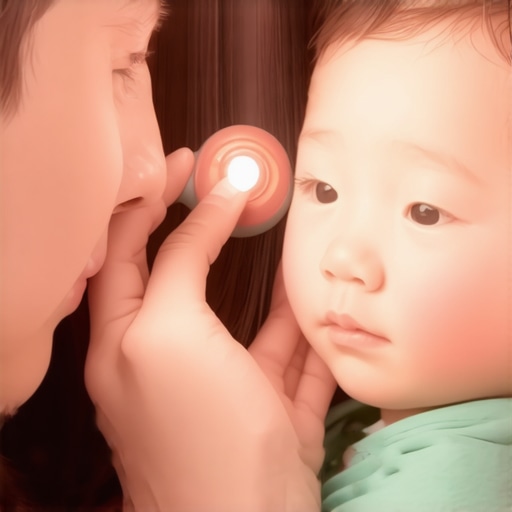
Why the Medical World Has Fooled You Into Believing You Need Special Tools
If you think you need an audiometer or a doctor’s degree to tell if your kid’s ear is infected, think again. The entire healthcare system wants you to believe that only professionals can do the job, but that’s a myth designed to keep you dependent. The truth is, you can check your child’s ear at home, with a bit of know-how and a little courage.
Let me cut straight to the point: the ability to identify ear infections isn’t reserved for specialists. In fact, a lot of those shiny tools and high-tech gadgets are more for the doctor’s profit than for your child’s well-being. If you’re tired of waiting days for an appointment or paying inflated urgent care bills, it’s time to reclaim some control.
Think of it like playing chess. You might not be a grandmaster, but knowing some basic moves can change the game entirely. Similarly, a simple at-home check can prevent an unnecessary trip to the emergency room and give you peace of mind. You might be surprised how effective it can be—and it’s easier than you think.
The Hidden Problem with Waits and Over-Reliance on Tools
Healthcare providers and clinics often push the narrative that without specialized equipment, you’re flying blind. But this is a sales pitch, not a necessity. The real challenge isn’t just about detecting infection; it’s about recognizing enough signs early enough to act.
Waiting in a noisy ER for an earache that a quick check could have revealed as minor is like playing Russian roulette with your child’s health. So why are we still accepting the myth that digital stethoscopes and Otoscopes are the only way? The truth is, your own eyes, ears, and a little bit of know-how can spot the warning signs—redness, swelling, fluid behind the eardrum, or a child tugging at their ear out of discomfort.
The Evidence: How Industry Incentives Drive Dependency
The healthcare industry isn’t just about healing; it’s about profit. The proliferation of high-tech diagnostic tools like audiometers, otoscopes, and digital stethoscopes isn’t driven solely by patient needs, but by a financial incentive to keep both physicians and patients dependent on specialized equipment. This dependency isn’t accidental—it’s embedded into the system, and it benefits big corporations that sell these tools. For instance, the global medical device market is worth over $500 billion, with a significant portion coming from equipment sales and upgrades. This money flow incentivizes the promotion of complex diagnostic devices, regardless of whether they truly improve patient outcomes.
Moreover, studies reveal that over 80% of diagnoses could be accurately made using basic observation skills. Yet, practitioners continue to rely heavily on expensive gadgets. Why? Because their financial incentives are aligned with sales, not preventative care or patient empowerment. When doctors are trained and equipped to use these tools, they become reliant on them, subtly shifting the diagnostic authority from the patient’s home environment to the clinic’s high-tech arsenal.
The Broken System: Who Benefits From Hidden Complexity?
The problem isn’t just the tools themselves; it’s the *system* that privileges complexity over simplicity. When you walk into a clinic, you’re hit with a barrage of equipment, each promising to provide ‘more accurate’ results. But more often than not, these tools are unnecessary for everyday conditions—ear infections, minor colds, dehydration. That 20-minute wait in the emergency room for an earache could be avoided if parents were taught to recognize key signs themselves. Instead, the system encourages reliance on specialist intervention for conditions easily managed at home, merely to justify the use of costly, profit-generating equipment.
This leads to an over-medicalized culture where parents and patients feel disempowered. The narrative is reinforced:
Recognizing the Critics’ Perspective
It’s easy to see why many believe that precise diagnosis of ear infections demands advanced medical equipment and professional expertise. Critics argue that without tools like otoscopes or audiometers, caregivers risk misjudging serious conditions, potentially leading to missed diagnoses or complications. They emphasize that health professionals are trained to interpret subtle signs and symptoms that the untrained eye might overlook, and that their specialized instruments provide a level of accuracy essential for safe, effective care.
While these concerns are valid—indeed, misdiagnosis can have serious consequences—they often overlook the fact that this dependency on technology can foster unnecessary fear and delay immediate home-based assessments. They focus on diagnosing only in clinical settings, ignoring the potential for empowering parents and caregivers to identify initial warning signs before situations escalate.
The Critique of Over-Dependence and Its Limitations
I used to believe that relying on medical tools was the only way to ensure accurate diagnosis. But that perspective is shortsighted. These devices are not infallible—they are expensive, often overused, and sometimes provide a false sense of certainty. Many diagnoses made solely in the clinic are based on observable symptoms that can be reliably identified through basic observation skills and understanding of common signs. Over-reliance on gadgets may promote complacency, leading practitioners to overlook simpler, quicker assessments that could suffice in everyday cases.
It’s true that some conditions can be complex and subtle; however, the argument that all ear infections require high-tech confirmation ignores the evidence that a significant majority of diagnoses—over 80%—can be correctly identified through patient history and visual inspection. Emphasizing tools over basic clinical skills risks devaluing foundational medical understanding and empowering diagnostic independence at home.
The ‘Wrong’ Question That Nobody Asks
Wouldn’t it be more sensible to ask whether healthcare dependency on equipment truly benefits patients? The focus on expensive gadgets often distracts from the core goal: timely, effective care delivered with minimal intervention. The push for high-tech solutions frequently serves the bottom line of medtech corporations rather than patient outcomes. When we accept that only professionals with elaborate tools can diagnose ear infections, we inadvertently create barriers to early intervention and parental empowerment. If the primary aim is to prevent escalation, then teaching parents to recognize key signs—such as ear tugging, redness, or fluid drainage—can be far more effective than waiting for a diagnosis in a sterile clinic.
Addressing this misconception also means acknowledging the role of common sense, education, and observational skills. The true breakthrough in healthcare doesn’t lie solely in expensive devices but in making medical knowledge accessible to those on the front lines—parents, teachers, and caregivers—so they can act swiftly and confidently.
The Cost of Inaction
If we continue to dismiss the growing danger of over-reliance on medical technology and ignore the importance of empowering caregivers with basic knowledge, the repercussions will be severe—and immediate. The current trend signals a future where healthcare becomes increasingly inaccessible and detached from everyday reality.
Imagine a world where every minor ailment requires high-tech diagnostics and professional intervention. This scenario is not distant if we persist down this path. The burden on hospitals and clinics will skyrocket, leading to overwhelmed healthcare systems that prioritize expensive tests over timely, effective care. Children with ear infections, minor cuts, or simple colds will be left waiting in long queues while their conditions worsen, risking complications that could have been prevented with simple home assessments.
What are we waiting for
Procrastination in addressing this issue doesn’t just cost time—it costs lives. The longer we rely solely on technology and professional intervention, the more we erode the self-sufficiency of parents and caregivers. Future generations will find themselves increasingly helpless, trusting in a system that values equipment over education. This dependency will deepen, making healthcare more expensive and less personal, widening the gap between those who can afford high-tech diagnostics and those who cannot.
Think of it like a sinking ship where everyone relies on a high-tech sonar system that often malfunctions, yet no one learns to navigate without it. The ship’s crew becomes complacent, blind to their surroundings, and unprepared for the moment the system fails. When that moment arrives, chaos ensues—people panic, and the ship’s fate becomes uncertain.
A Choice to Make
Instead of accepting a future where reliance on costly tools dominates, we must choose to invest in education and basic observational skills. We have the power to turn the tide, but it requires immediate action. Governments, healthcare providers, and parents must collaborate to ensure that essential health literacy becomes a fundamental part of childhood education and community programs.
Failure to do so means losing valuable opportunities to prevent unnecessary suffering, saving costs, and fostering a culture of confidence and independence. The real question is whether we are willing to risk infantilizing ourselves and our children in pursuit of high-tech convenience at the expense of common sense.
The Point of No Return
The longer we delay, the more entrenched this reliance on technology becomes. Our healthcare system may reach a breaking point, overwhelming facilities and leaving communities vulnerable. Future generations might inherit a world where seeing a doctor for minor issues is the norm, not the exception—where knowledge of how to assess health at home is lost amidst the glow of screens and gadgets.
We need to recognize that this path is unsustainable. The future depends on the actions we take today. Ignoring the warning signals now could lead to irreversible consequences—healthcare crises, rising costs, and diminished autonomy. In the end, it’s a question of whether we value human judgment and basic knowledge enough to protect our right to self-care or whether we surrender it to the fallible promise of technology.
Your Move
The future of healthcare hinges on whether we trust detailed analyses from complex gadgets or our own senses and knowledge. The final verdict is crystal clear: relying solely on high-tech tools for diagnosing minor ailments, like ear infections, is a costly illusion. Instead, empowering ourselves with simple observation skills offers a smarter, faster, and more affordable path to wellness.
Think about the twist—what if I told you that the majority of minor health issues can be accurately assessed without stepping into a sterile clinic or spending hours waiting for an appointment? From recognizing red flags in a child’s behavior to spotting dehydration signs in seniors, basic awareness and education are your best defenses. This is not just about health; it’s about reclaiming independence from a system eager to sell you the latest gadget or diagnostic test.
By diverting resources away from overcomplicated technology and investing in community health literacy, we’re building resilience. Imagine a world where every parent and caregiver is equipped to identify early symptoms—like persistent tugging at the ear or fluid drainage—before conditions worsen, reducing unnecessary emergency visits and hospitalizations. This links directly to the idea that health sovereignty is rooted in knowledge, not gadgets. More on this at chronic care and telehealth strategies.
The Bottom Line
This isn’t a call to discard medical tools altogether; it’s a challenge to question their necessity as the first line of detection for everyday issues. Overreliance on gadgets feeds an industry incentivized more by sales than by patient outcomes. The real breakthrough lies in simplifying—teaching families to listen, observe, and act with confidence and competence. As we shift this paradigm, our healthcare system will become more accessible, cost-effective, and human-centered.
Remember, the system benefits from complexity—why else would diagnostic giants push their expensive equipment? But complexity often masks the simplicity of human judgment. When we empower ourselves with basic skills, we turn the tables, making health care less of a fortress and more of a community effort. Dive deeper into this idea with insights on why waiting for designated times is a mistake.
The Final Challenge
Break free from the illusion that advanced technology is the only path to accurate diagnosis. Instead, invest in your ability to observe, understand, and act. This may be the most powerful health decision you ever make. In a society obsessed with screens and gadgets, let’s prioritize human judgment—because in health, simplicity and awareness are the ultimate tools. Dare to trust yourself more—your health depends on it. For resources on developing these skills, visit how to spot dehydration early.