
Why Most Wellness Screenings Skip Important Cortisol Timing
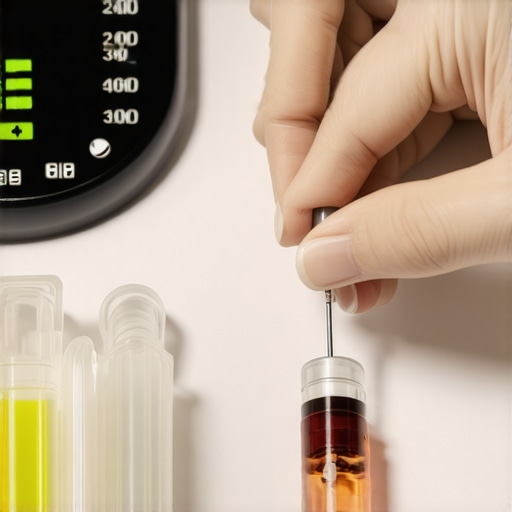
The Fatal Oversight in Wellness Checks
You might believe that routine wellness screenings are comprehensive, reliable, and scientifically grounded. Think again. Most of these tests are like checking a car’s oil without inspecting its engine — missing the critical signals that reveal your true health status. Amidst the routine blood tests and questionnaires, one vital piece of the puzzle is systematically ignored: the timing of cortisol, your body’s primary stress hormone.
Why does this matter? Because cortisol’s daily rhythm is a biological heartbeat dictating when you’re best equipped to handle stress, when your immune system peaks, and when metabolic processes run optimally. Yet, most wellness screenings measure cortisol levels at a single point in time, often in the middle of the day, overlooking the fact that cortisol follows a predictable, circadian pattern — high in the morning, tapering off by night. Treating cortisol as just another static marker is like judging a symphony by a single note. It’s incomplete, misleading, and potentially dangerous.
The result? Clinicians and consumers alike are sailing blind into a storm. They get falsely reassured by normal cortisol readings taken at the wrong time or, worse, misdiagnose stress-related disorders because they ignore the hormone’s natural ebb and flow. This oversight is not just a small mistake; it’s a fundamental flaw rooted in outdated, oversimplified testing protocols that fail to capture the complexity of human physiology.
I argue that this neglect feeds a larger systemic problem — a healthcare paradigm obsessed with snapshot data instead of comprehensive, chronobiological insights. In an era where telehealth and remote testing promise personalized care, why are we still relying on half-measures? The answer is simple: the industry profits from quick, easy tests, not nuanced, time-sensitive assessments. As I’ll show, embracing cortisol timing could revolutionize how we approach chronic stress, adrenal issues, and metabolic health. It’s a game-changer hiding in plain sight, if only we dare to see it.
This Is Why Wellness Screenings Lie to You
By ignoring the timing of cortisol, most wellness checks become little more than a glorified psychic reading. They tell you nothing about how your body manages stress over the course of the day or how it adjusts to modern life pressures. It’s akin to judging the health of a tree by its leaves in early spring — totally missing the roots that determine whether it survives the storms ahead. If we are serious about health, isn’t it time we stop chasing isolated data points and start measuring what truly matters — the body’s rhythms? For a deeper understanding of how virtual care is transforming chronic disease management, check out the future of telehealth.
The Evidence of Oversimplification in Wellness Screening
Healthcare providers often operate under the illusion that a single blood test or questionnaire can encapsulate a person’s health status. But science consistently shows that biological markers like cortisol are governed by their circadian rhythms, a fact glaringly absent in standard wellness protocols. When cortisol levels are assessed at arbitrary times—say, mid-afternoon—they provide a distorted snapshot, not an accurate reflection of the hormone’s true function. Data reveals that cortisol should be measured at specific times to be meaningful, yet most clinics ignore this, leading to misdiagnoses or missed diagnoses of stress-related disorders, adrenal fatigue, and metabolic issues. The consequence? Patients are handed false reassurance or misguided treatments based on incomplete data, fostering a dangerous complacency in health management.
The Root Cause: Systemic Neglect of Chronobiological Data
The core issue isn’t just poor testing protocols; it’s a healthcare paradigm that values speed and convenience over accuracy and nuance. The industry profits from quick, routine tests—blood panels that are easy to administer and interpret—regardless of their capacity to inform truly personalized care. This emphasis on static markers neglects a critical biological principle: the body’s rhythms are dynamic, not static. When cortisol measurements ignore timing, they strip away the context necessary for meaningful interpretation. This oversight stems from outdated training and a failure to incorporate chronobiology into mainstream practice, perpetuating a cycle where the true signals are drowned out by noise and false negatives.
Follow the Money: Who Benefits from Oversimplified Testing?
The beneficiaries are evident. Diagnostic labs, medical device manufacturers, and clinics that rely on volume over value encapsulate the economic incentives fueling this flawed system. By promoting quick tests that fail to consider the body’s circadian patterns, industries ensure a steady stream of revenue—repeat testing, unnecessary medication, and unwarranted interventions. Meanwhile, the patient bears the cost—not just financially, but in health outcomes compromised by incomplete assessments. Their trust is exploited, sold as confidence that routine screenings are sufficient. This model consolidates profits at the expense of precision, leaving systemic vulnerabilities unaddressed and undermining genuine progress in personalized healthcare.
The Evidence in Action
Research published in chronobiology journals illustrates that measuring cortisol at standardized times—such as immediately upon waking—yields vastly different insights than random midday assessments. When timed properly, cortisol patterns reveal disruptions indicative of adrenal fatigue or emerging metabolic syndromes—clues that static tests simply cannot detect. Data shows that interventions based on time-sensitive cortisol readings significantly improve patient outcomes, yet these practices remain marginalized, dismissed as too complex or costly. The insistence on simplistic testing methods is a calculated choice, not an oversight, designed to sustain a system that benefits from maintaining the status quo.
The Cost of Oversight
Omitting the timing element isn’t just a technical oversight—it’s a moral failing. It allows a disconnect between what science knows and what clinical practice applies. When health professionals ignore the importance of biological rhythms, they inadvertently endorse a approach rooted in superficiality. The result is a cascade of misdiagnoses, ineffective treatments, and a population kept in the dark about the root causes of their ailments. This neglect feeds a cycle where symptoms are treated in isolation, not as manifestations of a system out of sync with its natural timing. The flaw isn’t just in the tests; it’s embedded in the entire framework of modern wellness practices.
Don’t Be Fooled by Simplistic Wellness Tests
It’s understandable why many trust routine wellness screenings; they seem comprehensive and grounded in science. However, this confidence often rests on a flawed foundation. Critics will say that adding complex, time-specific testing protocols isn’t practical in busy clinics or for routine health assessments. They argue that measuring cortisol at specific times complicates the process and increases costs, making it unlikely to be widely adopted. While these points have some merit, they overlook a critical aspect: the danger of neglecting biological rhythms in health assessments.
The Real Issue Lies in Oversimplification
I used to believe that a single cortisol measurement could suffice for assessing stress and adrenal health—until I delved into chronobiology. The truth is, measuring cortisol at arbitrary times is like trying to read a symphony by listening to a single note. It captures only a fragment of a complex, rhythmic pattern that reveals much about our physiological state. Ignoring the timing dismisses a wealth of diagnostic information that could prevent misdiagnoses and guide targeted treatments.
The opposing view rightly emphasizes practicality, but it fundamentally underestimates the risks of incomplete data. When clinicians rely on static measurements, they risk missing the subtle cues that signal underlying issues. Consider the discrepancy between a cortisol reading taken at noon versus one taken immediately upon waking; the difference can be dramatic, signaling different health states. The question isn’t whether time-sensitive testing adds complexity but whether compromising on precision endangers patient outcomes.
The Wrong Question Is Whether It’s Difficult
A common trap is asking, “Is this too complicated to implement broadly?” This mindset neglects the fact that precision medicine is going to demand more nuanced data. The real question should be: what is the cost of acting on incomplete or misleading information? In many cases, the expense of misdiagnosis or ineffective treatment far outweighs the slight increase in testing complexity.
Imagine catching an early sign of adrenal fatigue by observing a disrupted cortisol rhythm. Early intervention could prevent chronic illness, save lives, and reduce long-term healthcare costs. Conversely, sticking to standard tests risks perpetuating a cycle of misdiagnosis and ineffective treatment, which is far more costly—both financially and in human suffering.
Challenging the Status Quo is Necessary
This resistance to incorporating circadian timing stems from a systemic inertia. It’s easier and faster to prescribe a standard blood panel than to implement time-specific cortisol testing. But that laziness comes at a steep price. Embracing chronobiology isn’t just a fad; it’s a shift toward truly personalized care that recognizes our biological uniqueness.
As an individual who once accepted the status quo, I recognize now how shortsighted that was. Optimizing health requires more than routine tests; it demands a deeper understanding of our body’s natural rhythms. We should challenge the assumption that simplicity equates with sufficiency. When it comes to health, the devil is in the details—details that, if ignored, could cost us our well-being.
The Point of No Return
If we continue dismissing the importance of timing in diagnostic testing, especially regarding hormones like cortisol, we risk plunging into a future where healthcare becomes increasingly ineffective, costly, and fundamentally misaligned with human biology. This oversight is no small issue; it’s a ticking time bomb that threatens to destabilize the very foundation of personalized medicine. As clinicians rely on static snapshots rather than rhythmic patterns, the accuracy of diagnoses diminishes, leading to treatments that miss their mark—if they work at all.
The consequences extend beyond individual health. The healthcare system, already strained by rising chronic disease rates, will buckle under the weight of misdiagnoses, unnecessary procedures, and ineffective interventions. Costs escalate, patient trust erodes, and the well-intentioned goal of preventative care devolves into reactive crisis management. This pattern sets us on a slippery slope toward a system rendered incapable of addressing the nuanced realities of human physiology.
In the next five years, if this trend persists unchecked, we will face a landscape where chronic conditions—adrenal fatigue, metabolic syndromes, stress disorders—are diagnosed too late or not at all. Patients will be subjected to a barrage of treatments that address symptoms rather than root causes. The gap between what science knows and what clinical practice applies will widen into an abyss, resulting in lost years of healthy life and mounting healthcare expenses.
What are we waiting for
Imagine a car’s dashboard with a single fuel gauge, providing an incomplete picture of the vehicle’s status. Now imagine trying to navigate a complex highway system relying only on that single indicator. This analogy mirrors our current approach to health assessments, which fail to account for the body’s rhythmic intricacies. Persisting with this outdated model in the age of advanced science is akin to driving blindfolded—dangerous and reckless.
Delay amplifies the fallout. Each missed opportunity to embrace chronobiological testing is a step deeper into ignorance. The time to act is now—before the system collapses under the weight of preventable disease and wasted resources. Our health depends on recognizing that time is not just a parameter but a fundamental pillar of our biology. Ignoring this truth risks transforming healthcare from a science into a game of chance—an unacceptable gamble in a world where knowledge is more accessible than ever.
Final Verdict
Relying on single-point cortisol measurements in wellness screenings is a dangerous oversimplification that undermines true health insights and patient outcomes.
The Twist
Our bodies don’t operate on static snapshots; they pulse, rhythm, and dance through complex cycles that hold the keys to genuine understanding and effective care.
Your Move
If you’re serious about health, demand assessments that respect your body’s biological rhythms. Insist on time-sensitive, chronobiological testing—because knowing when to measure is just as critical as knowing what to measure. Embrace telehealth innovations that incorporate these principles, transforming how chronic care is managed today (learn more here). Don’t accept the status quo that profits from superficial data; push for a paradigm shift that puts your body’s natural cycles front and center. The healthcare system profits from convenience, but your health demands precision. Challenge the system to see your health in full motion, not in static, misleading frames.