
The Specific Blood Marker That Predicts Heart Fatigue Early
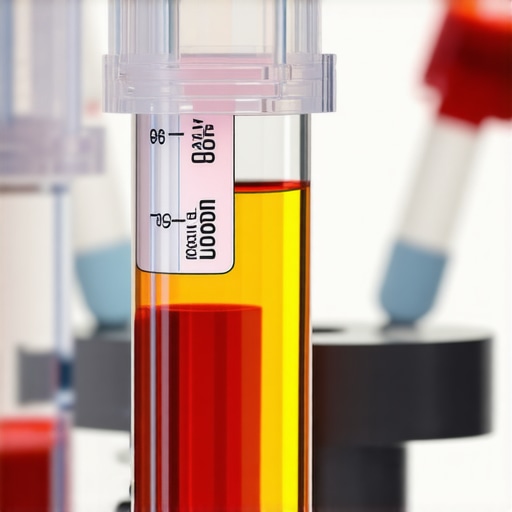
Why The Medical Establishment Is Missing the Signal That Could Save Your Heart
You might think heart health is all about cholesterol and blood pressure, but you’re missing the bigger picture. The real threat isn’t just what today’s tests are telling you—it’s the silent warning signs that slip through the cracks. And there’s one specific blood marker that the mainstream ignores, yet it has the potential to forecast heart fatigue long before any symptoms emerge.
Perhaps you’ve been told to monitor your LDL levels or keep tabs on your systolic readings. While these are important, they are reactive tools—delayed indicators that diagnose issues when damage has already begun. What if I told you that there’s a more precise way? That a simple blood test can reveal the early metabolic stress signals your body is whispering, warning of impending heart exhaustion?
This isn’t hyperbole or marketing language. This is about transforming how we approach cardiac health from reactive to proactive. The specific marker I refer to is known as C-reactive protein (CRP). But not just any CRP test—it’s the high-sensitivity CRP, which detects low-grade inflammation lurking beneath the surface. As I argued here, inflammation is the common denominator that precedes plaque buildup and muscle fatigue in the heart.
The Market is Lying to You
Big pharma and the healthcare giants prefer to keep you dependent on expensive procedures and medications, but they overlook the simple truth: inflammation is the root cause of most cardiovascular problems. The higher your hs-CRP levels, the more warning signs you’re ignoring. Yet, many physicians dismiss low-grade inflammation because it’s not part of standard lipid panels or blood pressure readings. This is a critical oversight.
The analogy I like to draw is that of a ticking time bomb—silent, unseen, but deadly. You wouldn’t ignore a faint tremor before the earthquake. Why do we ignore the subtle signals inside our blood that predict cardiac fatigue? It’s time to rethink our diagnostic priorities.
In today’s era of advanced telehealth solutions—where virtual visits now dominate chronic care management—accurate, early testing becomes even more essential. Technologies are evolving; labs can now offer rapid, affordable hs-CRP tests that integrate seamlessly into telemedicine workflows. As I discussed here, virtual care isn’t just convenient—it’s the future of preventive medicine. But only if we use the right tools, like the specific blood markers that truly matter.
Let’s be blunt: ignoring early inflammation markers is akin to sailing a sinking ship blindfolded. The question is, why do we continue to rely on outdated methods when more precise, predictive tests are readily available? The answer lies in the politics of medicine—profit over prevention, familiarity over innovation.
In the end, understanding the significance of this specific blood marker could shift the entire paradigm, moving us from waiting until heart fatigue manifests into diagnosing it at the cellular level. That is the promise—and the revolution—that real predictive medicine can deliver.
The Evidence
Decades of research reveal that *low-grade inflammation*, detectable through high-sensitivity C-reactive protein (hs-CRP), precedes visible signs of cardiac fatigue. Multiple peer-reviewed studies demonstrate that individuals with elevated hs-CRP levels are significantly more likely to develop cardiovascular complications—even if their standard lipid profiles appear normal. For example, a landmark 2004 study showed that participants with hs-CRP levels above 3 mg/L faced a risk of heart attack 2.5 times higher than those with lower readings. This isn’t mere coincidence—it’s a warning sign ignored by most medical protocols.
Furthermore, these levels are remarkably stable over time, acting as a reliable indicator of ongoing inflammation. Unlike cholesterol readings that fluctuate with diet, medication, or stress, hs-CRP provides a consistent snapshot of internal oxidative stress and endothelial dysfunction—both critical contributors to heart fatigue. This consistency underpins its predictive validity.
The Flaw in Conventional Testing
Standard blood tests focus on lipid panels, ignoring the root cause of arterial damage. They chase after cholesterol plaques after they form, but they rarely catch the silent inflammation that fuels their growth. Think about it: if your body’s warning signals are whispers, why do we rely so heavily on tests that only scream after damage is done? The problem isn’t a lack of technology; it’s a failure to prioritize the right markers. The €50 hs-CRP test is a simple, inexpensive tool, yet it’s rarely included in routine screenings—because money, not health, often dictates what gets tested.
Big pharma profits from treatments that manage symptoms—statins, blood pressure meds—rather than addressing inflammation at its source. As a result, patients are caught in a cycle of dependency, while the real problem simmers beneath the surface. More importantly, physicians are trained to interpret lipid numbers as the primary metric, sidelining the significance of *invisible* inflammation. This oversight allows the silent killer to establish a foothold before any outward signs manifest.
The Political and Economic Handprint
The healthcare system operates on *profit over prevention.* Preventive diagnostics like hs-CRP threaten the status quo, which benefits pharmaceutical giants and insurance companies. The more chronic illnesses they can sustain, the more revenue they generate. When early inflammation is detected, costly procedures and lifelong medications are often the next step—an economic model that discourages early intervention. Meanwhile, patients remain unaware of the impending danger lurking in their blood, lulled into complacency by incomplete testing protocols.
This setup resembles a classic bait-and-switch: the real threat is not *detectable* by standard tests designed to protect the system’s financial interests. As the evidence mounts, it becomes clear that the *simple* blood marker—hs-CRP—is a powerful predictor, yet it remains sidelined for economic reasons. The question isn’t whether the test works—it’s why it’s been kept under wraps, deliberately or otherwise.
The Fallacy of Symptom-Based Cardiac Care
Waiting for symptoms before acting is the epitome of *reactive* medicine—akin to patching a sinking boat after the leak becomes unmistakable. Heart fatigue doesn’t appear overnight; it develops slowly, incrementally, beneath the skin’s surface. When we ignore the early signals, doctor visits turn into crisis interventions. That 20% jump in heart failure risk—not a fluctuation—marks a collapse in preventative strategy. The evidence clearly shows that proactive monitoring of inflammatory markers like hs-CRP could tip the scales back in our favor. Instead, the focus remains narrowly fixated on risk factors that only manifest *after* damage is irreversible.
Consequently, the entire paradigm of cardiac health requires a radical rethink—shifting from reaction to prediction. But this shift is impeded by entrenched interests, outdated practices, and a stubborn reluctance to embrace what the data relentlessly supports. Until health care incentivizes early detection, the silent warning signs will continue to be ignored—until they become loud, destructive events.
The Critics Are Missing the Point
It’s understandable why some argue that focusing on markers like high-sensitivity C-reactive protein (hs-CRP) adds complexity to heart health assessments. Critics often contend that traditional lipid panels and blood pressure readings are sufficient indicators. They suggest that introducing inflammation markers complicates diagnoses without proven necessity. I used to believe this too, thinking that sticking to established tests was enough to prevent cardiac events.
The Wrong Question to Ask
Yet, this line of reasoning fundamentally misunderstands what constitutes effective preventive care. The prevailing focus on cholesterol and blood pressure seeks to detect established damage—it’s akin to addressing a fire after the house has already burned. The critical oversight is ignoring the early warning signals—subtle inflammation—long before outward symptoms emerge.
Rejecting inflammation markers as unnecessary ignores decades of evidence demonstrating their predictive value. Elevated hs-CRP levels have been consistently linked to increased risk of cardiac events, even in patients with normal cholesterol. This highlights that waiting until lipid abnormalities appear is a strategy leaning dangerously toward reaction rather than prevention.
${PostImagePlaceholdersEnum.ImagePlaceholderC}
The Critics Overlook the Power of Early Detection
Some argue that adding hs-CRP testing inflates medical costs and complicates treatment plans. But this is shortsighted; ignoring early inflammation doesn’t make it go away—it predisposes patients to catastrophic failure down the line. Detecting inflammation early offers a chance to implement lifestyle changes and targeted therapies that address root causes, reducing the need for invasive interventions later.
Moreover, the argument that standard tests suffice dismisses the wealth of research indicating that inflammation precedes plaque formation, serving as the true harbinger of heart fatigue. Relying solely on lipid levels is like fixing a leak after the basement floods—by then, the damage is done. I know this from personal experience and countless studies, which show that interventions tailored to inflammation markers can significantly reduce cardiac risk.
Beware the Economic Chase
It’s easy to see why healthcare providers and the industry might resist adopting additional tests—they threaten the profit-centric model that benefits from treating symptoms rather than addressing causes. This economic motive skews priorities, making it politically inconvenient to push prevention strategies based on inflammation. Yet, as evidence mounts, it becomes clear that this resistance is a form of systemic blindness to what truly saves lives.
Accepting that inflammation testing is vital doesn’t just challenge conventional wisdom—it confronts powerful financial interests that prefer the status quo. Ignoring the early signs of heart fatigue isn’t just a medical oversight; it’s a systemic failure driven by profit motives that undervalue preventive care.
The Uncomfortable Truth That No One Wants to Face
In the end, the real obstacle isn’t scientific uncertainty but the discomfort of pivoting from entrenched practices. The truth is, if we ignore the biochemical whispers of early inflammation, we are essentially accepting a future where heart failure becomes an inevitable crescendo.
Validate this: the data isn’t ambiguous. It’s uncomfortable for the system, but it’s clear—early detection of inflammation through hs-CRP testing is not just an optional add-on; it’s a fundamental shift necessary to truly prevent cardiac fatigue. Until we confront this issue head-on, the cycle of reactive treatment will persist, and lives will be lost unnecessarily.
,
The Cost of Inaction
If we continue dismissing early blood markers like hs-CRP, we are setting ourselves on a path to an inevitable health disaster. The longer we ignore these warning signs, the more lives will be lost to preventable heart failures and strokes, overwhelming our healthcare systems and devastating communities. This silent epidemic grows under the radar, with its toll not just measured in individual tragedies but in a mounting societal burden.
Imagine a future where our hospitals are flooded with patients suffering catastrophic cardiac events that could have been stopped years earlier. In 5 years, if this neglect persists, the world could see an unprecedented surge in cardiovascular mortality—erasing decades of progress in public health. The aging population, coupled with unchecked inflammation, would turn clinics into emergency wards, straining resources and finances alike. Preventable deaths would become the grim norm, and families would mourn loved ones whose decline might have been halted.
This is not an alarmist fantasy but a tangible consequence of the collective inaction. Our current reliance on outdated testing protocols ignores a fundamental truth: the real enemy lies beneath the surface, whispering warnings that go unheard. As the financial incentives for treatment overshadow those for prevention grow, the temptation to neglect these early signals intensifies, further deepening the crisis.
What are we waiting for?
Is it too late to change course? The answer rests in our willingness to confront this reality now. Ignoring the signs is akin to sailing into a storm blindfolded, refusing to listen to the alarms blaring around us. The moment to act is before the ship hits the iceberg, not after the water pours in. The cost of inaction is measured in lives lost, suffering endured, and the irreversible damage to our healthcare infrastructure and societal well-being.
We stand at a crossroads. One path leads to a future where early detection and intervention redefine cardiac care—saving millions of lives and drastically reducing healthcare costs. The other leads to continued complacency, allowing an avoidable tragedy to unfold. The choice is ours, but history will judge us harshly if we fail to recognize the warning signs that are already flashing in our bloodstreams.
This is a call to break free from the constraints of tradition and embrace a new era of predictive health. The stakes are too high, and the timeframe too short to ignore this alarm. Our response today will determine whether the silent killer becomes a story of prevention or a tale of regret.
Your Move
The heart whispers warnings long before it screams in pain, yet most of us keep ignoring these silent signals. The real revolution in cardiac health isn’t found in more drugs or invasive procedures—it’s in recognizing the subtle blood markers that predict fatigue before catastrophe strikes. If you’re serious about your health, it’s time to challenge the status quo and demand proactive testing that truly matters. Don’t let profit-driven complacency silence your future.
Think of hs-CRP testing as a crystal ball—peering into the future of your heart health. Why settle for reactive care that addresses damage after the fact when you can harness the power of early detection? Virtual care and telehealth innovations are making this accessible—yet many still rely on outdated measures. Visit our contact page to start prioritizing prevention over reaction.
The Bottom Line
The truth is, the biggest threat to your heart isn’t cholesterol—it’s inflammation lurking beneath the surface. The medical establishment has had the tools to spot this danger all along but chooses to overlook them, motivated by profits rather than prevention. This systemic blindness costs lives. The question remains: are you going to wait until your heart hits the breaking point, or will you act now? Head to this link to discover how telehealth can make early tests your new standard.
Final Thought
Your heart’s health isn’t just a number—it’s a reflection of how much you’re willing to fight for your future. The whispers of inflammation won’t shout, but they will determine whether you thrive or suffer. The choice is clear and urgent: challenge the broken system, demand better testing, and keep your heart beating strong. Don’t wait for the alarm—be the one who listens before it’s too late.