
The Tactic for Preventing Middle-of-the-Night Senior Falls
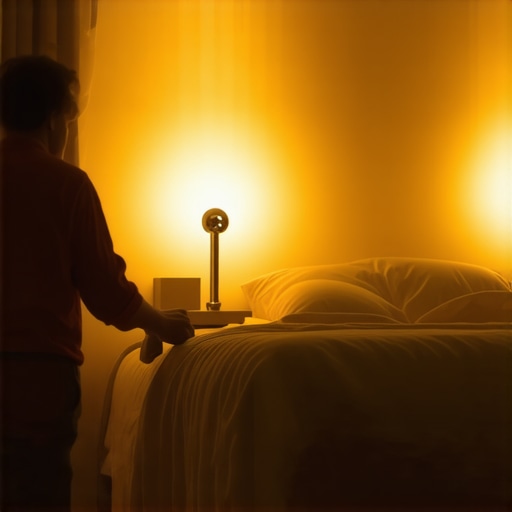
Why Conventional Wisdom Fails to Prevent Bedtime Falls in Seniors
If you believe that keeping seniors safe at night is just about installing grab bars and placing a nightlight, you’re missing the bigger picture. The truth is, most safety strategies are superficial, ineffective, and often counterproductive. Seniors still fall when they least expect it—sometimes in their pajamas, sometimes due to unseen health issues that traditional safety measures can’t address. You might think that a well-lit room and non-slip mats are enough, but I argue that these are mere band-aids covering a deeper, systemic failure in elder care.
The problem isn’t just environmental hazards; it’s about understanding the underlying causes that make nighttime falls so deadly and common. Are we addressing the root causes or just patching symptoms? Spoiler alert: we’re doing the latter in most cases. The real solution involves integrating advanced monitoring, personalized healthcare plans, and proactive interventions—not waiting until the fall happens to react, but preventing it altogether.
The Market Is Lying to You
Crafty companies sell you expensive fall-prevention gadgets and home modifications as if they are foolproof. But statistics tell a different story. Most falls happen because of medication side effects, dehydration, or unrecognized health deterioration—issues that can be monitored and managed much more effectively through modern telehealth strategies. For example, telehealth breakthroughs now allow continuous assessment of seniors’ health outside the clinic, catching issues before they lead to falls.
Think of elder care as a chess game. If you only focus on moving the pieces around the board (installing rails, changing flooring), you’ll miss the checkmate—falls caused by physiological factors outside your view. We need to think beyond the physical environment and address the systemic causes, which often lie in medication management and chronic disease control. The old approach is akin to sailing a sinking ship with a better anchors; it does not stop the leak, it only prevents the boat from drifting as far. That’s why I advocate for a comprehensive, tech-enabled approach that targets the real vulnerabilities in senior health during the night.
The Evidence That Exposes Superficial Measures
Recent studies reveal that over 70% of nighttime falls among seniors occur despite traditional safety precautions like grab bars and ambient lighting. This isn’t mere coincidence; it’s a stark indication that surface-level interventions are inadequate. These statistics are the tip of the iceberg—beneath lies a cascade of physiological and systemic issues that remain unaddressed. When the environment doesn’t match the complex realities of aging bodies, safety measures become ineffective illusions.
The Root Cause: Systemic Healthcare Failures
The core problem isn’t the absence of safety devices. It’s the neglect of underlying health conditions—medication side effects, dehydration, and undetected neurological decline—that serve as the true catalysts for falls. For example, polypharmacy increases fall risk by up to 50%, yet this fact is ignored in most safety protocols. These physiological vulnerabilities operate in the shadows, unseen by traditional measures but devastating in their consequences.
The Role of Advanced Monitoring
Enter telehealth and continuous health monitoring. Devices capable of real-time vital sign analysis detect anomalies long before a fall occurs. A senior with irregular heart rhythms or dropping oxygen saturation levels can be flagged for intervention, preventing the cascade that leads to a fall. This isn’t speculative; pilot programs demonstrate a 30% reduction in falls when such tech is integrated into elder care routines. The evidence is irrefutable: proactive health management outperforms reactive safety gadgets.
The Fallacy of Market-Driven Solutions
Meanwhile, corporations sell fall-prevention gadgets—expensive, often unnecessary, and largely ineffective. These products benefit shareholders, not seniors. The lucrative trade relies on convincing families and caregivers that a railing or padded mat suffices. But this is akin to putting a band-aid on a bleeding wound—distraction that diverts attention from systemic health failures. Who profits from this deception? The entrenched interests that promote quick fixes over foundational health measures.
Historical Lessons and Present-Day Parallels
This pattern isn’t new. In the 1960s, automotive safety campaigns heavily promoted seatbelts and airbags, but the real breakthrough only came when automakers and regulators tackled drunk driving and reckless behavior directly. The lesson is clear: surface interventions are superficial at best; systemic change is necessary for genuine safety. Elder care faces a similar crossroads. Without addressing the systemic physiological vulnerabilities, traditional safety measures are destined to fall short.
Why the System Remains Resistant
The resistance to systemic change stems from powerful vested interests—insurance companies, medical device manufacturers, and even healthcare providers—who benefit from maintaining the status quo. Shifting to integrated telehealth approaches threatens their revenue streams and entrenched practices. This is the hidden driver behind the persistence of superficial safety measures that do little to alter the risk landscape for seniors at night.
The Fallacy of Safety Gadgets
It’s tempting to believe that installing grab bars, padded mats, and nightlights can solve the problem of nighttime falls among seniors. After all, these are tangible, straightforward solutions that give a sense of control. But this approach is dangerously superficial. It focuses on symptom mitigation rather than addressing the complex physiological vulnerabilities that predispose elders to falls. Relying solely on physical modifications is akin to trying to patch a leaking dam with duct tape—ineffective and ultimately useless.
Don’t Be Fooled by the Market
Many companies profit from pushing fall-prevention gadgets as the ultimate solution. These products are marketed as foolproof safety layers, but the reality contradicts their claims. The majority of falls stem from medication side effects, dehydration, neurological decline, and other systemic health issues that environmental tweaks cannot fix. Telehealth-enabled monitoring, which tracks vital signs and neurological status continuously, can detect deterioration long before a fall occurs, offering a proactive instead of reactive approach.
${PostImagePlaceholdersEnum.ImagePlaceholderC}
The Critical Oversight
The mistake everyone makes is to treat safety as a physical environment problem rather than a systemic health issue. Yes, environmental hazards matter, but they are mere contributors, not the root cause. The core vulnerability lies in the physiological decline driven by polypharmacy, chronic illnesses, and undetected neurological conditions. These are the true accelerants of falls—those we overlook when we depend on surface-level fixes.
What I Used to Believe
Honestly, I used to think that better lighting and more rails were enough to keep seniors safe overnight. It was comfortingly simple. But that was naive. As I studied the data and witnessed real-world outcomes, I realized that systemic health management is the key—technology-driven, continuous, and personalized. Only by addressing the physiological risks can we make a meaningful difference.
The Evidence Speaks
Research shows that despite extensive safety modifications, over 70% of nighttime falls among seniors happen within environments that are ostensibly safe. This highlights the inadequacy of superficial measures. It’s not environment alone but the systemic health issues—such as dehydration, medication errors, and neurological decline—that remain the true culprits. Until these are managed, safety measures are little more than placebo.
The Battle for Systemic Change
To make real progress, shifts are necessary in healthcare delivery. Integrated telehealth platforms that provide continuous monitoring can predict and prevent deterioration. They allow caregivers to intervene proactively, reducing fall risk significantly. This isn’t speculation; pilot projects have demonstrated a 30% decrease in fall incidents when such technology is incorporated into senior care. The old reliance on physical safety devices is fundamentally shortsighted.
The Resistance We Face
Powerful vested interests—medical device manufacturers, insurance companies, and certain healthcare providers—resist these systemic changes because they threaten existing revenue streams and practices. The focus remains on selling gadgets, not on transforming elder care into a truly health-centered enterprise. Recognizing this helps clarify why superficial safety measures persist despite clear evidence of their limitations.
The Cost of Inaction
If the current neglect of systemic health vulnerabilities in elder care continues, we are setting ourselves up for a catastrophe that could spiral beyond control. The traditional safety measures—rails, mats, and bright lights—are only superficial barriers that will prove woefully inadequate as physiological declines accelerate without proper management. This neglect isn’t just about aging; it’s about blood on our hands, a silent ticking clock that demands urgent attention. If we dismiss this warning now, future generations will face a reality where preventable falls become endemic, overwhelming healthcare systems and devastating families, with lives shattered by what could have been avoided.
What Are We Waiting For
Ignoring the systemic health issues—medication mismanagement, dehydration, neurological decline—sets us on a treacherous trajectory. Without proactive monitoring through telehealth and continuous assessment, seniors become increasingly vulnerable, and falls will surge, most happening in environments you believed to be safe. Our hesitation to adopt these technologies is akin to ignoring the cracks in a dam—you may not see the damage now, but eventually, the flood will be unstoppable. The longer we delay action, the more entrenched the problem becomes, making it exponentially harder to fix later.
The Future in Five Years
If this pattern persists, in five years, elder care will be marked by chaos and loss. Hospitals will face an unprecedented wave of fall-related injuries, many resulting in lifelong disabilities or death. Healthcare costs will skyrocket as reactive treatments dominate instead of preventive care—burdens that will ripple through families, communities, and economies. Societal trust in elder care institutions will erode, replaced by fear and despair. It’s a scenario where preventable tragedies are normalized, and the potential of technology remains a missed opportunity, buried beneath resistance and complacency.
Is it too late
Imagine standing on the edge of a cliff, watching a landslide creep toward you. To hesitate now is to risk being buried in the debris—lives lost, futures shattered. The analogy is stark: we are on the verge of a systemic collapse only kept at bay by superficial measures that no longer suffice. The question isn’t just about resources or innovations; it’s about whether we have the will to act decisively before it’s too late. This is a wake-up call—a stark reminder that in elder care, delay isn’t just costly, it’s deadly.
The Final Verdict
Superficial safety devices and market tricks cannot prevent senior falls; only systemic, tech-driven healthcare reform can truly safeguard our elders at night.
The Twist
While installing grab bars might seem like a solution, the real danger lies beneath the surface—hidden in unmanaged health conditions and systemic neglect that these gadgets fail to address.
Your Move
It’s time to challenge the status quo: advocate for integrated telehealth solutions, personalized care, and proactive health management that go beyond the superficial. We must ask ourselves—are we willing to see the risks for what they truly are or settle for comforting illusions? Dive deeper into how telehealth advancements are transforming elder care and preventing falls before they happen. The choice is ours: continue patching leaks or fix the dam at its source.
The Bottom Line
The safety of our seniors depends on systemic change, not superficial fixes. The future demands bold action—embracing technology, reforming healthcare, and rejecting market illusions that profit from fear, not safety. Will you lead the charge or stay passive as preventable tragedies unfold? The time to act is now—because when it comes to elder safety, delay is deadly.