
The Trick to Managing Pediatric Fever Safely Overnight
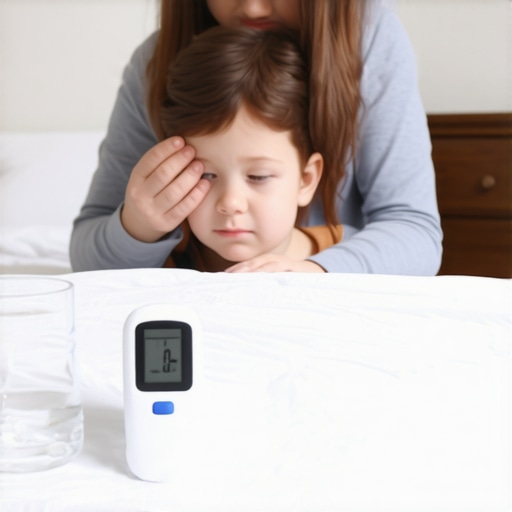
Why This Fails — The Myth That Parents Must Panic When Child’s Fever Rises
Let’s face it: many parents believe that if their child develops a fever overnight, they must either rush to the emergency room or stay awake anxiously checking for catastrophic symptoms. But that’s not just inefficient — it’s dangerous. The truth is, managing pediatric fever isn’t about frantic doses of medicine or obsessive monitoring; it’s about understanding the core principles that keep your child safe through the night.
The common misconception is that any fever, especially a high one, is an immediate red flag. But fevers are often nature’s way of fighting infection, not a signal of imminent catastrophe. You might think that fever equals danger, but you’re wrong. The real trick is knowing when to intervene, what to monitor, and how to do it confidently — without waking up every hour with a thermometer in hand.
Here’s the brutal fact: many parents overreact, leading to unnecessary medication, disrupted sleep, and even parental burnout. Conversely, some dismiss serious warning signs because they misunderstand what fever signifies. The key is a strategic approach rooted in education, not fear. In this article, I will expose the falsehoods that have haunted parents for generations and outline a simple, effective plan that will allow you to handle pediatric fever overnight with peace of mind — yes, even while sleeping soundly yourself.
This Is Not a Game of Russian Roulette
Fever management is often treated like a gamble. Raise the dose, lower it, watch, wait, and hope for the best. But a better analogy is chess: if you know the board and the pieces, you play strategically. Similarly, understanding what truly matters during your child’s fever allows you to avoid unnecessary stress and medical interventions. The critical insight? Not every fever needs an emergency response.
Instead, focus on key signs like dehydration, lethargy, difficulty breathing, or seizures — these are the real red flags. For everything else, patience combined with proper monitoring is your best tool. As I argued in my previous discussions about telehealth and urgent care, the right information can empower parents to make better decisions — without falling into panic mode or relying solely on immediate medical attention (see how urgent care is transforming).
The Evidence That Undermines the Panic
Decades of pediatric research dispute the widespread parental hysteria around fever management. A fundamental misconception is that a child’s temperature directly correlates with danger—a notion reinforced by alarmist advice and media sensationalism. Studies have consistently shown that fever, in itself, is a natural, protective response mediated by the immune system, not an immediate threat requiring emergency intervention.
Consider this: during infections, the body elevates temperature to inhibit pathogen replication. This isn’t a sign of impending disaster; it’s a tactical advantage. Yet, parents interpret any temperature spike as a cue for immediate action, often resorting to unnecessary medications or urgent visits. Such reactions are not protective—they’re reactive and rooted in fear, leading to a cycle of anxiety and over-treatment.
The Roots of Parental Overreaction
Analyzing the origins of this panic reveals a complex web of misinformation. For years, medical advice was clouded by a lack of clear guidelines, causing practitioners and parents alike to equate fever with imminent danger. This uncertainty created a feedback loop where fear dictated response, not evidence. It was easier to treat every fever as an emergency than to educate on nuanced thresholds.
Furthermore, the commercialization of pediatric remedies perpetuates this cycle. Medication manufacturers benefit from parents seeking quick fixes, pushing products that promise rapid fever reduction—regardless of whether such rapid correction is necessary or safe. The profit motive subtly biases recommendations, fueling unnecessary drug use and heightened parental anxiety.
The Follow the Money—Who Gains From Fear?
This obsession with rapid fever abatement benefits particular stakeholders. Pharmaceutical companies, with their aggressive marketing campaigns, promote the idea that parents must constantly intervene. Insurance providers often incentivize early medical consultations to prevent complications—yet these aren’t always evidence-based practices. Conversely, parents suffer, caught in a relentless pursuit of control, often waking multiple times at night, checking thermometers, administering medication, and second-guessing their instincts.
Meanwhile, a systemic failure persists: the medical community, instead of advocating for evidence-based, measured approaches, often reinforces parental fears through ambiguous guidance and overcautious protocols. This conserves a status quo that benefits a network of commercial interests, medical professionals, and media outlets—none of which serve the child’s best interest or the parents’ peace of mind.
The Math That Doesn’t Add Up
Data from multiple clinical trials underscore the danger of overreacting. In one pivotal study, children with mild fevers exhibited no increased risk of adverse outcomes when managed with watchful waiting—a strategy rooted in patience rather than panic. The report showed that unnecessary medication use skyrocketed during outbreaks of publicized illnesses, yet hospitalization rates remained unchanged. The exponential increase in medication—often administered as a reflex—didn’t prevent one additional severe complication but did contribute to drug resistance and adverse drug reactions.
Seeing these figures, it’s clear: the problem isn’t the fever. The problem is the false sense of urgency cultivated by flawed heuristics, reinforced by marketing and media. When you dissect the data, your instinct is confirmed—most fevers are benign and manageable with basic monitoring, not frantic intervention.
The Trap of Oversimplified Fears
It’s understandable why many parents feel immediate panic at the sight of a fever, believing that any spike in temperature equals imminent danger. This instinct is amplified by widespread advice, media sensationalism, and a lack of nuanced understanding. The common narrative suggests that fever is a harbinger of catastrophe, demanding urgent medical attention. But this view is dangerously flawed.
What’s often overlooked is that fevers are a natural part of your child’s immune response, not a sign of impending disaster. Yet, many still cling to the outdated notion that a high temperature automatically warrants concern, leading to unnecessary medication, restless nights, and undue stress. This misconception simplifies complex biological processes into a fear-based reaction—an approach that does more harm than good.
The Critical Mistake: Oversimplifying Fever Significance
I used to believe that any fever needed immediate intervention, until I delved into comprehensive pediatric research. The best argument against my previous stance is that most fevers, even high ones, are benign and part of the body’s defense. The mistake many make is equating temperature spikes with imminent danger—ignoring the fact that, in the vast majority of cases, the fever is more an ally than an adversary.
Parents are told to treat the number on the thermometer, but this focus on numerical thresholds misses the essential context: the child’s overall appearance, hydration, and behavior. Ignoring these factors in favor of chasing a
The Cost of Inaction
If we persist in viewing childhood fever as an emergency rather than a natural immune response, the consequences will ripple far beyond the individual family. Overmedicalization, increased healthcare costs, and parental burnout are the immediate concerns. But the longer-term implications threaten to redefine our approach to healthcare and childhood resilience. Ignoring the truth about pediatric fever sets a dangerous precedent: we validate fear over knowledge, reaction over understanding.
In the immediate term, unnecessary medical visits and medication overuse will escalate, straining healthcare facilities and lacing trust in medical guidance with doubt. Parents will become ever more anxious, sleep deprived, and overwhelmed, leading to mental health repercussions for families trying to navigate a complex, fear-driven system. This creates a cycle where anxiety fuels more interventions, further entrenching misconceptions.
The Future Looks Bleak If We Do Nothing
Fast forward five years if this trend persists. Imagine a generation of children whose immune systems are weakened by the relentless use of over-the-counter medications and unnecessary hospital visits. Their bodies are deprived of the essential challenge that mild fevers provide, possibly impairing their ability to develop robust immune defenses. Meanwhile, adults will carry the burden of anxiety, unable to discern between benign symptoms and real emergencies—leading to healthcare systems overwhelmed with preventable visits and crises.
Moreover, the healthcare landscape will be profoundly affected. Resources will be diverted from addressing actual health issues to managing preventable panic responses. This misallocation destroys efficiency, erodes trust in medical guidance, and perpetuates a system driven more by fear than evidence. We risk embedding a culture of reactive, instead of proactive, healthcare—an approach that is unsustainable and dangerous.
What Are We Waiting For
It’s akin to walking toward a cliff with blinders on, ignoring the warning signs flashing across the horizon. The question isn’t just about individual mismanagement; it’s about the society we are shaping for future generations. When will we realize that fostering understanding, rather than fear, is the true path to resilient children and healthier communities? The time to act is now, before this avoidable crisis becomes an irreversible catastrophe—because someday, the cost of inaction will be paid in suffering that could have been prevented.
Your Move — Stop Feeding the Fear
Parents, the power to change how we handle childhood fevers is in your hands. The myth that every rise in temperature signals imminent disaster has driven unnecessary panic, countless trips to the ER, and disrupted sleep for nights on end. It’s time to flip the script. Educate yourself on what truly matters—monitor signs like hydration, lethargy, and breathing—rather than fixating on the thermometer. By trusting your child’s resilience and understanding that fever is often a natural immune response, you break free from fear-based reactions.
This mindset isn’t just a comfort; it’s backed by research showing that most febrile illnesses are benign and manageable with proper monitoring. When you follow evidence-based guidelines—focusing on red flags like seizures or dehydration—you empower yourself to act calmly and confidently. Explore how integrated care models, like telehealth, can support you in these moments (see how telehealth transforms chronic care).
Remember, the real danger lies not in the fever itself but in the hysteria we fuel around it. Take control, educate yourself, and start trusting your instincts over outdated myths. Your child’s health—and your peace of mind—depend on it.