
3 Lab Tests to Monitor if You Are on a Keto Diet
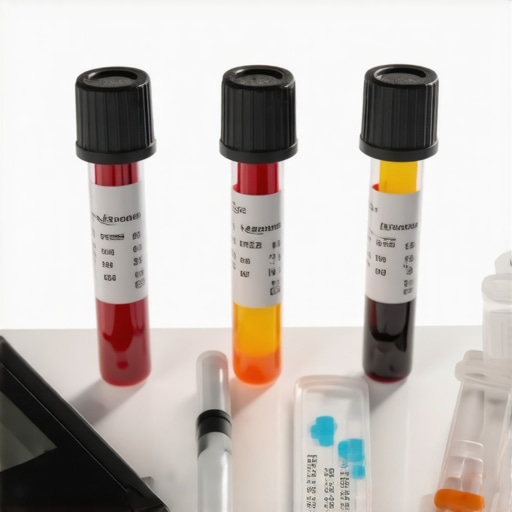
The Myth of Safe Ketosis and Why You Can Still Be Ignoring Critical Health Signs
You might think that embarking on a ketogenic diet is a foolproof way to shed pounds and boost energy. After all, aren’t we told keto is the ultimate health hack? But the reality is far more complex—and dangerous—if you don’t keep your eye on the right data points. The truth is, keto isn’t a magic potion; it’s a metabolic experiment that demands vigilant monitoring. And yet, countless followers simply trust the process without evidence—blindly playing a game of nutritional roulette. So, why are we still ignoring the essential lab tests that can make or break this diet’s success?
I argue that if you’re serious about keto, you need more than just a scale and some online advice. You need to get real, tangible data from your blood. Because without it, you’re flying blind, risking deficiencies, metabolic issues, or worse. Think of it like navigating a sinking ship—without instruments, you’re just guessing where the safety lines are. These tests are your sonar, your compass—your last line of defense against silent health crises.
The Market is Lying to You
Many people assume that sticking to keto automatically means health. But that’s a seductive illusion, fueled by marketing hype and outdated science. The truth? Your body is a complex machine that reacts uniquely, and a one-size-fits-all approach is a recipe for disaster. You wouldn’t ignore warning lights in your car, so why ignore signals from your own body? Routine blood tests can reveal deficiencies in key nutrients, imbalances in electrolytes, or rising blood sugar levels—yet most avoid testing until health problems become undeniable.
It’s not just about losing weight; it’s about maintaining a sustainable, health-preserving lifestyle. As I argued in why your blood work for heart health is only half the story, absence of symptoms doesn’t mean absence of damage. The hidden issues run deep, lurking beneath the surface, waiting to erupt.
Stop Doing This and Start Monitoring
If you’re on keto, the first step toward safety is regular keto-specific lab tests. Not just a standard CBC or cholesterol panel, but targeted markers that tell the real story. So, what should you track? I’ll give you the top three, and trust me, neglecting these is like ignoring a ticking time bomb.
The Hidden Truth Behind Blood Tests and Keto Safety
Many embrace the ketogenic lifestyle with zeal, convinced that low-carb, high-fat dieting is inherently safe. But beneath the surface lies a troubling reality: without targeted, evidence-based blood testing, followers are navigating a minefield blindfolded. The problem isn’t simply ignorance; it’s systemic negligence rooted in misguided assumptions and unchecked marketing claims.
The Pitfalls of Relying on Assumptions, Not Data
Historically, diets lacking rigorous monitoring have led to disastrous consequences. For instance, during the high-fat craze of the early 2000s, thousands suffered from increased cholesterol, liver issues, and nutrient deficiencies, all because they trusted superficial signs—weight loss or energy spikes—without real lab evidence. Fast forward to today, and the same pattern repeats. People deceive themselves into believing that rapid weight loss equals improved health, but in reality, silent deficiencies and metabolic derangements are mounting behind the scenes.
The Root Cause: Ignoring Targeted Biomarkers
The root of the issue is not keto itself but the *absence* of specific, measurable markers. Standard blood panels—like a basic CBC or lipid profile—fail to catch early warning signs of ketosis-induced harm. The true danger lies in neglecting tests like magnesium levels, insulin sensitivity, or markers of inflammation, which offer concrete insights into metabolic health. This oversight isn’t accidental; it’s a consequence of misinformation fueled by industry profits. Companies selling supplements or keto products lack incentive to highlight potential pitfalls, so they emphasize quick results while dismissing the need for evidence-based tracking.
The Financial Incentive: Who Benefits?
The real beneficiaries are those who profit from the status quo—clinics selling unnecessary supplements, influencers promoting a
The Critics Will Say It’s Overkill to Monitor Every Ketogenic Marker
It’s easy to understand why some argue that regular blood testing for keto isn’t necessary, especially when many health professionals and influencers emphasize the simplicity of following a low-carb diet without constant laboratory scrutiny. They might contend that if you’re feeling good and losing weight, why bother with invasive tests or additional expenses? This perspective appeals to our desire for convenience, dismissing the complex and often hidden nature of metabolic health issues.
But that line of reasoning is dangerously shortsighted and ignores the silent threats lurking beneath the surface. Relying solely on symptoms or superficial indicators can be a costly oversimplification. The truth is, your body is a sophisticated machine capable of masking serious deficiencies and metabolic derailments until irreversible damage occurs. As I used to believe too, until I experienced firsthand how easily gaps in health monitoring can lead to catastrophe.
The Flawed Assumption of Symptom-Free Health
Many assume that if they feel energetic, have no glaring symptoms, and see initial weight loss, their health trajectory is secure. This is a tempting but deceptive shortcut. Silent deficiencies in magnesium, potassium, or vitamin D can coexist with seemingly normal blood tests and yet profoundly impact long-term health. Lipid profiles might look acceptable, but without measuring insulin sensitivity, you remain blind to developing insulin resistance—arguably the hidden marker of metabolic decline. This narrow focus on obvious symptoms neglects the nuanced conversations your body is already having beneath your radar.
In fact, routine screening often fails to capture the nuanced progression of metabolic issues. That’s why targeted testing becomes essential. Without it, you’re essentially trusting a dashboard that only displays a fraction of your vehicle’s actual health status.
Challenge to the Conventional Wisdom
The Cost of Inaction
If we continue down this path of neglecting essential laboratory monitoring, we’re orchestrating a future filled with preventable health crises. Silent deficiencies and metabolic imbalances don’t announce their arrival with pain or obvious symptoms; they sneak in unnoticed, quietly sabotaging our health and draining our resources. The longer we ignore these warning signs, the more we set ourselves up for a cascade of medical emergencies, increased healthcare costs, and diminished quality of life. This isn’t just a personal issue—it’s a societal ticking time bomb that threatens to overload our healthcare systems with preventable conditions.
A Choice to Make
We stand at a crossroads where our choices today will define our health landscape in five years. If we choose complacency, we gamble with our future, risking irreversible damage from conditions like insulin resistance, nutrient deficiencies, and cardiovascular diseases. Conversely, proactive monitoring—embracing regular, targeted blood tests—can serve as an early warning system that saves lives and preserves vitality. It’s a moral imperative to prioritize preventative care over reactive treatment, shifting the focus from crisis management to long-term wellness. Because if we ignore the signs now, the cost will be paid later—with interest in health, finances, and well-being.
The Point of No Return
Imagine a ship sailing toward a reef, crewed by blind explorers relying only on visual cues. As the reef looms closer, the danger becomes undeniable—but only if they look up. For years, we’ve been sailing blindly, dismissing laboratory data that could have warned us about the approaching danger. Now, the question is—are we too late to change course? Or can we alter our trajectory before it’s too late? The answer hinges on whether we’re willing to confront the uncomfortable truth and take decisive action. Ignoring these critical signs today guarantees a future where health crises are no longer anomalies but expected outcomes—wreckage left in our wake.
For all the talk about keto being a miracle diet, the real danger lies in assuming safety without evidence. This myth of a risk-free metabolic transformation misleads many into blind trust, risking silent health crises that could have been caught early with proper lab tests. The key is not just in losing weight or feeling energetic, but in reading the often-ignored warning signs hiding beneath the surface. Relying on superficial indicators, like weight loss or energy levels, is akin to ignoring the dashboard lights in your car—until it’s too late. If you’re committed to keto, you need to arm yourself with concrete data, not assumptions.
The market and its influencers have a vested interest in selling hope, not safety. They promote the idea that keto is universally safe, bypassing the crucial step of monitoring biomarkers like magnesium levels, insulin sensitivity, or inflammatory markers. Without this targeted insight, followers are navigating a metabolic minefield blindfolded, risking deficiencies and long-term damage. This oversight isn’t accidental; it’s a systemic failure rooted in misinformation and profit motives. This connects to my argument in understanding the full scope of blood work, emphasizing that absence of symptoms does not mean absence of harm.
Some may argue that frequent testing is overkill, especially when symptoms are absent. But history shows us that silent deficiencies and metabolic derangements evolve slowly, often quietly sabotaging health before symptoms emerge. The real root cause is neglecting the importance of specific, measurable biomarkers that paint the complete picture of metabolic well-being. Relying solely on symptoms or basic panels is like reading only the speedometer in your car—missing out on critical data like oil pressure or engine temperature. Your move should be towards proactive, evidence-based monitoring for a safer keto journey.
Ignoring these signs today sets the stage for costly health crises tomorrow. Silent deficiencies and metabolic imbalances don’t announce their arrival with pain; they creep in gradually, draining resources and diminishing quality of life. The cost of inaction is higher than ever, and the time to act is now. Embracing targeted, regular blood testing isn’t just smart—it’s essential for anyone serious about true health. The future of telehealth offers us tools that make this monitoring accessible, affordable, and ongoing.
So ask yourself: Are you content playing nutritional roulette while your body quietly deteriorates? Or will you accept the challenge and demand concrete data to guide your health decisions? Because the real risk isn’t in keto itself—it’s in ignoring the silent signs that tell you you’re headed for trouble. Don’t be another victim of misinformation. Start taking your metabolic health seriously today, and question everything until you get the evidence you need.