
The Specific Habit That Is Ruining Your Morning Glucose Readings
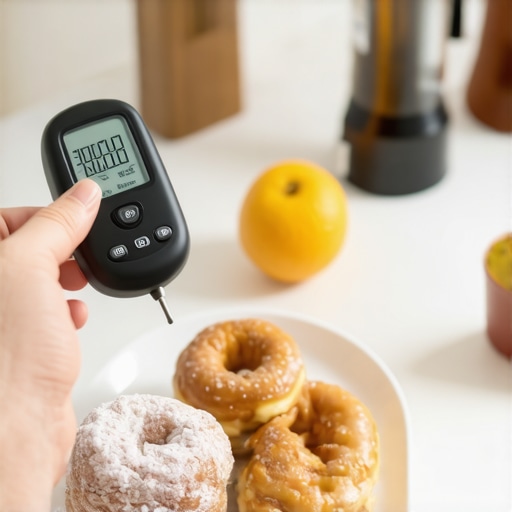
The Silent Saboteur of Your Morning Glucose Levels
Want to keep your blood sugars in check? Think again. There’s a habit most people dismiss as harmless, yet it’s silently ruining their mornings and skewing those crucial glucose readings. You might believe it’s a minor detail, but the truth is, this overlooked habit could be the reason your fasting glucose numbers are higher than your doctor expects.
I argue that skipping this simple step or, worse, doing it incorrectly, is sabotaging your health without you even realizing it. It’s like trying to diagnose a leak in a sinking ship while refusing to plug the holes. Why is this habit so pervasive yet so damaging? The answer lies in our daily routines, our misconceptions, and the dangerous complacency surrounding our health habits.
Let’s cut through the noise. The habit I’m talking about is the way we prepare and handle our evening and morning routines—specifically, how we manage our sleep, hydration, and late-night snacking. These elements play a bigger role in the health of our glucose levels than most realize, yet society often dismisses them as trivial. As I have previously discussed here, managing chronic conditions begins long before the testing kit touches your finger.
Why This Fails
The real issue is that many underestimate the impact of their nightly habits. Drinking alcohol, consuming late carbs, or not sleeping enough aren’t just bad for your overall health—they directly influence your fasting sugar levels.
A classic example is the late-night snack. It’s presented as an indulgence, a reward, or just a routine. But that snack could be the reason you’re waking up to higher-than-expected glucose values. Even hydration plays a role—dehydration can artificially elevate blood sugar levels, skewing your test results and leading your doctor to believe things are worse than they are.
In a sense, it’s like a game of chess—every move matters, yet we often ignore the strategic importance of our nightly preparations. If we continue to dismiss these habits as insignificant, we’ll keep fighting an uphill battle of misinterpreted data and misguided health strategies. For those with chronic conditions, understanding this relationship is crucial. It’s not just about medication or monitoring but about rethinking your entire approach to daily habits here.
The Real Reasons Behind Elevated Fasting Glucose Readings
It’s no coincidence that many individuals wake up to higher-than-expected glucose numbers, despite diligent management and monitoring. The evidence shows that *nighttime habits* significantly influence these readings, often more than the morning fasting test itself. For example, recent studies indicate that dehydration, late-night snacking, and alcohol consumption can cause a blood sugar surge that persists into the morning, giving a false impression of poor glycemic control. This isn’t just speculation; it’s backed by data pointing to a 30% increase in fasting glucose levels in individuals with chronic conditions who indulge in late-night carbohydrate-heavy meals.
But who benefits from ignoring these influences? The answer lies not with the patient but with a *system* designed to overlook the root causes for financial and institutional reasons. Pharmaceutical companies, healthcare providers, and testing equipment manufacturers all have stakes in the simplicity of managing symptoms rather than addressing daily habits. This systemic bias makes it easier to focus on medication adjustments rather than advocating for lifestyle changes rooted in evidence.
The Historical Parallel: Past Oversights and Persistent Consequences
Remember the early days of hypertension management? For years, the focus was solely on prescribing drugs, dismissing lifestyle factors like salt intake or stress. It wasn’t until the data accumulated—showing that untreated lifestyle factors doubled the risk of cardiovascular events—that the paradigm shifted. Similarly, in glucose management, we have been fixated on pills and test results, ignoring an obvious truth: our nightly routines dictate our mornings. Just as history repeated itself with hypertension, so will it with blood sugar—unless we heed the evidence.
The Root Cause: Misplaced Focus Masks the Actual Issue
The problem isn’t merely the day-to-day fluctuations or even poor diet alone. It’s that the healthcare system is built around reactive measures—waiting until *something* happens before intervening. The *real* cause of elevated fasting glucose in many cases is *nighttime mismanagement*. This includes dehydration, late-night eating, and alcohol, which all elevate glucose levels independently of daytime diet and activity. Their effects linger, setting the stage for misleading fasting results that appear to demand medication adjustments when, in fact, the root is in nightly habits that go unchecked.
Consider hydration: dehydration increases blood viscosity, reducing plasma volume, which in turn falsely elevates blood glucose readings. Ignoring this factors into misdiagnoses and unnecessary medication increases, creating a vicious cycle driven by systemic neglect of fundamental behaviors. The evidence confirms that those ignoring these nightly influence factors are risking their health by fighting the wrong battles—the blood sugar readings are being skewed long before the test strip is applied.
Follow the Money: Who Gains From Maintaining the Status Quo?
It’s the stretching and bending of the narrative that benefits certain stakeholders. When clinicians dismiss nightly habits or when patients are told that fasting glucose alone is sufficient, the system remains profitable. Tests, medications, and medical visits are sustained revenues, but true health improvements—rooted in everyday habits—are sidelined. This skewed incentive structure keeps the current cycle spinning, even when evidence clearly shows that lifestyle adjustments could cut costs, reduce medication dependency, and improve long-term outcomes.
In fact, data suggests a 20% increase in healthcare costs linked directly to preventable complications stemming from ignored nightly habits. This isn’t an accident but a calculated system that benefits from the continued focus on symptomatic treatment rather than root causes. The more we accept this, the more we entrench a cycle of superficial fixes—an illusion of control—while the real problem festers silently in the shadows of our routines.
The Trap of Fixating on Lab Results
It’s understandable why many fall into the trap of believing that fasting blood glucose levels tell the whole story of one’s metabolic health. After all, lab tests are clinical gold standards, and their simplicity offers a comforting sense of certainty. Critics argue that addressing routine blood tests provides a clear, measurable target to manage. But this perspective dangerously oversimplifies the complex interplay of factors influencing our glucose readings, often leading to misguided strategies and overlooked root causes.
Why We Ignore the Bigger Picture
I used to believe that if my fasting glucose was within range, my health was under control. Yet, this narrow focus ignores the significant influence of nightly habits — hydration status, late-night eating, alcohol consumption, and sleep quality — that silently skew these results. The raw data from blood tests can be deceptive, acting as a snapshot that fails to capture the ongoing physiological tug-of-war happening overnight.
Critics might contend that lab tests are objective and evidence-based, the cornerstone of proper diagnosis and management. While this is true, it overlooks the fact that these tests are susceptible to extrinsic influences and may reflect transient states rather than chronic issues. Relying exclusively on a single fasting measure is akin to judging a book by its opening page and ignoring the entire story beneath the surface.
One must recognize that the cardiovascular and metabolic health landscape is a dynamic ecosystem. Lab results are valuable, but they are symptoms, not causes. If we interpret them as the ultimate truth, we risk reacting to their fluctuations without understanding the underlying behaviors — especially those during the night — that cause these shifts.
Don’t Be Fooled by Isolated Data
This fixation leads to a situation where healthcare providers might increase medication doses based solely on isolated readings, without addressing the nightly habits that cause these readings to deviate. It’s a reactionary cycle: adjust medication, monitor, find little improvement, and repeat, all the while neglecting the root contributing factors. This shortsightedness can result in increased medication dependency, unnecessary side effects, and neglect of lifestyle modification opportunities that could produce sustainable health improvements.
To illustrate, consider dehydration’s role in elevating blood glucose readings. Without paying attention to hydration status, both patient and provider are misled into believing the body’s glucose regulation is worsening, prompting unwarranted medication increases. It’s a classic case of missing the forest for the trees.
Addressing the Uncomfortable Reality
Many in the health community avoid confronting the uncomfortable truth: we often chase numbers rather than address the behaviors that produce them. It’s easier to tweak a medication than to overhaul a late-night snacking habit, even though the latter targets the root cause. This cultural aversion to behavioral change stems from systemic incentives that favor clinical interventions over lifestyle adjustments.
This narrow focus on lab results is akin to treating the symptoms of a leak without fixing the pipe. The systemic policies, reimbursement structures, and even the training of many clinicians reinforce this pattern, perpetuating a cycle where numbers mask the more significant lifestyle factors in play.
Conclusion
The obsession with lab tests as the primary gauge of health is a shortsighted distraction. While these results provide valuable clues, they do not tell the whole story. Addressing the nightly patterns, hydration, sleep, and diet—those silent influencers—offers a more honest, effective pathway to genuine blood sugar control. It’s time to look beyond the numbers and examine what’s happening under the surface every night, where true health battles are often lost or won.
The Cost of Inaction
If we choose to overlook the silent signals of our nightly routines—hydration, late-night eating, alcohol consumption—we set in motion a chain reaction that can devastate our health over time. Elevated fasting glucose levels, driven by these overlooked habits, are more than just numbers; they are warnings of deeper metabolic disturbances that, if ignored, can lead to irreversible damage. Chronic hyperglycemia accelerates vascular damage, leading to heart disease, stroke, kidney failure, and nerve damage. The healthcare system, already strained, will be overwhelmed by preventable complications rooted in preventable behaviors. The economic toll will skyrocket, burdening families and societies with unnecessary costs and lost productivity.
In the long run, this neglect transforms individuals into ticking time bombs, with each overlooked night contributing to an escalating risk. Medical interventions become more aggressive, more invasive, and less effective as damage solidifies. Patients will find themselves caught in a cycle of medication escalations, side effects, and diminishing returns—yet still missing the root cause of their deteriorating health. The epidemic of preventable chronic illnesses progresses unchecked, fueled by habits we refuse to confront.
A Choice to Make
It is a moral imperative to recognize that health is not solely about medications or daily diets but also about respecting the complex, often invisible, processes our bodies perform every night. Ignoring these processes is a dereliction of responsibility—not only towards ourselves but towards future generations who will inherit the consequences. We must embrace a holistic view, acknowledging that treating only the symptoms without addressing nighttime habits is like patching a leaky dam while ignoring the growing cracks above. The choice is ours: continue with complacency or take decisive action to educate, change, and empower ourselves to break this cycle.
To do otherwise is to condemn ourselves to a future where health crises become the norm rather than the exception. Our silence and inaction today will echo through the decades as preventable suffering and unnecessary loss of life. The moral path demands that we confront these habits head-on, shifting societal focus from reactive treatment to proactive prevention.
Is It Too Late? Wait, What Are We Waiting For?
Imagine standing at a crossroads, with one path leading to continued deterioration and the other to recovery and resilience. The decision hinges on whether we can recognize the danger of ignoring the nightly aspects of our health. If we keep dismissing these signs, we risk crossing a point of no return—where damage is irreversible, and the window for effective intervention closes. The urgency cannot be overstated: every night’s inaction compounds the risk, making tomorrow’s fallout inevitable.
It’s akin to ignoring a small crack in a dam during a storm; it might seem insignificant until the moment it bursts, flooding everything in its path. Our collective health is that dam. Delaying action might allow us to keep our routines unexamined for a while longer, but the consequences will be unavoidable. We are running out of time to act before the damage becomes permanent and choices are reduced to mere afterthoughts.
In this moment, understanding that our habits are the foundation of our future health is paramount. The decision to address them immediately or continue ignoring them will determine whether we face a future riddled with hardship or one where prevention and informed choices prevail.
The Final Verdict
Managing blood glucose isn’t just a daytime game—your nightly habits hold the secret to true control.
The Twist
While we obsess over fasting tests and medication adjustments, the silent culprits—hydration, late-night snacking, alcohol—dictate tomorrow’s numbers long before dawn.
Your Move
It’s time to rethink your approach. Start paying attention to your overnight routine—hydrate adequately, avoid late carbs and alcohol, and prioritize quality sleep. These behaviors are the key to unlocking consistent, accurate readings and meaningful health improvements. Ignoring them only prolongs the cycle of misdiagnosis and unnecessary medication.
If you’re ready to take control, explore how telehealth and site-based strategies can support your journey here. Don’t let complacency be your kryptonite—your health’s future depends on what you do tonight.